.webp&w=384&q=75)

Loading, please wait...
Loading, please wait...
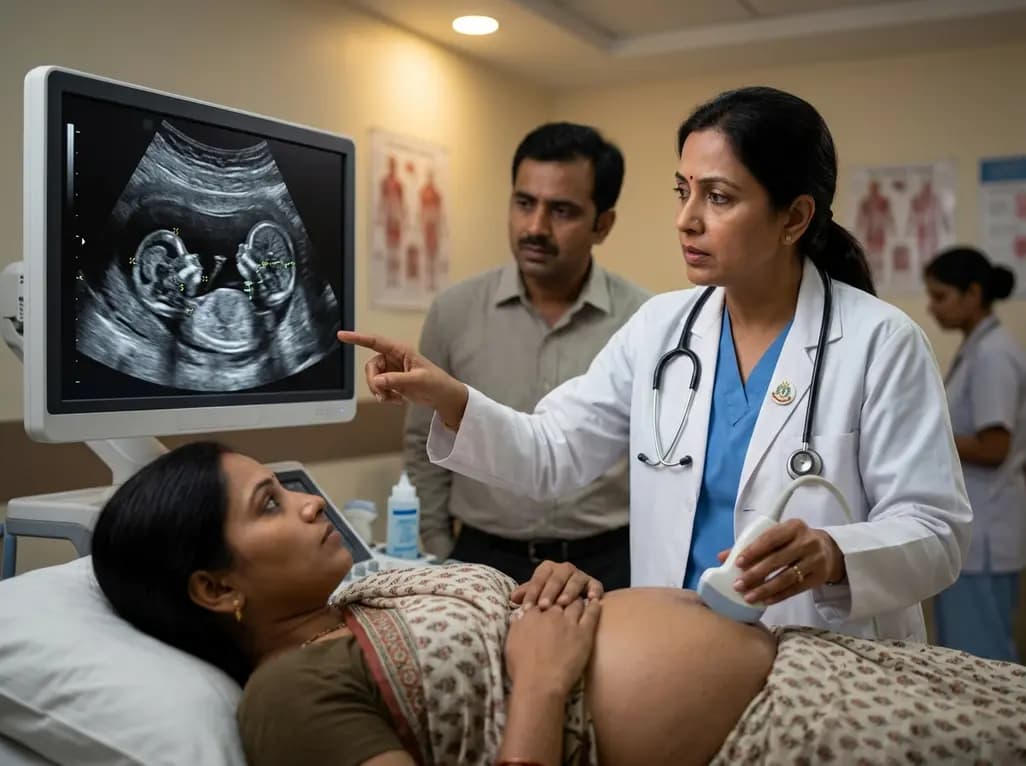
Modern fetal medicine increasingly focuses on the intricate dynamics of multifetal gestations. Specifically, the occurrence of congenital malformations in twins remains a significant concern for clinicians and parents alike. While twin pregnancies generally carry higher risks compared to singletons, understanding the specific drivers of these anomalies is essential for accurate prenatal diagnosis. A recent retrospective cohort study published by Olivieri C et al. (2026) offers critical insights into how zygosity and chorionicity influence the distribution of these defects. By analyzing a strictly selected cohort to minimize confounding factors, the researchers aimed to clarify whether the twinning process itself contributes to developmental errors. This study is particularly relevant for Indian healthcare providers who manage a high volume of twin deliveries. Understanding these patterns allows for better risk stratification and targeted ultrasound screening. Furthermore, it helps clinicians distinguish between anomalies resulting from shared circulation and those inherent to the twinning event. As we delve into the findings, it becomes clear that monozygosity plays a more complex role than previously estimated in early morphogenesis.
The anatomical distribution of anomalies in twin pregnancies provides a window into early embryonic development. In the study conducted at a fetal medicine referral center in Italy, researchers analyzed 564 pregnancies that met strict inclusion criteria. They identified congenital malformations in approximately 18.1% of these cases. Among the affected pregnancies, the distribution was nearly even between major and minor anomalies. Specifically, 55.9% were classified as major defects, while 44.1% were minor. One of the most striking findings was that these malformations were predominantly discordant between cotwins. This means that if one twin presented with an anomaly, the other twin was usually unaffected. Such discordance suggests that individual developmental triggers play a decisive role despite shared genetic or environmental factors. For instance, the timing of the zygotic split in monozygotic twins might coincide with critical windows of organogenesis. Consequently, clinicians must perform detailed structural surveys for each fetus independently. Relying on the health of one twin to predict the status of the other is insufficient. This anatomical diversity emphasizes the need for high-resolution imaging and expert evaluation in every twin pregnancy.
The study highlighted a non-random anatomical distribution pattern specifically within monozygotic pregnancies. Monozygosity appears to be significantly associated with clustering in the cardiac and central nervous system (CNS). Specifically, researchers found an enrichment of conotruncal defects in the heart and neural tube defects in the CNS. When analyzing pregnancies by zygosity, these two systems accounted for over half of all major anomalies in monozygotic twins. In contrast, they only represented about a quarter of major defects in dizygotic twins. Therefore, monozygosity seems to influence early developmental patterning rather than just increasing overall risk. The logistic regression analysis confirmed this association with an impressive odds ratio of 4.13. This finding implies that the biological process of monozygotic twinning might disrupt the establishment of the primary body axes. Furthermore, the higher prevalence of these specific defects suggests that monozygotic twins require specialized cardiac and neurological screening. Consequently, identifying zygosity early in the first trimester becomes a priority for managing these high-risk cases. Moreover, this association remained significant even after excluding complications related to secondary hemodynamic issues.
While zygosity refers to genetic origins, chorionicity describes the placental architecture, which traditionally dictates many twin-related risks. However, this research suggests that zygosity might be an independent driver of structural defects. In many clinical settings, monochorionicity is the primary focus due to its association with vascular complications. Yet, the study by Olivieri and colleagues focused on minimizing non-embryological confounding factors, such as hemodynamic shifts. By doing so, they revealed that the twinning event itself, especially in monozygotic cases, carries inherent developmental risks. This distinction is vital for clinicians. It suggests that even monozygotic-dichorionic twins might share some of these developmental risks with their monochorionic counterparts. Furthermore, the research indicates that the prevalence of malformations was broadly comparable between different twin types when looking at the overall numbers. The real difference lies in where the malformations occur. This shift in perspective encourages fetal medicine specialists to look beyond placental sharing. Instead, they should consider the biological implications of early zygotic cleavage. Consequently, the focus during ultrasound examinations should remain vigilant across all twin types while being extra sensitive to specific organ systems in monozygotic gestations.
Effective management of these pregnancies requires a multidisciplinary approach involving obstetricians, geneticists, and neonatologists. The findings reinforce the importance of early zygosity determination. When molecular testing is available, it provides the most accurate data. However, standard clinical criteria and first-trimester ultrasound remain the pillars of initial assessment. If clinicians identify a monozygotic pregnancy, they should prioritize detailed structural evaluations. Given the high odds ratio for specific anomalies, specialized scans around the 18-22 week mark are essential. Additionally, counseling parents of monozygotic twins involves explaining that while the overall risk isn't necessarily higher, the types of risks are more specific. This allows for more tailored prenatal care and preparation for postnatal interventions. Moreover, the high rate of discordance means that selective management options might be discussed in cases of major anomalies. Clinicians must handle these conversations with sensitivity, providing evidence-based data on prognosis. Therefore, staying updated with recent findings like those from the Bari cohort is crucial for providing high-quality care. Such data helps in refining screening protocols and improving outcomes for these complex pregnancies.
Genetic counseling for twin pregnancies has become increasingly nuanced. The discovery that monozygosity influences developmental patterning rather than just increasing generic risk is a significant insight. For instance, when a cardiac defect is found in one monozygotic twin, the counselor can explain the biological context of early twinning. This helps parents understand that the issue might result from early embryonic events rather than a heritable genetic mutation. Consequently, this can alleviate some of the guilt or fear regarding future pregnancies. Furthermore, the study's focus on molecular confirmation for structural anomalies provides a robust framework for counseling. It emphasizes that clinicians should consider invasive testing to establish zygosity when ultrasound is inconclusive. In the Indian context, where access to advanced molecular testing is growing, this information is invaluable. Clinicians can better guide families through the complexities of prenatal diagnosis. Moreover, the predominantly discordant nature of these anomalies allows for a more optimistic outlook for the healthy cotwin. This nuance is essential for shared decision-making. By incorporating these latest findings, counselors can offer more precise, personalized information to families facing the challenges of a twin pregnancy diagnosis.
Research suggests that the biological process of monozygotic twinning often coincides with the establishment of early embryonic patterning and body axes. This timing makes the heart and the central nervous system particularly vulnerable to developmental errors. The study observed that over half of major malformations in monozygotic twins involved these systems. Therefore, the splitting of a single zygote into two separate embryos might inherently disrupt the critical signaling pathways required for proper organogenesis in these specific areas.
Discordance means that one twin has a malformation while the other is anatomically normal. This study found that most congenital malformations in twins were discordant. For clinicians, this highlights the necessity of evaluating each twin as a separate patient during ultrasound exams. In cases of major anomalies, discordance presents complex ethical and clinical choices regarding pregnancy management. It also requires careful monitoring of the healthy twin to ensure that the presence of the anomalous cotwin does not compromise their development.
While the overall prevalence of malformations is comparable across twin types, monozygotic pregnancies show a much higher clustering of cardiac defects. Consequently, many experts recommend that all monozygotic pregnancies receive detailed fetal echocardiography. For dizygotic pregnancies, the risk is lower but still higher than in singletons. Given the study's findings, clinicians should maintain a low threshold for referring any twin pregnancy to a specialist center for a comprehensive structural survey, focusing particularly on the conotruncal and neural tube structures.
Disclaimer: This content is for informational and educational purposes only. It does not constitute medical advice or establish a doctor-patient relationship. Professional medical guidance should always be sought for the diagnosis and treatment of any health condition. Refer to the latest local and national guidelines for clinical practice.
References
Olivieri C et al. Association of zygosity and chorionicity with anatomical distribution of congenital malformations in twin pregnancies. Ultrasound Obstet Gynecol. 2026 Jul 10. doi: 10.1002/uog.70290. PMID: 42430204.
Khalil A, et al. ISUOG Practice Guidelines: role of ultrasound in twin pregnancy. Ultrasound Obstet Gynecol. 2016;47(2):247-63.
Ghalandarpoorattar SM, et al. Congenital anomalies in twin pregnancies; a systematic review and meta-analysis. J Matern Fetal Neonatal Med. 2021;34(16):2730-2741.

Read summarized clinical updates, watch expert medical content, and earn CME certifications right from your smartphone.
Open your smartphone camera to scan and install.





A recent study shows that monozygosity in twins is linked to specific anatomical clustering of malformations, particularly in cardiac and CNS systems, rather than just an overall increase in risk. This insight into early developmental patterning helps clinicians refine screening and counseling for twin pregnancies.
3 months ago

Following Nigeria's first recorded Ebola case linked to regional travel, the Africa CDC has convened an emergency ministerial summit. This alert underscores critical clinical priorities for healthcare professionals, including differentiating early viral infection from malaria, implementing barrier nursing, and triage.
Today

Leucine Rich Bio has introduced South Asia's first comprehensive vaginal microbiome test, BugSpeaks. By profiling microbial dysbiosis, pathogens, and antimicrobial resistance, this next-generation diagnostic platform provides clinicians with deeper insights into recurrent infections, fertility, and reproductive health.
Today

Review how tailored exercise programs benefit frail older patients with heart failure. Explore pathophysiological mechanisms, individualized training prescriptions, and strategies to overcome adherence barriers in clinical practice.
Today

This comparative study evaluates posterior labral tears with and without glenohumeral instability, highlighting distinct demographic patterns, MRI underestimation in stable shoulders, and successful arthroscopic repair outcomes.
Today

A clinical study demonstrates that early intervention with tocilizumab, either as monotherapy or bridged with corticosteroids, achieves significant proptosis reduction and resolves active inflammation in treatment-naive thyroid eye disease.
Today
