

Loading, please wait...
Loading, please wait...

The ARTEMIS trial evaluated a community-based intervention combining a multimedia campaign to reduce mental-health stigma with a digital, primary-care-worker-led programme to identify and support adolescents at high risk of depression or self-harm. The study involved 3,739 adolescents across 60 urban slum clusters in India; 1,761 were classified as high risk. At 12 months, anticipated behaviour toward people with mental illness improved in intervention clusters compared with controls (mean difference, 0.78; 95% CI, 0.40–1.16; \(p<0.001\)). Among high-risk adolescents, estimated remission was 68.2% in the intervention group versus 59.4% in controls, although this difference was not statistically significant (\(p=0.10\)). Mean PHQ-9 scores were lower in the intervention group by 0.87 points (95% CI, −1.66 to −0.08; \(p=0.03\)). The findings support the feasibility of combining stigma reduction with primary-care-based digital support, although the remission outcome remains uncertain.

Read summarized clinical updates, watch expert medical content, and earn CME certifications right from your smartphone.
Open your smartphone camera to scan and install.





The ARTEMIS trial evaluated a community-based intervention combining a multimedia campaign to reduce mental-health stigma with a digital, primary-care-worker-led programme to identify and support adolescents at high risk of depression or self-harm. The study involved 3,739 adolescents across 60 urban slum clusters in India; 1,761 were classified as high risk. At 12 months, anticipated behaviour toward people with mental illness improved in intervention clusters compared with controls (mean difference, 0.78; 95% CI, 0.40–1.16; \(p<0.001\)). Among high-risk adolescents, estimated remission was 68.2% in the intervention group versus 59.4% in controls, although this difference was not statistically significant (\(p=0.10\)). Mean PHQ-9 scores were lower in the intervention group by 0.87 points (95% CI, −1.66 to −0.08; \(p=0.03\)). The findings support the feasibility of combining stigma reduction with primary-care-based digital support, although the remission outcome remains uncertain.
Today

A 60-year-old woman presented with subacute cerebellar ataxia, dysautonomia, and hyperreflexia. Despite negative commercial antibody panels, tissue-based assays and phenotypic evolution to blepharospasm guided diagnostic resolution through specialized neuroimmunology testing.
Today
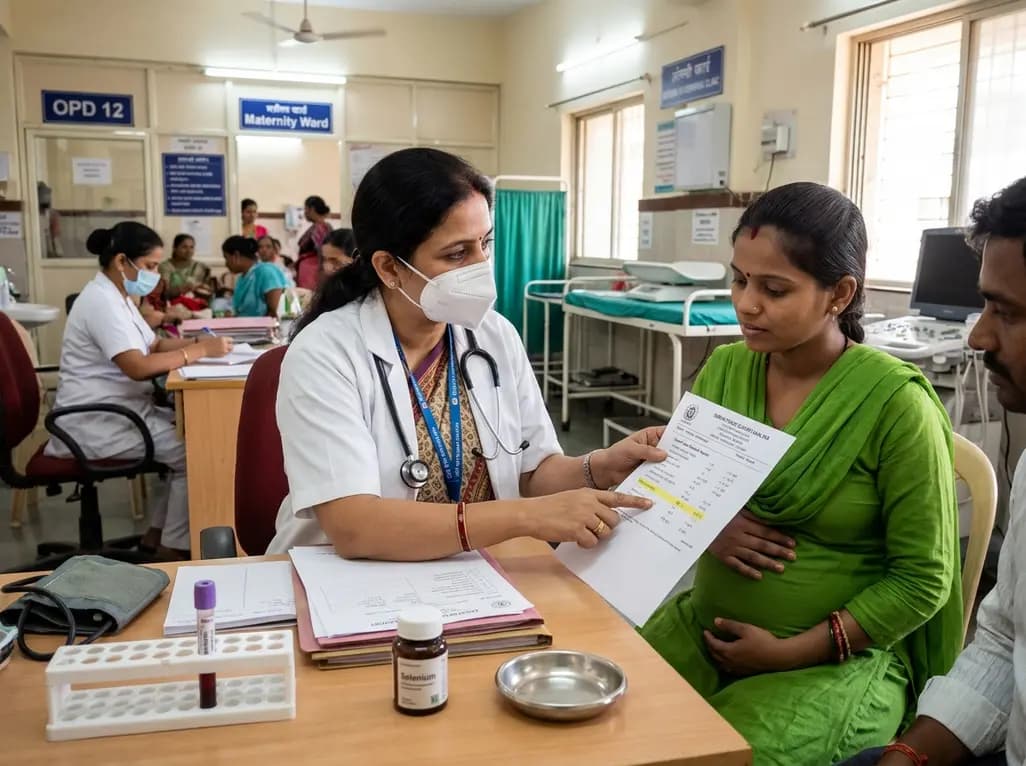
A prospective study reveals significant first-trimester trace-element alterations in pregnant women with epilepsy. Lower serum selenium independently predicted subsequent seizure recurrence despite prior remission, highlighting the vital clinical role of micronutrient profiling during antenatal care.
Today
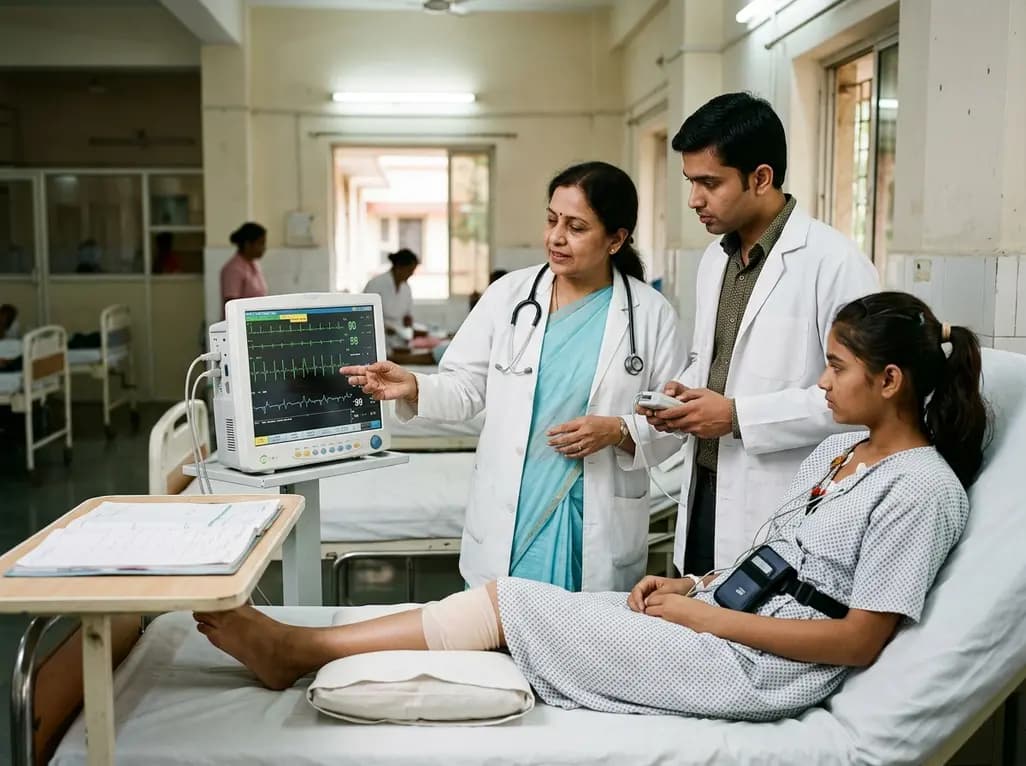
A 15-year-old patient presented with knee arthralgia and acute rheumatic fever, exhibiting complex arrhythmias including AV blocks and non-sustained ventricular tachycardia despite lacking severe valvulitis. This highlights the importance of extended Holter monitoring in pediatric rheumatic carditis.
Today
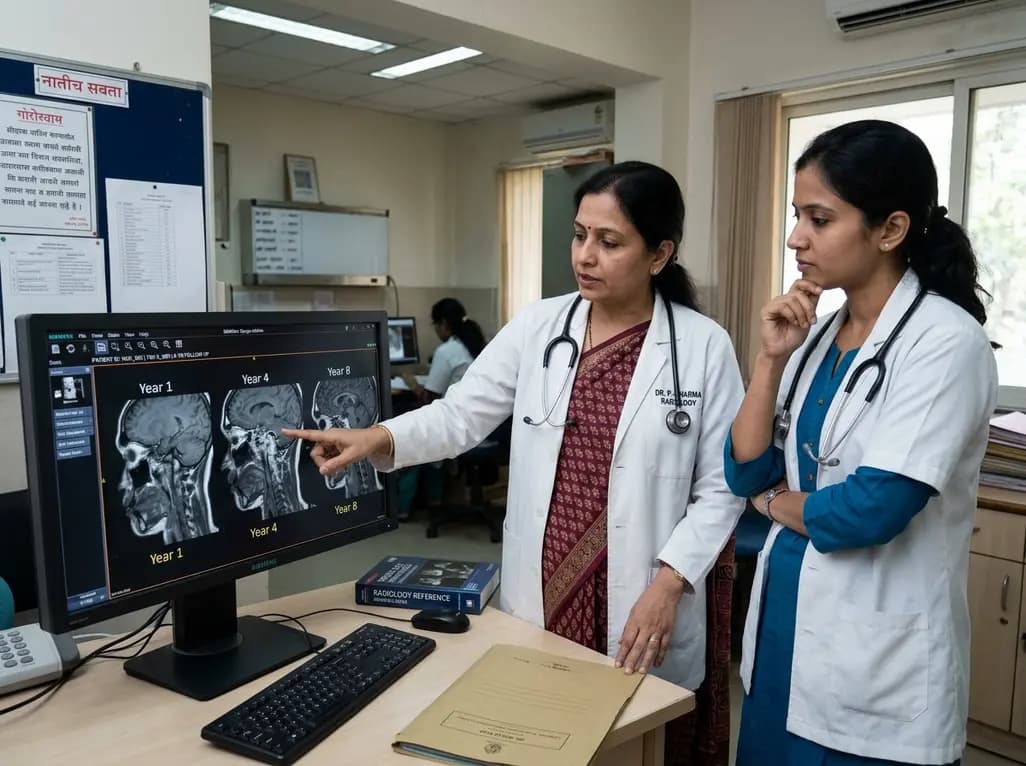
An eight-year longitudinal imaging follow-up reveals severe temporomandibular joint remodeling in nodulosis-arthropathy-osteolysis (NAO) syndrome. Despite extensive osseous destruction, the patient maintained functional jaw opening without TMJ interventions, highlighting the role of conservative management.
Today
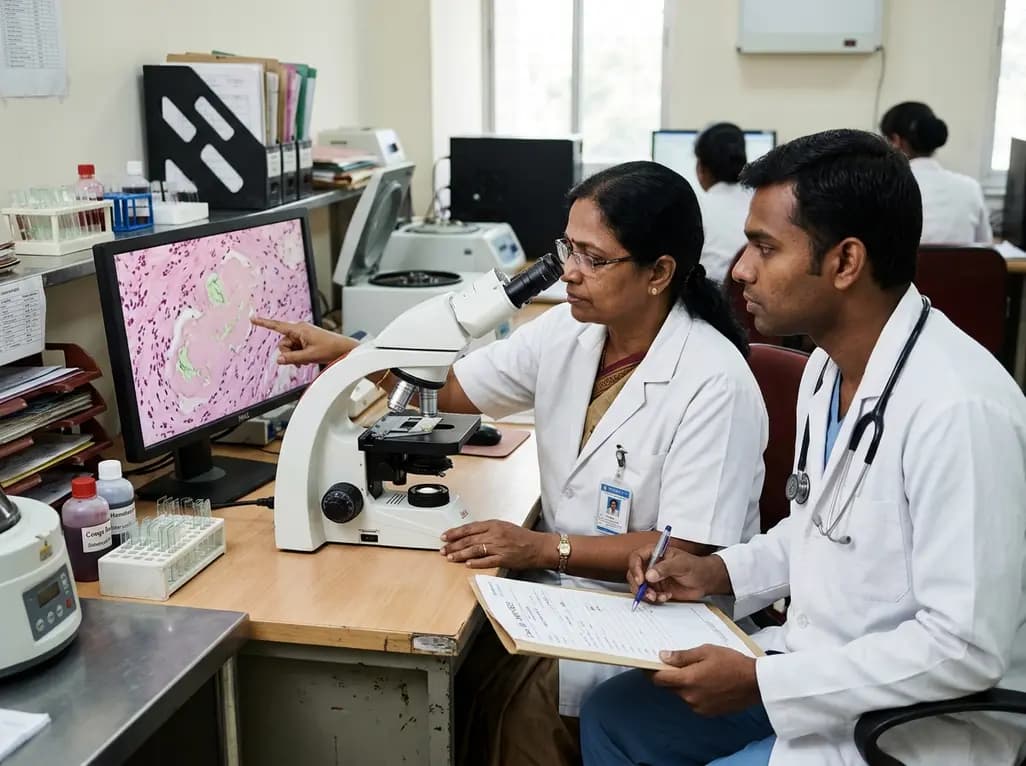
Discover essential clinical insights into AGLP1-type amyloidosis, a rare localized complication of glucagon-like peptide-1 analog injections. Learn how histopathology and mass spectrometry differentiate benign iatrogenic amyloidomas from systemic disease, preventing misdiagnosis and unwarranted therapies.
Today
