.webp&w=384&q=75)

Loading, please wait...
Loading, please wait...
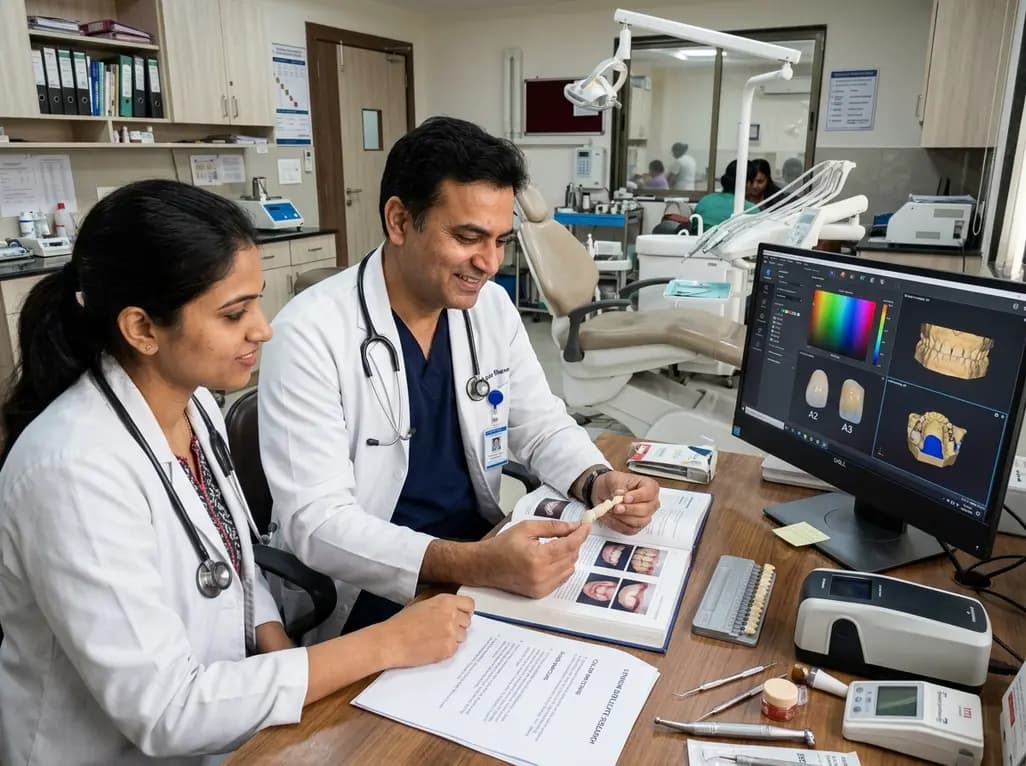
Restorative dentistry continuously evolves toward additive manufacturing solutions that combine mechanical integrity with superior esthetics. Clinicians and laboratory technicians frequently encounter challenges when reproducing natural dental shade gradients using conventional ceramic pressing or subtractive milling techniques. Recent innovations in lithium disilicate 3D printing now present an effective solution by merging computer-assisted color matching with vat photopolymerization. This advanced additive manufacturing approach allows dental teams to produce multi-layered, shade-matched monolithic ceramic crowns with remarkable geometric fidelity and optical gradations.
Vat photopolymerization has revolutionized the production of complex ceramic dental prostheses by building restorations layer by layer from photocurable suspensions. In traditional computer-aided design and computer-aided manufacturing workflows, subtractive milling often wastes significant amounts of ceramic material and subjects the brittle blocks to microcrack formation. In contrast, additive manufacturing enables precise structural control while conserving raw materials. However, fabricating high-translucency ceramics such as lithium disilicate has historically presented unique optical hurdles. Because glass-ceramic powders scatter light substantially during ultraviolet or blue light exposure, controlling cure depth and lateral resolution requires meticulous optical calibration. Researchers successfully address these optical challenges by formulating customized ceramic slurries with optimized solid loadings and tailored resin matrices. Consequently, the photopolymerization process achieves uniform curing kinetics without inducing unpolymerized voids or structural delamination. Dental laboratories can therefore construct high-density green bodies that undergo controlled thermal debinding and dense sintering. This methodological leap ensures that the final restoration attains the necessary structural homogeneity and microscopic density required to withstand intraoral masticatory stresses over extended clinical lifespans.
The formulation of photocurable ceramic suspensions requires a delicate balance between flow behavior and optical cure characteristics. In this novel process, researchers introduced zirconium silicate pigments doped with iron, praseodymium, and vanadium into high-solids lithium disilicate slurries. Laser diffraction and energy-dispersive X-ray spectroscopy confirmed that pigment particle sizes ranged between 5.9 and 8.9 micrometers, preventing interfacial microstructural defects within the ceramic matrix. Furthermore, maintaining a 45 volume percent solid loading ensured excellent green body density while preserving workable rheological properties. At elevated operating temperatures around 50 degrees Celsius, slurry viscosities stabilized between 2.3 and 2.5 Pascal-seconds, facilitating smooth recoating during printing cycles. However, adding chromatic pigments alters light absorption dynamics during exposure. For example, red-shaded slurries required significantly higher critical exposure energies compared to lighter formulations, ranging from 12.2 to 16.7 millijoules per square centimeter. Consequently, dental technicians must calibrate working curves individually for each monochromatic pigment concentration. This precise optical and rheological tuning prevents uneven layer thickness and guarantees predictable polymerization throughout the fabrication of custom restorations.
Achieving realistic shade gradations across the incisal-to-cervical axis of anterior restorations demands objective optical algorithms. To overcome subjective visual shade selection errors, researchers established a comprehensive diffuse-reflectance spectroscopy database integrated with computer-assisted color matching software. This digital framework accurately predicted chromatic formulations corresponding to the VITA 3D-Master shade system across various restorative zones. When evaluating twenty-six distinct predicted shades, twenty-four exhibited color difference values below clinically noticeable thresholds, confirming extraordinary matching precision. Moreover, spectral analysis demonstrated that monochromatic and gradient restorations maintained balanced translucency and chroma distributions after sintering. Because natural teeth display an increasing chroma from the translucent incisal edge toward the saturated cervical margin, digital algorithms calculated optimal layer compositions to replicate this organic transition. Clinicians can now capture intraoral spectrophotometric data and directly translate regional color coordinates into layered additive manufacturing instructions. This seamless digital protocol eliminates labor-intensive manual staining procedures and delivers consistent aesthetic outcomes for demanding anterior restorations.
Thermal processing plays a pivotal role in converting printed green bodies into robust glass-ceramic dental prostheses. Comprehensive thermal characterization, including thermogravimetric analysis, differential scanning calorimetry, and X-ray diffraction, established optimal debinding and sintering cycles for classical shades ranging from 1M2 to 5M2. During sintering, nucleated lithium metasilicate crystals transform completely into interlocking lithium disilicate needle-like microstructures. Porosity analysis confirmed high relative densities across all fabricated shades without significant microstructural voids. In addition, extensive mechanical evaluations demonstrated that printed lithium disilicate specimens possessed outstanding flexural strength, high fracture toughness, and reliable Weibull moduli. Vickers indentation and nanoindentation testing confirmed surface hardness values and elastic moduli comparable to traditionally pressed or milled glass-ceramics. Because pigment incorporation did not degrade crystal interlocking or induce residual stresses, the restorations retained remarkable resistance against crack propagation under cyclic occlusal loads. Consequently, clinicians can reliably place these printed restorations in both anterior and posterior regions without compromising mechanical longevity.
Validating the geometric precision of 3D-printed restorations remains essential before broad clinical adoption. Researchers demonstrated practical feasibility by fabricating a full-contour color-gradient maxillary central incisor crown using the integrated workflow. Subsequent three-dimensional optical scanning and digital superimposition verified excellent marginal adaptation and internal fit against reference design files. The color-gradient crown exhibited smooth chromatic transitions from the cervical third to the incisal edge while maintaining micron-level dimensional precision. Furthermore, the absence of delamination between distinct shade layers confirmed that sequential vat photopolymerization creates cohesive monolithic restorations. In clinical prosthodontics, precise marginal fit prevents cement dissolution, minimizes plaque accumulation, and protects periodontal tissue health. Moreover, integrating automated shade gradients into the additive workflow reduces technical chairside adjustments and laboratory fabrication time. As additive manufacturing hardware and specialized ceramic slurries advance, dental practices and commercial laboratories can implement this streamlined digital workflow to fabricate patient-specific restorations efficiently.
Computer-assisted color matching utilizes diffuse-reflectance spectroscopy and digital shade algorithms to calculate exact pigment proportions for specific dental shades. This technology minimizes subjective human error during visual shade selection and ensures precise color reproduction across the VITA 3D-Master guide. Consequently, dental technicians can create predictable shade gradients across monolithic restorations, achieving lifelike aesthetic results without relying heavily on surface glazes or manual stains.
Doped inorganic pigments absorb and scatter curing light differently depending on their chromatic hue and concentration. For instance, reddish and darker slurries absorb higher amounts of actinic light, thereby reducing polymerization depth. Dental technicians must therefore calibrate exposure energy and layer curing times for each pigment formulation. This optical optimization ensures complete photopolymerization, prevents layer delamination, and guarantees structural integrity throughout the printed restoration.
Yes, printed lithium disilicate restorations exhibit mechanical properties comparable to traditional milled and pressed counterparts following proper debinding and sintering. The controlled crystallization process produces dense, interlocking lithium disilicate crystals that provide high flexural strength and fracture toughness. Furthermore, Weibull modulus analysis confirms consistent structural reliability, making these additive restorations suitable for enduring long-term intraoral masticatory forces in clinical practice.
Disclaimer: This content is for informational and educational purposes only. It is not intended to be a substitute for professional medical advice, diagnosis, or treatment. Always seek the advice of your physician or other qualified health provider with any questions you may have regarding a medical condition. Refer to the latest local and national guidelines for clinical practice.
References

Read summarized clinical updates, watch expert medical content, and earn CME certifications right from your smartphone.
Open your smartphone camera to scan and install.





A breakthrough study demonstrates the fabrication of personalized color-gradient lithium disilicate glass-ceramics using vat photopolymerization and computer-assisted color matching, achieving exceptional aesthetic shade reproduction and high mechanical strength for advanced restorative dentistry.
last month

A landmark study demonstrates that RIPK1 activation in the subacute phase of intracerebral hemorrhage drives inflammation, blood-brain barrier leakage, and cognitive impairment in males but not females, highlighting essential sex differences for precision neuroprotective clinical trials.
Today
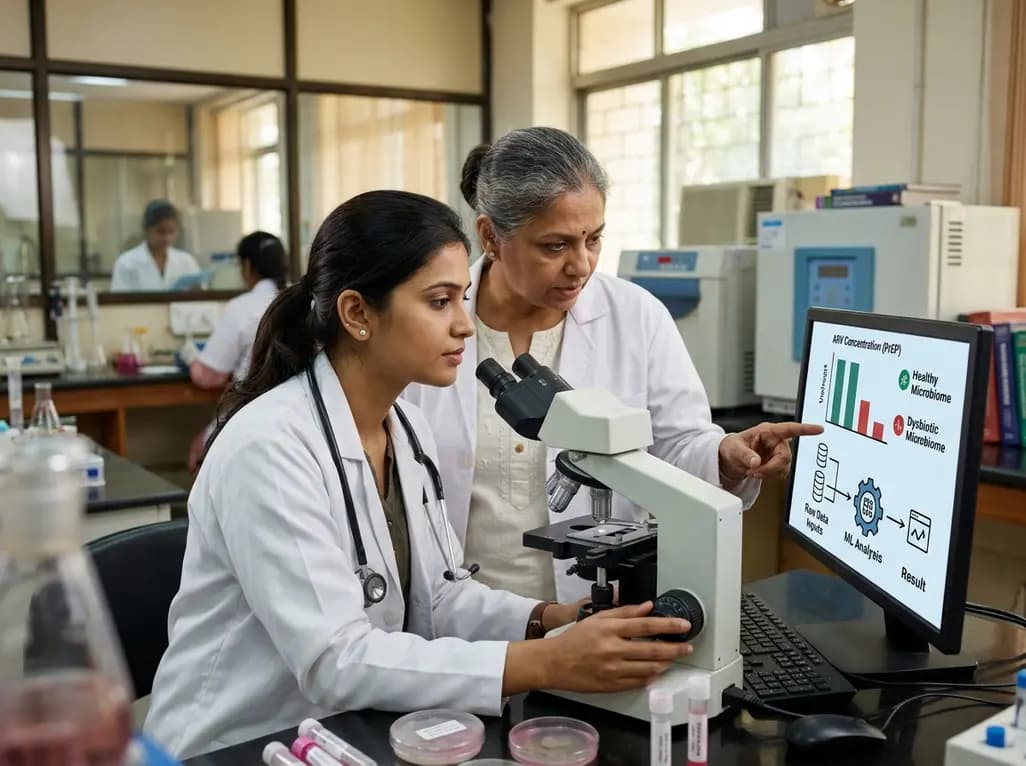
A pharmacometric and machine learning study reveals that specific vaginal bacteria alter cervical antiretroviral exposure, highlighting the need for precision HIV PrEP strategies.
Today
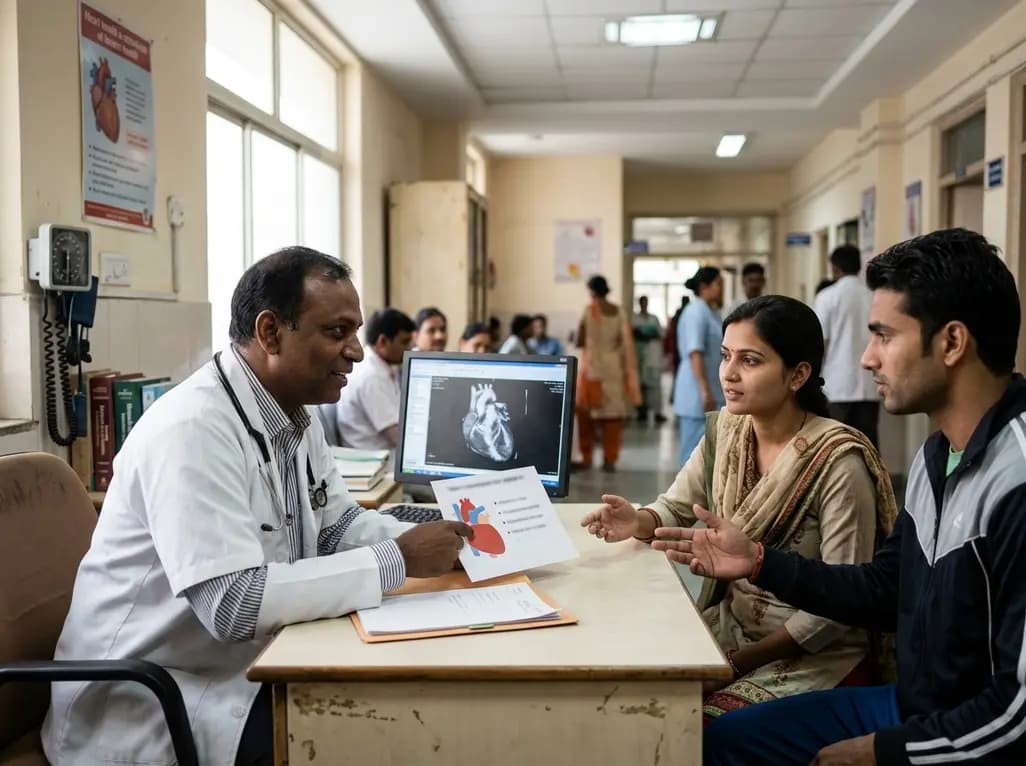
New clinical evidence demonstrates a shift away from strict exercise restrictions in genetic heart disease. While patients with channelopathies engage in more vigorous activity than those with cardiomyopathies, shared decision-making and individualized risk assessments ensure safe, beneficial exercise participation.
Today
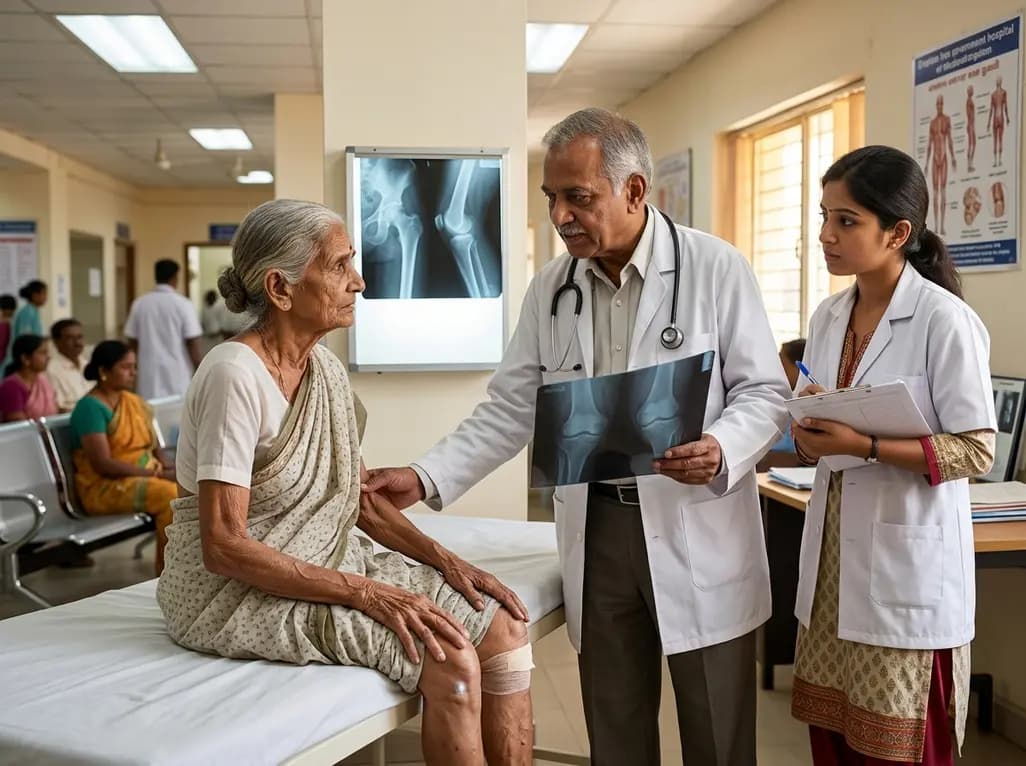
Sarcopenia significantly impairs functional independence and amplifies fracture risks in patients with osteoarthritis and osteoporosis. Learn about modern diagnostic strategies, GLP-1 therapy considerations, and evidence-based non-pharmacological management across multidisciplinary clinical settings.
Today
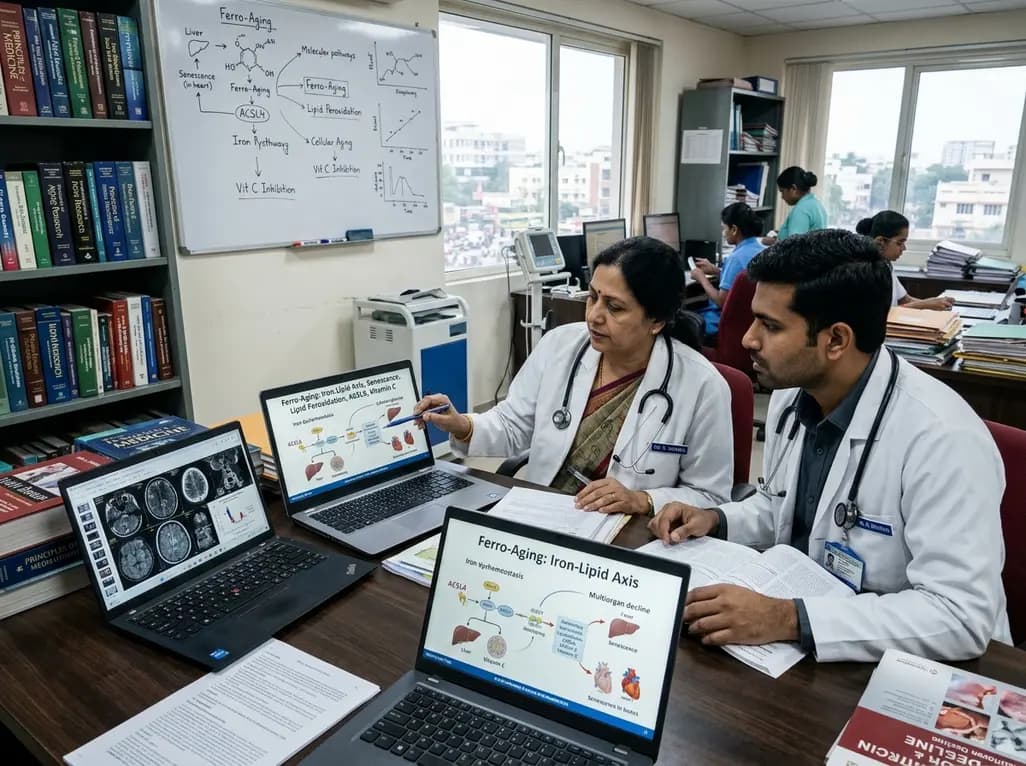
Recent research defines ferro-aging as a conserved iron-lipid axis driving organ decline across primates. Age-related iron dyshomeostasis stimulates ACSL4-mediated lipid peroxidation, promoting cellular senescence. Notably, vitamin C directly inhibits ACSL4, suppressing phospholipid oxidation and multi-organ decay.
Today
