.webp&w=384&q=75)

Loading, please wait...
Loading, please wait...

Clinicians often find the path to a Coffin-Lowry syndrome diagnosis challenging due to the rarity of the condition. This X-linked dominant disorder primarily affects males, presenting with a constellation of neurodevelopmental and skeletal abnormalities. A recent case report from Mexico involving a 4-year-old male underscores the classic phenotypic markers. Furthermore, researchers identified a previously unreported variant in the RPS6KA3 gene, expanding our molecular understanding of the disease. Consequently, recognizing these signs early can lead to better supportive care for affected children.
Characteristic facial features and skeletal signs are central to early identification. For instance, the Mexican patient exhibited hypertelorism, low-set ears, and a depressed nasal bridge. Additionally, broad fingers and global neurodevelopmental delay served as primary clinical clues. Moreover, dental abnormalities such as widely spaced teeth and anteverted nostrils often accompany the syndrome. Therefore, radiologists and pediatricians should look for specific hand and cranial signs to support the clinical suspicion.
The definitive confirmation of the syndrome relies heavily on molecular testing. In this specific case, genetic analysis revealed a likely pathogenic hemizygous variant: RPS6KA3 c.1762G>A (p. Glu588Lys). Because this variant was previously unreported, the case contributes vital data to the global phenotypic and molecular spectrum of the syndrome. Early genetic screening is essential for families with suspected X-linked intellectual disabilities, as it allows for precise genetic counseling and management planning.
While the condition is rare, the clinical manifestations can be severe, involving progressive skeletal deformities such as kyphoscoliosis. Clinicians must monitor these patients for cardiac issues and stimulus-induced drop attacks, which occur in about 20% of cases. Although no cure currently exists, multidisciplinary management helps optimize the quality of life. Physical and speech therapy, along with orthopedic monitoring, remain the pillars of long-term care.
The syndrome is characterized by intellectual disability, short stature, and distinctive facial features like a wide mouth, down-slanted palpebral fissures, and tapered fingers.
Diagnosis usually involves clinical observation of typical facial and skeletal signs, followed by genetic testing to identify variants in the RPS6KA3 gene.
Disclaimer: This content is for informational and educational purposes only. It does not constitute medical advice or a professional relationship. Refer to the latest local and national guidelines for clinical practice.
References
Pérez-Peña AK et al. [Coffin-Lowry syndrome: Case report in Mexico]. Rev Med Inst Mex Seguro Soc. 2026 May 06. doi: 10.5281/zenodo.18715449. PMID: 42096245.
Maity S, et al. Coffin-Lowry syndrome: a systematic review of RPS6KA3 confirmed cases and implications for diagnosis and counseling. Front Genet. 2026 Jan 12;16:1715229.
Rogers RC, Abidi F. RPS6KA3-Related Intellectual Disability. GeneReviews®. University of Washington, Seattle; 2022.

Read summarized clinical updates, watch expert medical content, and earn CME certifications right from your smartphone.
Open your smartphone camera to scan and install.





A case report from Mexico highlights a novel variant in Coffin-Lowry syndrome, focusing on clinical markers and the importance of early genetic diagnosis....
5 months ago
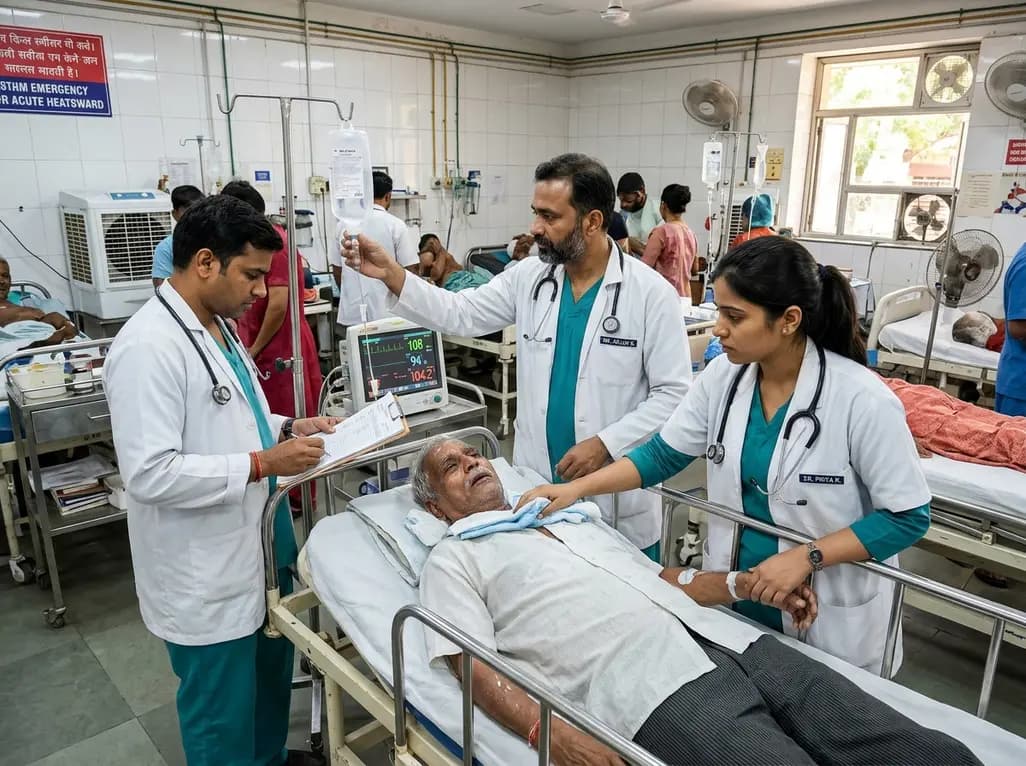
Recent epidemiological data reveals a dramatic surge in summer heat mortality driven by human-induced climate warming. This analysis explores the pathophysiological impacts on cardiac and renal systems, diagnostic dilemmas in death certification, and essential emergency cooling protocols for acute clinical care.
Today
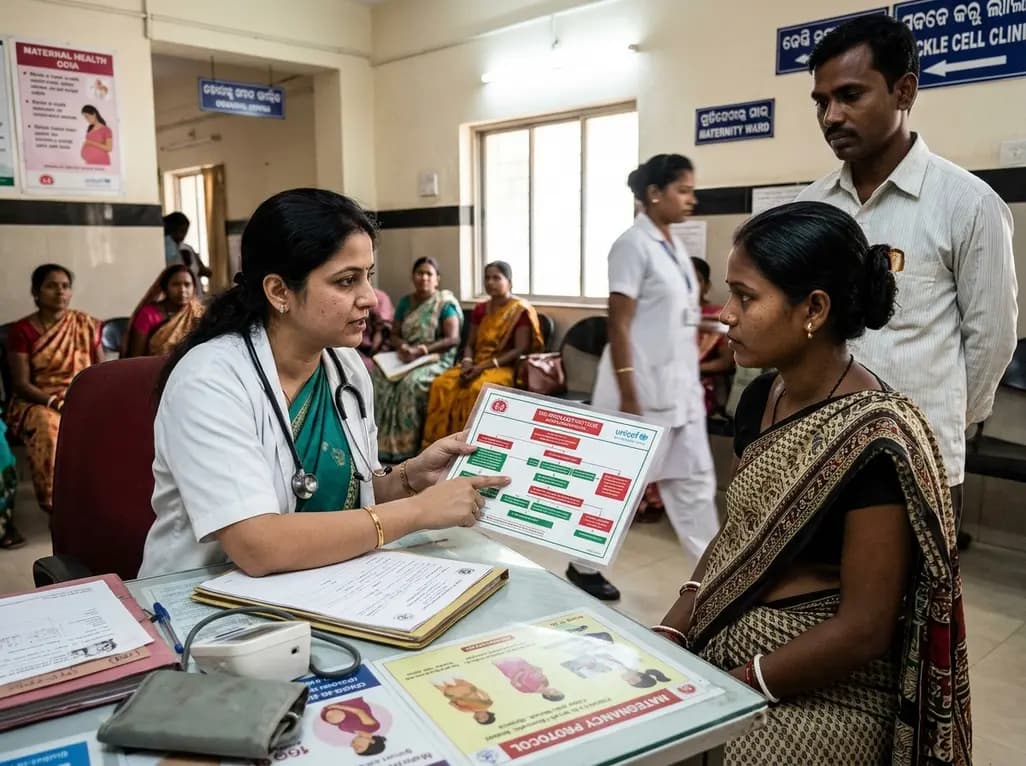
Odisha has established India's first state-level clinical protocol specifically tailored for pregnant women with sickle cell disease. Developed with NHM and UNICEF, the framework provides structured antenatal screening, crisis mitigation, standardized referral pathways, and specialized interdisciplinary care.
Today

India is advancing preventive healthcare by integrating genomics, artificial intelligence, and quantum technologies. With the SANGAM programme sequencing one million Indian genomes, clinicians can unlock personalized therapies, detect cardiometabolic risks early, and curb the burden of diabetes and heart disease.
Today

A randomized controlled trial demonstrates that an eight-week dual-task training intervention significantly improves static and dynamic postural control over standard balance exercises in individuals with chronic ankle instability, addressing critical neurocognitive deficits during athletic and daily activities.
Today

A retrospective cohort study of 7,716 ICU patients from the MIMIC-IV database demonstrates that Gradient Boosting Decision Trees significantly outperform traditional SOFA scores in predicting in-hospital mortality among patients with sepsis and diabetes, with SHAP analysis providing clinical interpretability.
Today
