.webp&w=384&q=75)

Loading, please wait...
Loading, please wait...

The Indian healthcare sector is witnessing unprecedented interest from top-tier global private equity firms. Specifically, a massive Cloudnine hospital investment is on the horizon. Several investment giants compete for a significant stake in India’s largest maternity care provider. This development highlights the growing financial viability of specialized healthcare in the country.
Recently, seven major private equity funds entered the race to acquire a 25% stake in Cloudnine. These competitors include global heavyweights such as Warburg Pincus, KKR, TPG Capital, Advent International, CVC Capital Partners, and Permira. Homegrown Kedaara Capital is also actively bidding for this stake. The proposed transaction values the Bengaluru-based maternal healthcare chain at approximately ₹10,000 crore, which is equivalent to $1 billion. This landmark deal will facilitate a complete exit for early investor True North. True North initially entered the company in 2015 with a ₹400 crore investment. However, other existing key shareholders like Temasek and TPG NewQuest will likely retain their combined 52% holdings.
Moreover, this funding round follows an aggressive expansion strategy by the hospital chain. In May 2026, Kids Clinic India, the operator of Cloudnine, announced a major merger. Specifically, they agreed to acquire the maternity, childcare, and fertility businesses of Apollo Health & Lifestyle. This deal, valued at ₹1,550 crore, combines Apollo Cradle and Apollo Fertility into the Cloudnine network. Consequently, the merged entity will operate more than 55 specialized centers across India. This strategic consolidation enables Cloudnine to expand its clinical footprint in key metro areas like Hyderabad, Bengaluru, and Delhi-NCR. Furthermore, the expansion positions Cloudnine to meet the soaring demand for specialized mother and child care.
Clearly, strong financial health drives this high-stakes valuation. During the last fiscal year (FY26), Cloudnine recorded a stellar revenue of ₹2,000 crore. Additionally, the company achieved an EBITDA of ₹300 crore. These robust numbers attract global investors who seek stable, high-growth assets in India’s private healthcare sector. Neonatologist Dr. R. Kishore Kumar founded the hospital chain in 2006. Today, it stands as India's premier single-specialty maternity network. Ultimately, this deal will provide fresh capital to scale operations even further, including potential expansions in domestic and international markets.
Q1: What is the estimated valuation of Cloudnine in the proposed transaction?
The proposed deal is expected to value Cloudnine, India's largest maternity and pediatric hospital chain, at approximately ₹10,000 crore (around $1 billion).
Q2: Which major private equity firms are competing for the 25% stake in Cloudnine?
Global private equity majors including Warburg Pincus, KKR, TPG Capital, Advent International, CVC Capital Partners, and Permira, along with homegrown Kedaara Capital, are in the race to acquire the stake.
Q3: What recent acquisition did Cloudnine complete to strengthen its market position?
In May 2026, Cloudnine's operator, Kids Clinic India, agreed to acquire the maternity, childcare, and fertility verticals of Apollo Health & Lifestyle (operating under the Apollo Cradle and Apollo Fertility brands) in a transaction valued at ₹1,550 crore.
Disclaimer: This content is for informational and educational purposes only. It does not constitute medical advice or replace professional judgment. Refer to the latest local and national guidelines for clinical practice.
References

Read summarized clinical updates, watch expert medical content, and earn CME certifications right from your smartphone.
Open your smartphone camera to scan and install.





Global private equity majors compete to acquire a 25% stake in India's leading maternity and pediatric hospital chain, valuing Cloudnine at ₹10,000 crore....
3 months ago
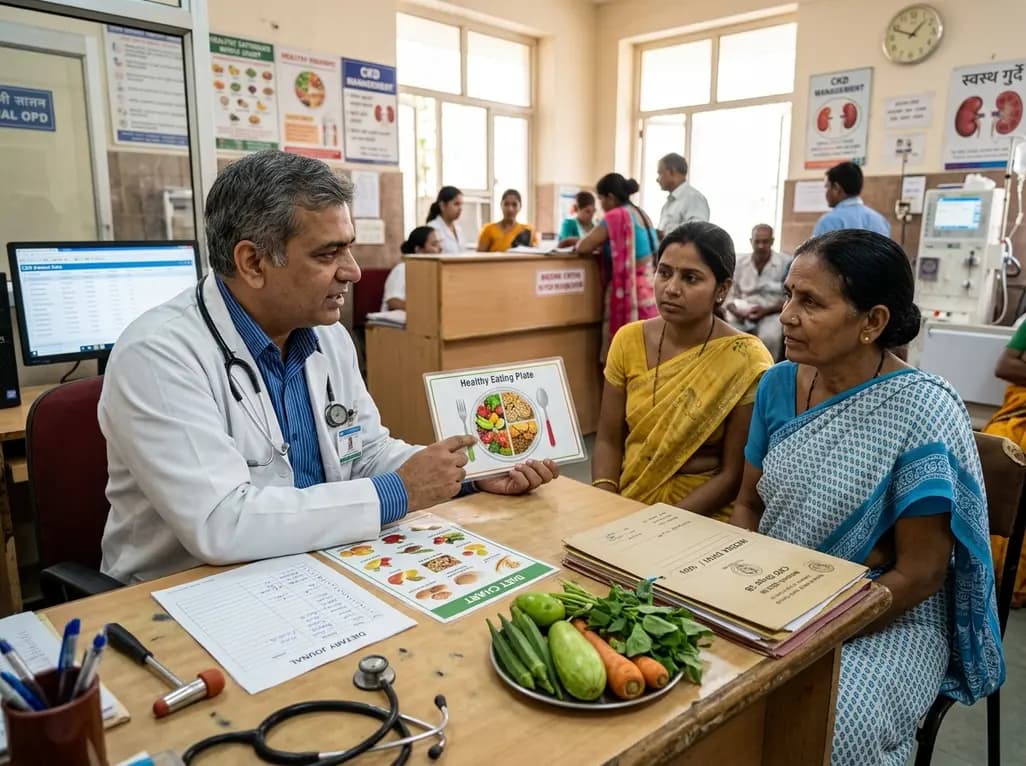
A large NHANES cohort study reveals that higher Healthy Eating Index scores significantly reduce all-cause mortality risk in CKD patients by 45%. This analysis highlights the importance of comprehensive diet quality and medical nutrition therapy in renal care to optimize long-term clinical survival.
Today
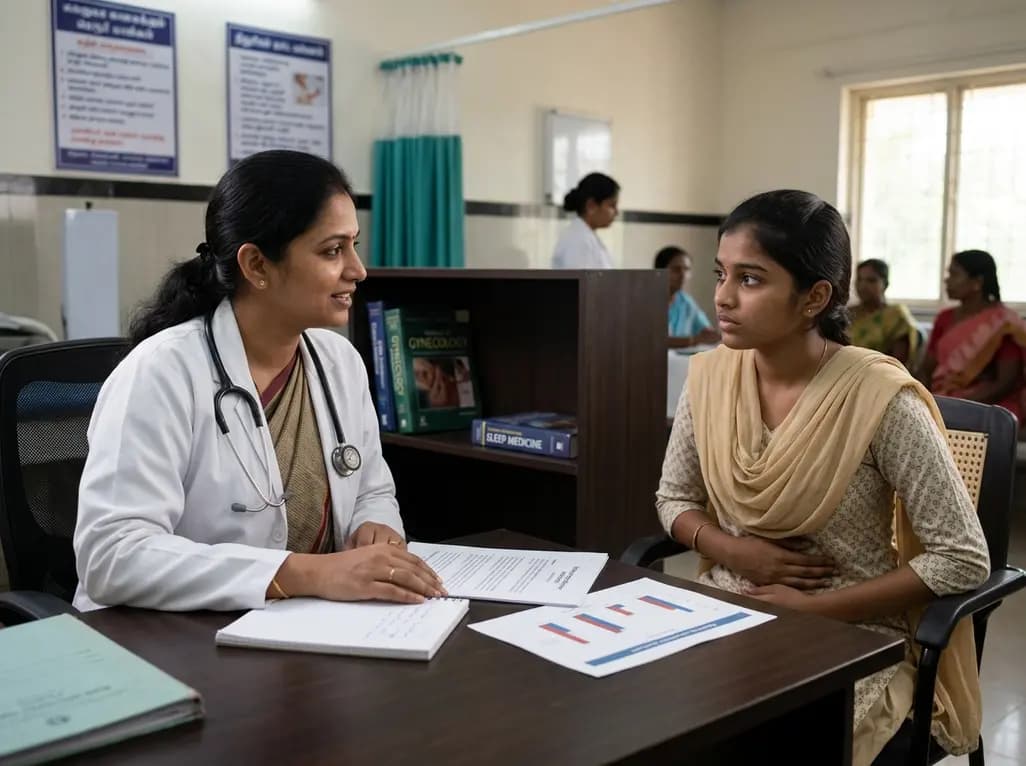
A prospective cohort study demonstrates that poor adolescent sleep quality, especially long sleep latency and reduced efficiency, increases dysmenorrhea severity in young adulthood. Addressing adolescent rest patterns offers a critical preventive avenue for clinicians.
Today
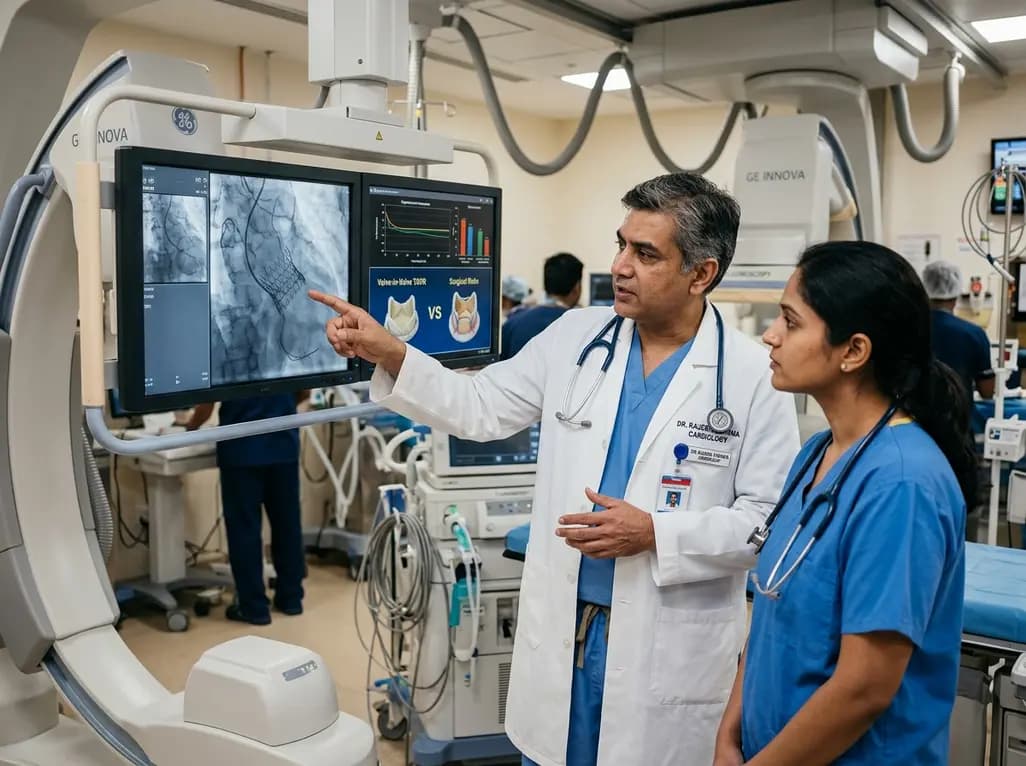
A meta-analysis of 13 propensity score-matched studies shows ViV-TAVR delivers lower early mortality and reduced bleeding compared to redo-SAVR for degenerated bioprosthetic aortic valves, though long-term hemodynamics warrant careful anatomical and patient-centered evaluation.
Today
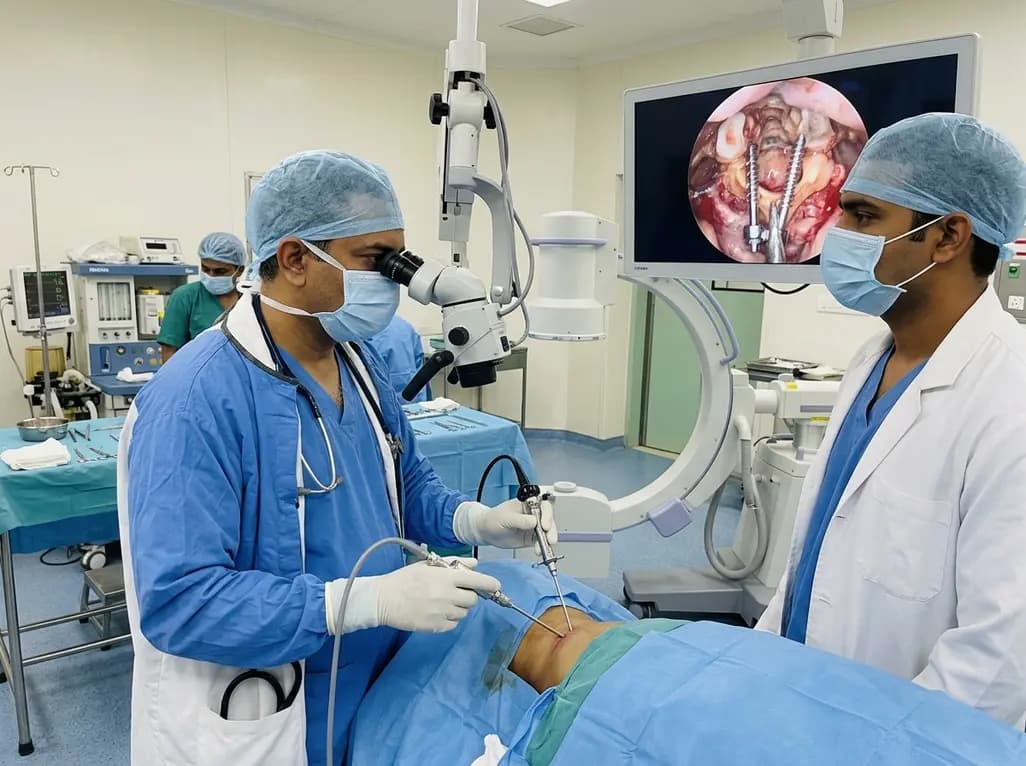
Endoscopic posterior cervical fusion combines minimally invasive decompression, joint preparation, and rigid screw-rod fixation for atlantoaxial pathologies. Early clinical findings demonstrate solid bony union, excellent symptom relief, and minimal soft-tissue morbidity without significant vascular compromise.
Today
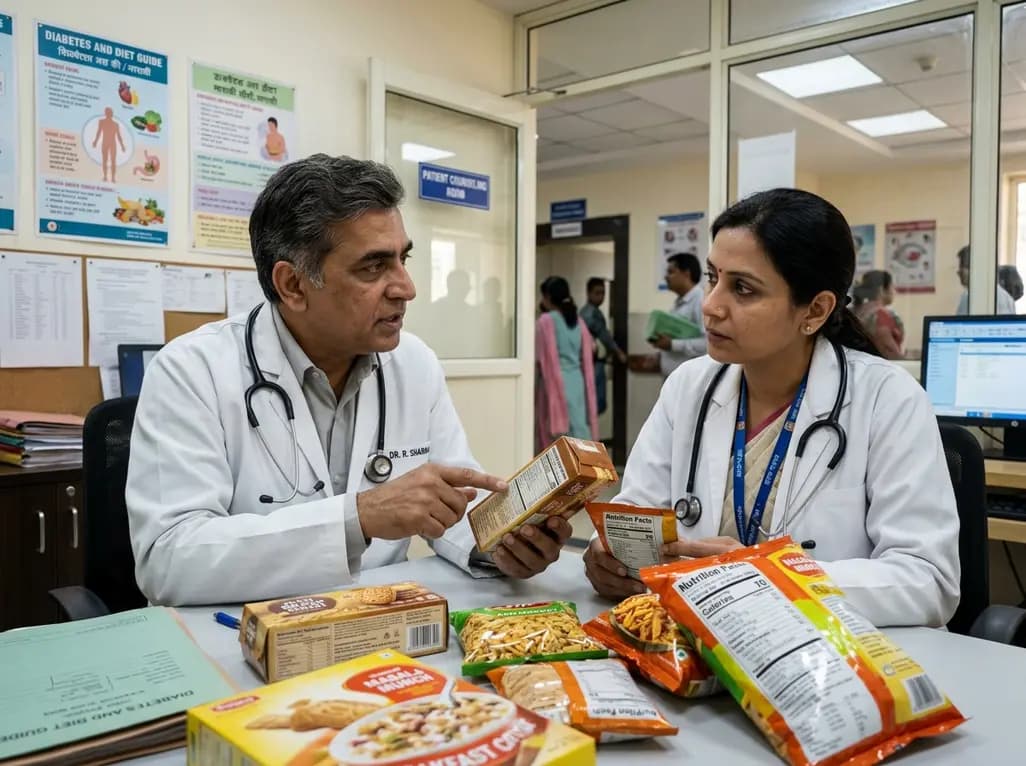
The All-India Food Processors' Association has approached the Supreme Court to oppose FSSAI's proposed per-100g benchmark for front-of-pack warning labels, advocating instead for a per-serving threshold. We explore the regulatory showdown, nutritional evidence, and implications for clinical lifestyle counseling.
Today
