.webp&w=384&q=75)

Loading, please wait...
Loading, please wait...
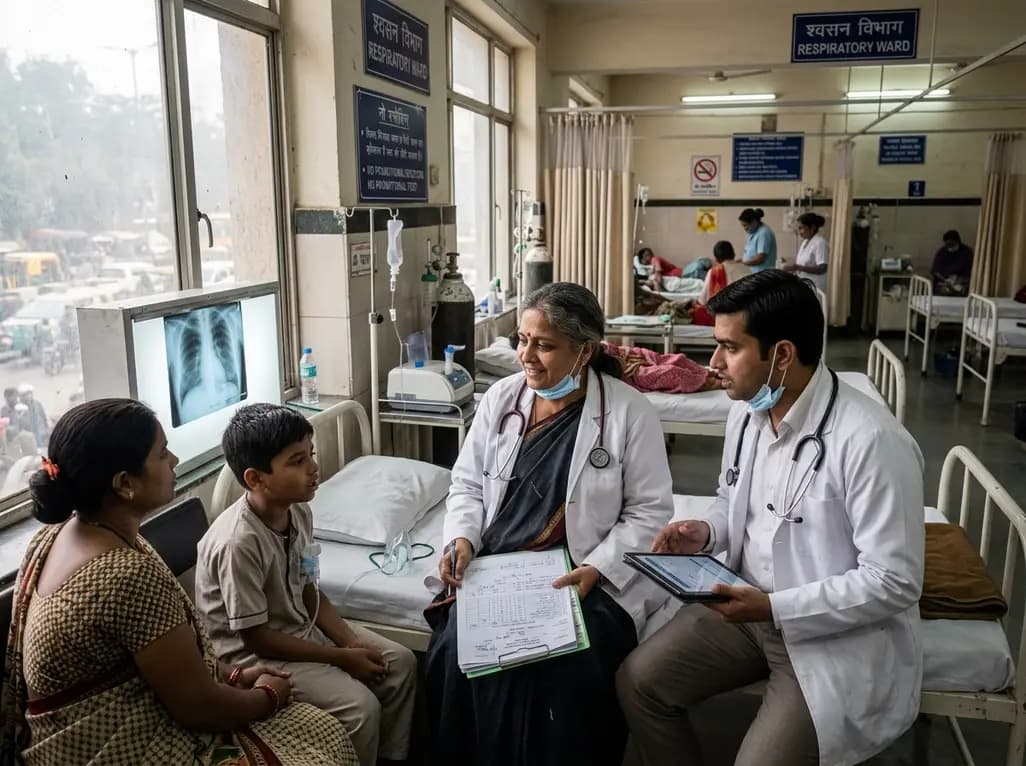
Ambient air pollution represents the leading environmental risk factor for premature mortality worldwide, contributing to approximately 7.9 million deaths annually. Furthermore, epidemiologists increasingly recognize that shifting meteorological patterns worsen these toxic exposures. This troubling interplay significantly escalates acute respiratory disease hospitalizations across developing economies. In countries like Brazil and India, rapid urbanization and agricultural burning create intense spikes in atmospheric particulates. Consequently, emergency departments face predictable seasonal surges of severe pulmonary decompensation. Therefore, understanding this dual environmental burden allows physicians to anticipate patient admissions effectively. Moreover, targeted clinical vigilance helps protect highly susceptible demographic groups from avoidable respiratory morbidity.
A recent comprehensive scoping review examined over one thousand investigations to evaluate how ambient air pollutants and climate variables influence pulmonary outcomes. Remarkably, the authors screened 129 rigorous studies and identified that over ninety percent reported direct positive associations with inpatient admissions. In addition, 112 investigations demonstrated statistically significant correlations between pollutant spikes and emergency presentations. The dominant diagnoses driving these admissions included acute lower respiratory tract infections, pneumonia, COVID-19, and severe asthma exacerbations. Particulate matter, nitrogen dioxide, and ground-level ozone repeatedly triggered acute airway hyperreactivity. Consequently, vulnerable patients presented with rapid functional decline that required immediate supplemental oxygen and inpatient stabilization. Furthermore, fluctuating ambient temperature and relative humidity markedly amplified these toxic pollutant effects. Cold air thermal inversions frequently trap particulate matter near ground level, creating toxic breathing zones. Conversely, extreme summer heat waves accelerate secondary ground-level ozone formation, which severely inflames human bronchial epithelium. Therefore, rigorous empirical literature demonstrates that ambient atmospheric hazards directly drive acute pulmonary deterioration.
Children represent the primary population suffering from environmental respiratory crises. Because pediatric airways possess smaller calibers and developing mucosal surfaces, inhaled environmental toxicants trigger intense mucosal inflammation. Furthermore, children breathe at higher minute ventilation rates per kilogram of body weight compared to healthy adults. Consequently, they inhale disproportionately higher doses of particulate matter and chemical irritants during outdoor playtime. The scoping review confirmed that pediatric pneumonia and bronchiolitis formed the majority of documented admissions. In addition, exposure to particulate matter impairs alveolar macrophage function, which drastically weakens innate host clearance against pathogens. As a result, common viral infections rapidly transform into severe lower respiratory tract illnesses. Older adults also experience immense vulnerability because preexisting cardiovascular and pulmonary disease reduces their baseline physiologic reserve. When toxic air pollution coincides with sudden cold snaps, elderly patients experience lethal chronic obstructive pulmonary disease exacerbations. Clinicians must therefore identify these distinct high-risk cohorts promptly during peak pollution seasons to institute preventative strategies.
The molecular mechanisms linking atmospheric hazards to acute respiratory failure involve complex synergistic pathways. Inhaled fine particulate matter penetrates deep into terminal bronchioles and alveoli, inducing profound localized oxidative stress. Furthermore, these foreign particles trigger alveolar epithelial cells to release inflammatory cytokines like interleukin-6 and tumor necrosis factor-alpha. Consequently, systemic inflammation escalates, promoting endothelial dysfunction and increased vascular permeability across pulmonary capillary beds. Concurrently, shifts in ambient humidity alter mucosal hydration and impair ciliary beat frequency. Thus, the respiratory tract loses its primary defense mechanism against inhaled microbial pathogens. Moreover, sudden ambient temperature drops cause reflex bronchoconstriction and reduce mucosal blood flow. This cold-induced ischemia limits local leukocyte migration, allowing opportunistic bacteria to establish deep pulmonary infections. When fine particulate matter binds airborne bacterial endotoxins, the cytotoxic insult multiplies substantially. As a result, patients experience severe alveolar exudation, severe ventilation-perfusion mismatch, and acute respiratory distress. Clinicians must recognize that weather fluctuations actively transform chemical air pollution into lethal tissue injury.
The epidemiological patterns documented in Brazil mirror the pressing environmental health challenges observed across India. Indian cities consistently register dangerous particulate matter concentrations that exceed standard international safety thresholds. Furthermore, seasonal crop residue burning and winter meteorological inversions trigger severe annual surges in hospital admissions across northern India. Indian pulmonologists and pediatricians witness dramatic escalations in severe viral bronchiolitis, community-acquired pneumonia, and brittle asthma attacks during these periods. Therefore, clinicians should incorporate local Air Quality Index alerts directly into routine patient counseling protocols. For example, physicians can advise high-risk patients to preemptively step up maintenance inhaled corticosteroids before expected air quality deterioration. In addition, clinicians must emphasize outdoor activity restriction and the consistent use of certified particulate-filtering respirators during severe smog episodes. Hospital administrators should also utilize regional environmental forecasts to allocate supplemental oxygen supplies and intensive care beds ahead of seasonal peaks. Consequently, integrating climate and environmental intelligence into hospital preparedness can substantially reduce preventable mortality.
Despite the overwhelming global burden of environmental lung disease, scientific research remains severely fragmented and inequitably distributed. The scoping review revealed that a single federative unit concentrated more than one-third of all published Brazilian studies. Moreover, only 42 municipalities represented the entire municipal-scale research output across the nation. This geographical asymmetry creates substantial epidemiological blind spots in rural and industrial areas where toxic exposures remain unmeasured. Similarly, Indian environmental health research concentrates predominantly on major metropolitan cities like Delhi, leaving vast semi-urban regions unstudied. Consequently, existing health policies often fail to reflect the unique occupational and environmental exposures facing rural populations. Furthermore, the lack of continuous ground-level monitoring stations prevents precise time-series modeling in vulnerable communities. Researchers must therefore adopt decentralized surveillance networks and utilize satellite-derived aerosol optical depth models. Ultimately, closing these structural data gaps will enable scientists and healthcare leaders to develop targeted interventions that safeguard vulnerable communities everywhere.
Particulate matter, particularly fine particles under 2.5 microns, shows the strongest association with acute respiratory hospital admissions. In addition, elevated concentrations of nitrogen dioxide and ground-level ozone directly irritate bronchial tissue and exacerbate chronic airway inflammation. Furthermore, sulfur dioxide emissions from industrial activity trigger rapid bronchospasm in susceptible individuals. Consequently, the simultaneous inhalation of these combined atmospheric pollutants induces severe epithelial damage, prompting rapid clinical decompensation in both children and elderly adults.
Children possess narrower airway calibers, incomplete alveolar development, and immature immune defense mechanisms. Furthermore, pediatric populations have significantly higher respiratory rates relative to their body weight, leading to greater systemic pollutant absorption. In addition, children spend extended periods engaging in outdoor physical activities during peak pollution hours. Consequently, toxic particulate matter easily bypasses nasal filtration, inducing intense lower airway inflammation. Therefore, viral respiratory infections frequently progress to severe pneumonia or bronchiolitis requiring hospital admission.
Clinicians should actively monitor local air quality indexes to guide personalized treatment plans for vulnerable respiratory patients. Furthermore, physicians can counsel asthmatic and pulmonary patients to step up maintenance anti-inflammatory therapies during severe pollution alerts. In addition, medical teams should advise high-risk individuals to stay indoors and use certified air purifiers. Consequently, proactive environmental tracking minimizes emergency exacerbations, enhances baseline pulmonary control, and empowers patients to mitigate unavoidable environmental health hazards effectively.
Disclaimer: This content is for informational and educational purposes only and does not constitute medical advice, diagnosis, or treatment. Healthcare professionals should exercise their independent clinical judgment when managing individual patient care. Refer to the latest local and national guidelines for clinical practice.
References

Read summarized clinical updates, watch expert medical content, and earn CME certifications right from your smartphone.
Open your smartphone camera to scan and install.





A landmark scoping review highlights the profound impact of air pollution and climate factors on respiratory disease hospitalizations. With children bearing the greatest burden, this analysis provides crucial clinical insights for managing acute pulmonary admissions and mitigating environmental health threats.
Today
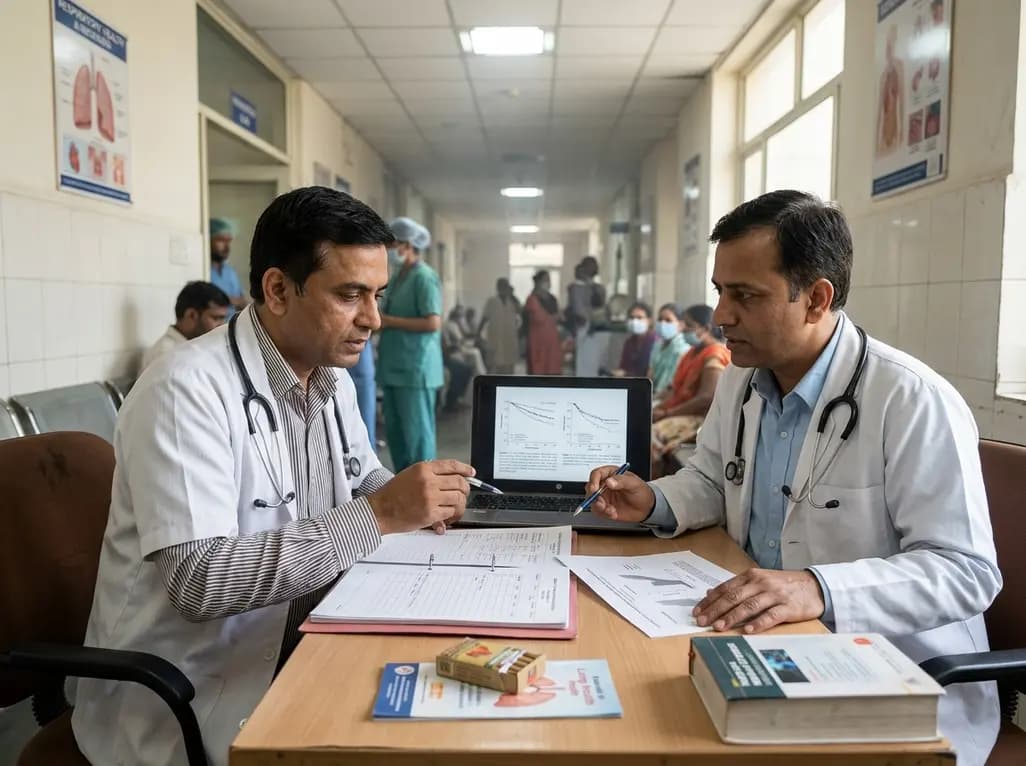
A large UK Biobank prospective study demonstrates that early-life tobacco smoke exposure significantly increases incident rheumatoid arthritis risk in adulthood. The association is mediated slightly by allostatic load and amplified substantially when combined with high polygenic risk.
Today
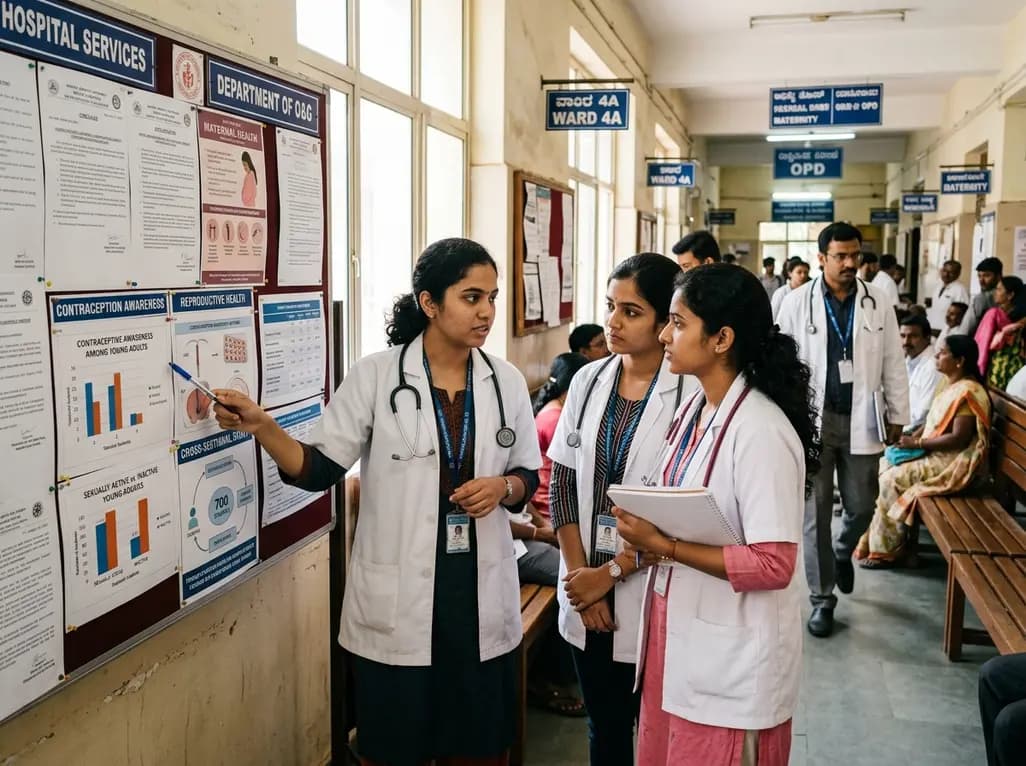
A cross-sectional study of 700 college students highlights significant contraceptive knowledge disparities between sexually active and inactive young adults. The findings demonstrate a critical need for proactive, comprehensive sexual health counseling before sexual debut.
Yesterday

An updated systematic review and meta-analysis of 7,875 patients reveals that routine microaxial left ventricular support during nonemergent high-risk PCI does not reduce mortality or ischemic complications, while significantly increasing major bleeding events.
Today

A biomechanical study evaluates how manual delivery trolleys influence spinal loading, muscle activation, and discomfort in courier workers, highlighting ergonomic prevention strategies for work-related musculoskeletal disorders.
Today

The SED-SEEN-SEEP consensus outlines an Integrated Care Pathway for preclinical type 1 diabetes, structuring target screening, autoantibody confirmation, metabolic staging, and proactive follow-up to prevent diabetic ketoacidosis and facilitate early disease-modifying intervention.
Today
