.webp&w=384&q=75)

Loading, please wait...
Loading, please wait...

Chronic pelvic pain management requires a fundamental shift from traditional organ-focused methods to a comprehensive musculoskeletal paradigm. Chronic pelvic pain (CPP) affects up to 24% of women worldwide, yet practitioners often overlook physical dysfunction during diagnosis. Because clinical presentations are complex, doctors must integrate thorough movement analysis with standard gynecological care. Consequently, identifying these underlying musculoskeletal issues early can significantly improve long-term patient health and quality of life.
Musculoskeletal dysfunction is present in most CPP cases. Therefore, a complete evaluation should include movement pattern analysis and a pelvic floor examination. Furthermore, clinicians must evaluate the abdominal wall, spine, and hip for potential pathology. Since first-line treatment with pelvic floor physical therapy demonstrates high efficacy, accurate diagnosis of these triggers is vital. When specialists identify physical barriers, they can offer more targeted and effective interventions.
Multidisciplinary teams optimize outcomes by providing coordinated treatment plans for complex patients. While individual therapies work, a team-based approach addresses the psychological and physical dimensions of pain simultaneously. This integration ensures that patients receive holistic care rather than fragmented treatments. However, several barriers hinder the implementation of these integrated models across clinical settings.
Despite the benefits, limited musculoskeletal education and insurance gaps restrict widespread implementation. Advocacy is necessary to expand medical curricula and promote systematic changes in healthcare. By prioritizing patient-centered care, systems can overcome these hurdles and provide better access to specialists. Ultimately, collaborative efforts will lead to more comprehensive solutions for those suffering from chronic pain.
Physical therapy addresses muscle hypertonicity and movement dysfunction, which are major contributors to persistent pelvic discomfort.
A typical team consists of gynecologists, physical therapists, pain specialists, and mental health professionals working together to manage symptoms.
Disclaimer: This content is for informational and educational purposes only. It does not constitute professional medical advice, diagnosis, or treatment. Always seek the advice of your physician or other qualified health provider with any questions you may have regarding a medical condition. Refer to the latest local and national guidelines for clinical practice.
References
Carey ET et al. Musculoskeletal Insights and Team-based Solutions for Chronic Pelvic Pain. Clin Obstet Gynecol. 2026 Jun 09. doi: 10.1097/GRF.0000000000001031. PMID: 42263299.
Lamvu G, Carrillo J, Ouyang C, Rapkin A. Chronic pelvic pain in women: a review. JAMA. 2021 Jun 15;325(23):2381-2391. doi: 10.1001/jama.2021.2631.
Engeler D et al. EAU Guidelines on Chronic Pelvic Pain. European Association of Urology Guidelines. 2024. Available at: https://uroweb.org/guidelines/chronic-pelvic-pain.

Read summarized clinical updates, watch expert medical content, and earn CME certifications right from your smartphone.
Open your smartphone camera to scan and install.





Chronic pelvic pain affects 24% of women. This guide explores musculoskeletal assessments and multidisciplinary care as essential solutions for better outco...
4 months ago

Failing to account for competing events like mortality in longitudinal geriatric studies produces biased risk estimates and misleading inferences. This review highlights key methodological principles, insights from the Precipitating Events Project, and practical approaches for clinical research appraisal.
Today

A study in JAMIA Open shows lightweight open-source reasoning LLMs achieve up to 95% sensitivity and accelerate evidence synthesis screening by nearly twentyfold, presenting a cost-effective, scalable AI solution for biomedical research and systematic reviews.
Today
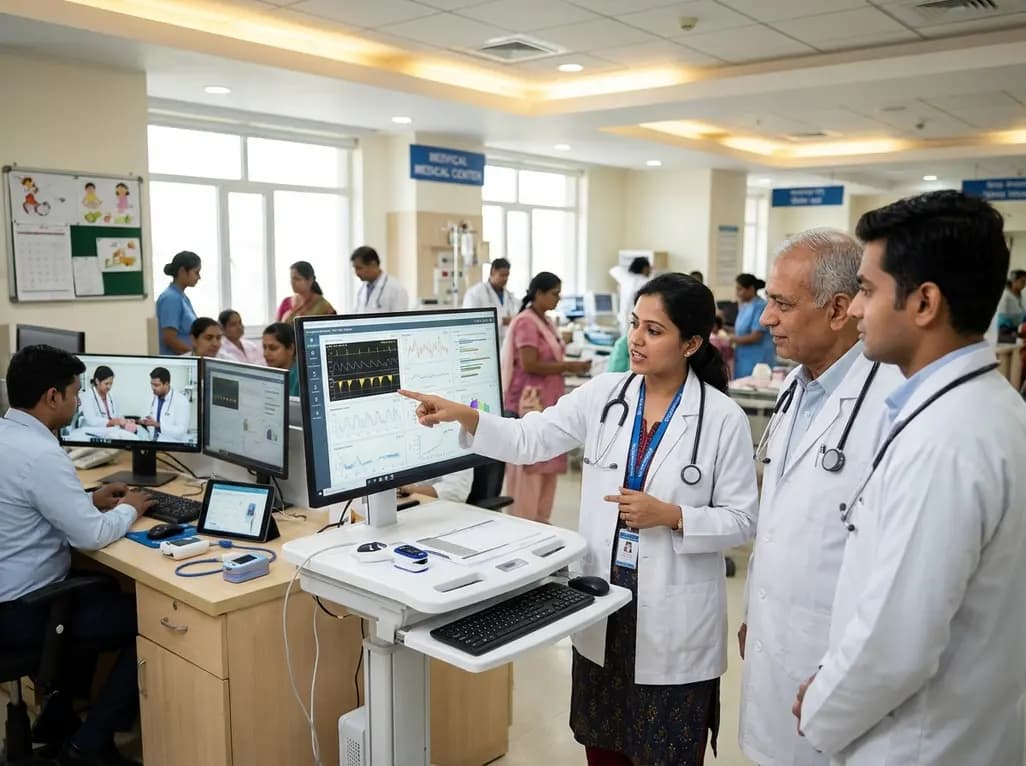
A landmark study details how an enterprise pediatric remote patient management model expanded from a single cardiology pilot to 16 diverse specialty programs by combining centralized digital operations with specialty clinical leadership.
Today
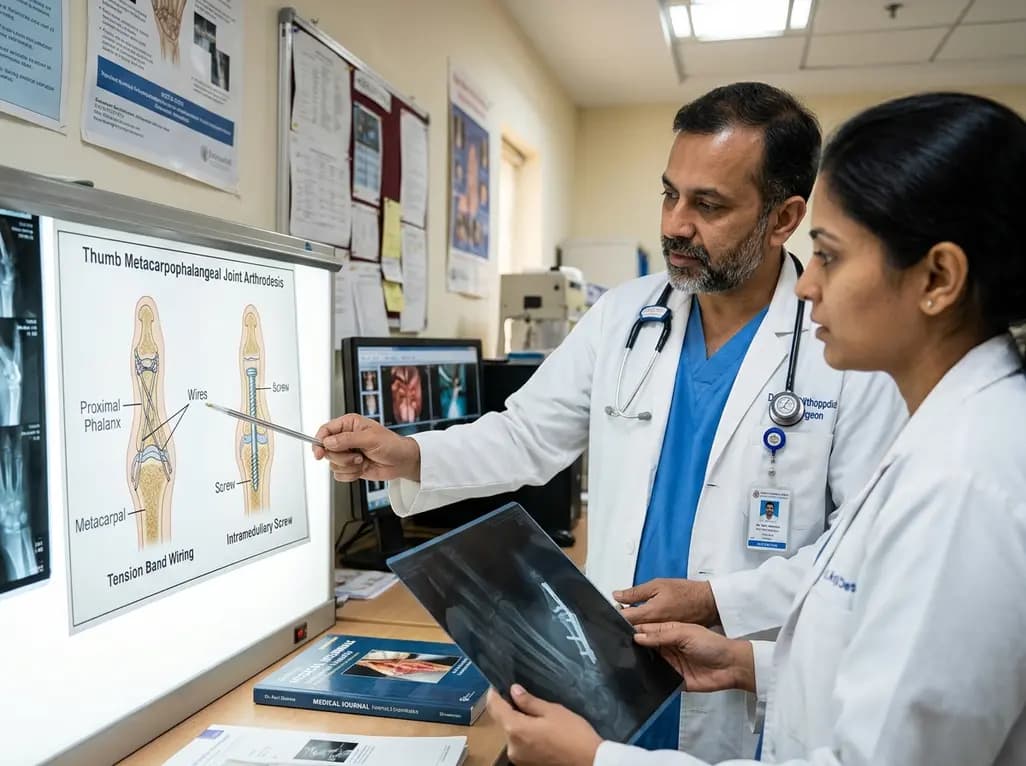
A comparative review of tension band wiring and intramedullary screw fixation in thumb metacarpophalangeal arthrodesis, evaluating union rates, hardware complications, and clinical outcomes.
Yesterday
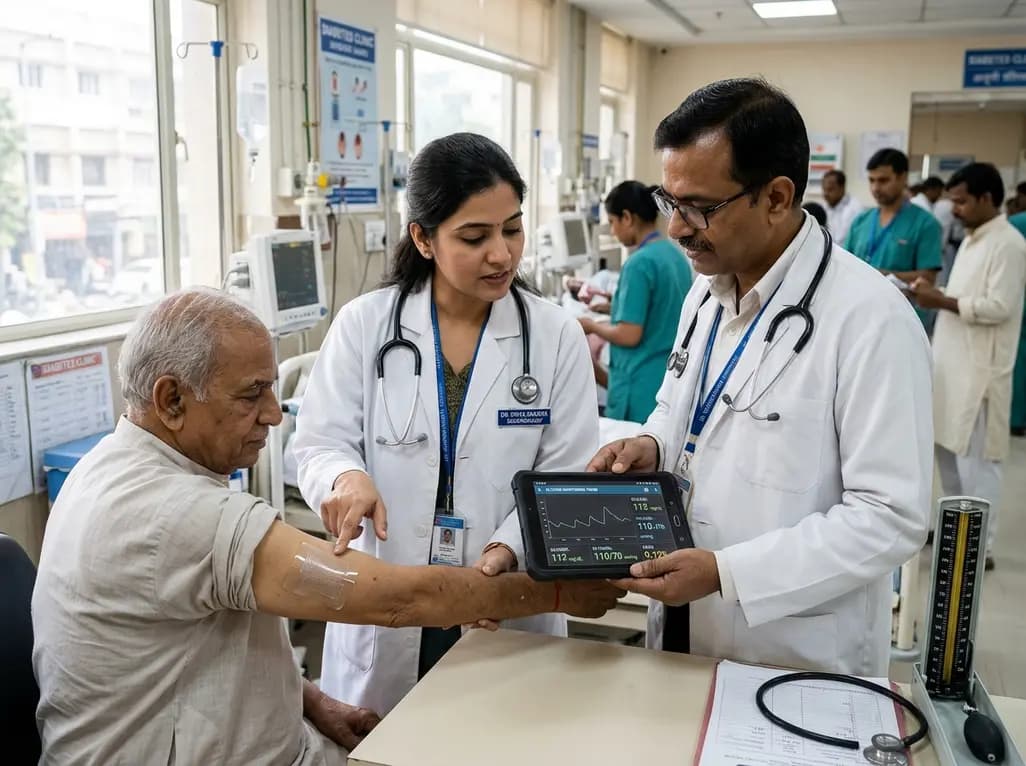
A breakthrough ultrathin multimodal sensor decouples physical hemodynamic monitoring from disposable electrochemical calibration, achieving long-term wearable glucose prediction with 81.36% accuracy and a 9.12% MARD. This offers a robust, drift-free solution for outpatient metabolic surveillance.
Yesterday
