.webp&w=384&q=75)

Loading, please wait...
Loading, please wait...
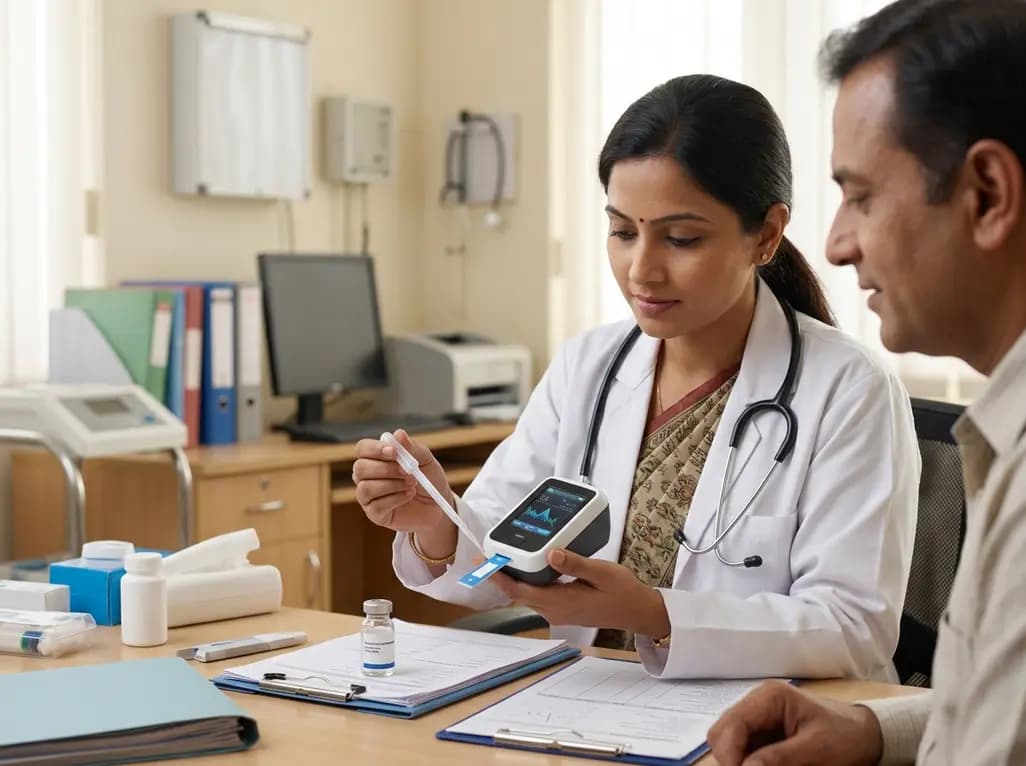
Chronic kidney disease remains a significant public health challenge in India, where the prevalence of renal dysfunction is steadily rising due to sedentary lifestyles and metabolic disorders. Traditionally, clinicians rely on serum creatinine and blood urea nitrogen to assess renal health. However, these markers often lack the sensitivity required to detect early physiological shifts or to monitor rapid changes in disease status. Consequently, the medical community is shifting focus toward novel diagnostic tools, such as the evaluation of cholinergic biomarkers in nephropathy. A groundbreaking study by Butkevicius and colleagues has recently introduced an electrochemical biosensor designed to measure cholinesterase activity with high precision. This innovation represents a major step toward real-time, point-of-care monitoring. By targeting specific enzymes like acetylcholinesterase and butyrylcholinesterase, healthcare providers can gain deeper insights into the inflammatory and neuro-hormonal pathways that drive kidney damage. This method not only enhances diagnostic accuracy but also offers a portable solution for clinics with limited laboratory infrastructure. Furthermore, understanding the role of the cholinergic system in organ crosstalk allows for a more holistic approach to managing nephropathy and associated systemic complications.
The core of this diagnostic advancement lies in the sophisticated design of the amperometric choline biosensor. This device utilizes an enzymatic membrane that incorporates choline oxidase, which facilitates the selective detection of choline in serum samples. To ensure high selectivity and prevent interference from other electroactive substances, researchers integrated an acetylated cellulose layer into the sensor’s architecture. Notably, the biosensor demonstrated a linear response range of 5 to 500 μM for choline, boasting a sensitivity of 32.2 μA/(mM cm). Such technical specifications are crucial for clinical reliability, as they allow for the detection of minute fluctuations in enzyme activity. Beyond simple choline measurement, the sensor was adapted for the determination of acetylcholinesterase and butyrylcholinesterase. The limits of detection achieved were impressive, reaching 0.003 U/ml and 0.005 U/ml, respectively. Additionally, the device exhibits remarkable stability, retaining 88% of its initial sensitivity even after 28 days of continuous use. This durability is particularly beneficial for resource-constrained settings in India, where long-term sensor reliability reduces the frequency and cost of equipment replacement. Therefore, this technology provides a robust platform for routine biochemical analysis.
Recent research indicates that the cholinergic system play a vital role in regulating the body's anti-inflammatory pathways. Specifically, cholinergic biomarkers in nephropathy, such as butyrylcholinesterase, serve as indicators of the systemic inflammatory state and liver-kidney crosstalk. In the study involving experimental rat models, researchers observed a progressive decrease in cholinesterase activity as the severity of nephropathy increased. This decline strongly correlates with established markers of kidney failure, such as elevated serum creatinine and urea concentrations. Moreover, the study highlighted a significant positive correlation between total protein levels and enzyme activity. Conversely, markers of inflammation like C-reactive protein and indicators of oxidative stress showed a negative correlation with cholinesterase levels. These findings suggest that monitoring these enzymes provides a more dynamic picture of disease progression than conventional markers alone. By identifying a reduction in cholinergic signaling, physicians might predict a worsening of the patient's condition before the glomerular filtration rate drops significantly. Consequently, these biomarkers act as early warning signals for renal deterioration, enabling timely intervention and personalized treatment strategies for patients at risk of chronic kidney failure.
To validate the clinical utility of the biosensor, researchers investigated two distinct experimental models: mild nephropathy induced by folic acid and advanced nephropathy induced by doxorubicin. These models represent different stages and etiologies of kidney injury commonly seen in clinical practice. The results were highly consistent, showing that the biosensor could accurately distinguish between mild and severe stages of the disease based on enzyme activity profiles. Specifically, doxorubicin-treated subjects, representing advanced nephropathy, exhibited significantly lower levels of butyrylcholinesterase compared to the mild folic acid group. Furthermore, the correlation between the biosensor’s readings and traditional colorimetric analysis was exceptionally high, with coefficients reaching 0.988 for total cholinesterase. This validation confirms that the electrochemical method is as reliable as standard laboratory techniques while being significantly faster. The study also explored how these enzymes reflect hepatotoxicity, which is a common comorbid condition in patients with advanced renal disease. As the kidneys fail, the systemic toxic environment often affects liver function, reflected in altered ALT and TBK-AP levels. The biosensor effectively captured these changes, proving its versatility as a multi-organ monitoring tool in experimental settings.
The development of portable and efficient tools for biochemical analysis is essential for improving healthcare delivery in India’s diverse clinical landscape. The proposed choline biosensor aligns perfectly with the requirements for point-of-care diagnostics. Its ability to provide rapid results from serum samples without the need for complex pre-treatment makes it an ideal candidate for bedside monitoring. Furthermore, the close association between cholinergic biomarkers in nephropathy and the severity of the disease suggests that these sensors could be used for regular screening of high-risk populations, such as those with diabetes or hypertension. By providing immediate feedback, clinicians can adjust medication dosages or implement lifestyle changes more effectively. Additionally, the low cost of production and the high stability of the enzymatic membrane suggest that this technology is scalable for mass production. In rural areas where access to large diagnostic centers is limited, such devices could bridge the gap in healthcare quality. Therefore, the integration of electrochemical biosensing into primary care could lead to a significant reduction in the burden of end-stage renal disease by facilitating early detection and more proactive management of patient health.
Looking forward, the success of this biosensor paves the way for a new generation of multi-profile diagnostic platforms. Researchers are already looking into expanding the capabilities of these sensors to include a wider array of biomarkers, potentially creating a "lab-on-a-chip" for renal and hepatic health. The integration of cholinergic markers into standard metabolic panels could redefine how we perceive organ dysfunction, moving from a siloed approach to a more integrated physiological view. Moreover, the advancements in nanotechnology and material science will likely further enhance the sensitivity and specificity of these devices. Digital health integration is another promising avenue, where biosensor data can be transmitted wirelessly to smartphones or electronic health records. This would allow for remote monitoring of patients, reducing the need for frequent hospital visits. In the context of India's Digital Health Mission, such innovations are timely and highly relevant. Ultimately, the focus on cholinergic biomarkers in nephropathy serves as a catalyst for broader changes in medical diagnostics, emphasizing speed, accuracy, and accessibility for all patients, regardless of their geographical location or economic status.
Research indicates that as nephropathy progresses from mild to severe stages, there is a consistent and progressive decrease in cholinesterase activity. This decline is closely linked to increasing levels of serum creatinine and urea. Therefore, monitoring cholinergic biomarkers in nephropathy provides a sensitive measure of how rapidly kidney function is deteriorating. It also reflects the body’s inflammatory status, which often worsens as renal health declines over time.
Electrochemical biosensors offer several key advantages, including faster response times, higher sensitivity, and greater ease of use at the point of care. Unlike traditional colorimetric assays that may require complex equipment and longer incubation periods, these sensors provide immediate digital readouts. Additionally, the biosensor used in this study maintains high stability for nearly a month, making it a cost-effective and reliable alternative for routine clinical monitoring in diverse settings.
Yes, the study found that cholinesterase and butyrylcholinesterase activity levels are negatively correlated with markers of hepatotoxicity, such as ALT and TBK-AP levels. Because the liver produces these enzymes, their reduction in the serum can indicate secondary liver stress caused by the systemic toxicity associated with nephropathy. Consequently, these cholinergic biomarkers in nephropathy serve as a dual-purpose indicator for both renal and hepatic health during disease progression.
Disclaimer: This content is for informational and educational purposes only. It is not intended to be a substitute for professional medical advice, diagnosis, or treatment. Always seek the advice of your physician or other qualified health provider with any questions you may have regarding a medical condition. Refer to the latest local and national guidelines for clinical practice.
References
Butkevicius M et al. Electrochemical Biosensor-Based Evaluation of Cholinergic Biomarkers in Experimental Nephropathy. Anal Chem. 2026 Jul 12. doi: 10.1021/acs.analchem.6c01440. PMID: 42437527.
Satoh M. Role of cholinergic system in chronic kidney disease. Kidney Int Rep. 2021;6(5):1220-1230.
Xu H, et al. Association between cholinesterase inhibitors and kidney function decline. Kidney Int. 2023;103(1):166-176.
"
Read summarized clinical updates, watch expert medical content, and earn CME certifications right from your smartphone.
Open your smartphone camera to scan and install.





A breakthrough study introduces an electrochemical biosensor for rapid evaluation of cholinergic biomarkers in nephropathy. By measuring ChE and BChE activity, this tool offers a sensitive way to track kidney disease progression and hepatotoxicity, potentially revolutionizing point-of-care diagnostics.
3 months ago

Novel glucose-responsive mPEG-PSA nanocarriers deliver insulin aspart on demand, achieving dual postprandial and basal glycemic control without hypoglycemia in diabetic models. This biomaterial breakthrough offers promising clinical implications for physiologic diabetes management.
Today
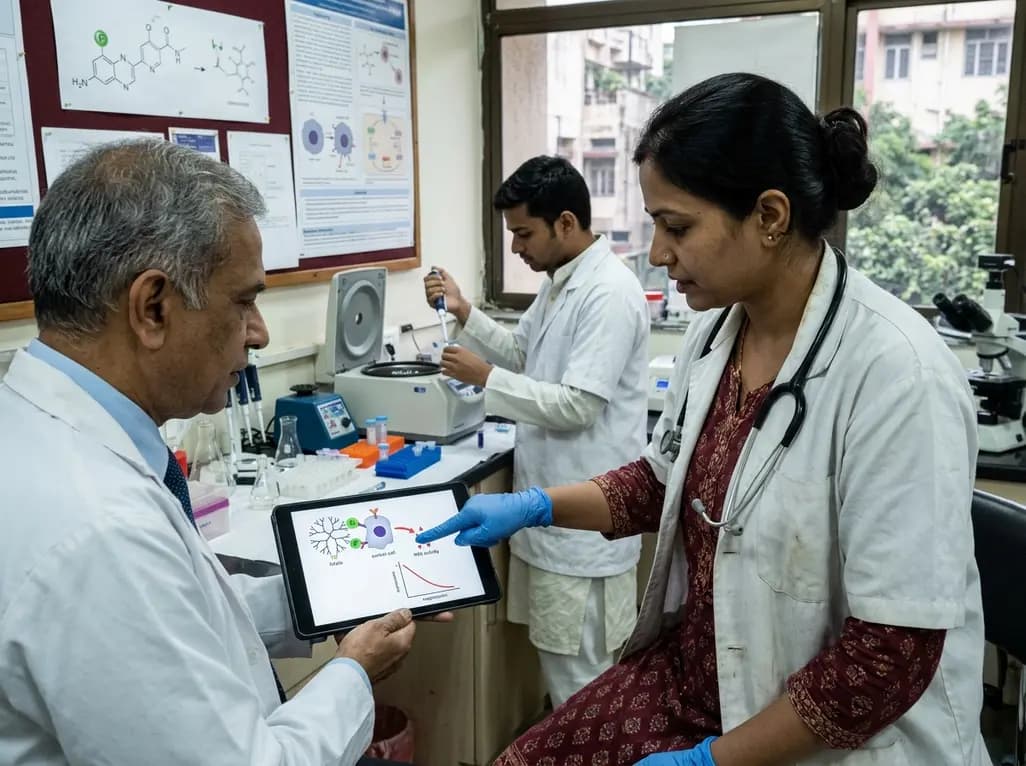
A novel folate-conjugated tecto-dendrimer nanoplatform successfully delivers siRNA to achieve targeted HK2 silencing, disrupting ovarian cancer glycolysis and suppressing lactate output.
Today
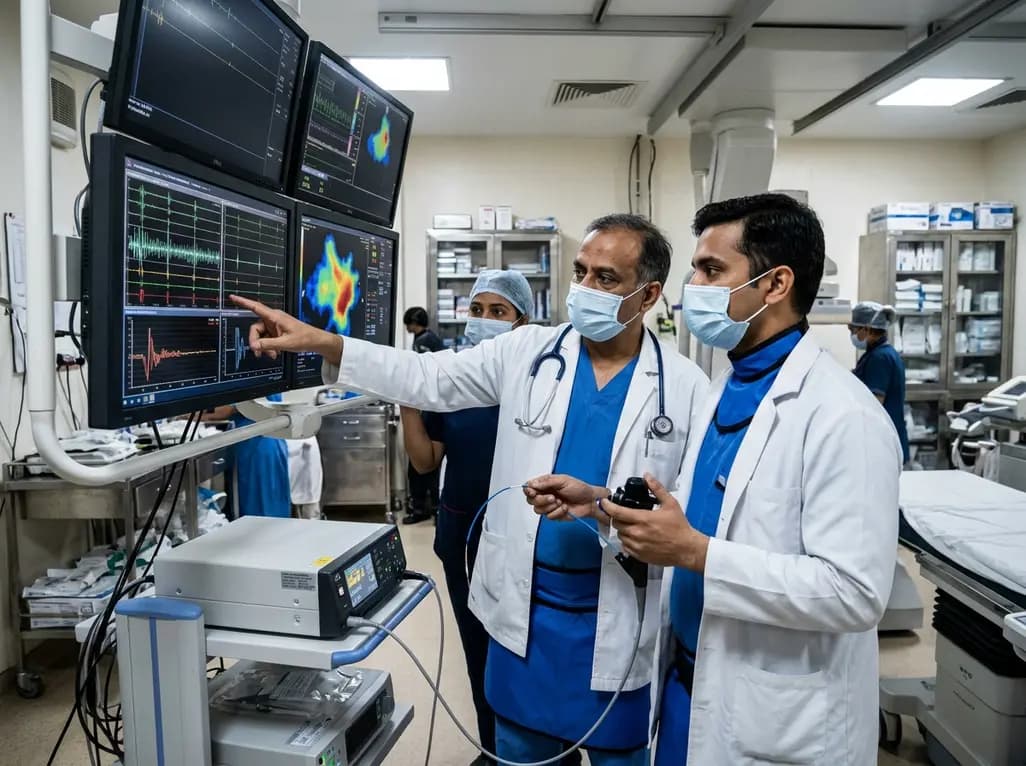
A comparative non-contact study reveals that high-power radiofrequency delivery with the QDOT MICRO catheter induces an artifactual contact force rise. Electrophysiologists must understand this power-dependent thermal and electrical phenomenon to avoid inadvertent catheter withdrawal and ineffective ablation.
Today
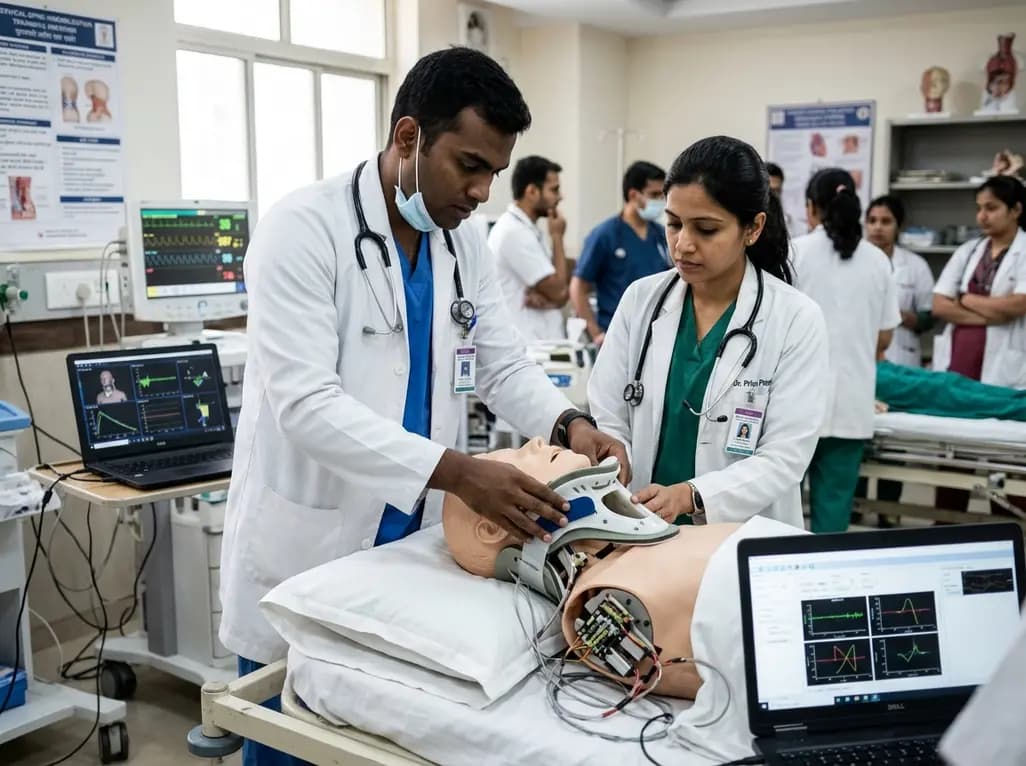
A novel proof-of-concept study presents a six-degree-of-freedom articulated manikin neck equipped with linear potentiometers. The system provides real-time kinematic motion feedback during cervical immobilisation, delivering sub-degree tracking accuracy to improve pre-hospital trauma training and patient safety.
Today

A retrospective comparative cohort study evaluated genitourinary safety in HFpEF between dapagliflozin and empagliflozin over six months. Rates of symptomatic UTI and asymptomatic bacteriuria showed no statistically significant differences, supporting comparable safety profiles across both SGLT2 inhibitors.
Today
