.webp&w=384&q=75)

Loading, please wait...
Loading, please wait...

Pediatric clinicians face evolving demographic patterns in complex illnesses. A comprehensive nationwide study from South Korea provides critical epidemiological insights into childhood life-limiting conditions. Researchers investigated longitudinal trends between 2012 and 2022 using national health databases. Moreover, they utilized sophisticated Bayesian projections to anticipate healthcare requirements through 2035. The findings reveal a dramatic 41.9% surge in age-standardised incidence alongside a concurrent decline in mortality. Consequently, these shifting figures indicate that more medically complex children are surviving longer. As pediatric survival improves, healthcare systems must rapidly reconfigure clinical care delivery. Modern pediatric medicine must therefore transition from fragmented crisis intervention toward integrated, long-term supportive care pathways.
The Korean nationwide registry demonstrated a striking upward trajectory in pediatric diagnostic incidence. Between 2012 and 2022, the age-standardised incidence jumped from 398.5 to 565.4 per 100,000 individuals. Meanwhile, the age-standardised mortality rate dropped from 7.2 to 5.8 per 100,000 individuals. Thus, modern medical technologies allow medically fragile infants to survive conditions that once caused early death. Advanced neonatal intensive care units now rescue extremely premature neonates effectively. Furthermore, pediatric surgeons correct severe congenital anomalies with unprecedented precision. Pediatric subspecialists also utilize novel pharmaceutical agents and mechanical respiratory technologies to sustain organ function. However, this remarkable clinical success creates a growing cohort of children with lifelong health vulnerabilities. These young patients require frequent hospital admissions, complex pharmacological regimens, and sustained technological assistance. Consequently, healthcare institutions experience heightened demands on pediatric intensive care beds and specialized outpatient clinics. Clinicians must recognize that survival alone does not equate to complete physiological recovery. Instead, long-term survival introduces chronic multisystem vulnerabilities and significant caregiver burdens. Pediatric teams must therefore develop early surveillance strategies to identify these vulnerable patients promptly.
One of the most consequential findings centers on the stark division between diagnostic categories. In 2022, non-cancer conditions exhibited a 5.43-fold higher incidence than childhood malignant neoplasms. Furthermore, non-cancer conditions generated a 1.16 times higher mortality rate than pediatric cancer. Historically, health systems structured pediatric palliative programs primarily around oncology services. However, this observational data confirms that non-malignant disorders represent the overwhelming majority of childhood palliative needs. These non-cancer conditions encompass severe neuromuscular diseases, chromosomal abnormalities, metabolic errors, and complex neurodisabilities. Pediatric oncologists possess well-defined treatment protocols with predictable prognostic trajectories. In contrast, non-cancer disorders follow prolonged, unpredictable clinical pathways marked by episodic physiological crises. Clinicians often struggle to identify exact prognostic windows for non-cancer patients because their health fluctuates unpredictably. Consequently, many children miss timely supportive consultations during the earlier stages of their illness. Healthcare leaders must therefore reshape pediatric care structures to incorporate non-cancer complex illnesses. Expanding specialized services ensures that every medically fragile child receives comprehensive palliative support regardless of the underlying primary diagnosis.
The nationwide investigation revealed persistent demographic disparities across biological sex and geographic regions. Interestingly, researchers observed consistently higher incidence rates among females throughout the eleven-year study period. Although the underlying genetic or biological mechanisms require further clinical elucidation, this pattern demands targeted epidemiological tracking. Geographic disparities also presented distinct clinical implications for health service planners. Overall mortality declined across urban centers, but non-metropolitan areas demonstrated a concerning reversal during the COVID-19 pandemic. Previously declining mortality rates in non-metropolitan territories began rising during the global health crisis. Although this regional increase lacked statistical significance, it underscores the precarious nature of rural pediatric services. Metropolitan centers maintain concentrated pediatric critical care units and multidisciplinary rehabilitation teams. In contrast, rural hospitals often experience severe shortages of trained pediatric intensivists and home nursing personnel. Travel restrictions and pandemic disruptions disproportionately affected families residing outside metropolitan hubs. As a result, geographically isolated children faced delays in acute interventions and routine monitoring. Health authorities must establish regional clinical networks to safeguard vulnerable rural pediatric populations against systemic health disruptions.
To anticipate future pediatric healthcare requirements, researchers applied a Bayesian age-period-cohort model. Using integrated nested Laplace approximation, they projected epidemiological trends forward to the year 2035. The projections suggest that the age-standardised incidence will stabilize at approximately 551.5 per 100,000 individuals. Additionally, the age-standardised mortality rate will reach approximately 5.7 per 100,000 individuals. These sustained high incidence levels indicate that pediatric life-limiting illnesses will remain a permanent structural demand. Healthcare administrators cannot treat these complex disorders as temporary clinical surges. Instead, health systems must allocate dedicated budgets for chronic pediatric management. Surviving infants will inevitably transition through childhood into adolescence and young adulthood. Consequently, adult health services will inherit an unprecedented cohort of medically complex young patients. Adult clinicians currently lack comprehensive training in managing childhood-onset rare congenital and neurodevelopmental conditions. Furthermore, adult facilities often fail to provide the multidisciplinary family-centered support common in pediatric institutions. Health planners must therefore build robust transitional care pathways between pediatric and adult departments. Investing in integrated infrastructure today prevents devastating disruptions in care continuity tomorrow.
The findings provide vital lessons for healthcare systems worldwide, including resource-limited and developing healthcare landscapes. In many countries, palliative medicine remains heavily concentrated on adult oncology wards. Clinicians frequently associate palliative interventions solely with end-of-life care and imminent mortality. However, childhood palliative care focuses on maximizing functional quality of life from diagnosis onward. Pediatric palliative specialists provide rigorous pain control, dyspnea relief, nutritional optimization, and psychological counseling. Moreover, multidisciplinary teams coordinate complex home medical technology, including portable ventilators and enteral feeding tubes. Early palliative integration reduces emergency department visits and prevents unnecessary invasive interventions during acute decompensation. Additionally, structured advance care planning aligns clinical interventions with family values and the child's comfort. National healthcare policymakers must establish comprehensive disease surveillance systems to monitor these vulnerable cohorts. Training primary care pediatricians, nurses, and family physicians in foundational palliative skills will expand community access. Ultimately, establishing equitable pediatric palliative networks ensures that every fragile child lives with comfort, support, and dignity.
Childhood life-limiting conditions represent illnesses where premature death is anticipated, even if life extends across years. Consequently, these encompass severe congenital anomalies, neurological disorders, chromosomal abnormalities, metabolic diseases, and pediatric cancers. Unlike terminal adult care, pediatric palliative medicine intervenes from the point of initial diagnosis. Therefore, clinicians must deliver concurrent disease-directed treatments alongside symptom control and psychosocial care. This dual approach substantially enhances quality of life for fragile children and their supporting families.
Non-cancer conditions expand rapidly because modern neonatal and pediatric intensive care technologies save medically fragile infants. Consequently, children with severe congenital anomalies, genetic syndromes, and complex neurodisabilities survive far longer today. In contrast, pediatric cancer incidence remains relatively stable, while oncological therapies achieve impressive cure rates. Therefore, non-oncological complex chronic conditions increasingly dominate the chronic pediatric patient population, creating substantial demands for long-term supportive medical services and home care coordination.
Regional disparities affect mortality because non-metropolitan sectors frequently lack specialized pediatric subspecialists, pediatric intensive care beds, and multidisciplinary palliative teams. Additionally, transportation barriers impede urgent medical access during acute physiological deterioration. Health crises like the COVID-19 pandemic further disrupted regional outpatient surveillance and fragile home healthcare services. Consequently, non-metropolitan pediatric mortality trends reversed during the pandemic, highlighting the urgent requirement for decentralized palliative networks and expanded telemedicine infrastructure.
Disclaimer: This content is for informational and educational purposes only... Refer to the latest local and national guidelines for clinical practice.
References

Read summarized clinical updates, watch expert medical content, and earn CME certifications right from your smartphone.
Open your smartphone camera to scan and install.





A nationwide Korean study reveals a sharp rise in childhood life-limiting conditions alongside falling mortality, driven predominantly by non-cancer diagnoses. These epidemiological findings highlight the urgent global imperative to scale pediatric palliative care and surveillance infrastructure.
Today
A Global Burden of Disease 2021 analysis reveals an increasing incidence of NASH-associated hepatocellular carcinoma worldwide, particularly in high-SDI nations. As population aging and metabolic risks accelerate, clinicians must implement structured screening and early intervention protocols to curb liver mortality.
Today
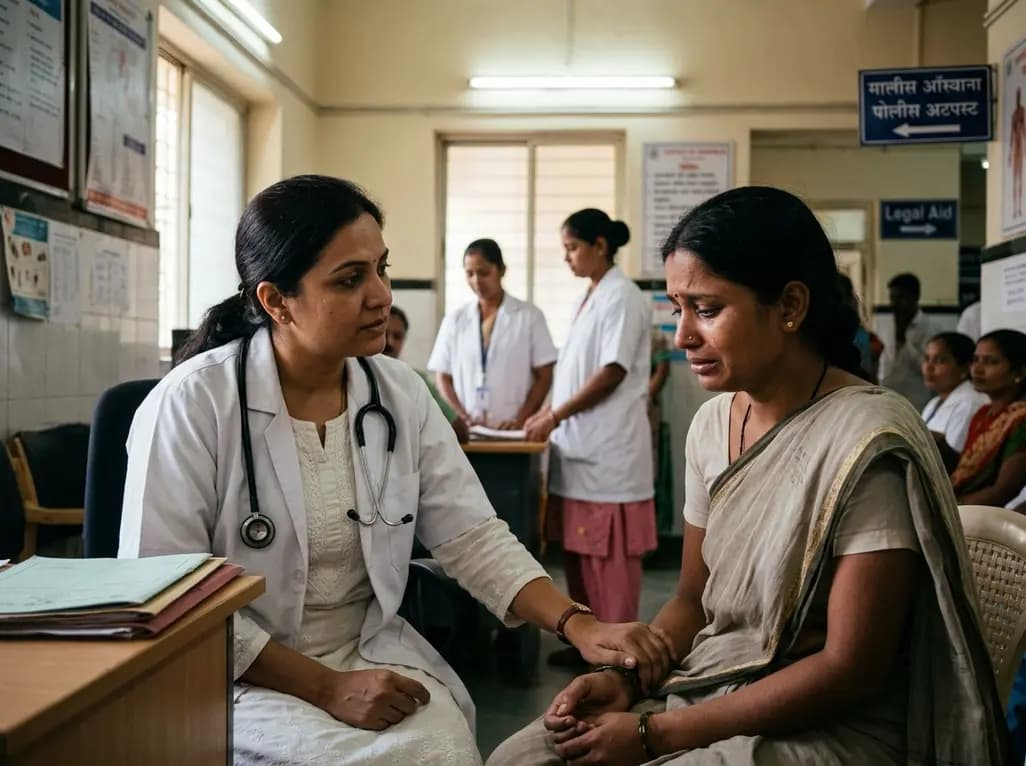
A recent qualitative study evaluates institutional gaps across health, police, and justice sectors in supporting survivors of intimate partner violence. Healthcare providers must bridge procedural fragmentation with empathetic, trauma-informed care and cross-sector coordination to safeguard vulnerable patients.
Today
The Delhi High Court recently quashed an FSSAI order requiring beverage manufacturers to remove the term 'energy' from product labels without due process. This development brings renewed clinical focus to beverage terminology, consumer safety limits, cardiovascular strain, and youth dietary habits across India.
Today

A cross-sectional study reveals a strong positive correlation between problematic internet use and kinesiophobia in adults aged 18-45 with non-specific low back pain, highlighting how digital overuse reinforces movement fear and complicates musculoskeletal recovery.
Today
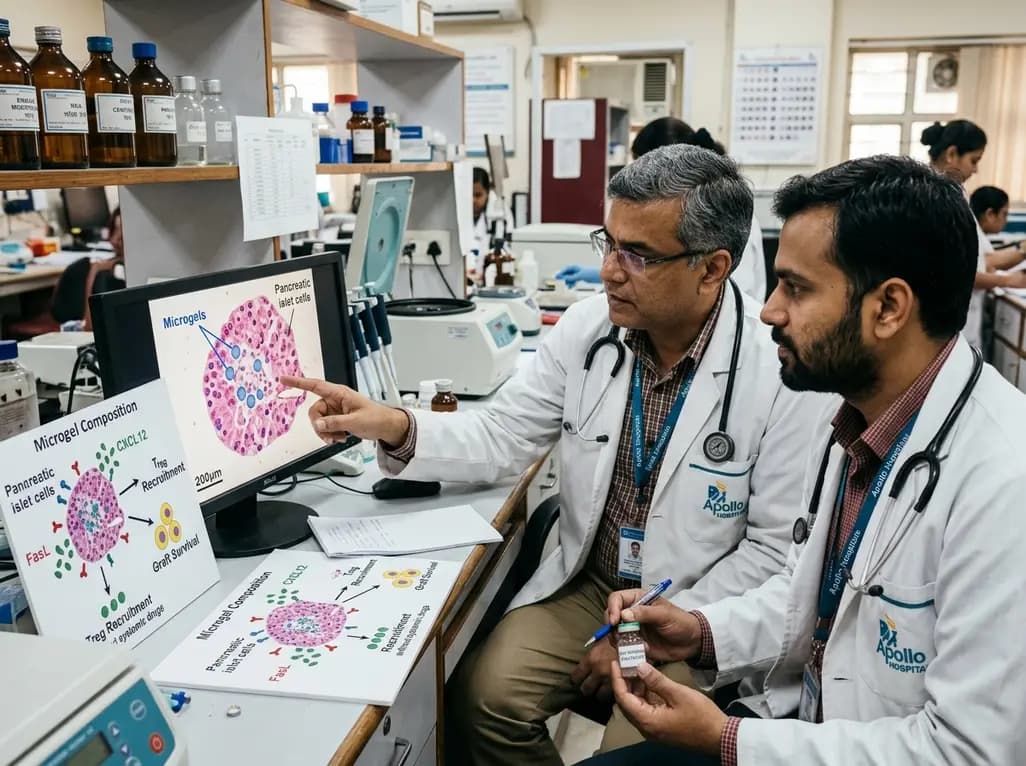
A novel microgel platform presenting FasL and protease-resistant CXCL12 enables sustained allogeneic islet survival and glycemic control without systemic immunosuppression, enhancing local Treg recruitment and graft revascularization.
Today
