.webp&w=384&q=75)

Loading, please wait...
Loading, please wait...

Childhood emotional support serves as a critical foundation for long-term psychological well-being. A recent study involving 114 college students highlights how these protective childhood experiences (PCEs) facilitate adaptive coping during the high-stress transition to university life. By examining facets like home stability and parental education, researchers found that emotional nurturance specifically predicts better emotional regulation in young adults. This support helps students navigate the complex social and academic demands of the first year of college.
Furthermore, the study indicates that individuals with higher levels of childhood emotional support show increased positive affect. This emotional buffer helps students maintain psychological stability even during periods of intense academic pressure. Consequently, these findings suggest that early emotional interventions could significantly reduce the risk of mental health crises. Moreover, the frequency of adaptive coping behaviors was notably higher in students who reported a supportive upbringing. Therefore, fostering secure emotional environments at home is essential for developing future resilience.
Recent research in the Indian context also underscores the importance of benevolent childhood experiences. Although many students face extreme academic expectations, those with a supportive family background navigate these challenges more effectively. Specifically, the ability to buffer against stress-related variability in positive emotion is a key outcome of early nurturance. Clinicians should recognize that assessing a patient's early support system can provide vital clues to their current coping capacity. Strengthening family bonds remains a primary preventive measure for youth mental health.
It provides a vital emotional buffer that enhances psychological resilience. This support facilitates adaptive coping behaviors, allowing students to maintain a more positive outlook during stressful academic transitions.
Yes, extensive research suggests that PCEs can significantly mitigate the long-term impact of adverse childhood experiences. High levels of emotional support build foundational strengths that promote significantly better mental health outcomes in adulthood.
Disclaimer: This content is for informational and educational purposes only. It does not constitute professional medical advice, diagnosis, or treatment. Always seek the advice of your physician or other qualified healthcare provider with any questions you may have regarding a medical condition. Refer to the latest local and national guidelines for clinical practice.
References

Read summarized clinical updates, watch expert medical content, and earn CME certifications right from your smartphone.
Open your smartphone camera to scan and install.





A new study reveals that childhood emotional support significantly improves coping mechanisms and positive affect in college students. This early foundation acts as a buffer against academic stress and emotional volatility during the transition to higher education.
4 months ago
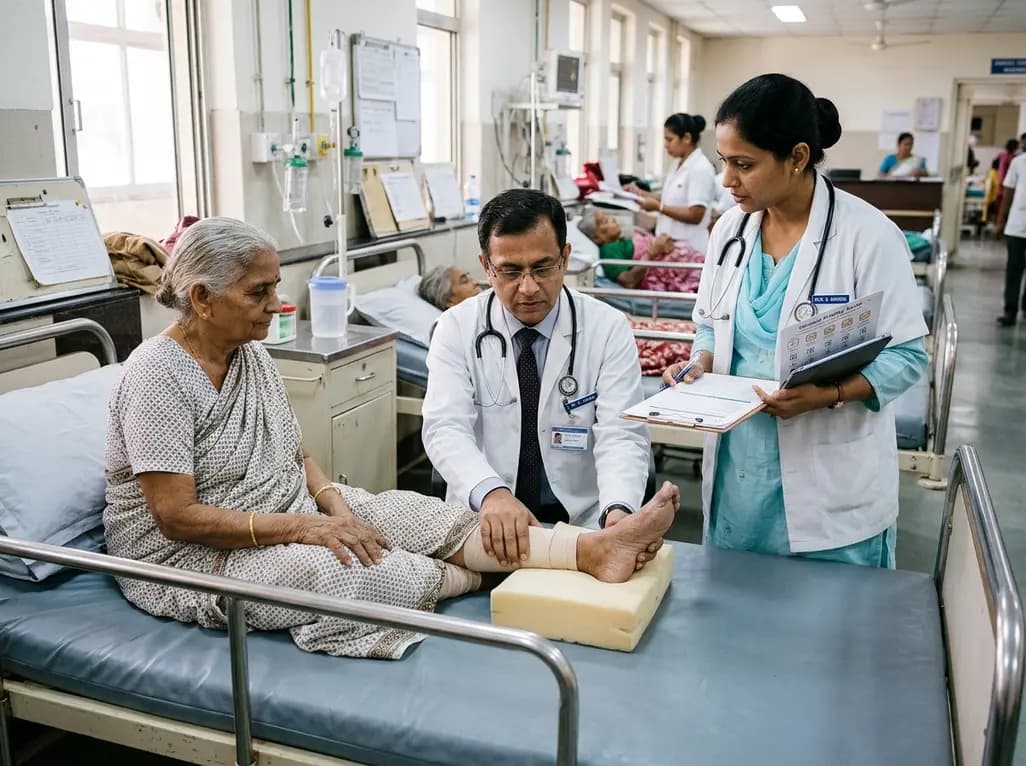
A retrospective cohort study reveals that frailty quadruples the odds of pressure injuries in hospitalized older adults. Integrating the Clinical Frailty Scale with comprehensive geriatric care is crucial for identifying vulnerability early and implementing targeted multidisciplinary prevention.
Today

Occult maternal malignancy accounts for 3.82% of persistent unreportable NIPT results with genomic noise. Multiple chromosomal aberrations, notably on chromosome 18, warrant thorough oncological evaluation and whole-body MRI to ensure timely maternal diagnosis while preserving fetal care.
Today

This article reviews the forensic and clinical complexities of acute myocarditis arising on left ventricular hypertrophy in children, highlighting early diagnostic red flags and multidisciplinary postmortem autopsy protocols.
Today
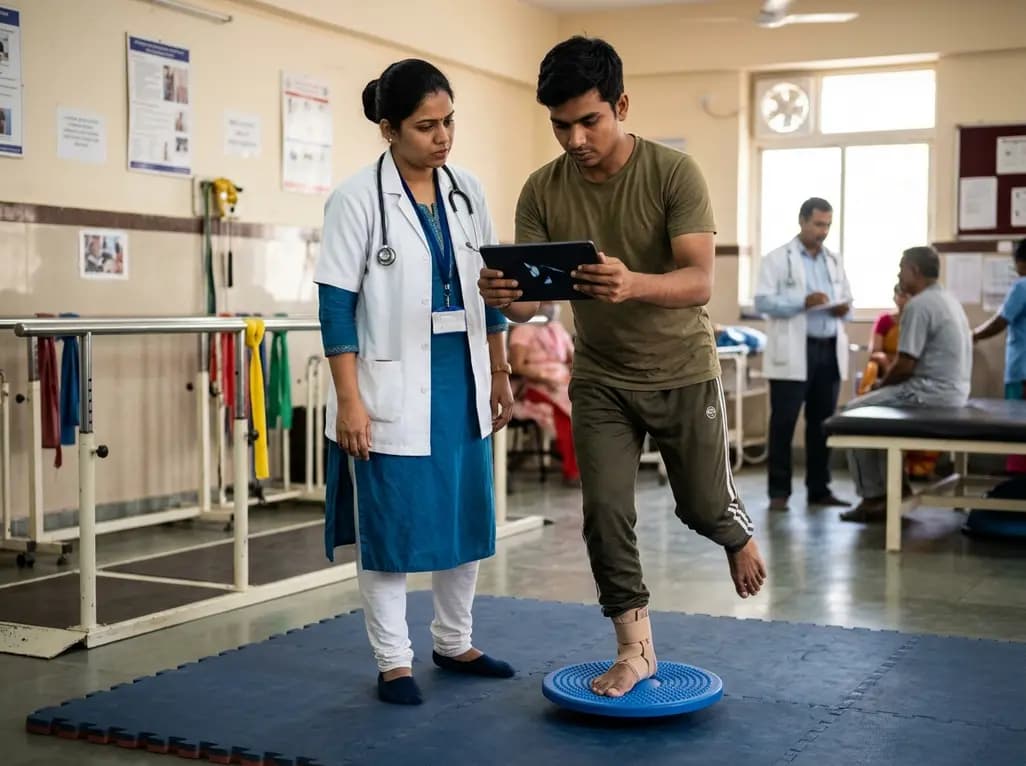
A randomized controlled trial demonstrates that an eight-week dual-task training intervention significantly improves static and dynamic postural control over standard balance exercises in individuals with chronic ankle instability, addressing critical neurocognitive deficits during athletic and daily activities.
Today

A retrospective cohort study of 7,716 ICU patients from the MIMIC-IV database demonstrates that Gradient Boosting Decision Trees significantly outperform traditional SOFA scores in predicting in-hospital mortality among patients with sepsis and diabetes, with SHAP analysis providing clinical interpretability.
Today
