.webp&w=384&q=75)

Loading, please wait...
Loading, please wait...

The Union Health Ministry has recently taken decisive public health action following a severe Chandipura virus outbreak across western India. The surge has led to a significant increase in pediatric mortality and hospital admissions, particularly in Gujarat and neighboring districts of Rajasthan. Consequently, central authorities have mobilized top scientific and epidemiological resources to contain viral spread and strengthen clinical management protocols. The Integrated Disease Surveillance Programme (IDSP) and the National Centre for Disease Control (NCDC) maintain continuous field monitoring alongside State Surveillance Units. Furthermore, the activation of the Public Health Emergency Operations Centre (PHEOC) provides centralized real-time coordination for rapid field assessments. Healthcare providers, pediatricians, and emergency medicine clinicians must remain vigilant as epidemiologists track transmission patterns and vector activity. Understanding the clinical spectrum of Chandipura vesiculovirus infection is paramount for early diagnostic suspicion and prompt intensive intervention. Because the pathogen predominantly strikes young children and causes rapid neurological deterioration, proactive clinical awareness remains the primary defense against adverse outcomes. This comprehensive update outlines the central response mechanisms, epidemiological investigations, clinical features, diagnostic pathways, and vector management protocols essential for healthcare practitioners managing potential cases on the front lines.
To contain the escalating Chandipura virus outbreak, the Union Ministry of Health and Family Welfare deployed a multidisciplinary National Joint Outbreak Response Team (NJORT) to affected regions. This expert team unites specialists from the National Centre for Disease Control (NCDC), the Indian Council of Medical Research (ICMR), and the Department of Animal Husbandry and Dairying (DAHD). Consequently, the response integrates human health, vector biology, and veterinary surveillance into a unified One Health framework. In Gujarat, health officials recorded 22 pediatric fatalities with 35 confirmed positive cases out of 184 suspected infections. Meanwhile, Rajasthan reported two fatalities linked to the pathogen, prompting enhanced border surveillance and vector suppression efforts across adjacent western districts. The multidisciplinary team conducts thorough field assessments to assist local health authorities with diagnostic coordination, clinical protocols, and vector control strategies. Furthermore, experts are reviewing local hospital preparedness, emergency pediatric bed capacity, and critical care drug supplies across high-burden districts. By evaluating ground conditions directly, the central team aims to formulate targeted recommendations that enhance containment measures. Therefore, this coordinated inter-agency strategy ensures immediate operational support while systematically investigating potential environmental and animal reservoirs contributing to localized disease transmission.
Chandipura vesiculovirus belongs to the Rhabdoviridae family and is primarily transmitted to humans through the bites of infected phlebotomine sandflies. However, ongoing field investigations are re-evaluating the potential involvement of secondary vector species. Research teams are actively collecting and testing sandflies, mosquitoes, ticks, and mites across affected rural and semi-rural areas. Historically, sandflies thrive in warmth and humidity, making monsoon and post-monsoon months peak periods for vector activity. Additionally, the multi-institutional probe is examining potential animal reservoirs. Investigators are screening livestock, including cattle, buffaloes, and goats, to establish whether domestic animals harbor the virus and sustain local transmission cycles. To assess viral evolution, geneticists at the Gujarat Biotechnology Research Centre (GBRC) in Gandhinagar are conducting whole-genome sequencing on clinical and vector isolates. Furthermore, community-based serological surveys are underway to estimate the true prevalence of asymptomatic infections within affected populations. Because asymptomatic spread can mask actual viral circulation, serosurveys yield critical data regarding population immunity and exposure rates. Ultimately, identifying precise transmission dynamics and vector habits will guide targeted environmental control measures, such as indoor residual spraying and localized larvicidal applications, effectively breaking the vector-to-human transmission chain in high-risk zones.
Chandipura virus infection manifests across a broad clinical spectrum, ranging from mild acute febrile illness to rapidly progressive Acute Encephalitis Syndrome (AES). Significantly, children under 15 years of age account for the vast majority of symptomatic cases and severe complications. The disease usually begins abruptly with high-grade fever, accompanied by severe headache, generalized malaise, vomiting, and abdominal discomfort. However, the defining characteristic of severe Chandipura virus infection is its astonishingly rapid neurological progression. Within 24 to 48 hours of initial symptom onset, pediatric patients frequently develop severe neuroinflammatory signs, including altered sensorium, severe lethargy, generalized convulsions, and coma. Rapid breach of the blood-brain barrier triggers intense neuroinflammation, cerebral edema, and cytokine-mediated neuronal damage. Consequently, delayed medical evaluation drastically increases the risk of mortality or long-term neurological sequelae. Clinicians working in endemic or border districts must maintain high clinical suspicion for any child presenting with sudden high fever and vomiting. Emergency triage protocols should prioritize immediate pediatric assessment whenever neurological signs appear. Furthermore, distinguishing Chandipura encephalitis from other causes of viral encephalitis, such as Japanese encephalitis or enteroviral infections, requires prompt laboratory evaluation alongside immediate neuroprotective and supportive intervention.
The nationwide investigative effort relies on collaborative research across premier national institutions working alongside state health departments. Participating bodies include the ICMR-National Institute of Epidemiology in Chennai, the ICMR-National Institute of Vector Control Research in Puducherry, and the ICMR-National Institute of Virology in Pune. Additionally, experts from the ICMR-National Institute for Pre-Clinical Research in Hyderabad and the ICAR-National Institute of Veterinary Epidemiology and Disease Informatics in Bengaluru contribute vital technical expertise. This nationwide network operates alongside India's 15-hospital Acute Encephalitis Syndrome Surveillance Network to streamline case identification and diagnostic testing. Active surveillance targets all clinical presentations of Acute Febrile Illness and Acute Encephalitis Syndrome across hospital facilities in Gujarat and Rajasthan. Diagnostic confirmation relies on real-time reverse transcription-polymerase chain reaction (RT-PCR) testing to detect viral RNA in serum or cerebrospinal fluid samples collected during the acute phase. Additionally, IgM capture ELISA tests identify specific antibodies in secondary laboratory evaluations. Continuous surveillance enables public health authorities to detect emerging clusters early, track geographical expansion, and evaluate public health interventions in real time. Consequently, this multi-institutional framework establishes robust epidemiological benchmarks for long-term disease monitoring.
Currently, no approved specific antiviral medication or prophylactic vaccine exists for Chandipura virus infection. Therefore, clinical management relies entirely on aggressive, high-quality supportive care and rapid stabilization within pediatric intensive care units. Immediate therapeutic priorities include maintaining airway patency, ensuring optimal oxygenation, and maintaining hemodynamic stability through judicious fluid management. Controlling raised intracranial pressure is critical to prevent cerebral herniation and irreversible brain damage. Clinicians utilize hypertonic saline or mannitol alongside head elevation to mitigate cerebral edema. Furthermore, prompt control of seizure activity using intravenous anticonvulsants, such as levetiracetam or fosphenytoin, is essential to minimize secondary neuronal injury. Antipyretics, specifically paracetamol, should be administered to control fever, while non-steroidal anti-inflammatory drugs are avoided due to potential metabolic or hemorrhagic complications. Furthermore, monitoring for secondary bacterial infections, electrolyte imbalances, and multi-organ dysfunction remains imperative throughout intensive care stays. Early referral of suspected acute encephalitis cases from primary health centers to tertiary hospitals with pediatric intensive care capacity significantly improves survival outcomes. Consequently, healthcare providers must emphasize early clinical recognition, rapid transport, and protocolized supportive management to combat this severe viral threat effectively.
Q1: What is Chandipura virus and why is it particularly dangerous for pediatric populations?
Chandipura virus is an RNA pathogen belonging to the Rhabdoviridae family, transmitted mainly by phlebotomine sandflies. It predominantly affects children under 15 years of age, causing rapid neuroinvasion and Acute Encephalitis Syndrome. The disease is dangerous because neurological progression occurs within 24 to 48 hours of symptom onset, leading to high fever, convulsions, coma, and elevated mortality if intensive supportive care is not administered immediately.
Q2: How are central and state agencies managing the current Chandipura virus outbreak?
Central and state authorities have deployed the National Joint Outbreak Response Team, combining experts in epidemiology, virology, entomology, and veterinary science. Response efforts include activating Public Health Emergency Operations Centres, conducting vector testing and animal reservoir screening, executing community serosurveys, and enforcing active hospital surveillance for Acute Febrile Illness. Intensive vector control, including indoor insecticide spraying, is also being executed in high-risk zones.
Q3: What diagnostic methods and treatment strategies are available for Chandipura virus infection?
Diagnosis is established through RT-PCR testing of acute serum or cerebrospinal fluid samples, alongside IgM capture ELISA assays. Because no specific antiviral treatment or vaccine exists, clinical management centers entirely on aggressive supportive care. Core interventions include airway stabilization, prompt seizure control with intravenous anticonvulsants, reduction of intracranial pressure, strict fluid-electrolyte balance, and intensive fever management within specialized pediatric critical care units.
Disclaimer: This content is for informational and educational purposes only. It does not constitute medical advice or replace professional judgment. Refer to the latest local and national guidelines for clinical practice.
References

Read summarized clinical updates, watch expert medical content, and earn CME certifications right from your smartphone.
Open your smartphone camera to scan and install.





The Union Health Ministry has deployed the National Joint Outbreak Response Team to Gujarat and Rajasthan to tackle a surge in Chandipura virus infections. With pediatric fatalities linked to Acute Encephalitis Syndrome, multi-agency teams are intensifying vector surveillance, serosurveys, and genomic tracking.
Today
Michigan reports thousands of cyclosporiasis cases linked to contaminated iceberg lettuce. Learn about Cyclospora cayetanensis transmission, clinical symptoms, laboratory diagnostic stool tests, first-line trimethoprim-sulfamethoxazole treatment, and key public health prevention measures for healthcare providers.
Today

A systematic review involving over 31,000 opioid-exposed children across 10 countries reveals that in utero exposure is linked to long-term visual impairment, attention deficits, and academic difficulties. Clinicians emphasize early developmental screening and family-centered support across health and education.
Yesterday
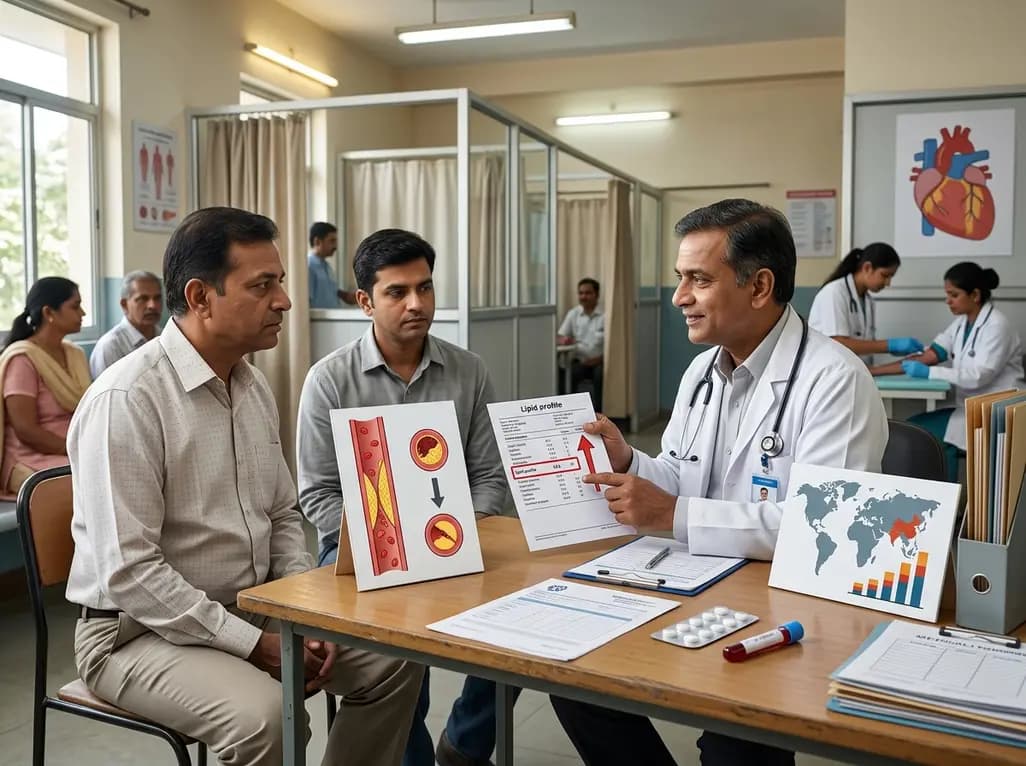
A JAMA study using Global Burden of Disease 2023 data reveals high LDL cholesterol caused 3.6 million deaths globally, with India and China bearing one-third of the disease burden. Addressing systemic barriers to statin therapy and strengthening primary care lipid screening remain critical clinical priorities.
4 days back
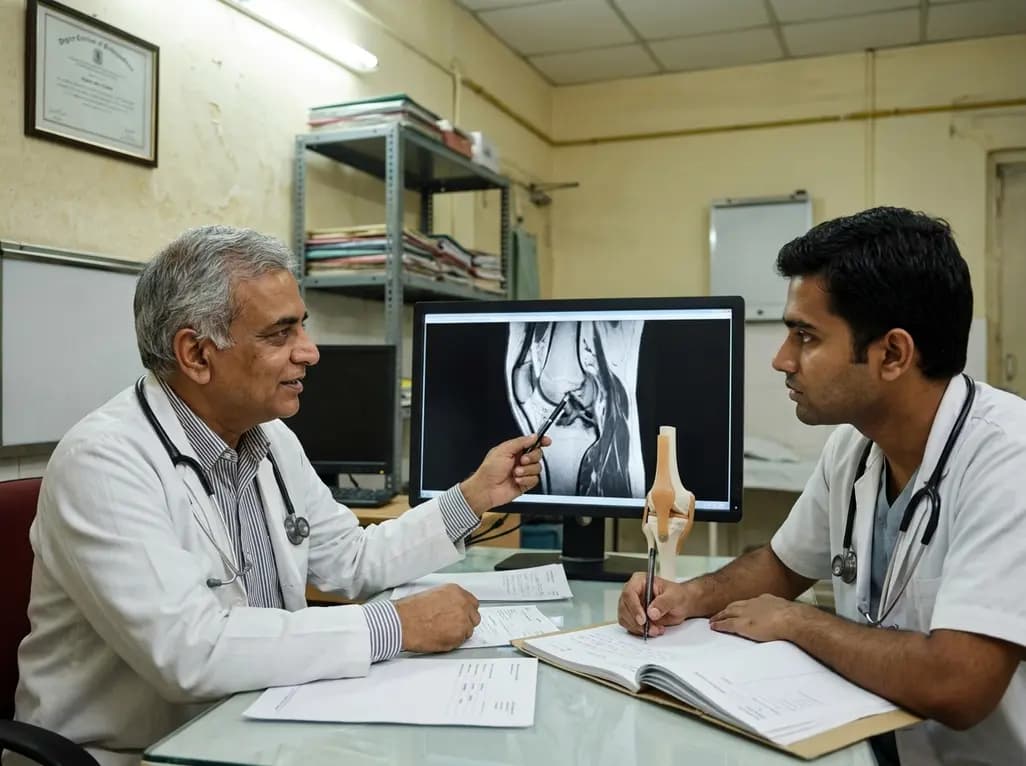
Anterior cruciate ligament reconstruction failure lacks uniform definition. A narrative review proposes an integrative framework incorporating objective and subjective instability, persistent pain, restricted motion, graft rupture, and secondary meniscal injury to standardize clinical reporting.
Last week
Union Health Minister J P Nadda reported significant progress in tuberculosis control in India, with incidence dropping by 21% and mortality falling by 25% between 2015 and 2024. Furthermore, national screening initiatives for diabetes and common cancers have expanded clinical access across district-level facilities.
Today
