.webp&w=384&q=75)

Loading, please wait...
Loading, please wait...

Cystic fibrosis-related diabetes (CFRD) is a significant extrapulmonary complication that affects nearly 50% of adults with cystic fibrosis. Early detection of glucose abnormalities is essential because even prediabetic states correlate with poorer lung function and nutritional decline. Consequently, the clinical application of CGM in cystic fibrosis has gained traction as a sensitive tool for identifying early dysglycemia. While the oral glucose tolerance test (OGTT) remains the traditional gold standard, it often misses the rapid post-prandial excursions characteristic of early cystic fibrosis-related metabolic changes.
Continuous glucose monitoring provides real-time, dynamic data on glycemic variability. This technology allows healthcare providers to identify fluctuations that traditional finger-stick tests or HbA1c measurements might overlook. Furthermore, identifying these patterns early helps clinicians tailor nutritional and therapeutic interventions more precisely. Recent clinical studies suggest that specific CGM metrics, such as time above range and glycemic excursions, correlate strongly with a decline in patient health. Therefore, implementing these sensors earlier in the disease course could potentially preserve pulmonary function and improve overall longevity.
Despite the clear benefits of sensor technology, clinicians still face hurdles regarding standardized management guidelines. We currently lack internationally defined thresholds for when to initiate insulin therapy based solely on sensor data. However, ongoing research aims to define these specific cut-offs to optimize patient outcomes. Additionally, the advent of CFTR modulator therapies is changing the metabolic landscape for people with cystic fibrosis. As life expectancy increases, the need for robust, proactive metabolic monitoring through CGM in cystic fibrosis becomes even more vital for long-term health maintenance.
CGM captures real-life glucose fluctuations and post-prandial spikes that a single-point OGTT may miss. It provides a comprehensive view of glycemic variability, which is often the first sign of metabolic dysfunction in cystic fibrosis.
Abnormal glucose levels are linked to a faster decline in lung function and poor nutritional status. Detecting these changes early allows for interventions that can help maintain weight and respiratory health.
While the OGTT is still the official diagnostic tool, CGM is increasingly used in clinical settings to identify prediabetic dysglycemia and guide early management strategies before a formal CFRD diagnosis is made.
Disclaimer: This content is for informational and educational purposes only. It does not constitute medical advice, diagnosis, or treatment. Always seek the advice of a qualified healthcare provider with any questions regarding a medical condition. Refer to the latest local and national guidelines for clinical practice.
References
1. Cooper H et al. Use of Continuous Glucose Monitoring for Detecting and Understanding Early Dysglycemia in Cystic Fibrosis. J Diabetes Sci Technol. 2026 Feb 14. doi: 10.1177/19322968261422204. PMID: 41689851.
2. Scully et al. The Role of Continuous Glucose Monitoring in Detecting Early Dysglycemia and Clinical Outcomes in Patients with Cystic Fibrosis. PMC. 2024.
3. Zorron et al. Continuous glucose monitoring and advanced glycation endproducts for prediction of clinical outcomes and development of cystic fibrosis-related diabetes in adults with CF. Frontiers. 2024.
"
Read summarized clinical updates, watch expert medical content, and earn CME certifications right from your smartphone.
Open your smartphone camera to scan and install.





This article explores the growing role of Continuous Glucose Monitoring (CGM) in detecting early dysglycemia in patients with cystic fibrosis....
8 months ago

Co-administering antiseizure medications and DOACs frequently causes pharmacokinetic interactions, subtherapeutic drug levels, and thromboembolic failures. This review highlights enzyme induction risks, unpredictable outcomes with levetiracetam, and the vital role of therapeutic drug monitoring.
Today

Demanding exhaustive hormonal profiling can inadvertently discourage clinical studies involving females. Methodological standards must align with the specific scientific question to expand, not restrict, equitable evidence for women.
Today
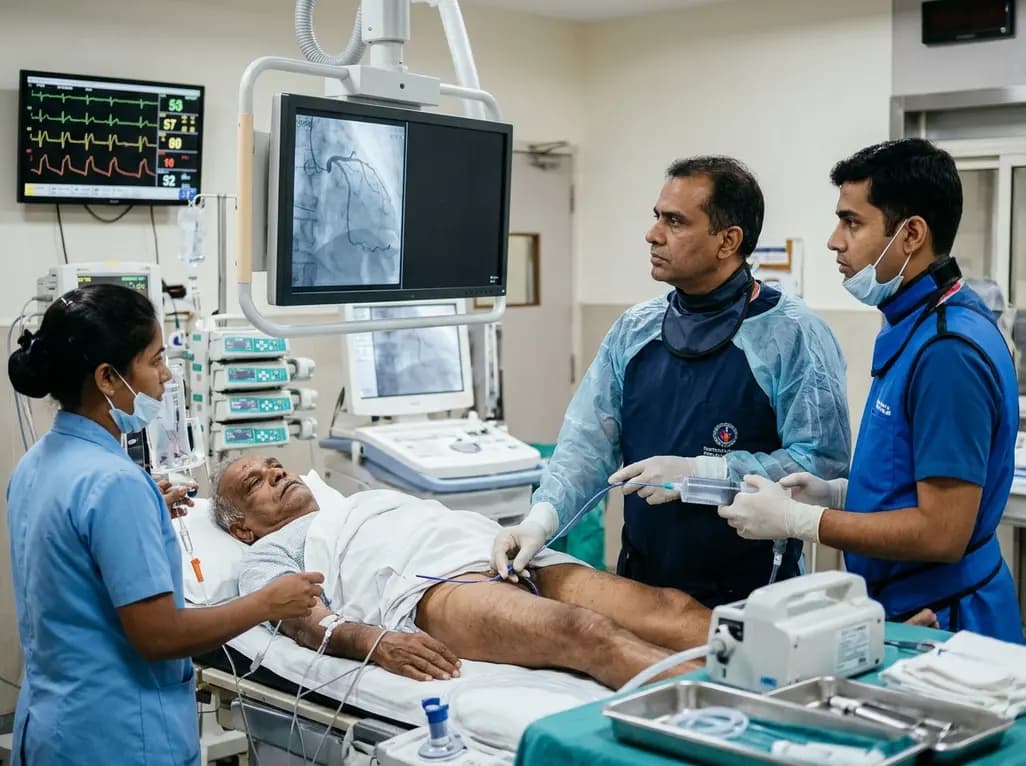
An elderly man with partially repaired Tetralogy of Fallot presented with STEMI caused by coronary embolism rather than atherosclerosis. Successful treatment with sustained mechanical aspiration thrombectomy underscores the vital need for high clinical vigilance in adult congenital heart disease.
Today

A comparative review of tension band wiring and intramedullary screw fixation in thumb metacarpophalangeal arthrodesis, evaluating union rates, hardware complications, and clinical outcomes.
Today

Following regulatory scrutiny from FSSAI regarding promotional representations and lean muscle preservation claims, Dr. Reddy's Laboratories and Nestlé Health Science are currently reviewing the branding and marketing strategy for their joint nutritional supplement Celevida GLP+.
Today
