.webp&w=384&q=75)

Loading, please wait...
Loading, please wait...

Shoulder stiffness and disabling neck pain frequently coexist in outpatient practice, yet clinicians often evaluate these complaints in isolation. Emerging evidence indicates that cervical foraminal stenosis serves as a critical yet underappreciated contributor to unilateral glenohumeral pathology. When exiting spinal roots experience entrapment, referred discomfort and protective guarding can trigger secondary joint stiffening. Consequently, orthopedists and neurologists must appreciate the shared neurovascular networks that unite the cervical spine and the shoulder girdle. Recognizing this dual presentation ensures that clinicians do not overlook deep spinal compression when treating classic adhesive capsulitis.
Patients presenting with persistent shoulder restriction commonly receive a diagnosis of primary frozen shoulder. However, cervical nerve root impingement frequently mimics or accelerates capsular inflammation. When degenerative changes narrow the intervertebral exit pathway, mechanical friction irritates the exiting nerve root. Consequently, the patient experiences localized muscle spasm, chronic reflex inhibition, and reduced active motion. Over time, prolonged immobility induces contracture in the glenohumeral capsule. In addition, neurogenic inflammation alters regional neuropeptide release, promoting soft tissue fibrosis around the joint. Clinicians historically categorized idiopathic adhesive capsulitis as an isolated local disorder. Nevertheless, modern neuro-orthopedic frameworks acknowledge that spinal pathology can initiate profound peripheral changes. Therefore, clinicians evaluating recalcitrant shoulder pain must investigate whether spinal root compression drives the capsular restriction. Recognizing this spinal-shoulder interplay prevents premature invasive joint procedures when nerve decompression could resolve the root pathology.
To investigate this connection, investigators conducted a retrospective case-control study reviewing 438 patients who underwent glenohumeral hydrodistension over seven years. Among these patients, 107 individuals presented with concurrent frozen shoulder and persistent neck pain. Ultimately, 48 patients met strict radiographic and diagnostic inclusion criteria, featuring axial T2 cervical magnetic resonance imaging and ultrasound validation. The researchers systematically graded foraminal narrowing from C3/4 down to C6/7, comparing the symptomatic shoulder side against the asymptomatic contralateral control. Notably, the study revealed a highly statistically significant association between ipsilateral frozen shoulder and C4/5 foraminal narrowing. Ipsilateral foraminal stenosis occurred in 57.3% of these patients, whereas bilateral stenosis appeared in 29.1%. Furthermore, 78% of subjects reported neck discomfort on the same side as their frozen shoulder, and 44% experienced direct radicular radiation. Consequently, these findings provide compelling imaging proof that upper cervical radicular narrowing strongly associates with capsular contracture.
The specific involvement of the C4/5 level carries vital anatomical significance because the C5 spinal nerve root emerges through this exact foramen. Anatomically, the C5 root contributes primary motor innervation to the deltoid and supraspinatus while supplying sensory innervation over the lateral shoulder. Therefore, persistent mechanical irritation of the C5 root directly alters regional deltoid tone and impairs active glenohumeral abduction. In addition, neurogenic pain causes profound voluntary guarding, which steadily restricts capsular excursion. When patients avoid moving the glenohumeral joint to escape sharp cervical pain, the capsule undergoes rapid adaptive shortening. Furthermore, continuous antidromic neural firing releases inflammatory substance P and calcitonin gene-related peptide into surrounding soft tissues. Consequently, this persistent neurogenic insult creates a fertile environment for genuine adhesive capsulitis to flourish. Understanding this pathophysiological mechanism helps clinicians conceptualize the disorder not merely as mechanical joint stiffness, but rather as neurogenic frozen shoulder.
Distinguishing between isolated cervical radiculopathy and genuine glenohumeral adhesive capsulitis presents a formidable clinical dilemma. Both clinical entities produce debilitating unilateral shoulder pain and marked functional limitation. However, subtle diagnostic nuances can clarify the primary driver. In classical adhesive capsulitis, patients exhibit equal loss of both active and passive glenohumeral ranges of motion, particularly in external rotation. Conversely, isolated cervical radiculopathy typically preserves passive glenohumeral excursion, even though severe pain or motor weakness impairs active elevation. When both conditions coexist, physical examination reveals marked passive restriction alongside positive neurodynamic tests, such as Spurling test. Moreover, clinicians must remain vigilant because nearly half of the study cohort reported pain radiating straight down the arm. Therefore, clinicians must incorporate detailed cervical spine assessments during every routine shoulder evaluation. Utilizing targeted diagnostic ultrasound and axial magnetic resonance imaging ensures accurate differentiation and prevents therapeutic delays.
Because spine and shoulder pathologies often intersect, therapeutic strategies must address both mechanical capsular restriction and neural compression. Within the study cohort, 48% of patients required nerve-targeted interventions alongside standard glenohumeral hydrodistension. Specifically, 44% of these interventions targeted the C5 nerve root directly. Approximately 25% of patients received targeted C5 periradicular steroid injections, which substantially alleviated radicular irritation. Meanwhile, 19% of patients underwent C4/5 anterior cervical discectomy and fusion to decompress the trapped neural elements permanently. Furthermore, releasing spinal neural tension frequently restores the muscle motor drive necessary for effective shoulder rehabilitation. If therapists attempt aggressive glenohumeral stretching while active nerve compression persists, pain hypersensitivity often worsens. Conversely, decompressing the cervical root relieves neuropathic discomfort, permitting patients to tolerate rigorous capsular mobilization and physical therapy. Consequently, combining nerve-targeted therapy with shoulder hydrodistension provides superior functional restoration compared to isolated joint treatment.
The documented coexistence of cervical nerve entrapment and capsular contracture mandates a paradigm shift in outpatient musculoskeletal management. Historically, orthopedic shoulder specialists and spine surgeons worked within isolated clinical silos. However, optimal patient outcomes demand structured interdisciplinary collaboration between orthopedics, spinal surgery, radiology, and physical rehabilitation. When a patient demonstrates poor progress after standard shoulder interventions, teams should immediately screen the cervical spine for exit foraminal stenosis. Similarly, when treating patients with C5 radiculopathy who report progressive joint stiffness, spine clinicians must evaluate passive capsular mobility. Furthermore, radiologists play a pivotal role by systematically assessing neural foramina on axial T2 sequences whenever ordering providers note shoulder symptoms. Establishing integrated care protocols accelerates accurate diagnostic workups and minimizes unnecessary surgical interventions. Ultimately, evaluating the neuro-orthopedic axis as a unified continuum ensures comprehensive care, improves functional restoration, and shortens patient recovery timelines.
Neurogenic frozen shoulder describes secondary glenohumeral adhesive capsulitis triggered by cervical nerve root compression, particularly at the C5 level. Mechanical impingement within the cervical neural foramen induces neuropathic pain, regional muscle guarding, and restricted mobility. Over time, persistent joint immobilization and neurogenic inflammatory mediator release induce progressive capsular fibrosis and stiffness.
Clinicians differentiate them primarily by assessing passive range of motion and neurological signs. Adhesive capsulitis restricts both active and passive motion equally, particularly external rotation. In contrast, isolated cervical radiculopathy impairs active motion due to weakness or pain while preserving passive mobility, often accompanied by dermatomal sensory changes and positive Spurling testing.
Spine interventions become necessary when patients with adhesive capsulitis exhibit confirmed cervical foraminal stenosis and fail to improve with isolated shoulder therapy. If clinical radiculopathy persists alongside shoulder stiffness, targeted C5 nerve root injections or surgical decompression can relieve neuropathic inhibition, enabling effective physical therapy and restoring functional joint range.
Disclaimer: This content is for informational and educational purposes only and should not be considered medical advice or substituted for professional clinical judgment. Health conditions and treatments can vary; always consult with a qualified healthcare provider for specific concerns or treatment plans. Refer to the latest local and national guidelines for clinical practice.
References
Russo S et al. The Association Between Cervical Foraminal Stenosis and Adhesive Capsulitis: An Imaging-based Case-Control Study. Spine (Phila Pa 1976). 2026 Sep 15. doi: 10.1097/BRS.0000000000005031. PMID: 38717313.
Eubanks JD. Cervical radiculopathy: diagnosis and management. Am Fam Physician. 2010;81(1):33-40.
Carbone S, Gumina S, Vestri AR, Postacchini R. Glenohumeral capsular distension in adhesive capsulitis: a systematic review. Musculoskelet Surg. 2017;101(2):107-114.

Read summarized clinical updates, watch expert medical content, and earn CME certifications right from your smartphone.
Open your smartphone camera to scan and install.





A landmark imaging study demonstrates a strong clinical and radiographic association between C4/5 cervical foraminal stenosis and ipsilateral adhesive capsulitis. Clinicians must evaluate both cervical spine and shoulder anatomy to prevent misdiagnosis and optimize outcomes for neurogenic frozen shoulder.
Today

A recent Journal of Clinical Oncology study demonstrates that industry payments to oncologists directly sway prescribing behavior. Oncologists who received marketing transfers favored promoted therapies over non-promoted alternatives, highlighting critical ethical concerns for evidence-based cancer practice.
Today

A recent qualitative study examines how college students seek digital sexual health information under persistent uncertainty. Discover the concept of functional trust, the clinical hazards of search abandonment, and evidence-based approaches clinicians can adopt to guide youth toward verified reproductive healthcare.
Today

A randomized controlled trial demonstrates that curated FOAMed videos and podcasts produce superior gains in high-risk ECG interpretation and acute coronary syndrome clinical decision-making compared with print-based materials among interprofessional emergency care teams.
Today
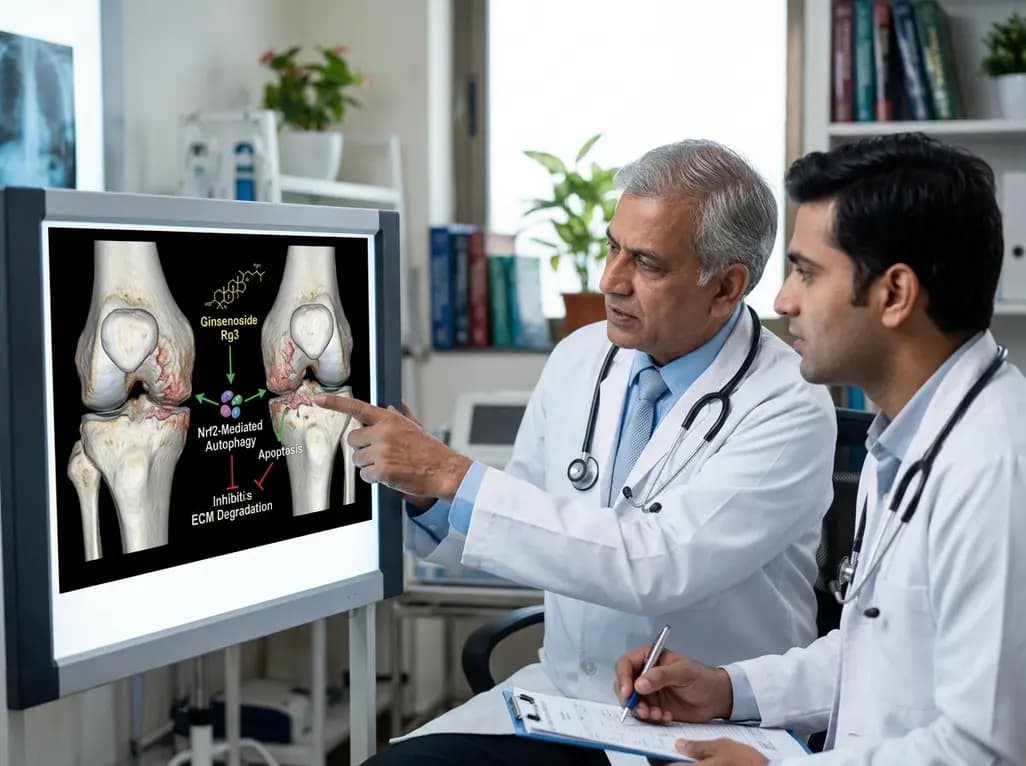
A study reveals that Ginsenoside Rg3 attenuates osteoarthritis progression by modulating the Nrf2-mediated autophagy pathway, reducing chondrocyte apoptosis, and curbing extracellular matrix degradation, offering promising chondroprotective potential.
Today
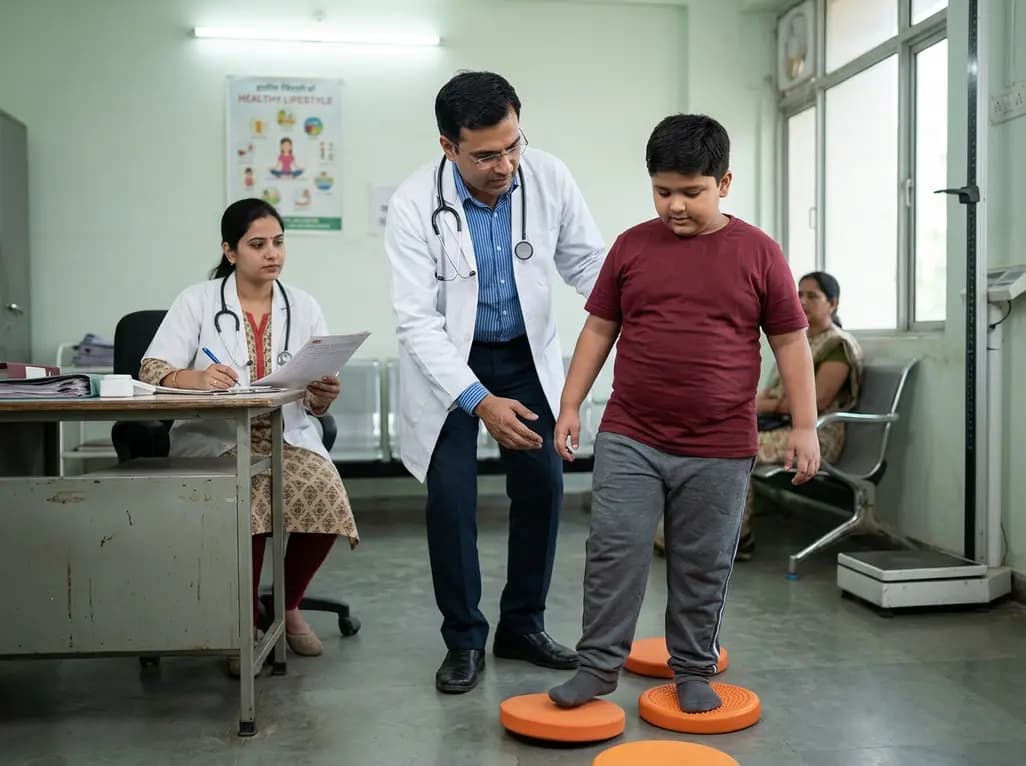
A cross-sectional study demonstrates that lower pediatric motor competence strongly correlates with adverse metabolic syndrome markers, including central adiposity, elevated triglycerides, and low HDL cholesterol, emphasizing early neuromuscular interventions in youth with overweight and obesity.
Today
