.webp&w=384&q=75)

Loading, please wait...
Loading, please wait...
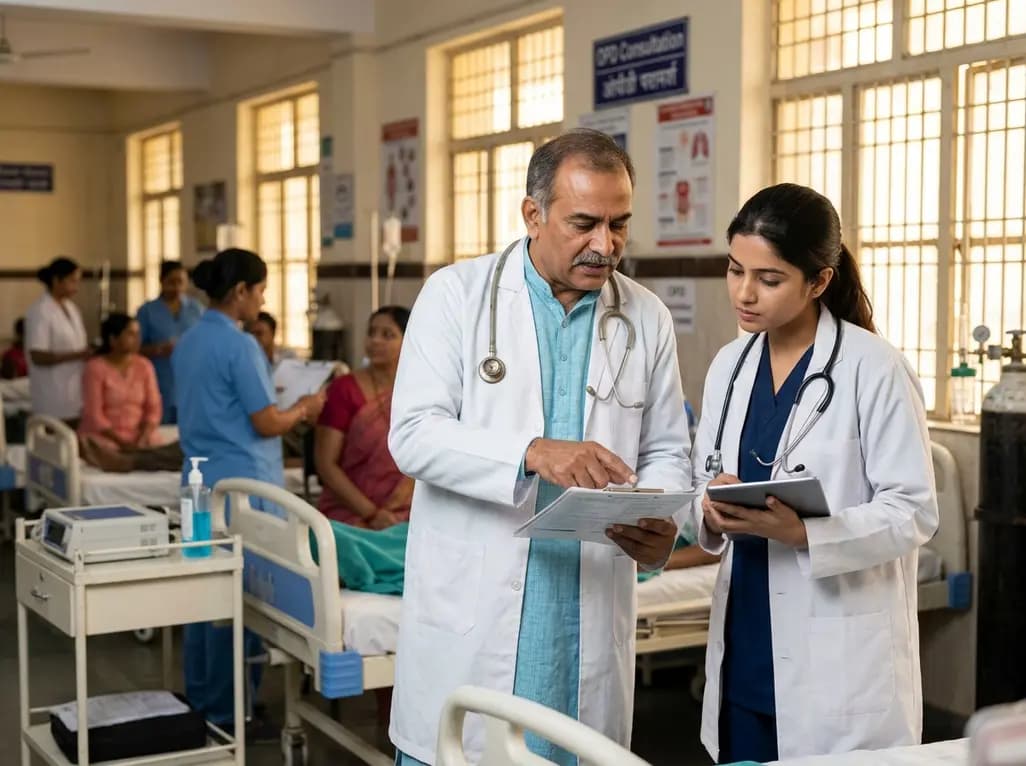
A sudden cerebral malaria outbreak in Jharkhand has prompted the state health department to issue an urgent statewide alert. Specifically, after four tragic pediatric deaths occurred in the Potka block of East Singhbhum district, authorities immediately tightened vector surveillance. Additional Chief Secretary Ajoy Kumar Singh directed all Deputy Commissioners to implement rapid containment measures. Consequently, districts are launching extensive fever surveys to identify and treat infected individuals early. This severe surge underscores the critical importance of robust public health interventions during the monsoon season. Clinicians across the region must remain highly vigilant, as early recognition of neurological symptoms is vital to saving lives.
To understand the gravity of the current situation, healthcare providers must examine how Plasmodium falciparum causes neurological devastation. Specifically, the parasite alters the surface of infected red blood cells, which makes them highly sticky. Consequently, these compromised cells adhere to the lining of the brain’s microvasculature. This destructive process, known as sequestration, severely obstructs microvascular blood flow and reduces local oxygen delivery. Additionally, the host launches a massive inflammatory response, which releases high levels of cytokines that damage the blood-brain barrier. Therefore, patients experience rapid brain swelling, localized ischemia, and severe metabolic dysfunction. Furthermore, this cascade can lead to persistent seizures, deep coma, and irreversible neurological deficits if left untreated. Ultimately, these rapid physiological changes explain why cerebral malaria remains a leading cause of childhood mortality in endemic regions. Clinicians must realize that the window for successful intervention is extremely narrow. Therefore, immediate administration of parenteral antimalarials is the cornerstone of clinical management. Moreover, supportive care addressing fluid management and seizure control must be initiated concurrently to optimize patient outcomes.
During a suspected cerebral malaria outbreak, rapid clinical triage remains absolutely critical. Clinicians must quickly differentiate between uncomplicated malaria and life-threatening cerebral involvement. Most importantly, altered sensorium or a prolonged post-ictal state defines cerebral malaria in patients with confirmed Plasmodium falciparum parasitemia. Additionally, clinicians frequently observe repeated generalized seizures, severe metabolic acidosis, and profound hypoglycemia in pediatric cohorts. Meanwhile, severe normocytic anemia often complicates these cases, which rapidly accelerates cardiovascular instability. Consequently, any child presenting with high fever and neurological changes must receive immediate diagnostic testing. Frontline health workers should perform rapid diagnostic tests or peripheral blood smears without any delay. Furthermore, physicians should not wait for laboratory confirmation if clinical suspicion is exceptionally high. Instead, they must initiate life-saving therapy to prevent permanent brain damage. Ultimately, close monitoring of vital signs, fluid balance, and blood glucose is essential in the intensive care unit. In addition, prompt referral to tertiary care facilities with pediatric intensive care support is vital for survival.
To curb the transmission of vector-borne pathogens, public health departments must deploy aggressive containment measures. For instance, the Jharkhand health department has mandated localized action plans on a war footing across high-risk districts. Under these protocols, multi-purpose health workers will initiate door-to-door active surveillance in affected communities. Additionally, the detection of a single malaria case will automatically trigger a mandatory mass fever survey in that specific locality. Furthermore, authorities are equipping community health workers with rapid diagnostic kits and essential antimalarial medications. Meanwhile, vector control teams must intensify indoor residual spraying and larval source management in stagnant water bodies. Additionally, distributing long-lasting insecticide-treated bed nets remains a highly effective strategy for personal protection. Therefore, a combination of active surveillance, early treatment, and vector management is crucial to halting transmission. Ultimately, these comprehensive efforts will help reduce the overall disease burden and prevent future seasonal surges in endemic zones. Moreover, local community leaders must actively engage in promoting environmental hygiene and encouraging mosquito breeding site destruction.
When managing severe malaria cases, medical officers must strictly adhere to established national treatment guidelines. Specifically, intravenous or intramuscular artesunate is the preferred first-line therapy for both adults and children. This potent compound rapidly clears parasitemia and significantly reduces mortality compared to older therapies like quinine. Additionally, healthcare providers must administer the recommended doses at zero, twelve, and twenty-four hours, followed by daily doses. Furthermore, once the patient can tolerate oral medications, clinicians must complete the treatment with a full course of oral artemisinin-based combination therapy. Consequently, this prevents the development of drug resistance and ensures complete parasite clearance. However, providers must also closely monitor patients for late-onset post-artesunate hemolysis, which can occur weeks after treatment. Therefore, routine follow-up examinations are highly recommended for all recovering patients. Ultimately, ensuring the uninterrupted supply of high-quality parenteral artesunate at primary care centres is vital for reducing mortality rates. Furthermore, clinical staff must receive regular training to handle severe adverse drug events safely and efficiently.
To ensure the long-term efficacy of outbreak responses, administrative and clinical leaders must collaborate closely. For this reason, Jharkhand has established a strict three-tier review mechanism to monitor malaria cases. Specifically, medical officers will conduct weekly review meetings at local community health centres to track local trends. Additionally, district civil surgeons will hold fortnightly sessions to coordinate resources and evaluate containment strategies. Furthermore, deputy commissioners must lead monthly oversight meetings to ensure administrative accountability and replenish diagnostic stocks. Consequently, this structured approach helps identify logistical bottlenecks, such as medicine shortages, before they impact patient care. Moreover, public awareness campaigns must educate the community about seeking timely medical care rather than relying on unaccredited local clinics. Indeed, early medical intervention is the single most important factor in preventing severe complications. By fostering cooperation between administrative bodies, clinical specialists, and grassroots health workers, the state can build a highly resilient healthcare framework. Additionally, maintaining a centralized database of village-wise malaria logs will facilitate rapid response during future vector-borne disease surges.
Q1: What are the primary symptoms that signal a progression to cerebral malaria?
The progression to cerebral malaria is marked by high fever accompanied by severe neurological abnormalities. Specifically, patients may exhibit altered consciousness, delirium, persistent seizures, or a deep coma. Additionally, severe cases often present with metabolic acidosis, respiratory distress, and profound hypoglycemia, particularly in pediatric patients. Consequently, immediate hospitalization is critical when these symptoms appear to ensure survival and avoid permanent cognitive damage.
Q2: How does the newly introduced three-tier monitoring system work in Jharkhand?
The three-tier monitoring system ensures strict administrative accountability and clinical oversight. First, medical officers conduct weekly reviews at the community health centre level to track local trends. Second, district civil surgeons hold fortnightly review meetings with medical staff to optimize protocols. Finally, deputy commissioners lead monthly meetings with health officials. This continuous structure helps monitor regional caseloads, distribute diagnostic kits, and manage resources effectively.
Q3: Why is a mass fever survey initiated after detecting a single malaria case?
Initiating a mass fever survey after a single positive case helps detect asymptomatic carriers and early-stage infections. Since malaria spreads rapidly via mosquito vectors, locating and treating infected individuals prevents local outbreaks. Furthermore, health workers can distribute rapid diagnostic test kits and start immediate antimalarial therapy, thereby breaking the local chain of transmission and preventing severe cerebral complications in the wider population.
Disclaimer: This content is for informational and educational purposes only. It does not constitute medical advice or replace professional judgment. Refer to the latest local and national guidelines for clinical practice.
References

Read summarized clinical updates, watch expert medical content, and earn CME certifications right from your smartphone.
Open your smartphone camera to scan and install.





Following severe pediatric casualties in East Singhbhum, Jharkhand has launched aggressive vector surveillance and clinical triage protocols. Explore the pathophysiology of severe malaria, essential artemisinin guidelines, and public health actions to manage this dangerous monsoon disease spike effectively.
3 months ago

Discover the crucial role of glymphatic dysfunction in stroke, where perivascular clearance failure and neuroinflammation exacerbate cerebral edema and post-stroke brain injury.
Today

A prenatal case highlights severe glutaric acidemia type II presenting as bilateral hyperechoic cystic kidneys at 18 weeks. Whole-exome sequencing revealed a novel homozygous ETFDH frameshift variant, demonstrating the power of rapid genetic testing in fetal renal anomalies.
Today

Review how tailored exercise programs benefit frail older patients with heart failure. Explore pathophysiological mechanisms, individualized training prescriptions, and strategies to overcome adherence barriers in clinical practice.
Yesterday

This comparative study evaluates posterior labral tears with and without glenohumeral instability, highlighting distinct demographic patterns, MRI underestimation in stable shoulders, and successful arthroscopic repair outcomes.
Yesterday

A clinical study demonstrates that early intervention with tocilizumab, either as monotherapy or bridged with corticosteroids, achieves significant proptosis reduction and resolves active inflammation in treatment-naive thyroid eye disease.
Yesterday
