.webp&w=384&q=75)

Loading, please wait...
Loading, please wait...
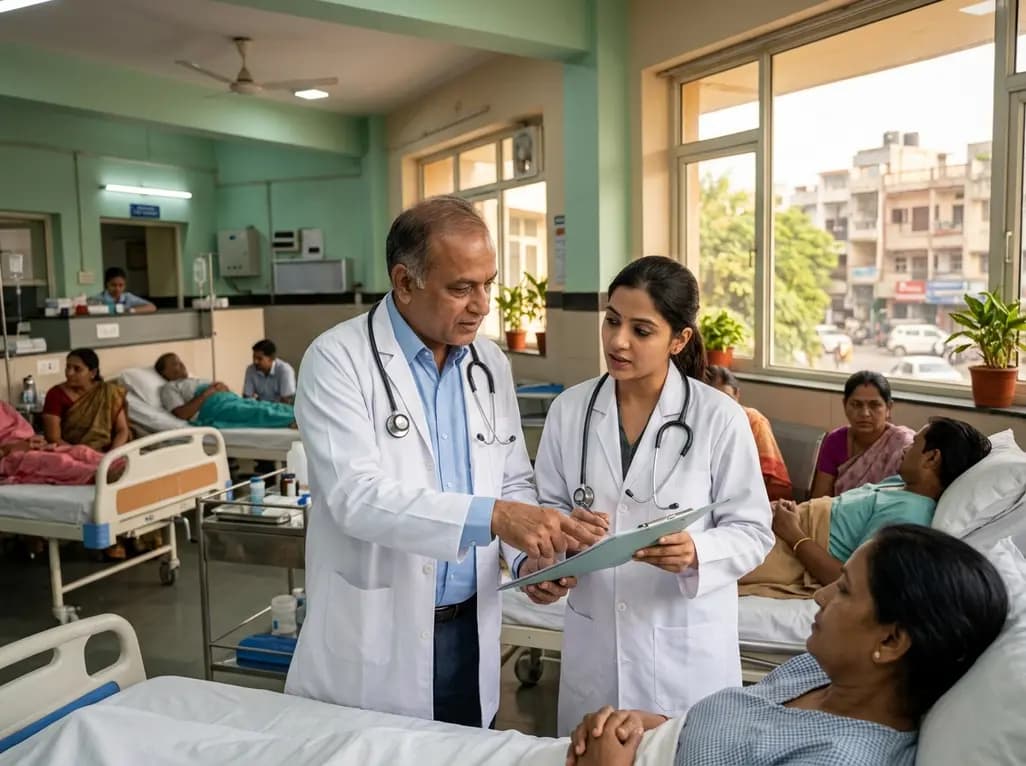
An unexpected cerebral malaria outbreak has recently gripped the Potka block of East Singhbhum in Jharkhand. In response, local health authorities launched an intensive screening drive. They successfully detected twenty-six fresh cases of cerebral malaria and eighteen standard malaria cases within a single day. Unfortunately, this sudden spike follows a series of tragic pediatric fatalities. Consequently, the rapid spread has triggered massive concern. Therefore, health authorities have actively deployed an emergency response to screen residents and distribute essential treatments immediately.
The ongoing health crisis in East Singhbhum highlights the severe danger of complicated Plasmodium falciparum infections. Specifically, cerebral malaria represents the most severe neurological complication of this parasitic disease. It occurs when sequestered parasites clog the microvasculature of the brain. Subsequently, this microvascular obstruction leads to hypoxia, localized inflammation, and increased intracranial pressure. Patients typically present with high fever, severe headache, and rapid progression to encephalopathy. In addition, clinicians frequently observe seizures and altered consciousness, particularly in pediatric patients. If left untreated, the disease is almost universally fatal. Furthermore, even with prompt treatment, the mortality rate remains highly significant. Pediatric patients are especially vulnerable to rapid clinical deterioration. Therefore, early detection through rapid diagnostic tests is absolutely vital. Healthcare providers must maintain a high index of suspicion during the monsoon season. This is particularly true when treating patients presenting with acute febrile illness in endemic regions. Ultimately, timely administration of intravenous artesunate is critical to saving lives. Thus, medical teams in Potka are prioritizing immediate diagnosis and therapeutic intervention.
The current epidemiological data from East Singhbhum paint a stark picture of the transmission dynamics. During the recent screening drive, health workers examined five hundred and seven residents. Consequently, they identified forty-four positive malaria cases, including twenty-six severe cerebral malaria cases. This indicates an incredibly high ratio of complicated cases within the affected population. Additionally, this outbreak has disproportionately affected children, who are highly susceptible to severe malaria. For instance, the four recorded fatalities in Potka were all young pediatric patients. Specifically, a one-year-old child recently lost her life at the Mahatma Gandhi Memorial Hospital. Tragically, her eight-year-old sister had also succumbed to the exact same illness just four days prior. Such devastating family clusters highlight the intense localized transmission occurring in these rural settlements. Furthermore, the onset of the monsoon rains has created perfect breeding grounds for vectors. Consequently, stagnant water pools in villages have accelerated vector populations. Therefore, health officials are treating this as an emergency situation and are rapidly deploying additional healthcare resources.
To combat the escalating situation, the district health department has mobilized a comprehensive multi-pronged strategy. First, they divided the severely affected Potka block into ten distinct health sectors. Subsequently, they deployed dedicated medical teams consisting of community health officers, nurses, and auxiliary midwives. These teams are conducting door-to-door health check-ups and fever screening. Moreover, they are providing anti-malarial medications immediately to anyone testing positive. In addition to active screening, the health department is executing extensive vector control operations. Specifically, workers are performing intensive fogging and spraying bleaching powder across affected villages. Meanwhile, they are strongly urging villagers to use insecticide-treated mosquito nets. Furthermore, the district civil surgeon, Dr. Sahir Pall, announced plans to extend the screening. The drive will soon cover neighboring Ghatsila, Dumaria, and Musaboni blocks. Each team will spend two days in each block to ensure thorough coverage. Additionally, the department has requested extra medical officers from MGM Medical College. This clinical reinforcement will help strengthen the temporary rural camps. Ultimately, these integrated efforts aim to stabilize patients and prevent any further mortality.
Managing cerebral malaria requires rapid medical evaluation and intensive care monitoring. For clinicians, the primary objective is to limit neurological damage and prevent systemic complications. First, the medical team must secure the patient's airway and establish reliable intravenous access. Subsequently, they should initiate parenteral antimalarial therapy without delay. Currently, intravenous artesunate is the preferred first-line treatment for severe malaria in India. Clinicians must administer this drug at zero, twelve, and twenty-four hours, and then daily. Furthermore, supportive care is equally vital to address associated complications. For example, patients often suffer from severe anemia, metabolic acidosis, and hypoglycemia. Therefore, clinicians must monitor blood glucose levels and hemoglobin concentration continuously. In addition, aggressive management of seizures is essential to prevent secondary brain injury. Doctors should use appropriate anticonvulsants, such as benzodiazepines or phenobarbital, if seizures occur. Meanwhile, maintaining strict fluid balance is critical to avoid pulmonary edema or cerebral swelling. Consequently, medical staff must very carefully calculate fluid resuscitation volumes. Finally, clinicians highly recommend close observation in an intensive care unit for all critical pediatric cases.
Controlling a sudden outbreak in remote tribal regions presents unique operational and clinical challenges. Firstly, geographic isolation often delays health-seeking behavior among rural populations. Consequently, many patients present to hospitals only after developing severe cerebral symptoms. Secondly, local beliefs and reliance on unqualified practitioners can lead to dangerous delays. For instance, the district administration recently sealed a private clinic in Potka due to treatment negligence. This highlights the urgent need to regulate local healthcare providers and educate the community. Moreover, shortages of trained clinical staff in rural health centers complicate emergency responses. Therefore, the mobilization of doctors from medical colleges is a critical step in bridging this gap. Additionally, maintaining a continuous supply of diagnostic kits and parenteral artesunate is essential. During monsoon seasons, heavy rainfall can severely disrupt transport logistics. Hence, pre-positioning medical supplies in vulnerable blocks is highly strategic. Ultimately, overcoming these challenges requires sustained government funding and active community participation. Specifically, health workers must work closely with local leaders to build strong community trust.
Q1: What is the primary difference between standard malaria and cerebral malaria?
Standard malaria typically presents with symptoms like fever, chills, and flu-like illness. In contrast, cerebral malaria is a severe neurological complication primarily caused by Plasmodium falciparum. It occurs when malaria parasites clog the small blood vessels of the brain. This blockage causes hypoxia, brain swelling, and severe encephalopathy. Consequently, patients present with seizures and altered consciousness, requiring immediate emergency medical care.
Q2: Why are children more vulnerable to severe complications like cerebral malaria?
Children in endemic regions are particularly vulnerable because they have not yet developed immunity to malaria parasites. Repeated exposure over several years is typically required to build partial immunity against severe disease. Furthermore, the blood-brain barrier in young children is more susceptible to inflammatory changes caused by infected erythrocytes. This vulnerability leads to rapid neurological deterioration during outbreaks, requiring urgent pediatric hospitalization.
Q3: What immediate actions should healthcare providers take when they suspect cerebral malaria?
Clinicians must immediately hospitalize the patient and confirm the diagnosis using rapid diagnostic tests. Meanwhile, they should secure the airway and initiate intravenous artesunate, which is the gold standard therapy. Additionally, providers must closely monitor and manage critical complications such as hypoglycemia and metabolic acidosis. Fluid resuscitation must be carefully calculated to avoid cerebral edema, while supportive care is maintained continuously.
Disclaimer: This content is for informational and educational purposes only. It does not constitute medical advice or replace professional judgment. Refer to the latest local and national guidelines for clinical practice.
References

Read summarized clinical updates, watch expert medical content, and earn CME certifications right from your smartphone.
Open your smartphone camera to scan and install.





Following a sudden spike of 26 cerebral malaria and 18 malaria cases in East Singhbhum, local health authorities have launched emergency screening camps. This comprehensive resource covers epidemiology, systemic response, clinical protocols, and challenges in rural vector control.
3 months ago
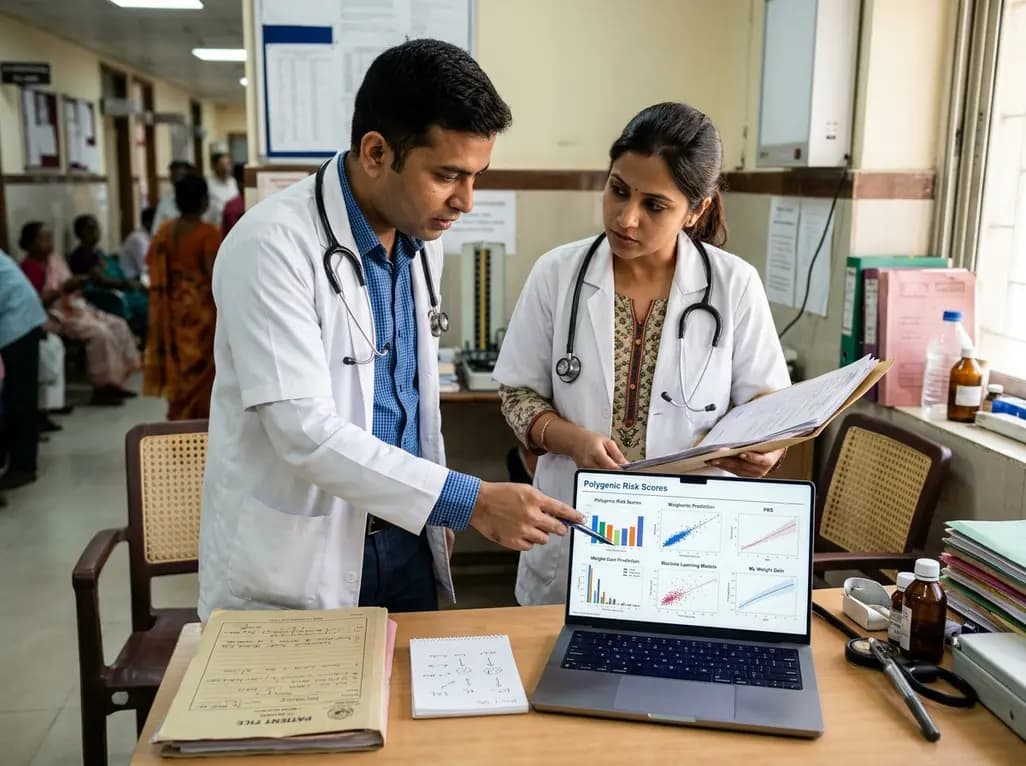
An observational study from the NIH All of Us Research Program reveals that adding a multi-ancestry polygenic risk score to machine learning models provides only modest improvements in predicting adult weight gain, underscoring the enduring significance of routine clinical and lifestyle factors.
Today
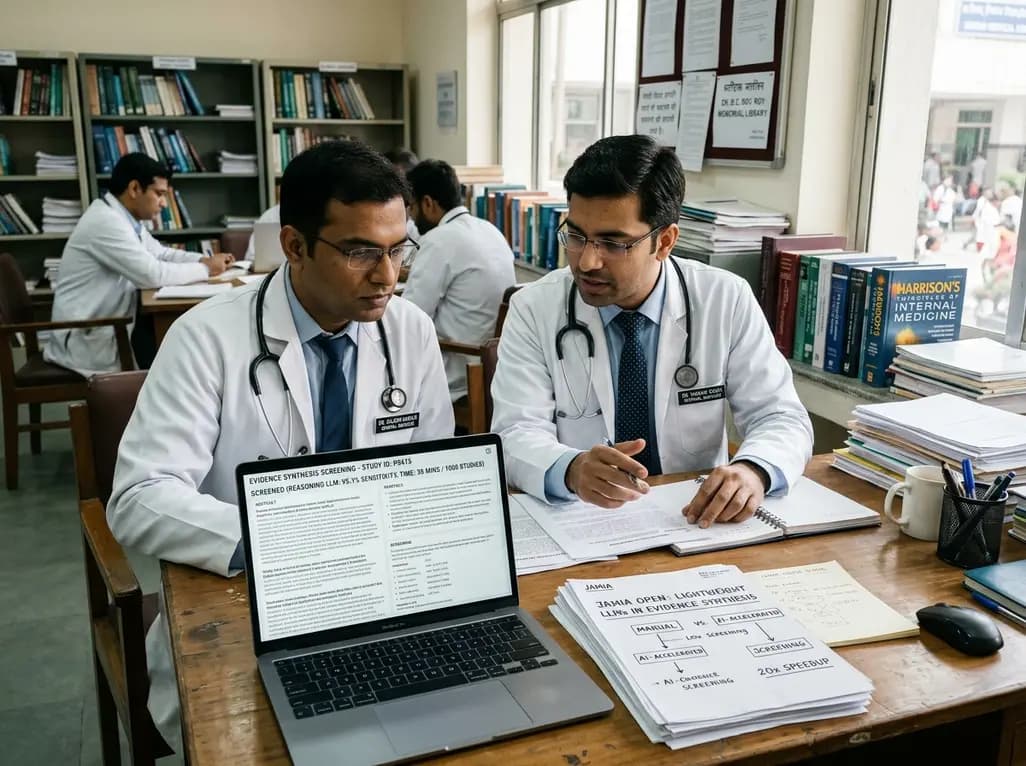
A study in JAMIA Open shows lightweight open-source reasoning LLMs achieve up to 95% sensitivity and accelerate evidence synthesis screening by nearly twentyfold, presenting a cost-effective, scalable AI solution for biomedical research and systematic reviews.
Today
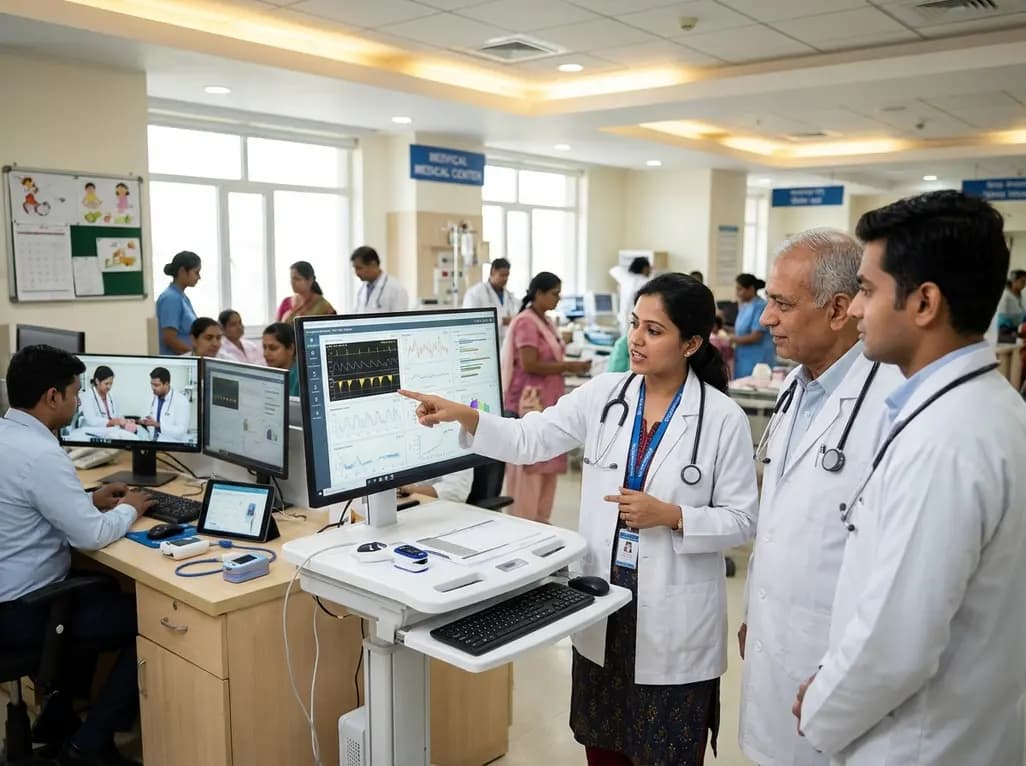
A landmark study details how an enterprise pediatric remote patient management model expanded from a single cardiology pilot to 16 diverse specialty programs by combining centralized digital operations with specialty clinical leadership.
Yesterday
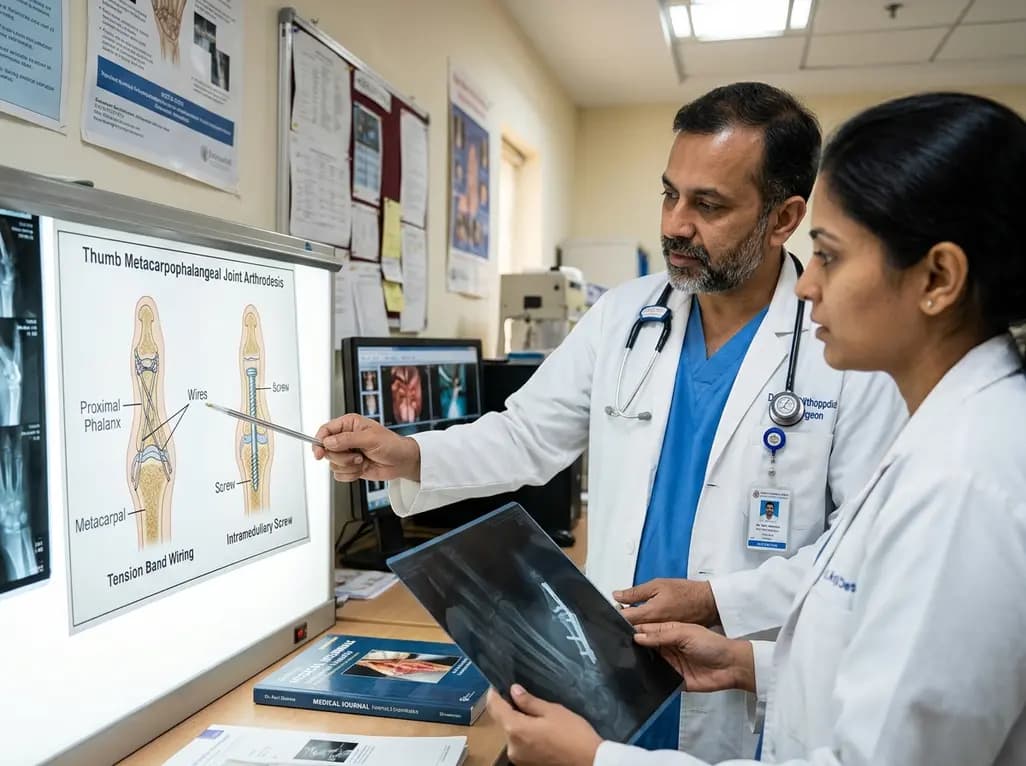
A comparative review of tension band wiring and intramedullary screw fixation in thumb metacarpophalangeal arthrodesis, evaluating union rates, hardware complications, and clinical outcomes.
Yesterday
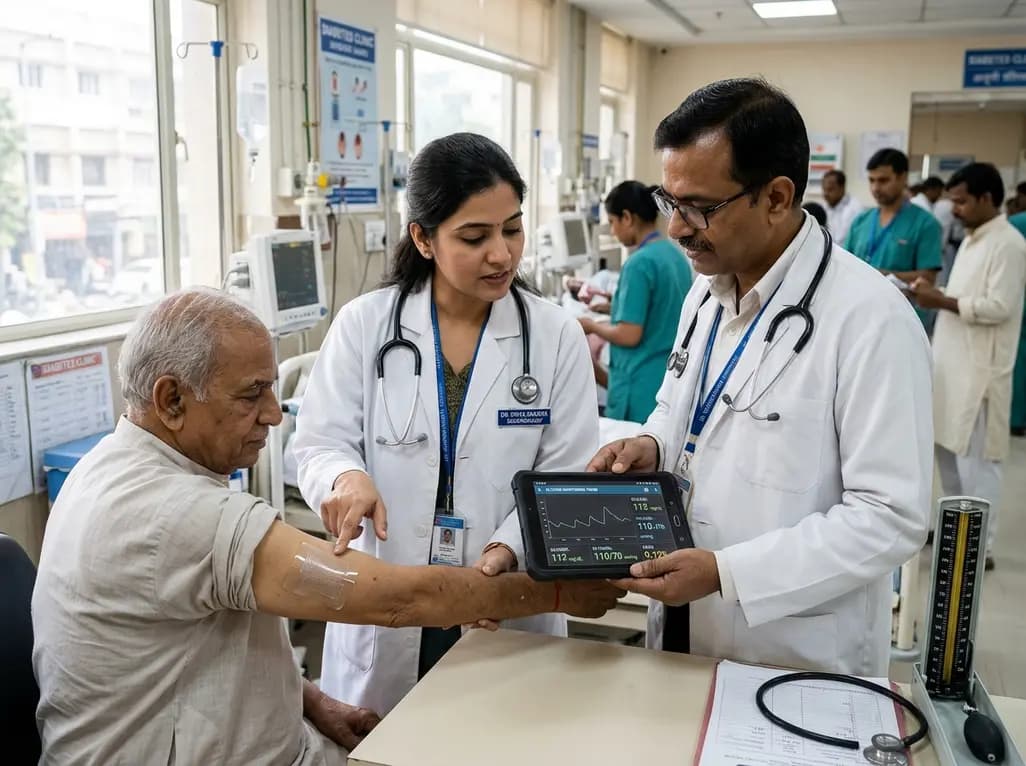
A breakthrough ultrathin multimodal sensor decouples physical hemodynamic monitoring from disposable electrochemical calibration, achieving long-term wearable glucose prediction with 81.36% accuracy and a 9.12% MARD. This offers a robust, drift-free solution for outpatient metabolic surveillance.
Yesterday
