.webp&w=384&q=75)

Loading, please wait...
Loading, please wait...
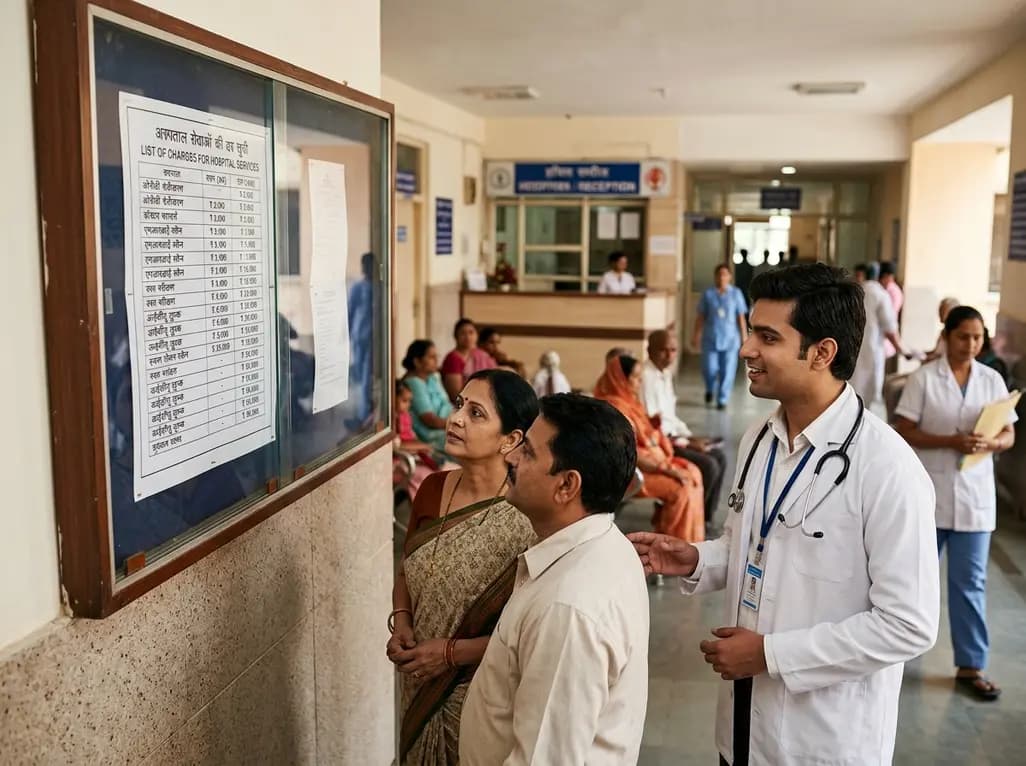
In an essential regulatory directive, the Union Ministry of Health and Family Welfare has instructed all states and Union Territories to mandate the conspicuous disclosure of healthcare charges. Union Health Secretary Punya Salila Srivastava issued an official communication to state Chief Secretaries urging thorough administrative compliance. Consequently, public and private medical centres must openly present their standard hospital service rates. This initiative seeks to empower patients, eliminate unexpected financial shocks, and promote institutional accountability across Indian healthcare delivery networks.
The Union Health Ministry anchored this directive within existing federal legislation. Specifically, the advisory invokes the statutory powers of the Clinical Establishments Registration and Regulation Act of 2010. Furthermore, it highlights the Clinical Establishments Central Government Rules framed in 2012. Section 9 of these central rules explicitly mandates that registered facilities must present their service tariffs openly. Therefore, institutions cannot treat price disclosure as an optional courtesy.
However, health remains a designated state subject under the Indian Constitution. Several states have not formally adopted the 2010 central statute. Instead, these regions regulate medical institutions through autonomous state legislative frameworks. For instance, states like West Bengal, Maharashtra, and Karnataka enforce separate nursing home and establishment acts. Nevertheless, the Union Health Secretary observed that most state laws incorporate parallel provisions requiring tariff disclosures. Thus, central authorities have urged Chief Secretaries nationwide to review their enforcement mechanisms. Through this unified effort, regulators intend to ensure standard compliance across all geographical jurisdictions.
Unanticipated medical expenditures often create substantial distress for vulnerable families during medical crises. Therefore, making tariffs visible helps relatives understand prospective healthcare outlays before consenting to elective or emergency interventions. Clear pricing schedules allow consumers to evaluate care options prudently. Consequently, families can plan their finances and choose appropriate facilities without misleading surprises.
In addition, clear fee schedules substantially decrease avoidable administrative conflicts between healthcare personnel and service users. Billing disputes frequently trigger volatile confrontations in hospital corridors. When tariffs remain obscured, patients naturally suspect arbitrary markups or inflated procedural charges. Conversely, visible tariffs reassure attendants regarding hospital integrity. Moreover, published fee cards establish an objective standard against which third-party payers and patients can audit diagnostic fees, bed costs, and consultation charges. Ultimately, consistent price visibility fosters durable public trust between healthcare professionals and local communities.
The central guidelines mandate specific presentation standards to guarantee maximum accessibility. In accordance with the 2012 regulatory rules, facilities must display rate cards in conspicuous physical locations. Common reception areas, emergency counters, diagnostic lobbies, and billing desks serve as primary placement zones. Furthermore, authorities require clinical establishments to present all pricing information bilingually.
Specifically, facilities must print their charges in English alongside the designated local vernacular language. This linguistic accessibility prevents administrative barriers for diverse populations. Many patients cannot interpret technical jargon or English pricing sheets during emergencies. Consequently, translating terms into regional languages allows every patient attendant to grasp bed tariffs, procedural fees, and investigation costs. Hospital administrations should also deploy modern technological avenues to support these displays. For example, prominent digital kiosks and touchscreens near entry lounges facilitate rapid navigation through departmental price schedules. Hospital administrators must update these physical and digital rosters whenever procedural costs change.
The directive places special emphasis on standardising costs for international medical travel. Thousands of overseas patients travel to India annually under dedicated Medical Visas and Ayush Visas. These patients seek high-end tertiary surgical care and traditional holistic rejuvenation therapies. Consequently, arbitrary billing or hidden institutional markups can severely damage India's international reputation.
Therefore, the Ministry instructed state officials to enforce standardized package rates for foreign nationals. Clear package rates must encompass surgical consumables, room categories, clinician fees, and post-procedural nursing support. In doing so, hospitals eliminate predatory pricing practices that trigger severe billing grievances. Furthermore, this transparency bolsters India's competitive status as a premier global destination for medical value travel. Ayush wellness centres and corporate hospital chains will operate with uniform international credibility when foreign patrons encounter predictable financial terms.
Hospital management teams and clinical directors must take prompt, structured steps to align with regulatory expectations. First, internal finance committees should audit their prevailing pricing structures across all clinical departments. Administrators must compile standardized, all-inclusive tariffs covering inpatient rooms, operating theatres, diagnostic investigations, and medical consultations. Subsequently, staff should verify that physical display boards exist in prominent waiting areas.
Additionally, clinical leadership must educate front-desk personnel and patient relationship executives regarding transparent communication. Patient coordinators should proactively guide attendants toward the displayed tariffs during admission processes. Facility managers must also synchronize their physical rate boards with their public web portals. Digital alignment prevents contradictory price estimations between online materials and on-site billing statements. Regular internal audits will ensure that updates to consumable costs or bed rates reflect immediately across all communication channels. By embracing structured transparency, healthcare providers fulfill statutory duties while elevating overall patient satisfaction.
Q1: What legal rules require clinical establishments to display their healthcare tariffs publicly?
The requirement stems directly from the Clinical Establishments Registration and Regulation Act of 2010 and the Clinical Establishments Rules of 2012. Section 9 of these federal rules requires establishments to display rates for services and facilities at conspicuous areas. In states operating under independent legislation, regional clinical acts contain similar mandatory provisions governing service transparency.
Q2: How must hospitals display their service rates to comply with ministry guidelines?
Hospitals must place comprehensive fee boards in conspicuous areas such as registration desks, billing counters, and waiting lobbies. Furthermore, the law mandates bilingual presentations, requiring text in English and the predominant regional language. Facilities should also use digital kiosks and ensure online website rates match their on-site displays.
Q3: Why did the Health Ministry include specific directives for international medical visa holders?
Foreign patients visiting India on Medical or Ayush Visas frequently encounter unpredictable pricing and packaging discrepancies. Mandating prominent package rates ensures international patients make informed decisions without arbitrary cost escalations. This regulatory transparency reduces billing disputes and significantly protects India's global reputation as a trusted healthcare hub.
Disclaimer: This content is for informational and educational purposes only. It does not constitute medical advice or replace professional judgment. Refer to the latest local and national guidelines for clinical practice.
References

Read summarized clinical updates, watch expert medical content, and earn CME certifications right from your smartphone.
Open your smartphone camera to scan and install.





The Union Health Ministry has instructed all states and Union Territories to enforce mandatory public display of hospital service rates. This regulatory directive aims to curb billing disputes, empower patient decision-making, and uphold transparent pricing across domestic and international healthcare services.
Today
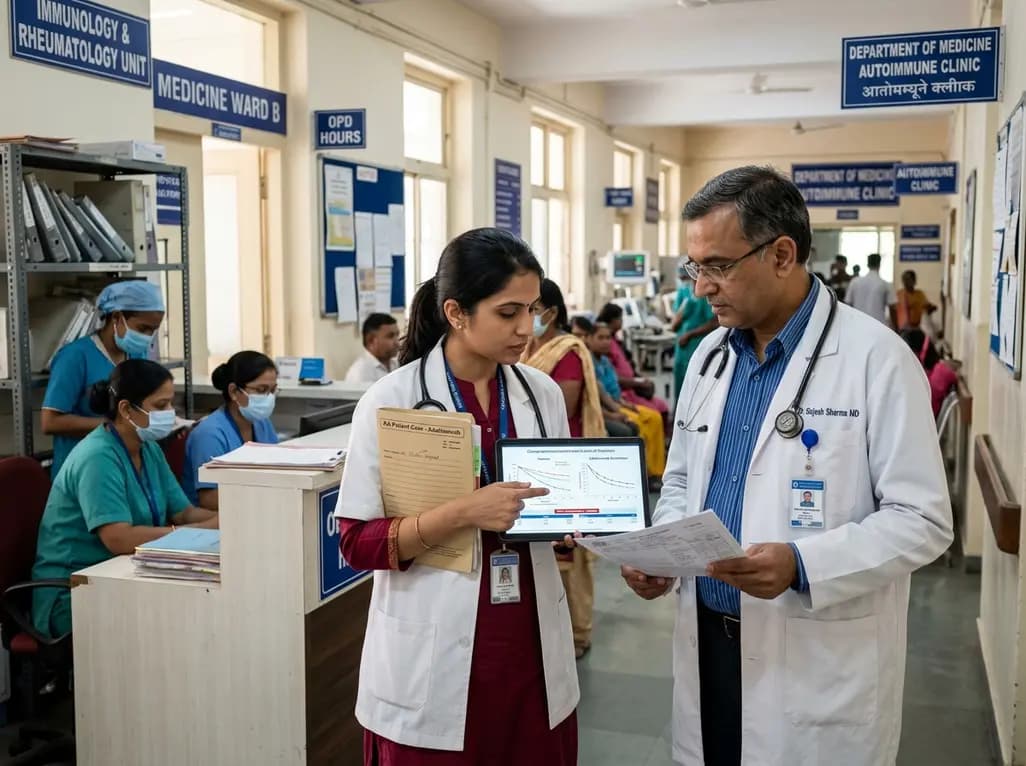
Delayed reimbursement of adalimumab biosimilars under Australia's PBS resulted in hundreds of millions in foregone savings. This policy analysis underscores the importance of swift regulatory translation and pricing designs to expand patient access in autoimmune diseases like rheumatoid arthritis and Crohn's.
Today
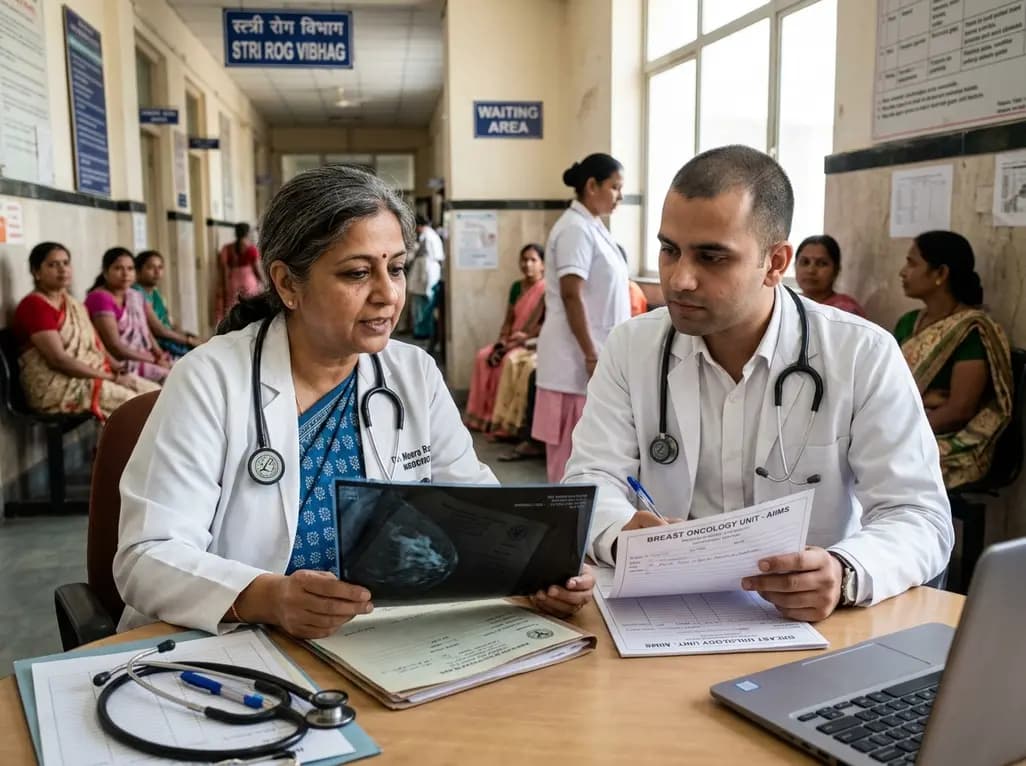
India faces a significant breast cancer survival gap, with five-year survival at 65.7% compared to 87% in high-income nations. Late clinical presentation, dismissal of painless lumps, and inadequate organized screening drive poor outcomes. Addressing systemic delays is crucial to transforming cancer prognosis.
Today

A landmark Lancet Commission analysis reveals that obesity will cause over 23 billion avoidable DALYs by 2100. For healthcare providers, especially in India, combating this crisis demands moving beyond basic BMI metrics to prioritize visceral fat assessment, muscle preservation, and early metabolic intervention.
Today
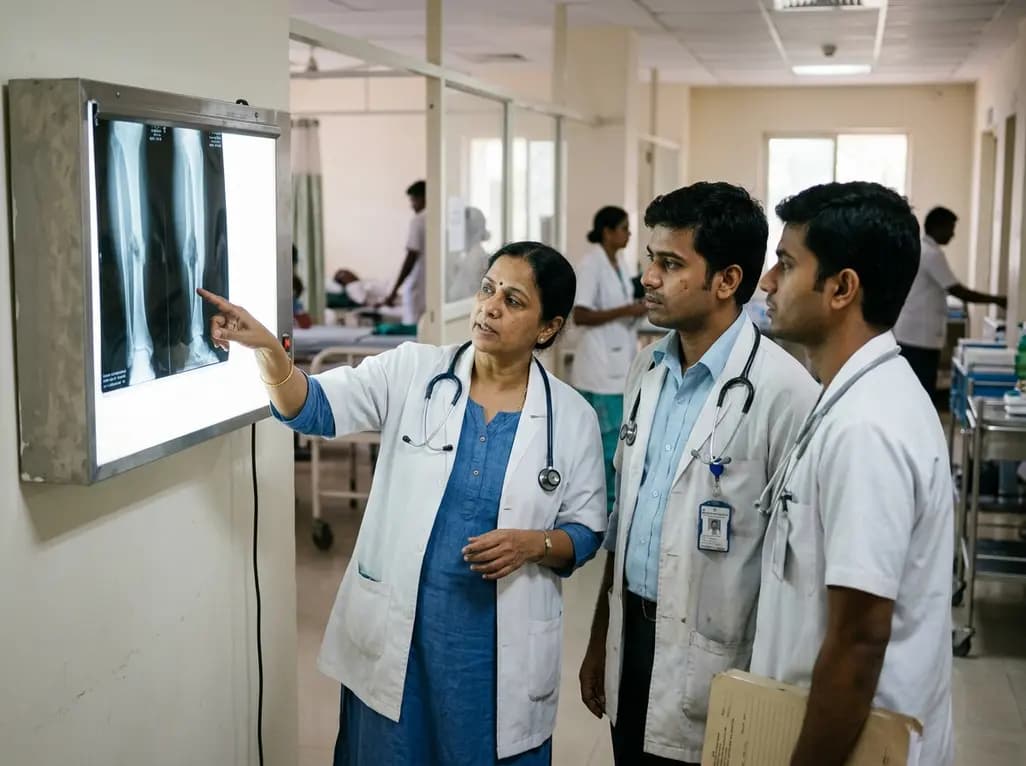
Researchers have engineered an injectable hydrogel delivering SDF-1 and MXene photothermal therapy to coordinate stem cell homing and metabolic rescue, driving robust bone-vascular regeneration in critical-sized skeletal defects.
Today

A longitudinal study reveals that an escalating cardiometabolic disease burden significantly accelerates health-related work cessation among middle-aged adults, highlighting an urgent need for proactive multimorbidity screening and tailored workplace health interventions.
Today
