.webp&w=384&q=75)

Loading, please wait...
Loading, please wait...
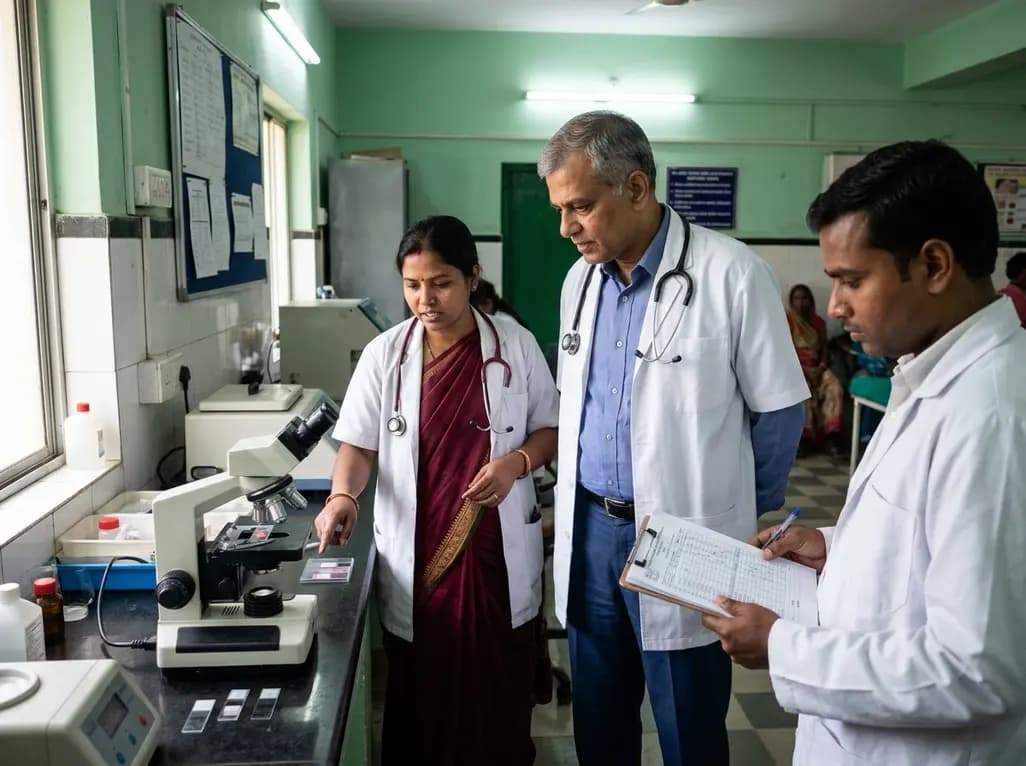
To establish the proper clinical context, we must examine the recent epidemiological reports from Jharkhand. A five-member central team recently visited Potka block in East Singhbhum district. This urgent intervention followed a rapid malaria surge reported over a ten-day period. Led by Dr. Ravishankar, the national experts assessed several community health centers and rural hospitals. Consequently, the team analyzed local diagnostic capacities and healthcare delivery. They expressed clear dissatisfaction with the current pace of daily diagnostic testing. This critical situation highlights the significant challenges that rural healthcare systems face during seasonal outbreaks. To address these issues, local health officials received immediate instructions to intensify their on-ground efforts. Because active transmission rates remain dangerously high, implementing rapid containment measures is absolutely vital. Furthermore, new community mobilization campaigns are successfully targeting environmental vector breeding sites. Therefore, active coordination between central and state authorities remains essential to control the expanding vector population. Clinicians must encourage local families to report symptoms and seek early diagnostic evaluation immediately. By raising public awareness, health workers can identify early infections and prevent severe disease progression. Ultimately, rapid diagnosis remains the most effective tool to combat this sudden regional outbreak.
Analyzing the latest diagnostic data reveals a dual threat from multiple malaria parasite strains. Specifically, during recent active screenings, the district recorded hundreds of positive cases. The reports indicate a heavy predominance of Plasmodium falciparum over Plasmodium vivax cases. While vivax infections cause prolonged morbidity, falciparum remains the primary driver of life-threatening complications. Clinical experts emphasize that distinguishing these species is essential for initiating correct therapeutic regimens. For example, falciparum infections require prompt artemisinin-based combination therapies to clear asexual parasites rapidly. In contrast, vivax infections necessitate additional radical curative therapy to eliminate dormant liver hypnozoites. Consequently, healthcare providers must utilize reliable rapid diagnostic test kits for accurate species identification. Furthermore, the high ratio of falciparum cases explains the elevated clinical severity observed among patients. To mitigate the risk of treatment failure, clinicians must monitor hospitalized patients very closely. Therefore, maintaining a robust supply of first-line antimalarial drugs across all clinics is a primary priority. Prompt treatment with effective medications can significantly reduce the overall burden on the health system. Additionally, local medical colleges are assisting rural healthcare centers by deploying additional trained staff. This collaborative medical approach is essential to manage the high volume of active malaria patients.
To understand the clinical severity, we must examine the progression of severe malaria infections. Dr. Sahir Pall highlighted that cerebral malaria is a highly lethal complication of falciparum infection. Pathophysiologically, the infection causes parasitized red blood cells to express specific adhesive proteins. Consequently, these cells adhere to the microvascular endothelium in the brain during the infection. This process of microvascular sequestration leads to impaired blood flow and localized tissue hypoxia. Clinically, patients present with high fever, progressive altered consciousness, generalized seizures, and deep coma. Because the mortality rate of untreated cerebral malaria is extremely high, rapid diagnosis is vital. Patients require intensive monitoring and supportive care to manage intracranial pressure and prevent deficits. Furthermore, clinical teams must prioritize intravenous artesunate over older alternative therapies like quinine. Therefore, recognizing early warning signs like extreme lethargy can save lives in pediatric cases. Clinicians must educate parents to identify these signs and seek emergency medical care immediately. Early administration of intravenous artesunate rapidly clears parasites from the blood and reduces mortality. Additionally, close observation of fluid balance is critical to prevent dangerous pulmonary or cerebral edema. This comprehensive clinical management is essential to improve survival rates in severely ill children.
In response to the expanding crisis, the district administration has launched an aggressive prevention campaign. Under the direction of the deputy commissioner, health workers are conducting extensive door-to-door surveys. Specifically, community health volunteers, locally known as sahiyas, have successfully surveyed thousands of households. These dedicated workers educate families about preventive measures and encourage symptomatic individuals to get tested. Additionally, the government has distributed medicated mosquito nets to vulnerable families in affected villages. Public awareness is being amplified through street plays, banners, and local posters in high-risk areas. Simultaneously, environmental vector control measures like indoor residual spraying have been accelerated to destroy breeding sites. Because early diagnosis remains the cornerstone of control, these local initiatives are absolutely essential. Furthermore, the integration of local volunteers ensures that clinical resources reach the most remote populations. Consequently, these integrated efforts serve as a vital defense mechanism against the expanding geographic outbreak. Health departments must continue to support these ground teams with adequate diagnostic and therapeutic supplies. Without consistent supply chains, local health posts cannot maintain the pace of active case detection. Therefore, regular monitoring of medicine stocks at the block level is critical during an outbreak. This proactive strategy prevents treatment delays and helps contain the localized transmission of malaria parasites.
To prevent the outbreak from spilling into adjacent regions, a special surveillance drive has been initiated. This extensive campaign focuses on dozens of villages located along the borders of high-risk blocks. Consequently, health departments have deployed portable diagnostic laboratories and dedicated medical teams to conduct screenings. By establishing a multi-tiered monitoring framework, officials can track real-time epidemiological trends very effectively. For instance, if a sudden cluster of cases emerges, rapid-response units are dispatched immediately to administer therapy. Clinicians must also participate in this surveillance by reporting every confirmed case to state health registries. This systematic data collection helps epidemiologists identify transmission hotspots and assess vector-control efficacy. Moreover, maintaining absolute transparency in case reporting is necessary to secure emergency state funding and supplies. Therefore, the ongoing collaboration between village workers and national vector-control programs remains the most effective strategy. These coordinated efforts are essential to establish a strong buffer zone around the affected districts. Additionally, health workers must collect blood smears from all febrile patients in bordering communities. Early isolation of active malaria cases prevents the local vector population from acquiring and transmitting parasites. This rigorous approach represents the ultimate shield against the further geographic expansion of the epidemic.
Q1: What are the primary warning signs of cerebral malaria in pediatric patients?
The primary warning signs of cerebral malaria in pediatric patients include high fever accompanied by altered consciousness or delirium. Additionally, children may experience recurrent generalized seizures, severe vomiting, or difficulty standing. Because these symptoms indicate critical neurological involvement, immediate hospitalization is absolutely mandatory. Furthermore, prompt administration of intravenous artesunate is required to prevent permanent brain damage or death. Clinicians must monitor these pediatric patients closely for any respiratory complications.
Q2: Why is intravenous artesunate preferred over other antimalarials for severe malaria?
Clinicians prefer intravenous artesunate because it clears circulating parasites much faster than older alternative drugs such as quinine. Furthermore, clinical trials have demonstrated that artesunate significantly reduces overall patient mortality in severe falciparum malaria cases. It also has an excellent safety profile with fewer risk factors for severe hypoglycemia. Consequently, both national and international clinical guidelines recommend intravenous artesunate as the first-line treatment for severe malaria complications.
Q3: How does the monsoon season contribute to the rapid spread of malaria outbreaks?
The monsoon season contributes to rapid malaria transmission because frequent rainfall creates stagnant pools of water. These pools act as perfect breeding sites for female Anopheles mosquitoes. Additionally, elevated humidity levels during this season significantly extend the lifespan of adult vector mosquitoes. This longer lifespan allows them to transmit the Plasmodium parasite much more efficiently. Consequently, vector densities surge rapidly, leading to explosive seasonal outbreaks across vulnerable communities.
Disclaimer: This content is for informational and educational purposes only. It does not constitute medical advice or replace professional judgment. Refer to the latest local and national guidelines for clinical practice.
References

Read summarized clinical updates, watch expert medical content, and earn CME certifications right from your smartphone.
Open your smartphone camera to scan and install.





A high-level central team led by Dr. Ravishankar recently inspected the malaria surge in East Singhbhum, Jharkhand. This comprehensive report covers the current clinical challenges, severe complications like cerebral malaria, and the extensive public health interventions deployed to contain the outbreak.
3 months ago
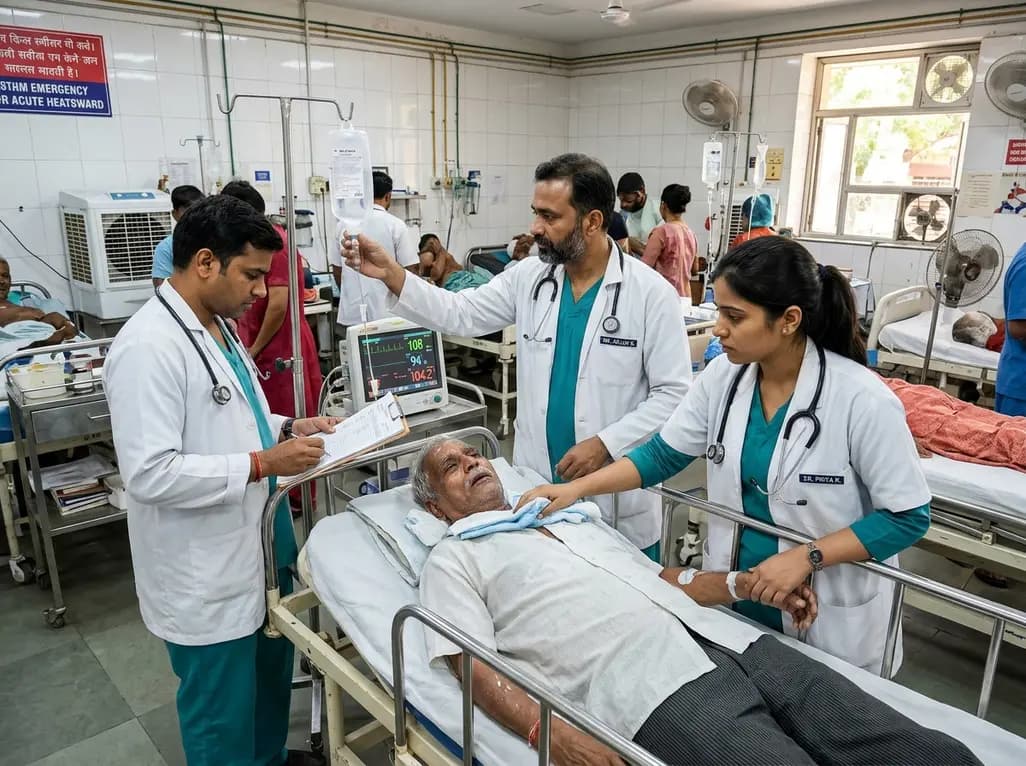
Recent epidemiological data reveals a dramatic surge in summer heat mortality driven by human-induced climate warming. This analysis explores the pathophysiological impacts on cardiac and renal systems, diagnostic dilemmas in death certification, and essential emergency cooling protocols for acute clinical care.
Today

Odisha has established India's first state-level clinical protocol specifically tailored for pregnant women with sickle cell disease. Developed with NHM and UNICEF, the framework provides structured antenatal screening, crisis mitigation, standardized referral pathways, and specialized interdisciplinary care.
Today

India is advancing preventive healthcare by integrating genomics, artificial intelligence, and quantum technologies. With the SANGAM programme sequencing one million Indian genomes, clinicians can unlock personalized therapies, detect cardiometabolic risks early, and curb the burden of diabetes and heart disease.
Today
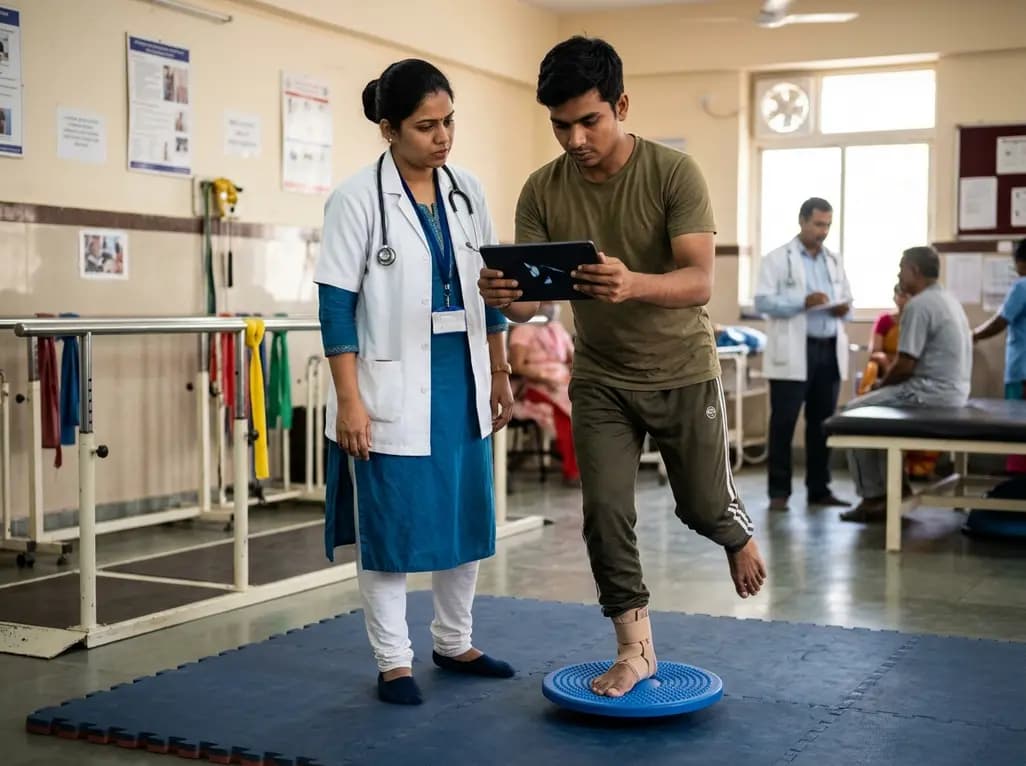
A randomized controlled trial demonstrates that an eight-week dual-task training intervention significantly improves static and dynamic postural control over standard balance exercises in individuals with chronic ankle instability, addressing critical neurocognitive deficits during athletic and daily activities.
Today

A retrospective cohort study of 7,716 ICU patients from the MIMIC-IV database demonstrates that Gradient Boosting Decision Trees significantly outperform traditional SOFA scores in predicting in-hospital mortality among patients with sepsis and diabetes, with SHAP analysis providing clinical interpretability.
Today
