.webp&w=384&q=75)

Loading, please wait...
Loading, please wait...
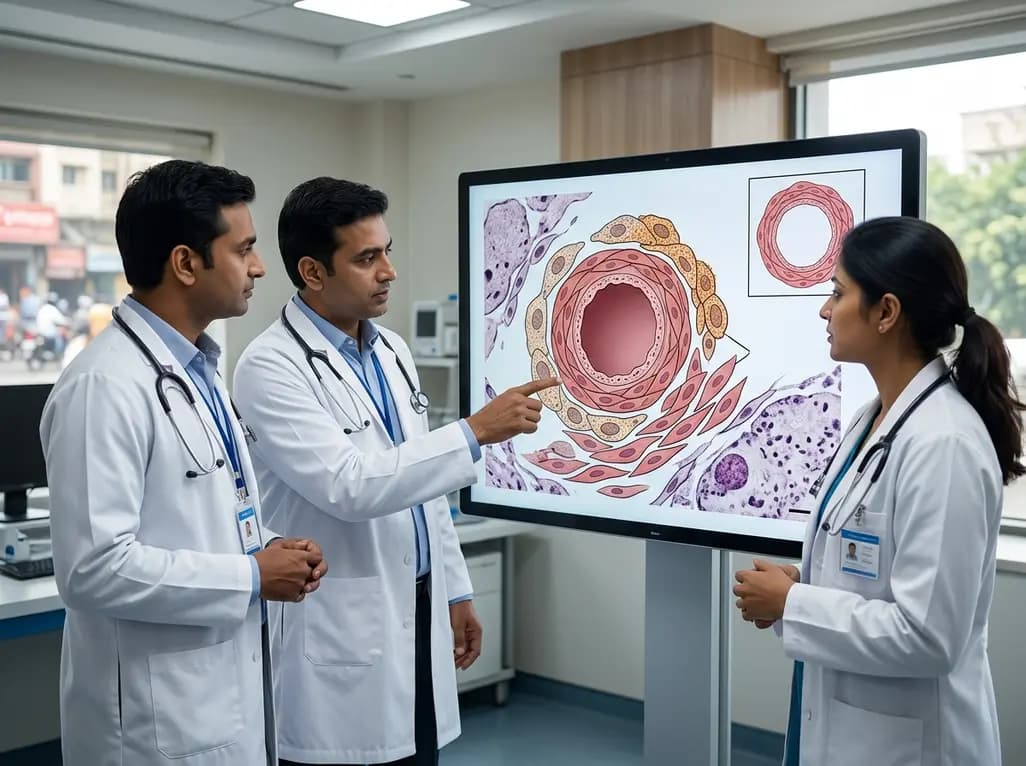
Preeclampsia (PE) remains a significant challenge for obstetricians in India, contributing to high maternal and neonatal morbidity. Recent research has shed new light on the mechanisms underlying spiral artery remodeling failure, a hallmark of this condition. Specifically, the study explores how CD81 overexpression in extravillous trophoblasts (EVTs) contributes to the retention of differentiated vascular smooth muscle cells (VSMCs). This retention hampers proper vessel expansion during pregnancy.
In a healthy pregnancy, VSMCs must undergo dedifferentiation to allow spiral arteries to transform into high-flow, low-resistance vessels. However, in preeclampsia, these cells often remain in their differentiated state. The researchers found that high levels of CD81 on EVTs interfere with this process. This interference occurs through a complex molecular interplay with decidual stromal cells (DSCs). Consequently, the reduced levels of insulin-like growth factor 2 (IGF2) in the decidua prevent the necessary phenotypic switching of VSMCs.
Furthermore, the study utilized both patient samples and mouse models to validate these findings. Severe preeclampsia (sPE) patients showed a higher proportion of retained VSMCs in their spiral arteries. Notably, this retention positively correlated with CD81 expression on trophoblasts. Pregnant mice with placental-restricted CD81 overexpression also exhibited PE-like phenotypes. These results provide a robust biological basis for how molecular signaling at the maternal-fetal interface dictates vascular outcomes.
One of the most significant findings is the role of IGF2 as a rescue molecule. In vitro experiments demonstrated that conditioned medium from CD81-overexpressing EVTs suppressed IGF2 production in stromal cells. When researchers supplemented the environment with exogenous IGF2, the VSMCs successfully resumed dedifferentiation. Therefore, the CD81-IGF2 axis represents a potential therapeutic target for addressing placental insufficiency in high-risk pregnancies. Additionally, this discovery opens new avenues for early diagnostic biomarkers in maternal circulation.
VSMC dedifferentiation is essential for successful spiral artery remodeling. It allows the vessel walls to lose their muscularity and expand, ensuring that the placenta receives adequate blood flow for fetal development.
CD81 acts as a regulator on the surface of trophoblasts. When overexpressed, it restricts the release of growth factors like IGF2 from the surrounding maternal cells. This restriction prevents the vascular changes needed for a healthy pregnancy.
Disclaimer: This content is for informational and educational purposes only and does not constitute medical advice. Always seek the advice of a qualified healthcare provider with any questions regarding a medical condition. Refer to the latest local and national guidelines for clinical practice.
References
Cao C et al. CD81 restricts decidual IGF2-mediated smooth muscle cell dedifferentiation during spiral artery remodeling in preeclampsia. BMC Med. 2026 Jun 05. doi: 10.1186/s12916-026-04965-y. PMID: 42243812.
Osol G, Mandala M. Maternal uterine vascular remodeling during pregnancy. Physiology (Bethesda). 2009;24:150-171. doi:10.1152/physiol.00054.2008.
Moffett-King A. Natural killer cells and pregnancy. Nat Rev Immunol. 2002;2(9):656-663. doi:10.1038/nri886.

Read summarized clinical updates, watch expert medical content, and earn CME certifications right from your smartphone.
Open your smartphone camera to scan and install.





Researchers identify how CD81 overexpression in trophoblasts hinders smooth muscle cell dedifferentiation, leading to defective spiral artery remodeling in ...
4 months ago
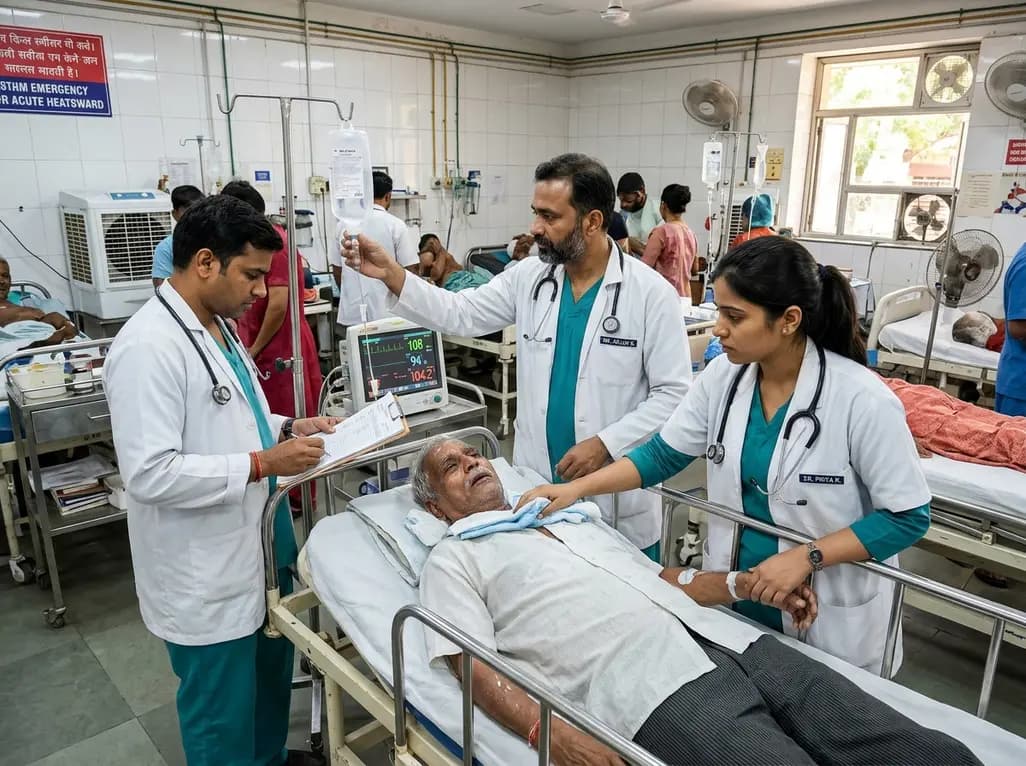
Recent epidemiological data reveals a dramatic surge in summer heat mortality driven by human-induced climate warming. This analysis explores the pathophysiological impacts on cardiac and renal systems, diagnostic dilemmas in death certification, and essential emergency cooling protocols for acute clinical care.
Today

Odisha has established India's first state-level clinical protocol specifically tailored for pregnant women with sickle cell disease. Developed with NHM and UNICEF, the framework provides structured antenatal screening, crisis mitigation, standardized referral pathways, and specialized interdisciplinary care.
Today

India is advancing preventive healthcare by integrating genomics, artificial intelligence, and quantum technologies. With the SANGAM programme sequencing one million Indian genomes, clinicians can unlock personalized therapies, detect cardiometabolic risks early, and curb the burden of diabetes and heart disease.
Today

A randomized controlled trial demonstrates that an eight-week dual-task training intervention significantly improves static and dynamic postural control over standard balance exercises in individuals with chronic ankle instability, addressing critical neurocognitive deficits during athletic and daily activities.
Today

A retrospective cohort study of 7,716 ICU patients from the MIMIC-IV database demonstrates that Gradient Boosting Decision Trees significantly outperform traditional SOFA scores in predicting in-hospital mortality among patients with sepsis and diabetes, with SHAP analysis providing clinical interpretability.
Today
