.webp&w=384&q=75)

Loading, please wait...
Loading, please wait...

The landscape of health insurance is evolving rapidly through cashless claims automation. Star Health Insurance recently announced its goal to process over 50% of claims via artificial intelligence within two years. Currently, the company uses AI to settle approximately 20% of its claims without human intervention. This technological shift aims to streamline the hospitalisation process for both providers and patients.
AI technology significantly enhances the speed of claim approvals. Consequently, hospitals can meet the strict timelines set by the insurance regulator. Furthermore, the IRDAI now requires pre-admission authorisation within one hour. Hospitals must also complete discharge authorisations within three hours. Therefore, automated systems are becoming essential for maintaining operational efficiency. Moreover, human experts will focus primarily on high-value claims or complex exceptions. This approach ensures that routine cases move quickly through the system.
The General Insurance Council is currently working on common empanelment for at least 10,000 facilities. In addition, the industry is focusing on transparent billing and standardized treatment protocols. Digital initiatives like the National Health Claims Exchange (NHCX) and ABHA play a crucial role in this integration. Specifically, these platforms allow for seamless data sharing between insurers and healthcare providers. As a result, the entire ecosystem becomes more transparent and reliable for the end consumer.
Q1: What are the current regulatory timelines for cashless claim approvals in India?
According to the latest mandates from the regulator, insurers must process pre-admission authorisations within one hour and discharge authorisations within three hours.
Q2: What is the role of the NHCX in health insurance?
The National Health Claims Exchange (NHCX) serves as a digital gateway. It facilitates the seamless and standardized exchange of claim-related information between hospitals and insurance companies.
Disclaimer: This content is for informational and educational purposes only. It does not constitute medical advice or replace professional judgment. Refer to the latest local and national guidelines for clinical practice.
References

Read summarized clinical updates, watch expert medical content, and earn CME certifications right from your smartphone.
Open your smartphone camera to scan and install.





Star Health Insurance plans to automate over 50% of cashless claims using AI within two years, improving hospital efficiency and regulatory compliance....
7 months ago
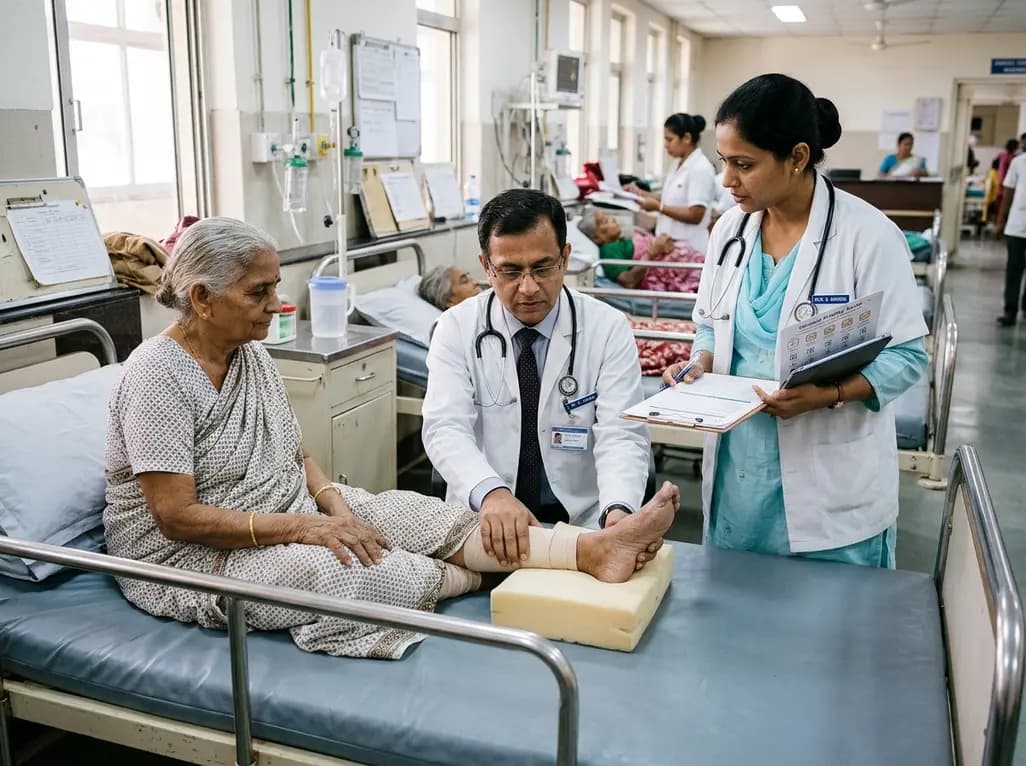
A retrospective cohort study reveals that frailty quadruples the odds of pressure injuries in hospitalized older adults. Integrating the Clinical Frailty Scale with comprehensive geriatric care is crucial for identifying vulnerability early and implementing targeted multidisciplinary prevention.
Today
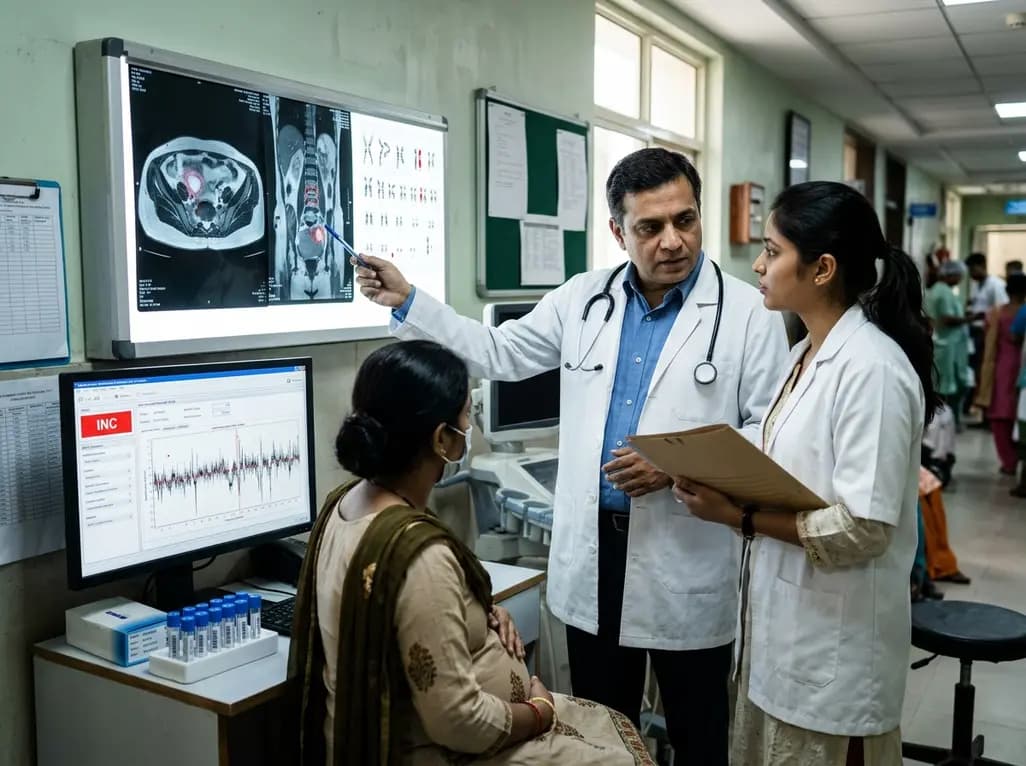
Occult maternal malignancy accounts for 3.82% of persistent unreportable NIPT results with genomic noise. Multiple chromosomal aberrations, notably on chromosome 18, warrant thorough oncological evaluation and whole-body MRI to ensure timely maternal diagnosis while preserving fetal care.
Today
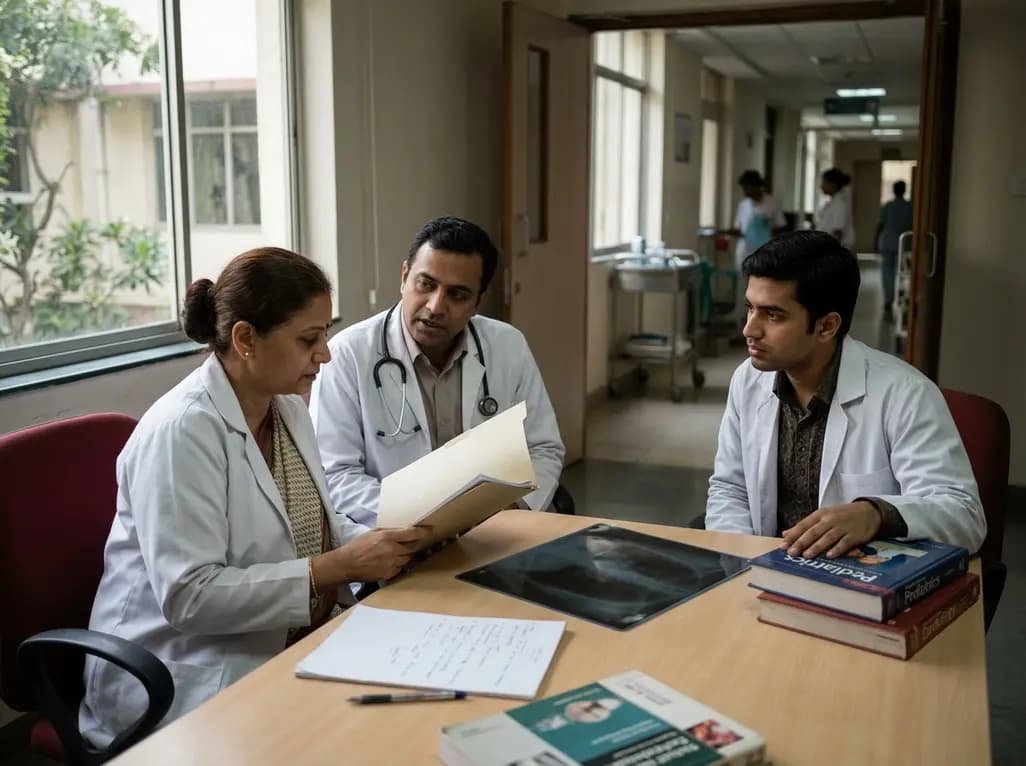
This article reviews the forensic and clinical complexities of acute myocarditis arising on left ventricular hypertrophy in children, highlighting early diagnostic red flags and multidisciplinary postmortem autopsy protocols.
Today

A randomized controlled trial demonstrates that an eight-week dual-task training intervention significantly improves static and dynamic postural control over standard balance exercises in individuals with chronic ankle instability, addressing critical neurocognitive deficits during athletic and daily activities.
Today

A retrospective cohort study of 7,716 ICU patients from the MIMIC-IV database demonstrates that Gradient Boosting Decision Trees significantly outperform traditional SOFA scores in predicting in-hospital mortality among patients with sepsis and diabetes, with SHAP analysis providing clinical interpretability.
Today
