.webp&w=384&q=75)

Loading, please wait...
Loading, please wait...
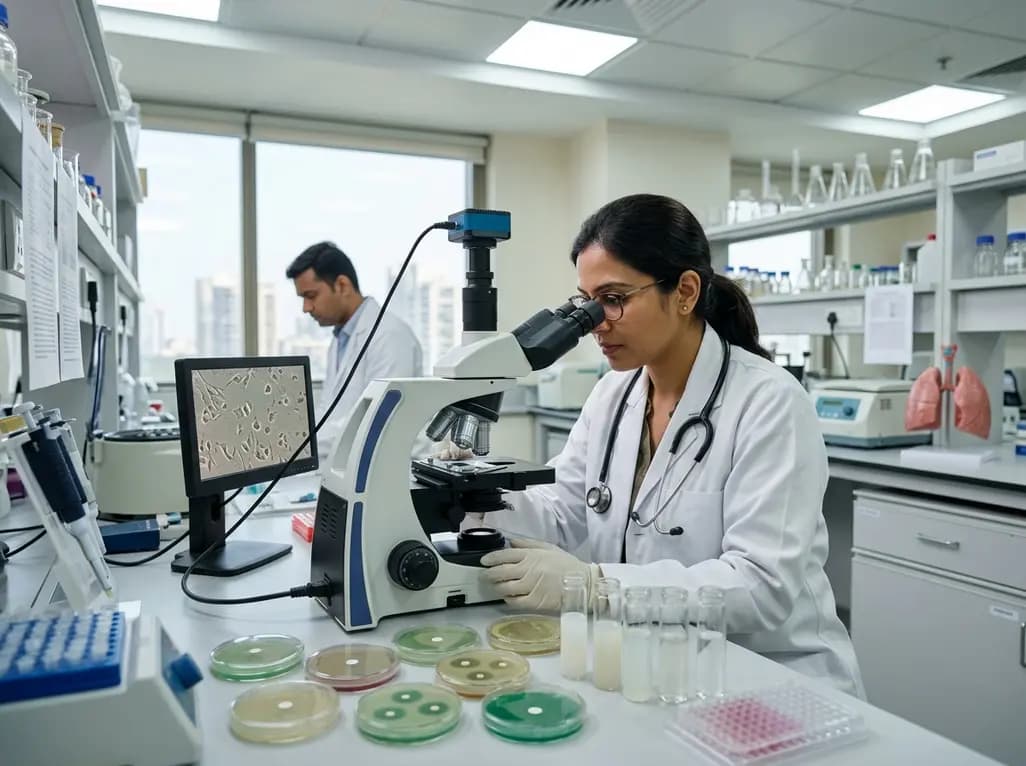
Biological contamination in global food supplies remains a critical public health challenge, driving the urgent need for innovative antimicrobial solutions. Carvacrol, a potent bioactive compound derived from oregano and thyme essential oils, has emerged as a significant natural alternative to traditional antibiotics. Despite its high efficacy, carvacrol faces practical limitations due to its extreme volatility and sensitivity to environmental stressors like light and oxygen. Consequently, researchers have turned to nanotechnology to bridge this gap. This study highlights the development of carvacrol polyhydroxybutyrate nanoparticles (CAR-PHB-NPs) to encapsulate this phenolic monoterpenoid. By utilizing polyhydroxybutyrate, a biodegradable and biocompatible polymer, scientists can shield carvacrol from degradation while ensuring its functional properties remain intact. Furthermore, this encapsulation strategy addresses the issue of intense sensory attributes, which often restrict the direct application of essential oils in clinical or food environments. Therefore, the integration of biopolymer science with plant-derived antimicrobials represents a transformative approach in both preventive medicine and food science. This research emphasizes that successful delivery systems must prioritize stability and controlled release to remain effective over extended periods in various matrices.
The synthesis of CAR-PHB-NPs utilizes the nanoprecipitation method, a highly efficient technique for producing uniform submicron structures. This process yielded hydrodynamic diameters ranging between 200 and 250 nm, which are ideal for maximizing surface area and biological interaction. Moreover, the nanoparticles displayed polydispersity index values of 0.220 to 0.327, suggesting a relatively narrow and consistent size distribution. Another vital metric, the zeta potential, ranged from -25 to -43 mV. This strongly negative surface charge provides significant electrostatic repulsion, which effectively prevents particle aggregation and ensures long-term colloidal stability. Notably, storage tests demonstrated that refrigeration could maintain nanoparticle integrity for over 247 days. Such durability is essential for practical applications in pharmaceutical logistics and food storage. Furthermore, the researchers optimized the formulation to achieve the highest possible loading. Among the various concentrations tested, the 25% CAR-0.2% PHB-NPs formulation emerged as the most successful, providing an encapsulation efficiency of 15.56%. Consequently, these stable nanostructures serve as a reliable reservoir for the controlled release of the bioactive agent, shielding it from premature evaporation or environmental oxidation during transport and storage phases.
Understanding the release dynamics of encapsulated compounds is essential for determining their therapeutic or preservative efficacy. The study evaluated CAR-PHB-NPs across various food simulants to model real-world interactions. Specifically, the release kinetics studies demonstrated a prolonged and controlled discharge of carvacrol, rather than a rapid burst. This sustained release behavior was particularly evident in non-polar solvent systems, which simulate moderate and lipid-rich food matrices. In these environments, the lipophilic nature of both carvacrol and the PHB polymer allows for a more gradual diffusion process. Furthermore, the ability to control the release rate ensures that a therapeutic concentration of the antimicrobial agent is maintained over a longer duration. This is superior to free carvacrol, which often loses its potency quickly due to its high vapor pressure. Consequently, the study confirms that the polymeric matrix acts as a functional barrier, regulating the exit of carvacrol into the surrounding environment. Such findings are particularly relevant for active packaging systems and localized drug delivery, where maintaining a steady bioactive concentration is more desirable than a high-dose initial exposure that dissipates rapidly.
The antimicrobial efficacy of the newly developed CAR-PHB-NPs was rigorously tested against common pathogenic bacteria, including Staphylococcus aureus and Listeria monocytogenes. These organisms are frequently implicated in healthcare-associated infections and severe foodborne illnesses. The results confirmed significant inhibitory effects, with the nanoparticles achieving reductions of 0.76 log (CFU/mL) against S. aureus and 0.56 log (CFU/mL) against L. monocytogenes. While these log reductions indicate moderate immediate bactericidal activity, the true value lies in the sustained presence of the antimicrobial agent. By consistently releasing carvacrol, the nanoparticles prevent the rapid regrowth of bacterial populations, which is a common failure point for volatile antimicrobials. Furthermore, carvacrol is known to disrupt bacterial cell membranes and inhibit intracellular enzymes, making it harder for bacteria to develop resistance compared to traditional antibiotics. Similarly, the study suggests that the nanostructure facilitates better interaction with the bacterial cell wall, potentially increasing the localized concentration of the phenolic compound. Therefore, these findings provide a robust foundation for using CAR-PHB-NPs as a sustainable tool to mitigate microbial contamination in both medical settings and the food supply chain, thereby enhancing overall safety protocols.
Beyond its antimicrobial role, the study explored the human health potential of carvacrol polyhydroxybutyrate nanoparticles through cytotoxic assays. Using A549 human lung epithelial cells, researchers observed a dose-dependent reduction in cell viability. This observation is significant as it suggests that carvacrol, when delivered via nanoparticles, may possess inherent anticancer properties. Specifically, moderate concentrations of the formulation maintained cell viability above 50%, indicating a delicate balance between functional cytotoxicity and general biocompatibility. Furthermore, the findings suggest that the nanoparticles could be tailored to target malignant cells while sparing healthy tissue, a cornerstone of modern nanomedicine. The A549 cell line serves as a model for respiratory health and oncology, highlighting the potential for these nanoparticles to be used in targeted pulmonary therapies. Additionally, the controlled release mechanism may minimize systemic side effects by ensuring that carvacrol is delivered directly to the target site. Consequently, these results offer a dual perspective: they validate the safety of low-dose applications in food systems while simultaneously opening doors for more intensive biomedical research into the therapeutic potential of plant-derived compounds in cancer management.
The results of this study pave the way for a variety of future research and clinical applications. While the current formulations of carvacrol polyhydroxybutyrate nanoparticles show promise, there is significant room for optimization. Future studies should focus on further enhancing the encapsulation efficiency to maximize the dose-to-volume ratio. Moreover, evaluating the mechanisms of gastrointestinal absorption is crucial if these nanoparticles are to be used as oral supplements or in digestive health treatments. Researchers also need to investigate the specific interactions between the PHB matrix and human mucosal surfaces to ensure safety across diverse populations. Furthermore, exploring targeted drug delivery systems could allow CAR-PHB-NPs to be used in treating localized infections or inflammatory conditions without affecting the systemic microbiome. Ultimately, the integration of carvacrol into biodegradable nanocarriers represents a synergistic blend of traditional herbal medicine and modern engineering. By refining these delivery systems, the medical community can develop safer, more natural therapeutic alternatives that address the dual challenges of microbial resistance and chronic disease management. Consequently, the advancement of this technology could lead to significant improvements in both preventive health and clinical treatment paradigms worldwide.
Polyhydroxybutyrate (PHB) is a sustainable, biodegradable polymer that offers excellent biocompatibility for medical and food applications. It effectively encapsulates carvacrol, protecting the volatile compound from environmental degradation. By providing a stable polymeric matrix, PHB ensures a controlled and sustained release of the bioactive agent. This is superior to direct application, as it extends the duration of carvacrol’s antimicrobial effects while minimizing its characteristic strong odor and potential for rapid evaporation.
These nanoparticles provide a continuous release of carvacrol, which inhibits the growth of pathogens like S. aureus and L. monocytogenes. Unlike free essential oils that evaporate or degrade quickly, the encapsulated carvacrol remains active for longer periods within food simulants. This helps maintain a low microbial load in food systems and active packaging, effectively reducing the risk of contamination and extending the shelf life of perishable products in a safe manner.
The cytotoxic assay conducted on A549 lung epithelial cells demonstrated that CAR-PHB-NPs can induce a dose-dependent reduction in cancer cell viability. This suggests that the nanoparticles may have potential as a supplementary treatment or targeted therapy for certain types of cancer. While maintaining biocompatibility at moderate doses, the formulation shows anticancer activity, providing a biological basis for exploring plant-derived monoterpenoids as therapeutic agents in modern oncology and specialized drug delivery systems.
Disclaimer: This content is for informational and educational purposes only. It is not intended to provide medical advice or to substitute for professional clinical judgment. Readers should consult with qualified healthcare professionals for diagnosis and treatment. Refer to the latest local and national guidelines for clinical practice.
References
Romero-Castelán E et al. Polyhydroxybutyrate nanoparticles for encapsulating carvacrol: release in food simulants, antimicrobial applications and human health potential. J Biomater Sci Polym Ed. 2026 Jul 07. doi: 10.1080/09205063.2026.2696910. PMID: 42413116.
"
Read summarized clinical updates, watch expert medical content, and earn CME certifications right from your smartphone.
Open your smartphone camera to scan and install.





New research details the synthesis of CAR-PHB-NPs, showcasing their role in inhibiting S. aureus and L. monocytogenes while demonstrating dose-dependent cytotoxicity in lung cells, offering a promising dual-purpose strategy for food preservation and biomedical applications.
3 months ago

As monsoon seasons elevate arboviral disease threats, Tamil Nadu has initiated an ICMR-monitored evaluation of the tetravalent dengue vaccine in Tenkasi district. Clinicians emphasize clinical monitoring, public prevention, and high-quality early pediatric care to reduce disease morbidity across endemic regions.
Today

Leucine Rich Bio has introduced South Asia's first comprehensive vaginal microbiome test, BugSpeaks. By profiling microbial dysbiosis, pathogens, and antimicrobial resistance, this next-generation diagnostic platform provides clinicians with deeper insights into recurrent infections, fertility, and reproductive health.
Today

Review how tailored exercise programs benefit frail older patients with heart failure. Explore pathophysiological mechanisms, individualized training prescriptions, and strategies to overcome adherence barriers in clinical practice.
Today

This comparative study evaluates posterior labral tears with and without glenohumeral instability, highlighting distinct demographic patterns, MRI underestimation in stable shoulders, and successful arthroscopic repair outcomes.
Today

A clinical study demonstrates that early intervention with tocilizumab, either as monotherapy or bridged with corticosteroids, achieves significant proptosis reduction and resolves active inflammation in treatment-naive thyroid eye disease.
Today
