.webp&w=384&q=75)

Loading, please wait...
Loading, please wait...
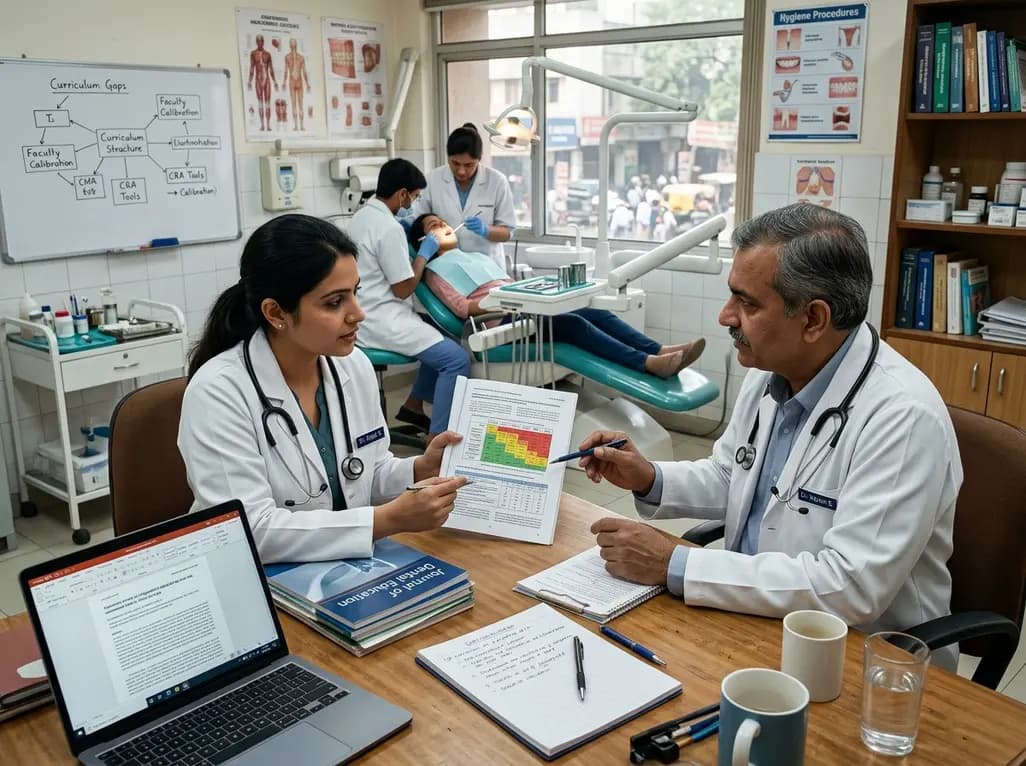
Contemporary dentistry increasingly emphasizes personalized disease prevention rather than reactive surgical intervention. Within this preventive paradigm, caries risk assessment tools serve as the cornerstone for evaluating biological risk factors, protective elements, and clinical disease indicators. By stratifying patients into distinct risk categories, clinicians can formulate individualized care plans that arrest early demineralization. However, despite widespread didactic instruction in academic institutions, translating these assessment models into daily clinical care remains challenging. A recent systematic review examined the adoption, curricular integration, and clinical utility of these instruments across North American dental programs, shedding light on the persistent disconnect between classroom theory and clinical application.
Historically, dental education prioritized the surgical management of cavitated lesions, often termed the restorative cycle. Consequently, traditional treatment regimens addressed the physical defects of tooth decay without modifying the underlying bacterial and behavioural determinants. Over recent decades, cariology education shifted significantly toward minimal intervention dentistry. In this modern framework, structured risk assessment instruments help clinicians identify specific patient vulnerabilities, such as high cariogenic bacterial counts, low salivary flow rates, frequent dietary carbohydrate exposure, and inadequate fluoride exposure.
Furthermore, standardizing this assessment process empowers dental providers to deliver targeted remineralization therapies and behavioural counselling before irreversible tooth destruction occurs. Established systems, including Caries Management by Risk Assessment and Cariogram models, synthesize complex clinical variables into practical risk classifications. Therefore, introducing dental students to these tools early in their training is critical for fostering preventive instincts. As academic institutions embed these methodologies into their predoctoral programs, students learn that caries is a dynamic, biofilm-mediated disease that requires active, non-operative management alongside necessary restorative care.
The systematic review evaluated twelve comprehensive studies spanning Canada and the United States to assess how dental institutions operationalize caries risk evaluation. Overall, the findings indicate that virtually all North American dental schools incorporate structured assessment protocols within their formal coursework. Faculty deliver didactic instruction through lectures, preclinical workshops, and computer-based simulation modules. Consequently, dental students acquire robust theoretical comprehension regarding disease indicators, biological determinants, and protective interventions.
However, the review identified significant disparities in how these protocols transition into clinic floors. While dental schools successfully establish didactic frameworks, student utilization of assessment instruments during direct patient encounters remains variable and inconsistent. In many clinics, students complete digital forms primarily as compliance requirements rather than actionable diagnostic foundations. In addition, student-led risk evaluations frequently lack longitudinal tracking across subsequent maintenance appointments. Thus, while academic leaders recognize the pedagogical necessity of these tools, seamless operational integration across clinical clinics remains incomplete.
One of the primary findings highlighted in the systematic review is the marked discordance between didactic instruction and practical risk categorization. When dental students assess actual clinical cases, their ability to assign accurate risk classifications drops significantly without direct faculty guidance. In multiple analyzed studies, baseline student accuracy in determining correct risk categories ranged from suboptimal levels to modest proficiency. Furthermore, outcome measures varied considerably among institutions, reflecting diverse scoring criteria and software configurations.
This inconsistency stems largely from the subjective interpretation of multifactorial clinical data. For example, students often struggle to weigh competing variables, such as active enamel demineralization versus optimal home fluoride use. Consequently, students may either overestimate risk, leading to unnecessary therapeutic measures, or underestimate disease activity, omitting vital preventive interventions. Moreover, the pressure to meet clinical restorative quotas frequently shifts student focus toward procedural requirements rather than comprehensive diagnostic risk evaluations. Addressing this educational divide requires dental educators to develop structured, case-based clinical rubrics that reinforce objective diagnostic reasoning.
Faculty calibration represents a decisive factor in improving the accuracy and clinical adoption of caries evaluation protocols. The systematic review highlighted that structured calibration workshops dramatically enhance diagnostic concordance among both clinical supervisors and dental students. Specifically, institutional calibration initiatives improved risk assessment accuracy from initial rates as low as 8% to 56% up to 50% to 86% following formal training. Therefore, continuous faculty alignment directly correlates with enhanced student competence and reliable patient risk stratification.
Without regular calibration, supervising clinical faculty frequently provide conflicting recommendations to students based on personal clinical habits rather than evidence-based school protocols. In turn, students experience confusion and may abandon structured risk assessment altogether in favor of intuitive, unstandardized judgments. Establishing rigorous calibration programs ensures that all clinical instructors apply uniform diagnostic thresholds and management recommendations. Additionally, calibrated instructors can effectively challenge students during chairside evaluations, prompting deeper reflection on how individual risk scores dictate specific recall intervals and topical chemotherapeutic regimens.
An accurate risk assessment provides minimal patient benefit if it does not directly inform clinical treatment planning. The systematic review revealed a persistent failure to link risk scores with tailored preventive care delivery in university dental clinics. Even when students successfully identified patients at moderate or high risk for caries, corresponding preventive prescriptions were frequently omitted or inconsistently documented. Consequently, high-risk patients often received standard restorative fillings without adjunctive antibacterial washes, prescription fluoride toothpaste, or structured nutritional counseling.
Furthermore, institutional clinic workflows often lack automated clinical decision support systems within electronic health records. When electronic systems do not link risk categories to standardized preventive treatment bundles, students must manually design non-operative protocols, leading to frequent oversights. Hence, closing this clinical gap requires academic dental health centers to integrate risk-linked care pathways directly into digital clinic management systems. By mandating preventive interventions as standard care deliverables, institutions ensure that clinical training reflects holistic, evidence-based disease management.
To overcome implementation barriers, dental curricula must undergo strategic restructuring that aligns pedagogical goals with clinical accountability. Academic leaders should introduce progressive, longitudinal cariology tracks that span from foundational preclinical years through advanced clinical rotations. Moreover, dental schools must revise grading systems to reward successful disease stabilization and non-operative arrest alongside restorative proficiency. When institutional incentives value preventive outcomes, dental students naturally prioritize comprehensive risk evaluation during routine clinical practice.
In addition, expanding interprofessional education and incorporating modern digital health technologies will further modernize cariology training. Interactive diagnostic modules, AI-assisted risk prediction algorithms, and standardized patient simulations can reinforce diagnostic accuracy before students manage complex clinical cases. Ultimately, strengthening faculty training, maintaining regular instructor calibration, and redesigning clinical workflows will empower future dental practitioners to deliver superior, patient-centered oral health care throughout their professional careers.
Faculty calibration is essential because it standardizes diagnostic criteria and clinical recommendations across all teaching instructors. Without calibration, inconsistent faculty guidance leads to student confusion and erratic risk classification. Structured calibration significantly improves student diagnostic accuracy, ensuring that predoctoral clinics deliver evidence-based, reproducible, and uniform preventive patient care.
Caries risk assessment shifts the therapeutic focus from reactive tooth restoration to proactive disease management. By identifying biological risk factors and early demineralization before cavities form, clinicians can prescribe targeted chemotherapeutic agents, dietary modifications, and fluoride therapies that arrest or reverse disease activity without operative tooth preparation.
The primary barriers include subjective risk categorization, uncalibrated clinical faculty, lack of electronic clinical decision support, and curriculum structures that emphasize restorative quotas over preventive outcomes. Overcoming these challenges requires institutional workflow integration, regular instructor calibration, and grading models that reward disease prevention.
Disclaimer: This content is for informational and educational purposes only. It does not constitute medical advice, diagnosis, or treatment. Healthcare professionals should exercise their independent clinical judgment. Refer to the latest local and national guidelines for clinical practice.
References
Shahid F et al. Caries Risk Assessment Tools in North American Dental Curricula and Educational Implications: A Systematic Review. J Dent Educ. 2026 Aug 24. doi: 10.1002/jdd.70360. PMID: 42635617.
Featherstone JDB, Chaffee BW. The Evidence for Caries Management by Risk Assessment (CAMBRA®). Adv Dent Res. 2018;29(1):9-14.
Fontana M, Gonzalez-Cabezas C. Caries risk assessment: current status and future development. J Dent Educ. 2012;76(8):1026-1035.

Read summarized clinical updates, watch expert medical content, and earn CME certifications right from your smartphone.
Open your smartphone camera to scan and install.





A systematic review evaluates the integration of caries risk assessment tools in North American dental curricula, highlighting gaps between didactic teaching and clinical practice alongside the critical role of faculty calibration.
last month

Plasma calprotectin correlates strongly with acute phase reactants, joint counts, and autoantibody load in rheumatoid arthritis. Evaluating calprotectin alongside CRP identifies aggressive inflammatory phenotypes, providing clinicians with actionable insights to refine treatment and monitoring strategies.
Today
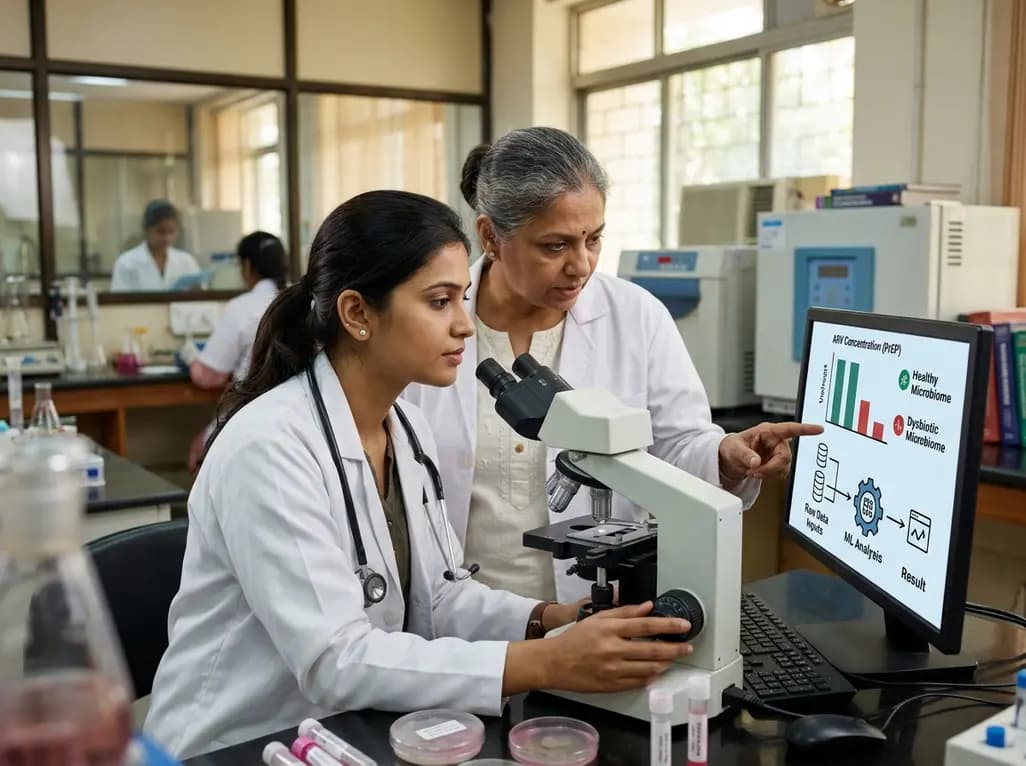
A pharmacometric and machine learning study reveals that specific vaginal bacteria alter cervical antiretroviral exposure, highlighting the need for precision HIV PrEP strategies.
Today
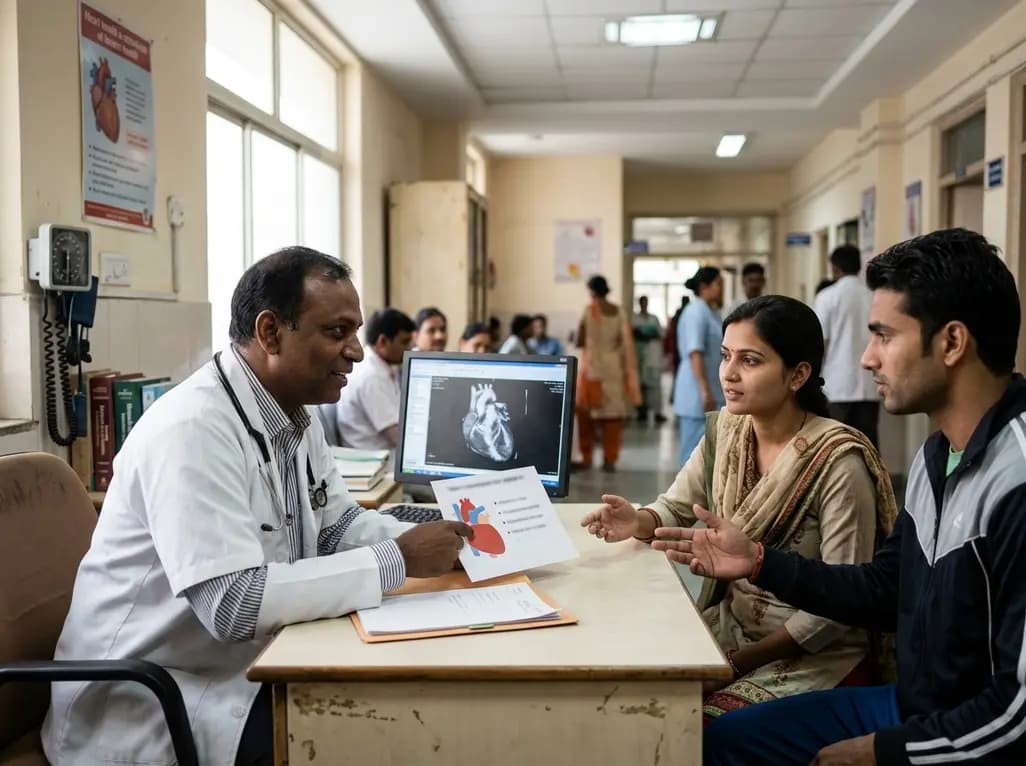
New clinical evidence demonstrates a shift away from strict exercise restrictions in genetic heart disease. While patients with channelopathies engage in more vigorous activity than those with cardiomyopathies, shared decision-making and individualized risk assessments ensure safe, beneficial exercise participation.
Today
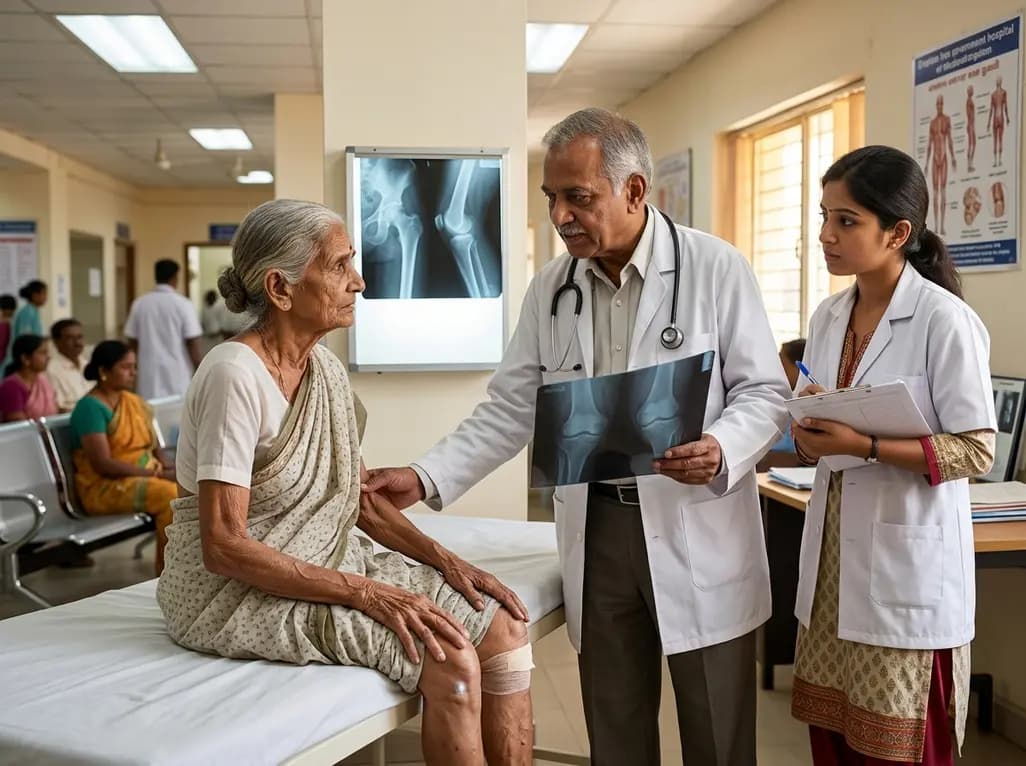
Sarcopenia significantly impairs functional independence and amplifies fracture risks in patients with osteoarthritis and osteoporosis. Learn about modern diagnostic strategies, GLP-1 therapy considerations, and evidence-based non-pharmacological management across multidisciplinary clinical settings.
Today
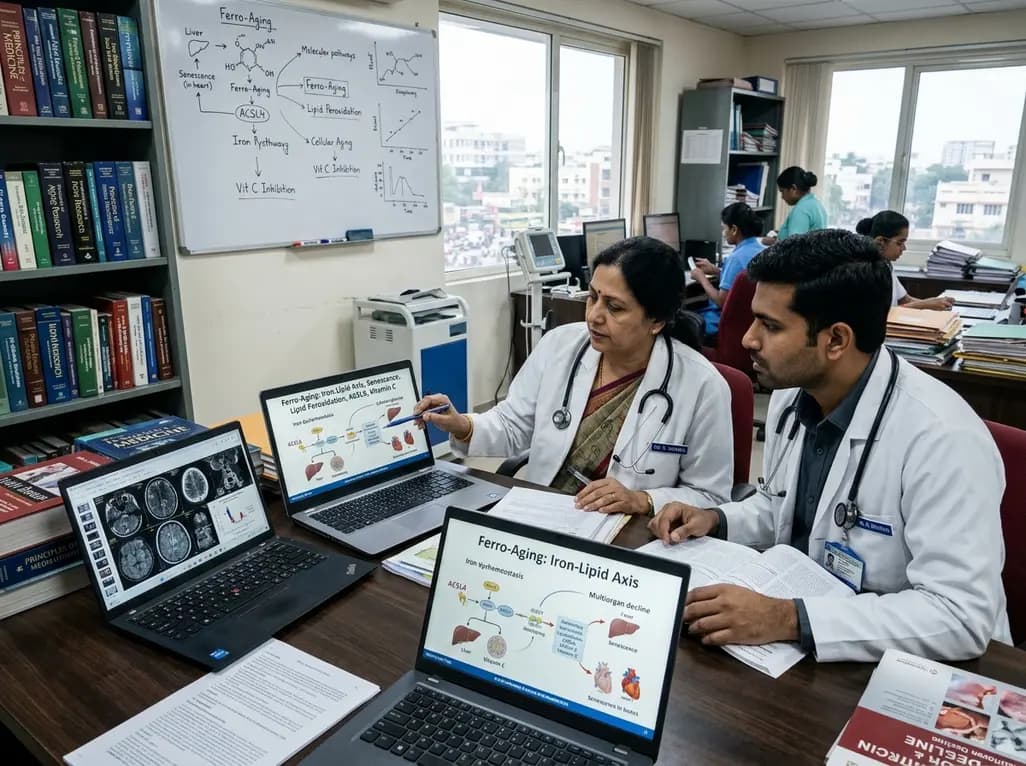
Recent research defines ferro-aging as a conserved iron-lipid axis driving organ decline across primates. Age-related iron dyshomeostasis stimulates ACSL4-mediated lipid peroxidation, promoting cellular senescence. Notably, vitamin C directly inhibits ACSL4, suppressing phospholipid oxidation and multi-organ decay.
Today
