.webp&w=384&q=75)

Loading, please wait...
Loading, please wait...

Prostate cancer survivorship has advanced substantially over recent decades due to early detection and innovative oncological therapies. However, cardiovascular disease remains a leading cause of non-cancer morbidity and mortality among these men. Clinicians increasingly recognize that routine cardiovascular specialist referral plays a vital role in addressing underlying metabolic and vascular threats. Many patients diagnosed with prostate cancer share common risk factors with atherosclerotic disease, including advanced age, sedentary habits, obesity, and dyslipidemia. Furthermore, common prostate cancer treatments can exacerbate existing cardiometabolic vulnerabilities. Androgen deprivation therapy, while oncologically essential, alters lipid metabolism, elevates blood pressure, and promotes insulin resistance. Consequently, oncology teams often struggle to manage these complex comorbidity profiles in high-volume settings. A dedicated cardio-oncology approach can mitigate these hazards through early cardiovascular risk stratification and aggressive lifestyle counseling. Therefore, modern prostate cancer management requires seamless interdisciplinary collaboration between urologists, oncologists, cardiologists, and primary care physicians. Establishing standardized referral pathways helps clinicians identify individuals who will derive the most meaningful therapeutic benefit from specialist consultation. By prioritizing high-risk individuals, medical teams optimize resource utilization and substantially improve patient outcomes across the survivorship journey.
The RADICAL PC-2 randomized controlled trial evaluated whether systematic cardiovascular assessment by internists or cardiologists improves clinical outcomes in men with prostate cancer. Investigators randomized participants to receive either structured specialist-led lifestyle and risk factor management or standard oncology follow-up. Overall, the intervention group demonstrated notable improvements in composite cardiometabolic markers, predominantly driven by better cholesterol control. However, the trial did not find statistically significant differences in hard cardiovascular endpoints, such as myocardial infarction, stroke, or cardiovascular mortality. Therefore, researchers conducted prespecified subgroup analyses to identify which patient cohorts derive the greatest benefit from specialist consultation. They utilized the hierarchical win ratio methodology to assess composite endpoints incorporating cardiovascular mortality, stroke, heart failure, and blood pressure control. The findings clearly demonstrated that patient risk profiles substantially influence referral efficacy. Patients presenting with poorly controlled baseline cardiovascular parameters achieved profound clinical improvements through structured specialist care. Conversely, men with baseline optimal risk profiles experienced less pronounced incremental gains. Thus, rather than universal referral, targeted allocation of specialist resources provides superior clinical efficiency and improves long-term cardiovascular health.
A critical insight from the subgroup evaluation centers on baseline lipid levels and resting blood pressure parameters. Participants entering the trial with baseline total cholesterol above four millimoles per liter experienced a substantially higher win ratio compared to those with lower baseline values. This interaction highlights that specialist intervention primarily succeeds by optimizing dyslipidemia management through aggressive statin titration and dietary education. In addition, baseline blood pressure status significantly modulated the clinical impact of structured referral. Patients presenting with elevated systolic blood pressure at or above one hundred thirty millimeters of mercury, or diastolic pressure above eighty, gained greater benefits from specialist-directed antihypertensive regimens. Furthermore, specialists consistently intensified pharmacotherapy, resulting in superior guideline-directed goal attainment over extended follow-up. In contrast, patients who already met optimal cardiovascular targets before referral gained modest incremental advantages from additional specialist visits. Consequently, clinicians must prioritize baseline laboratory screening and ambulatory blood pressure assessments before scheduling formal cardio-oncology consultations. This targeted strategy ensures that high-risk patients receive prompt therapeutic intensification while low-risk individuals avoid unnecessary healthcare utilization.
Androgen deprivation therapy represents the cornerstone of management for locally advanced and metastatic prostate cancer. Nevertheless, profound testosterone suppression produces unintended physiological consequences that directly threaten vascular health. Hypogonadism rapidly alters body composition by decreasing lean muscle mass and expanding visceral adiposity. Consequently, patients frequently develop severe insulin resistance, metabolic syndrome, and progressive dyslipidemia within months of treatment initiation. Furthermore, novel androgen receptor pathway inhibitors add incremental vascular risks, frequently precipitating fluid retention and worsening preexisting hypertension. These adverse metabolic changes accelerate subclinical atherosclerosis and destabilize preexisting arterial plaques. Therefore, oncology practitioners must maintain elevated vigilance when initiating hormone suppression therapy in men with underlying vascular disease. Routine cardiovascular monitoring before and during hormone suppression enables early identification of deteriorating metabolic markers. Clinicians can introduce early lifestyle interventions, structured resistance exercise, and tailored cardioprotective medications to counteract hormone-induced metabolic derangements. Moreover, early specialist involvement helps patients maintain adequate cardiorespiratory fitness throughout the entire duration of their oncological therapy.
To operationalize these trial findings, healthcare institutions must construct efficient, objective referral workflows. Routine blanket referrals for every prostate cancer patient can easily overwhelm specialized cardiology clinics and dilute clinical attention. Instead, multidisciplinary teams should deploy standardized screening protocols at the point of cancer diagnosis. Primary care physicians, urologists, and medical oncologists can readily collect baseline lipid panels, fasting glucose, and automated blood pressure measurements. Clinicians can then stratify patients using validated cardiovascular risk scores alongside their planned oncological regimens. Individuals presenting with unmanaged dyslipidemia, uncontrolled hypertension, established coronary disease, or high-risk systemic therapies warrant expedited referral to cardiovascular specialists. In addition, digital health tracking and multidisciplinary clinic models can streamline communication between oncologists and cardiologists. Cardiologists can focus on rapid medication titration, coronary plaque stabilization, and personalized exercise prescriptions. Meanwhile, oncologists can proceed with cancer-directed therapies without unnecessary interruptions or dose reductions. Ultimately, precision referral pathways bridge critical management gaps while preserving specialist availability for those with the highest clinical need.
In India, the burden of cardiovascular disease and prostate cancer is expanding rapidly due to demographic transitions and evolving diagnostic capabilities. South Asian populations naturally carry a higher genetic predisposition to early-onset coronary artery disease and severe dyslipidemia. Furthermore, many elderly Indian men presenting with prostate cancer also live with undiagnosed diabetes and resistant hypertension. Resource constraints and specialist shortages across many regional medical centers make universal specialist referrals impractical. Therefore, Indian clinicians must adopt the targeted stratification strategies demonstrated in recent trial evidence. Urologists and oncologists across tertiary centers and community clinics should conduct baseline lipid and blood pressure screening at diagnosis. Integrating formal cardio-oncology protocols into standard oncological practice will prevent treatment-related cardiovascular complications. Moreover, educating patients on dietary modifications, regular aerobic exercise, and strict medication adherence can mitigate androgen deprivation risks. Through collaborative practice and targeted specialist referrals, Indian physicians can safeguard both oncological survival and cardiovascular longevity.
Patients with unmanaged baseline dyslipidemia, specifically total cholesterol exceeding four millimoles per liter, and uncontrolled hypertension derive the greatest value from specialist referral. Furthermore, individuals with preexisting coronary artery disease, heart failure, or those initiating intensive androgen receptor pathway inhibitors benefit significantly from targeted cardio-oncology consultation. Stratifying patients based on baseline metabolic parameters ensures that specialist resources directly support patients at the highest risk of adverse cardiovascular outcomes.
Androgen deprivation therapy induces profound testosterone deficiency, which rapidly alters systemic metabolism and body composition. This hormonal suppression decreases lean muscle mass while expanding visceral fat deposits, precipitating insulin resistance and atherogenic dyslipidemia. In addition, novel androgen receptor inhibitors often elevate arterial blood pressure and promote systemic fluid retention. Consequently, these combined physiological changes accelerate atherosclerotic plaque progression and increase overall cardiovascular morbidity during long-term prostate cancer treatment.
Oncologists should perform comprehensive baseline cardiovascular assessments before initiating systemic hormone therapy. This evaluation includes measuring resting blood pressure, fasting plasma glucose, glycated hemoglobin, and complete lipid profiles. Clinicians should also obtain a baseline electrocardiogram and calculate validated cardiovascular risk scores. Identifying baseline hypertension or dyslipidemia enables timely medical optimization and guides selective referral to cardiovascular specialists for collaborative long-term patient care.
Disclaimer: This content is for informational and educational purposes only and does not substitute professional medical advice, diagnosis, or treatment. Refer to the latest local and national guidelines for clinical practice.
References

Read summarized clinical updates, watch expert medical content, and earn CME certifications right from your smartphone.
Open your smartphone camera to scan and install.





New findings from the RADICAL PC-2 trial demonstrate that routine cardiovascular specialist referral in prostate cancer yields the greatest clinical benefit for individuals with baseline hypercholesterolemia and elevated blood pressure, supporting precision cardio-oncology care pathways.
4 weeks back

Targeting ferroptosis provides a compelling strategy to dismantle hypoxia- and acidosis-driven immunosuppression in solid tumors, enhancing response to modern immunotherapy.
Today

Findings from Project Viva indicate that sustained postpartum weight retention, rather than excessive gestational weight gain alone, directly worsens women's mid-life cardiovascular health, degrading blood pressure and glycemic parameters decades after delivery.
Today
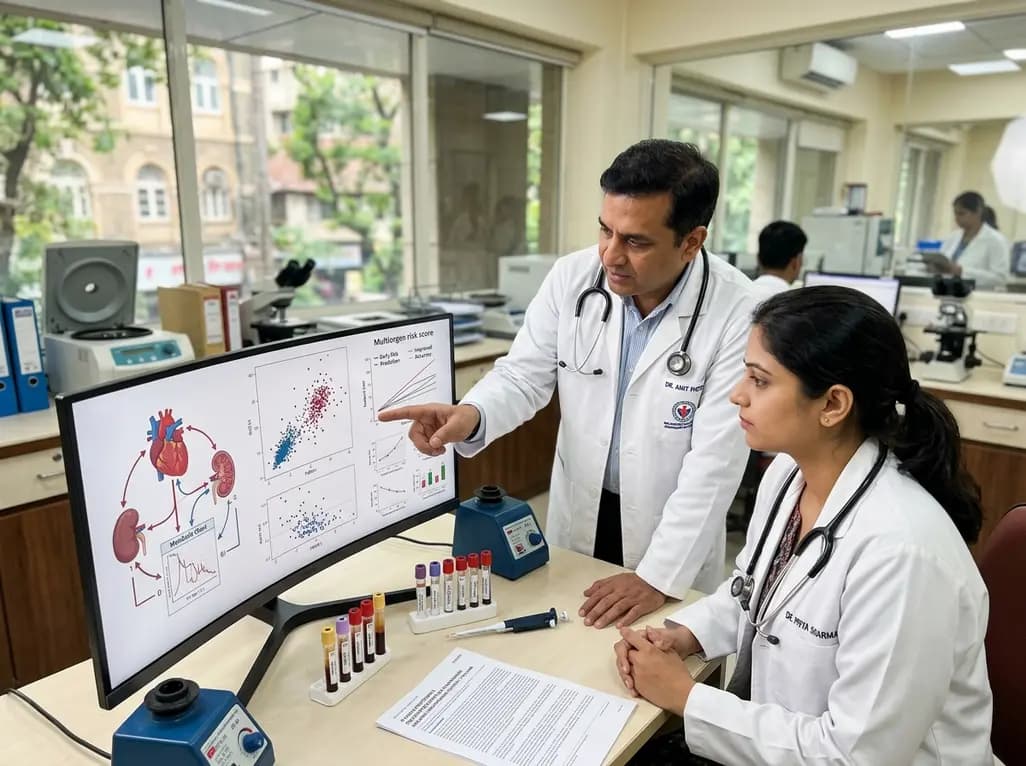
A large UK Biobank study reveals that plasma proteomic signatures capture preclinical organ damage and improve multiorgan risk prediction across early CKM syndrome stages 0 to 2 beyond traditional PREVENT clinical models.
Today

A retrospective CBCT study reveals that superior TMJ space asymmetry correlates moderately with occipital condyle-atlas-axis asymmetry in unilateral TMJ osteoarthritis, highlighting an imaging correlate between jaw biomechanics and upper cervical alignment rather than a standalone diagnostic marker.
Today

A Bayesian multilevel meta-analysis reveals that aerobic training combined with moderate carbohydrate restriction modestly lowers HbA1c in type 2 diabetes. However, sparse data and very low certainty leave incremental benefits over exercise or diet alone unproven, highlighting the need for individualized care.
Today
