.webp&w=384&q=75)

Loading, please wait...
Loading, please wait...
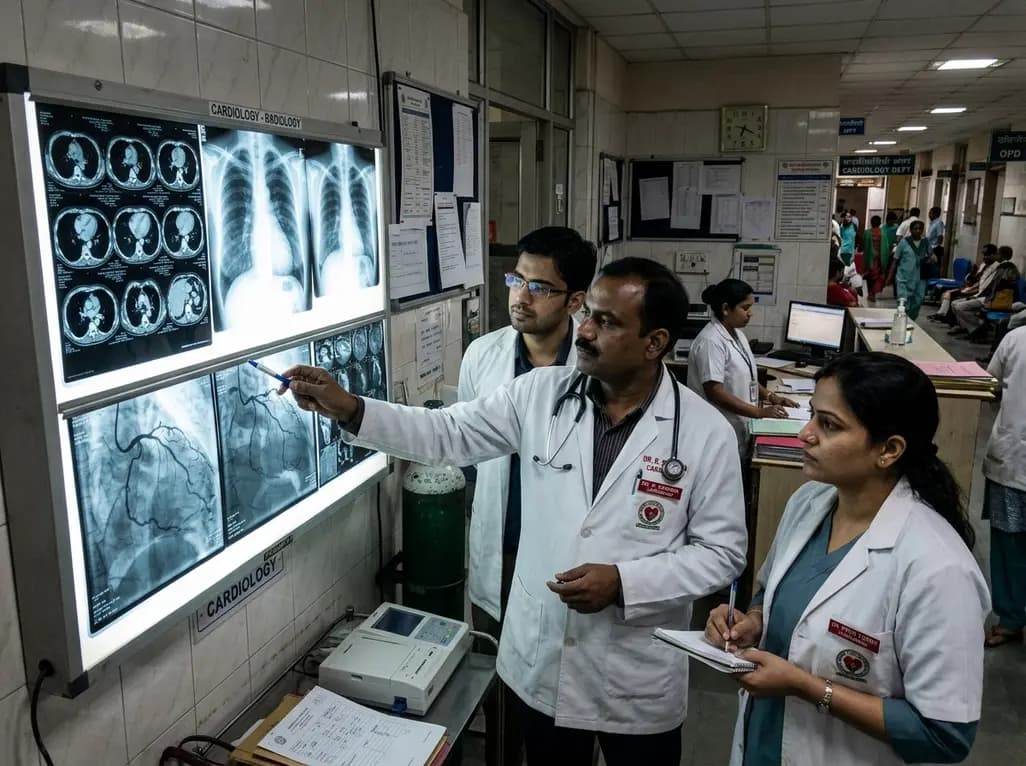
Recent epidemiological data presented to the state legislative assembly highlights a concerning surge in cardiac deaths in Haryana, accounting for 85,539 fatalities between 2019-20 and 2025-26. During this seven-year surveillance period, non-communicable diseases emerged as a substantial public health threat across the state. In total, chronic conditions including cardiovascular disorders, pulmonary diseases, and malignant neoplasms claimed over 1.46 lakh lives, demanding structured clinical evaluation and proactive primary care intervention.
Official health records demonstrate that annual cardiovascular mortality consistently exceeded 10,000 cases throughout the reporting window. Specifically, cardiac fatalities peaked during the 2021-22 cycle at 14,072 deaths before stabilizing at slightly lower thresholds in subsequent years. The state recorded 12,937 deaths in 2022-23, followed by 11,670 in 2023-24, and 11,703 in 2024-25. Furthermore, the 2025-26 data documented 12,203 cardiovascular fatalities, which translates to approximately 33 deaths every single day.
Although these state registers capture broader cardiac-related illnesses rather than isolated acute myocardial infarctions, the overall pattern reflects an escalating cardiovascular burden. Consequently, healthcare professionals must recognize that ischemic heart disease, heart failure, and cardiometabolic dysfunctions remain persistent threats across adult demographics. Therefore, systematic screening protocols must operate continuously across rural and urban healthcare facilities to detect early myocardial vulnerability.
Significant geographic variability exists across the state, indicating uneven healthcare access and distinct local risk profiles. For example, Yamunanagar recorded the highest cumulative mortality, registering 18,334 cardiac deaths over the seven-year timeline. In the 2025-26 fiscal year alone, Yamunanagar reported 2,626 deaths, followed closely by Rohtak with 1,207 deaths and Mahendergarh with 1,137 deaths. Sirsa also demonstrated consistently elevated mortality trends across multiple surveillance cycles.
These geographic disparities highlight critical differences in baseline community health, environmental exposures, and tertiary critical care infrastructure. Consequently, clinicians working in high-burden districts encounter higher volumes of unmanaged cardiometabolic complications. Moreover, delayed hospital presentation remains a significant barrier to effective thrombolytic or catheter-based interventions. Healthcare administrators must therefore prioritize resource allocation, emergency transport systems, and advanced diagnostic technologies within these vulnerable districts.
While cardiovascular pathologies represent the largest proportion of chronic mortality, other non-communicable conditions contribute substantially to the statewide burden. Pulmonary-related diseases claimed 25,431 lives over the same seven-year evaluation period. Fortunately, annual respiratory fatalities gradually declined from 3,567 deaths in 2019-20 to 3,054 deaths in 2025-26. However, chronic obstructive pulmonary disease and environmental airway inflammation continue to complicate cardiovascular outcomes.
Simultaneously, cancer-related mortality demonstrated a persistent presence across Haryana. The state recorded 4,474 cancer deaths in 2019-20, which peaked at 5,453 deaths during 2023-24 before settling at 4,986 deaths in 2025-26. Cumulatively, malignancies accounted for 35,781 deaths across the seven-year assessment. Combined chronic disease mortality reached 1,46,751 deaths, illustrating a complex syndemic where metabolic, environmental, and behavioral risk factors overlap extensively.
Multiple intersecting risk factors drive the high mortality from chronic diseases in North India. Primarily, accelerated hypertension, dyslipidemia, and uncontrolled type 2 diabetes mellitus create widespread endothelial dysfunction and premature coronary artery disease. Furthermore, high dietary sodium intake, sedentary occupational habits, and tobacco consumption accelerate vascular aging among younger cohorts. As a result, acute coronary syndromes frequently present in patients under forty-five years of age.
In addition, persistent ambient air pollution in the National Capital Region exacerbates both pulmonary and cardiovascular inflammation. Fine particulate matter triggers systemic oxidative stress, promoting plaque instability and acute cardiovascular events. Consequently, managing a cardiac patient in this region requires aggressive control of traditional biomarkers alongside lifestyle counseling. Physicians must aggressively address modifiable risk factors through personalized medical therapy and routine patient follow-up.
Mitigating this chronic disease burden requires immediate structural reforms at both primary and secondary care levels. First, primary health centers must expand opportunistic screening programs for hypertension and hyperglycemia among all adults over thirty years. Additionally, establishing standardized chest pain protocols and equipping community health centers with digital electrocardiograms will accelerate triage. Rapid initiation of evidence-based medical therapies significantly lowers long-term cardiovascular mortality.
Moreover, strengthening the public health infrastructure through specialized non-communicable disease clinics ensures uninterrupted access to essential antihypertensive, lipid-lowering, and cardioprotective medications. Continuous medical education for community physicians can improve early diagnostic accuracy and streamline referral pathways to tertiary cardiac centers. By bridging diagnostic gaps at the grassroots level, health systems can systematically reduce preventable cardiovascular fatalities across all districts.
Q1: What are the primary contributors to the high cardiovascular mortality recorded in Haryana?
The elevated cardiac mortality stems from a combination of high hypertension prevalence, uncontrolled type 2 diabetes, atherogenic dyslipidemia, and widespread tobacco use. Furthermore, environmental air pollution and delayed hospital presentation during acute coronary syndromes significantly worsen clinical outcomes across both rural and urban patient cohorts.
Q2: How do pulmonary conditions interact with cardiovascular disease outcomes in chronic patients?
Chronic respiratory disorders, such as chronic obstructive pulmonary disease, share common risk factors with cardiovascular illness, including smoking and particulate exposure. Systemic inflammation, chronic hypoxia, and pulmonary vascular remodeling place substantial stress on the right ventricle, thereby accelerating adverse cardiac events and worsening overall long-term patient prognosis.
Q3: What immediate clinical measures can healthcare providers adopt to reduce preventable cardiac deaths?
Clinicians must implement universal cardiovascular risk stratification, achieve strict blood pressure and glycemic targets, and promote smoking cessation. Additionally, establishing rapid electrocardiogram screening at primary health centers and initiating immediate antiplatelet therapy during suspected coronary syndromes improves survival rates before secondary hospital transfer.
Disclaimer: This content is for informational and educational purposes only. It does not constitute medical advice or replace professional judgment. Refer to the latest local and national guidelines for clinical practice.
References

Read summarized clinical updates, watch expert medical content, and earn CME certifications right from your smartphone.
Open your smartphone camera to scan and install.





Haryana has recorded 85,539 cardiac deaths between 2019-20 and 2025-26, pushing the total chronic disease mortality past 1.4 lakh. This comprehensive report explores regional mortality trends, clinical drivers of cardiovascular conditions, and essential public health interventions needed across primary care networks.
4 weeks back
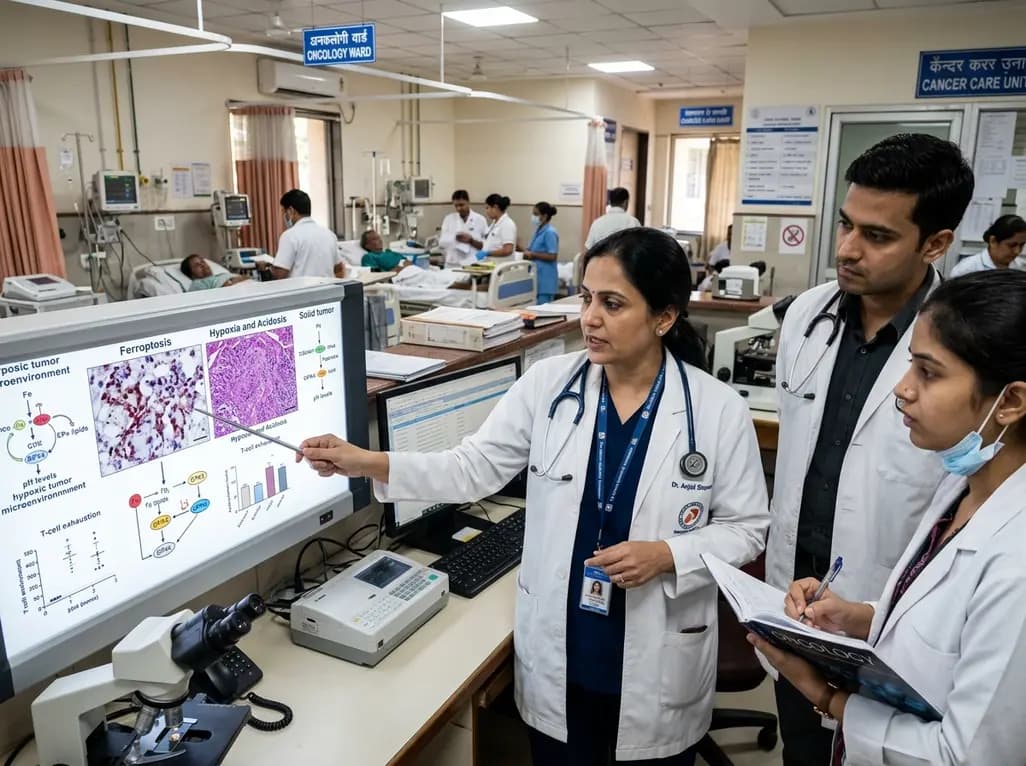
Targeting ferroptosis provides a compelling strategy to dismantle hypoxia- and acidosis-driven immunosuppression in solid tumors, enhancing response to modern immunotherapy.
Today

Findings from Project Viva indicate that sustained postpartum weight retention, rather than excessive gestational weight gain alone, directly worsens women's mid-life cardiovascular health, degrading blood pressure and glycemic parameters decades after delivery.
Today
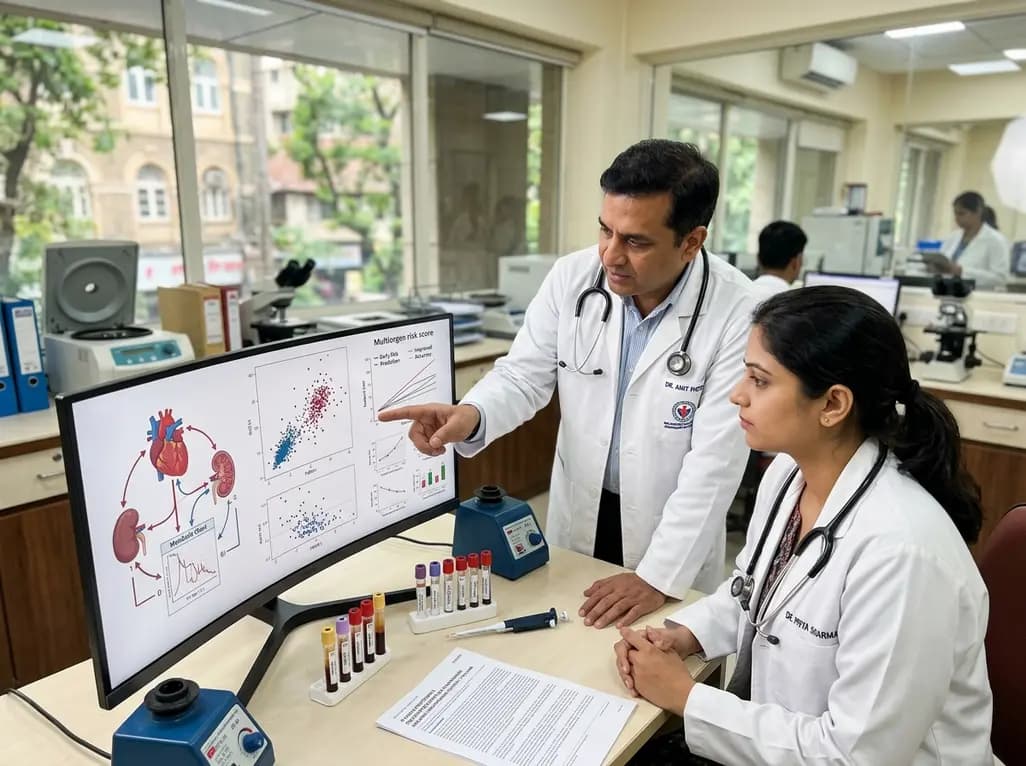
A large UK Biobank study reveals that plasma proteomic signatures capture preclinical organ damage and improve multiorgan risk prediction across early CKM syndrome stages 0 to 2 beyond traditional PREVENT clinical models.
Today

A retrospective CBCT study reveals that superior TMJ space asymmetry correlates moderately with occipital condyle-atlas-axis asymmetry in unilateral TMJ osteoarthritis, highlighting an imaging correlate between jaw biomechanics and upper cervical alignment rather than a standalone diagnostic marker.
Today

A Bayesian multilevel meta-analysis reveals that aerobic training combined with moderate carbohydrate restriction modestly lowers HbA1c in type 2 diabetes. However, sparse data and very low certainty leave incremental benefits over exercise or diet alone unproven, highlighting the need for individualized care.
Today
