.webp&w=384&q=75)

Loading, please wait...
Loading, please wait...

Following a myocardial infarction (MI), the heart undergoes a complex healing process. Recent research highlights the specific role of cardiac CD34+ stromal cells in the spatiotemporal dynamics of post-MI repair. While the heart typically responds to injury by forming a fibrotic scar, certain resident cell populations appear to support regenerative pathways. Understanding these mechanisms is crucial for developing therapies that move beyond simple scarring to functional tissue restoration.
Research indicates that cardiac CD34+ stromal cells reside naturally in the myocardial interstitium and coronary vessel adventitia. Following an injury, these cells expand through rapid proliferation and migration. Specifically, they move from the peri-infarct region across the healing wound. This movement often occurs alongside activated myofibroblasts during the proliferative phase. However, their specific roles in tissue remodeling differ significantly from those of traditional fibrotic cells.
While myofibroblasts primarily contribute to the development of pro-fibrotic granulation tissue, CD34+ cells focus on preserving the heart's structural integrity. These cells preferentially repopulate residual endomysial scaffolds that phagocytic macrophages typically spare. Consequently, they help maintain the essential myocardial stromal architecture. Moreover, clusters of these cells accumulate at the scar border to facilitate the integration of surviving myocytes with the new matrix. Thus, they promote regenerative rather than purely fibrotic repair.
The persistence and migration of these cells suggest they are vital for maintaining the connective tissue framework of the heart. Over time, expanding fibrotic tissue may eventually overtake these populations. Nevertheless, their initial contribution provides a critical window for structural preservation. Future clinical strategies may target these cells to enhance the regenerative capacity of the myocardium in patients following heart attacks.
Unlike α-SMA+ myofibroblasts which drive fibrosis, cardiac CD34+ stromal cells support regenerative repair by preserving the myocardial stromal architecture and repopulating endomysial scaffolds.
These cells are naturally found within the myocardial interstitium and the adventitia of coronary vessels in healthy cardiac tissue.
The endomysial scaffold provides the structural framework for myocytes. By repopulating this scaffold, CD34+ cells help integrate surviving muscle tissue into the healing matrix, potentially preserving heart function.
Disclaimer: This content is for informational and educational purposes only and does not constitute medical advice or a professional relationship. The information provided is based on experimental research and should be interpreted within that context. Refer to the latest local and national guidelines for clinical practice.
References
Schneider DT et al. Contribution of Cardiac CD34⁺ Stromal Cells to Post-Myocardial Infarction Repair in Middle-Aged Rats. J Histochem Cytochem. 2026 Apr 12. doi: 10.1369/00221554261434317. PMID: 41966985.
Matta A, Nader V, Galinier M, Roncalli J. Transplantation of CD34+ cells for myocardial ischemia. World J Transplant. 2021 May 18;11(5):139-146. doi: 10.5500/wjt.v11.i5.139.
Witman N, et al. The progenitor cell marker CD34 is a specific marker for the myocardial interstitium. Stem Cell Res. 2020;43:101708. doi: 10.1016/j.scr.2020.101708.
"
Read summarized clinical updates, watch expert medical content, and earn CME certifications right from your smartphone.
Open your smartphone camera to scan and install.





Explore the discovery that cardiac CD34+ stromal cells facilitate regenerative repair post-MI, offering a potential shift from purely fibrotic healing....
6 months ago
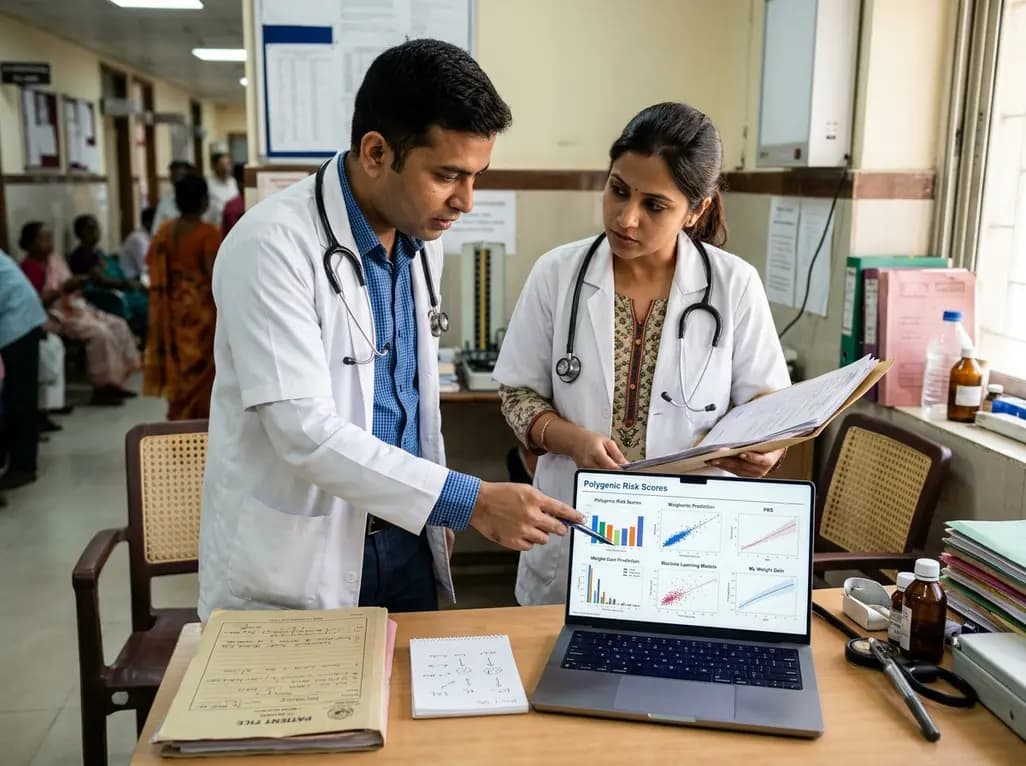
An observational study from the NIH All of Us Research Program reveals that adding a multi-ancestry polygenic risk score to machine learning models provides only modest improvements in predicting adult weight gain, underscoring the enduring significance of routine clinical and lifestyle factors.
Today

A study in JAMIA Open shows lightweight open-source reasoning LLMs achieve up to 95% sensitivity and accelerate evidence synthesis screening by nearly twentyfold, presenting a cost-effective, scalable AI solution for biomedical research and systematic reviews.
Today
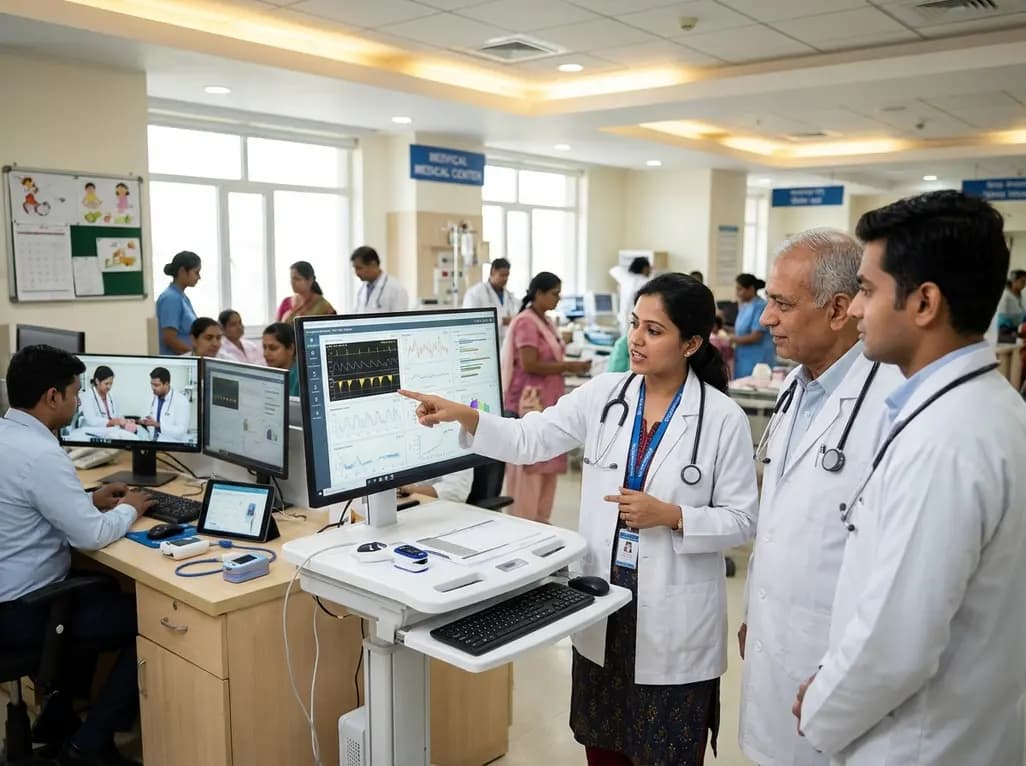
A landmark study details how an enterprise pediatric remote patient management model expanded from a single cardiology pilot to 16 diverse specialty programs by combining centralized digital operations with specialty clinical leadership.
Today
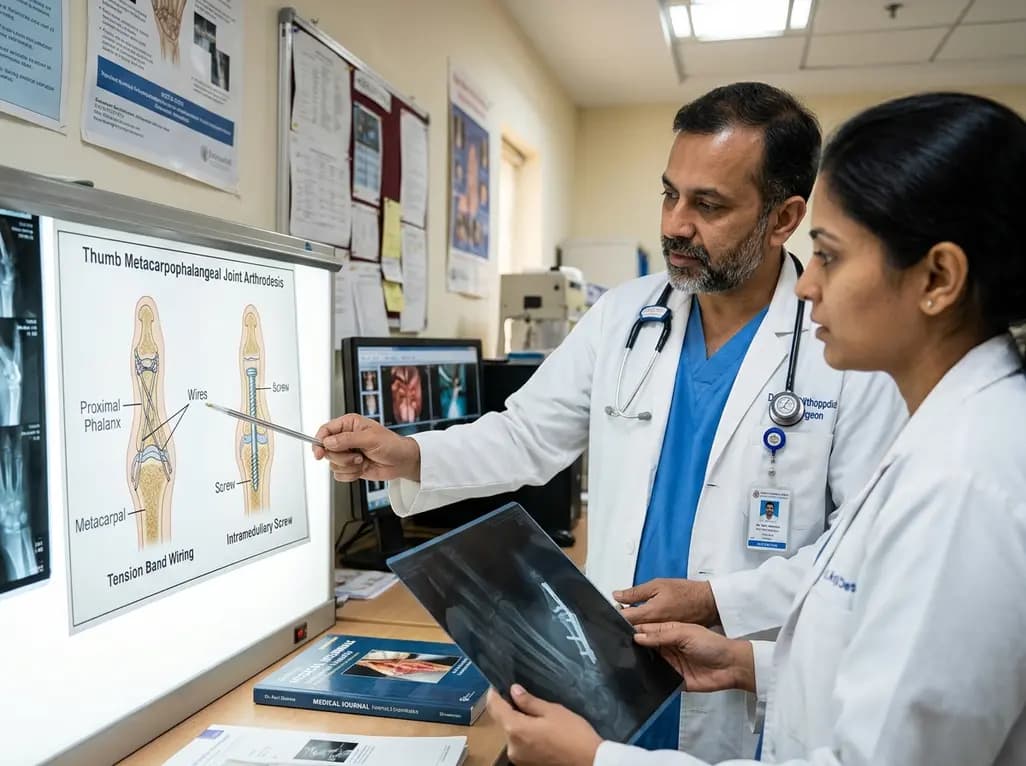
A comparative review of tension band wiring and intramedullary screw fixation in thumb metacarpophalangeal arthrodesis, evaluating union rates, hardware complications, and clinical outcomes.
Yesterday
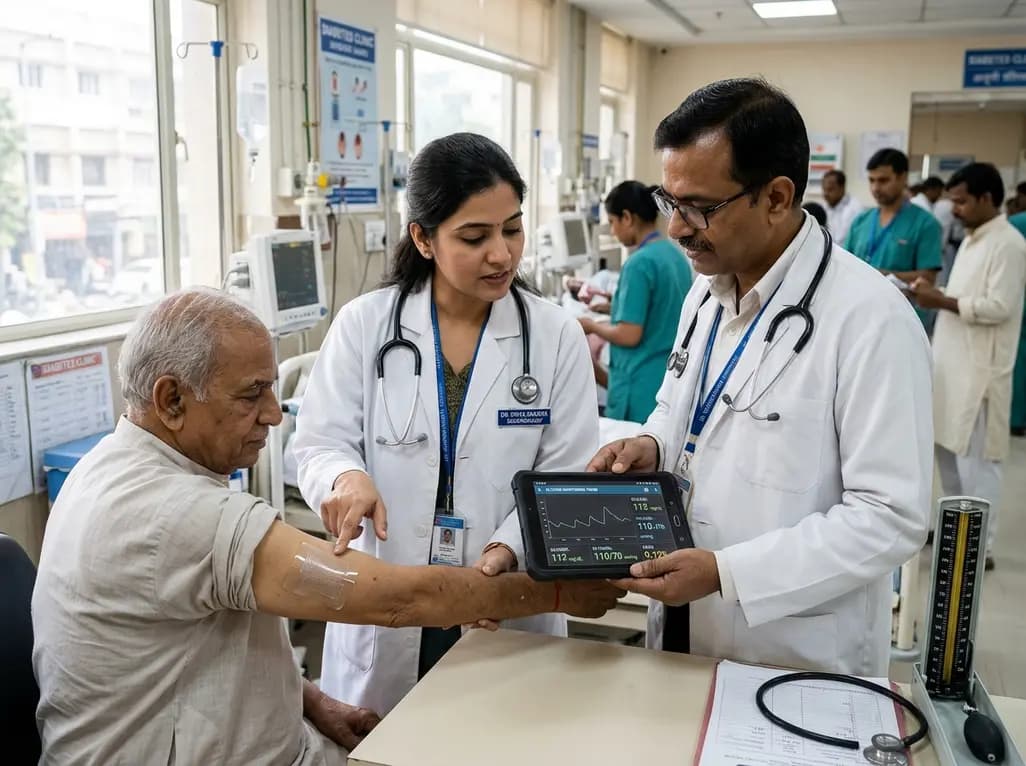
A breakthrough ultrathin multimodal sensor decouples physical hemodynamic monitoring from disposable electrochemical calibration, achieving long-term wearable glucose prediction with 81.36% accuracy and a 9.12% MARD. This offers a robust, drift-free solution for outpatient metabolic surveillance.
Yesterday
