.webp&w=384&q=75)

Loading, please wait...
Loading, please wait...

Primary cardiac neoplasms represent rare clinical entities, yet malignant variants impose devastating clinical consequences. Among primary malignant heart neoplasms, cardiac angiosarcoma constitutes approximately thirty percent of cases, originating predominantly within vascular endothelial cells of the right atrium. Contemporary population-based registries, including the Surveillance, Epidemiology, and End Results database, offer crucial insights into evolving demographic trends and diagnostic characteristics. Effective cardiac angiosarcoma management requires prompt recognition because symptoms often mimic non-malignant cardiovascular conditions, such as pericarditis, dyspnea, and congestive heart failure. Epidemiological assessments reveal that this aggressive malignancy frequently affects younger individuals, with nearly sixty percent of patients diagnosed at or before fifty years of age. Furthermore, epidemiological evaluations demonstrate a slight male predominance and distinctive racial distributions, with notable incidence observed among Black and non-Hispanic White cohorts. Because presenting manifestations typically develop late in the pathological course, clinicians often identify these lesions when extensive local infiltration or distant organ involvement already exists. Consequently, early suspicion, comprehensive echocardiography, and timely histological confirmation remain imperative to establish baseline staging and guide subsequent therapeutic interventions effectively.
Mortality rates associated with primary malignant cardiac vascular neoplasms remain exceptionally elevated despite recent therapeutic refinements. Population registry analyses indicate that over ninety percent of diagnosed individuals succumb to the malignancy, experiencing a mean overall survival of approximately fifteen months. Furthermore, the one-year overall survival rate remains modest at approximately forty-six percent, declining sharply to single digits by three and five years post-diagnosis. Multiple clinical variables significantly influence patient outcomes and risk stratification. Advanced tumor dimensions, particularly masses exceeding ten centimeters in diameter, correlate directly with heightened mortality and accelerated disease progression. Similarly, high histopathological tumor grade markedly impairs long-term survival expectations. Multivariate regression analyses reveal that patients presenting with distant metastatic dissemination face substantially diminished survival compared to individuals with localized disease. Additionally, age distribution plays a noteworthy role; patients aged fifty-one to seventy years exhibit distinct mortality hazard trajectories compared to younger cohorts. Therefore, establishing rigorous prognostic stratification during initial staging allows clinical teams to tailor intensive therapeutic protocols, anticipate disease trajectory, and provide realistic counseling for patients and their families.
Surgical intervention remains the primary therapeutic cornerstone for resectable primary cardiac vascular tumors. Complete macroscopic excision with microscopic negative margins provides the best opportunity for disease control and symptomatic relief. Registry data demonstrate that patients who do not undergo surgical resection experience significantly higher mortality hazards compared to those receiving definitive surgical management. However, complete resection presents formidable technical challenges due to frequent involvement of critical cardiac structures, including the right atrial free wall, tricuspid valve apparatus, and coronary vessels. Consequently, cardiac surgeons must frequently execute complex reconstructions using synthetic patches or autologous pericardium. In cases of extensive local invasion, neoadjuvant systemic chemotherapy can sometimes reduce tumor burden, thereby facilitating subsequent surgical clearance. Conversely, when complete resection is unattainable, cytoreductive surgery or debulking may still alleviate severe hemodynamic obstruction and recurrent pericardial tamponade. Therefore, establishing early evaluation at high-volume cardiothoracic surgical centers ensures comprehensive perioperative planning, improves technical resectability, and optimizes survival parameters within an integrated multimodal treatment paradigm.
Adjuvant therapeutic radiation serves as an essential component within modern cardiac angiosarcoma management regimens. Epidemiological and registry analyses demonstrate that omitting radiation therapy substantially increases mortality hazards, with hazard ratios exceeding two-point-six in multivariate survival models. However, administering therapeutic ionizing radiation to the heart demands extreme precision to prevent severe cardiotoxic sequelae, such as radiation-induced cardiomyopathy, coronary vasculopathy, and severe pericardial fibrosis. Advanced modern radiation delivery techniques, including intensity-modulated radiation therapy and proton beam therapy, enable clinicians to deliver tumoricidal doses while sparing adjacent myocardium, lung parenchyma, and critical conduction pathways. When applied postoperatively, radiation therapy effectively sterilizes residual microscopic disease along surgical margins, reducing the probability of rapid local intra-cardiac recurrence. In unresectable or metastatic presentations, localized palliative radiotherapy offers effective relief from superior vena cava syndrome, persistent hemoptysis, and intractable chest pain. Consequently, radiation oncologists must collaborate closely with cardiothoracic teams to establish individualized field designs, monitor ongoing cardiac function, and achieve maximum tumor control without compounding long-term cardiac toxicity.
Recent genomic profiling efforts have begun elucidating the complex molecular underpinnings of primary cardiac vascular neoplasms. High-throughput sequencing identifies recurrent genetic alterations in angiogenesis and cell-signaling pathways, notably mutations in KDR, FLT4, PLCG1, and POT1. These genetic variations regulate vascular endothelial growth factor receptor signaling, downstream kinase activation, and telomere maintenance mechanisms. Although most identified genomic alterations currently lack direct clinical actionability, they provide valuable mechanistic insights that support ongoing clinical trial investigations. For instance, targeted tyrosine kinase inhibitors and anti-angiogenic monoclonal antibodies targeting VEGF signaling pathways demonstrate promise in ongoing translational studies. Furthermore, evaluating tumor mutational burden and immune checkpoint pathways may expand opportunities for immune checkpoint blockade in selected patients. As personalized oncology advances, integrating routine next-generation sequencing into diagnostic protocols will enable multidisciplinary teams to match rare molecular profiles with specific targeted agents or novel basket trials. Therefore, translational genomics represents an indispensable frontier for developing personalized interventions that overcome the therapeutic resistance historically characteristic of aggressive cardiac sarcomas.
Optimal patient care for aggressive cardiac vascular malignancies necessitates seamless collaboration across diverse medical specialties. Because this malignancy progresses rapidly, a coordinated team comprising cardiologists, cardiothoracic surgeons, medical oncologists, radiation oncologists, and cardiac imaging specialists must formulate individual care plans promptly. Multimodality diagnostic imaging, utilizing contrast-enhanced echocardiography, cardiac magnetic resonance imaging, and positron emission tomography, plays a crucial role in determining resectability and detecting early metastatic lesions. Following initial multimodal therapy, structured post-treatment surveillance remains essential to identify local recurrence and distant organ dissemination, particularly within the lungs, liver, and bone. In addition, cardio-oncology monitoring ensures timely detection and management of treatment-related cardiotoxicity arising from systemic anthracycline-based chemotherapies or mediastinal radiation. Incorporating early palliative care further optimizes symptom management, psychosocial support, and patient quality of life throughout the illness trajectory. Ultimately, centralized multidisciplinary care pathways ensure rigorous surveillance, expedite salvage interventions, and enhance overall clinical outcomes for patients facing this formidable diagnosis.
Patients typically present with non-specific cardiorespiratory manifestations because tumors often develop inside the right atrium. Common symptoms include progressive shortness of breath, atypical chest pain, persistent fatigue, and lower extremity edema. Furthermore, rapid tumor infiltration frequently causes recurrent hemorrhagic pericardial effusion, leading to cardiac tamponade or superior vena cava syndrome. Consequently, unexplained right-sided cardiac mass findings require immediate multimodality imaging and prompt histological evaluation.
Complete surgical resection with negative microscopic margins offers the greatest opportunity to prolong survival in cardiac angiosarcoma. Surgical excision relieves mechanical blood flow obstruction, prevents catastrophic chamber rupture, and substantially reduces systemic tumor burden. Furthermore, national registry data indicate that patients who do not undergo surgery experience significantly elevated mortality hazards compared to surgically treated cohorts, reinforcing surgery as the primary cornerstone in multimodal management.
Comprehensive next-generation sequencing identifies recurrent genetic variations in angiogenic signaling pathways, including mutations in KDR, FLT4, and PLCG1. Although most discovered mutations currently lack regulatory drug approvals, they reveal actionable molecular vulnerabilities for clinical trials. Therefore, identifying specific genomic signatures enables clinicians to enroll patients in targeted anti-angiogenic therapies or basket clinical trials, ultimately advancing precision oncology for this rare cardiac malignancy.
Disclaimer: This content is for informational and educational purposes only and is not intended as medical advice. Healthcare professionals should make clinical decisions based on their independent judgment and individual patient circumstances. Refer to the latest local and national guidelines for clinical practice.
References
1. Ullah A et al. Demographics and factors influencing mortality among cardiac angiosarcoma patients and genomic studies correlation for future personalized management. Proc (Bayl Univ Med Cent). 2026 Aug 27. doi: 10.1080/08998280.2026.2718687. PMID: 42659620.
2. Look Hong NJ, Pandalai PK, Hornick JL, et al. Cardiac angiosarcoma management and outcomes: 20-year single-institution experience. Ann Surg Oncol. 2012;19(8):2707-2715.
3. Antonuzzo L, Sultania M, Lo Russo G, et al. Primary cardiac angiosarcoma: A systematic review of clinical presentation, management, and outcomes. Cancers (Basel). 2024;16(4):780.

Read summarized clinical updates, watch expert medical content, and earn CME certifications right from your smartphone.
Open your smartphone camera to scan and install.





Cardiac angiosarcoma is an aggressive malignancy with high mortality. Learn about key prognostic determinants, surgical and radiation impacts, and emerging genomic pathways guiding personalized multidisciplinary care.
last month

A recent case shows that exertional rhabdomyolysis can trigger marked transaminase spikes despite moderate creatine kinase elevation. Preserved hepatic synthetic function confirms muscle injury rather than liver failure, guiding conservative hydration and preventing unnecessary invasive diagnostics.
Today

A pharmacometric and machine learning study reveals that specific vaginal bacteria alter cervical antiretroviral exposure, highlighting the need for precision HIV PrEP strategies.
Yesterday

Abdominal aortic aneurysm rupture remains a catastrophic vascular emergency. Groundbreaking research reveals that USP53 accelerates aneurysm progression by reprogramming smooth muscle cell metabolism toward aerobic glycolysis, highlighting a promising target beyond conventional diameter-based surveillance.
Today
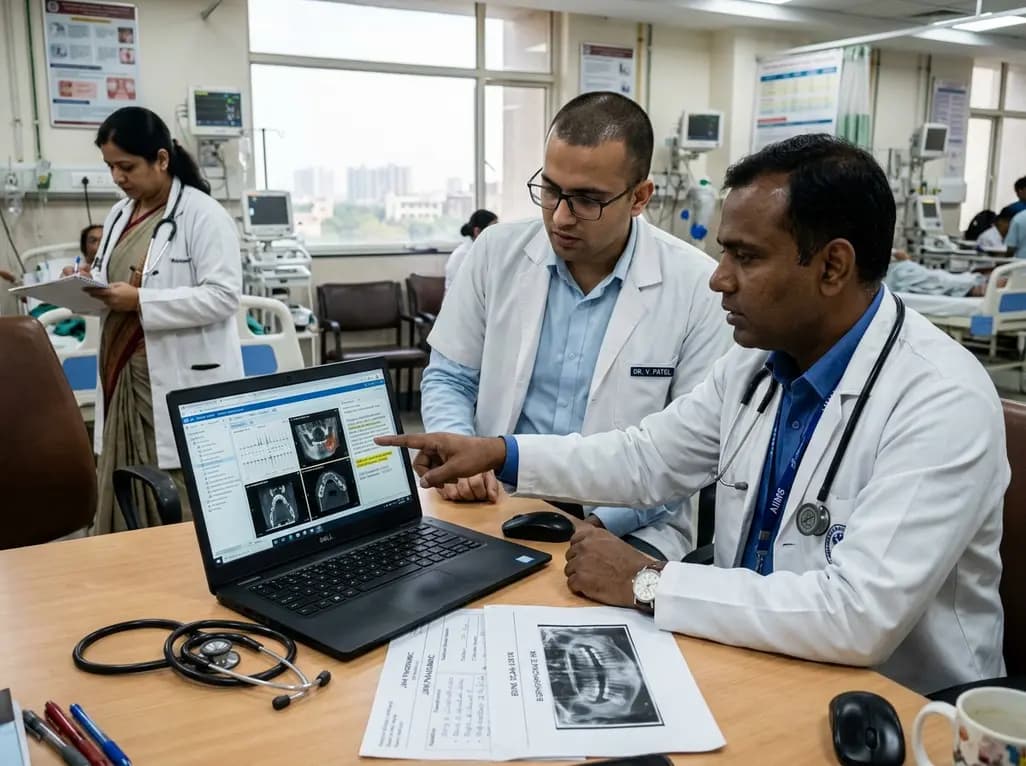
A breakthrough study leverages natural language processing to accurately identify incident medication-related osteonecrosis of the jaw and track antiresorptive drug holidays from clinical narratives in electronic health records, advancing osteoporosis pharmacovigilance and dental safety.
Today
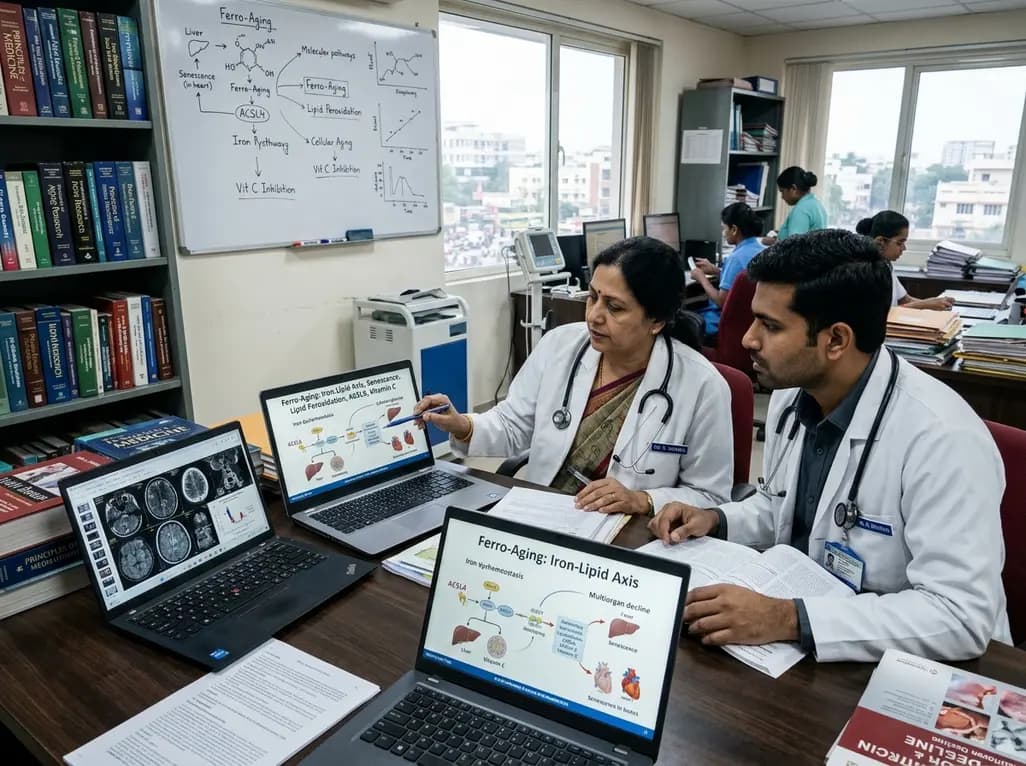
Recent research defines ferro-aging as a conserved iron-lipid axis driving organ decline across primates. Age-related iron dyshomeostasis stimulates ACSL4-mediated lipid peroxidation, promoting cellular senescence. Notably, vitamin C directly inhibits ACSL4, suppressing phospholipid oxidation and multi-organ decay.
Yesterday
