.webp&w=384&q=75)

Loading, please wait...
Loading, please wait...

Capitellar osteochondritis dissecans (OCD) presents a significant challenge for young overhead athletes, particularly baseball players. These lesions often hinder a player’s ability to return to competitive play. Consequently, surgeons have developed several operative strategies to address these issues. A recent systematic review and meta-analysis specifically evaluated capitellar OCD surgery outcomes to determine which procedure offers the best chance for a successful return to sport (RTS).
Researchers analyzed data from 16 studies involving 389 youth baseball players. Most of these athletes (89%) had unstable lesions. The study compared four primary surgical techniques: autologous osteochondral transplantation (OATS), fixation, bone peg grafting, and debridement/loose-body removal with or without microfracture. Notably, OATS demonstrated the highest RTS rate at 96%. In contrast, fixation procedures resulted in an 89% RTS rate, while bone peg grafting and debridement followed at 87% and 84%, respectively. Therefore, OATS appears to provide a statistically significant advantage for athletes aiming to get back on the field.
While overall return rates are encouraging, the results for pitchers remain a concern. Only 52% of pitchers in the study successfully returned to pitching duties. This highlight suggests that the high mechanical demands of pitching may require more specialized rehabilitation or alternative management strategies. Furthermore, the study noted differences in functional recovery. Fixation procedures were associated with greater improvements in elbow extension range of motion (8°) compared to OATS (3°). Both fixation and OATS showed superior improvements in Timmerman-Andrews scores compared to bone peg grafting.
Surgeons must balance the high RTS rates of OATS with the superior range of motion outcomes seen in fixation. Moreover, the lower return rate for pitchers necessitates clear preoperative counseling regarding career longevity. Choosing the right procedure involves weighing the stability of the lesion against the specific functional needs of the athlete’s position.
According to the meta-analysis, autologous osteochondral transplantation (OATS) has the highest return-to-sport rate at 96%, compared to 84-89% for other common surgical techniques.
Return to pitching is more difficult than returning to other positions. Only about 52% of pitchers were able to return to pitching after surgical treatment for these lesions.
Disclaimer: This content is for informational and educational purposes only. It does not constitute medical advice or establish a doctor-patient relationship. Refer to the latest local and national guidelines for clinical practice.
References
Paul RW et al. Return to Sport After Surgical Treatment of Capitellar Osteochondritis Dissecans Lesions in Baseball Players: A Systematic Review and Meta-analysis. Am J Sports Med. 2026 May 30. doi: 10.1177/03635465261443986. PMID: 42216683.
Bexkens R, et al. Outcomes of autologous osteochondral transplantation for capitellar osteochondritis dissecans: a systematic review. J Shoulder Elbow Surg. 2017.
Lodhia P, et al. Surgical management of osteochondritis dissecans of the capitellum in the overhead athlete. Orthop Clin North Am. 2014.

Read summarized clinical updates, watch expert medical content, and earn CME certifications right from your smartphone.
Open your smartphone camera to scan and install.





A systematic review compares RTS rates and clinical outcomes for different surgical treatments of capitellar OCD lesions in youth baseball players....
3 months ago
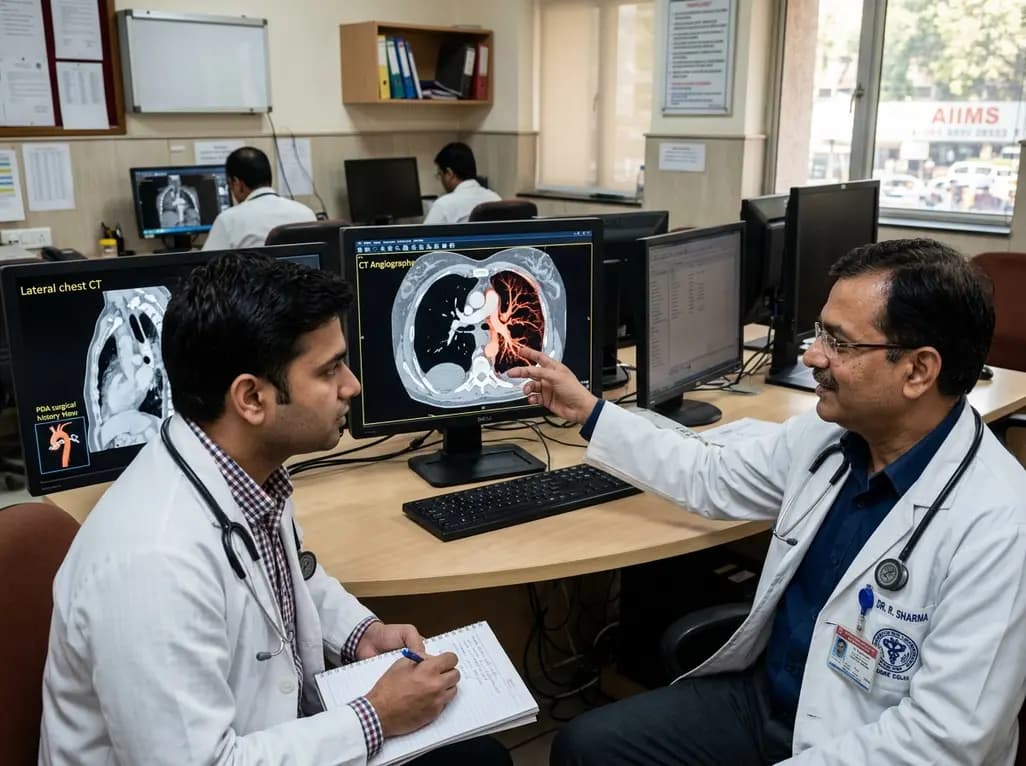
Congenital unilateral absence of the pulmonary artery can remain undetected until adulthood. This case report examines a young male presenting with hemoptysis after prior PDA surgery, highlighting the critical role of CT angiography in mapping systemic collaterals and guiding appropriate clinical intervention.
Today

Perimenopausal obstructive sleep apnea often goes undetected due to atypical polysomnographic presentations and symptom overlap with menopause. This review details its neurocognitive mechanisms, polysomnography markers, and precision management strategies.
Today
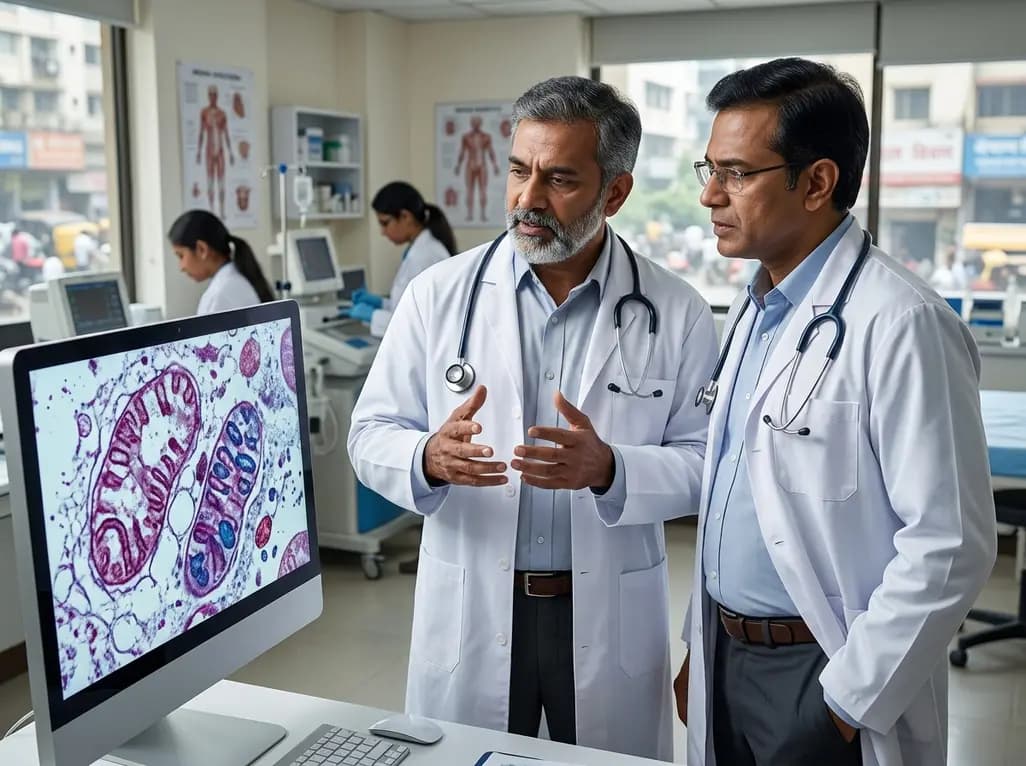
Mitochondrial deubiquitinases regulate organelle turnover by editing ubiquitin tags on damaged mitochondria. Discover how targeting these enzymes, notably USP30, offers therapeutic strategies for neurodegenerative, cardiovascular, and metabolic disorders.
Today
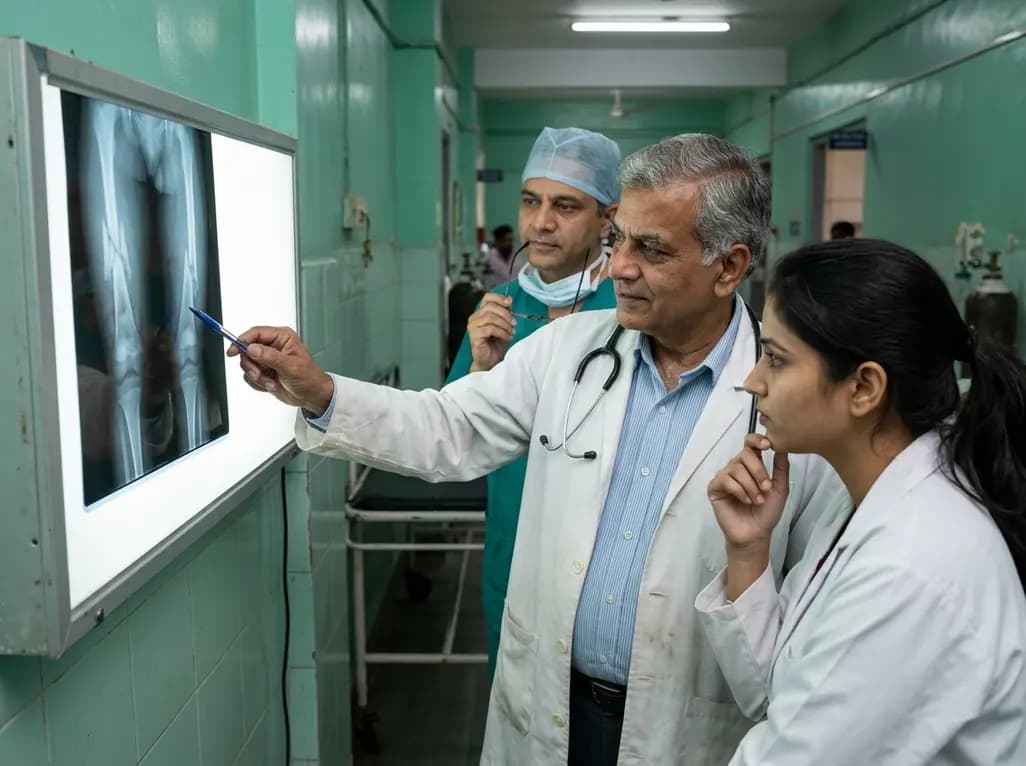
A rare case of a pediatric pathological femoral fracture caused by occult telangiectatic osteosarcoma demonstrates the risks of misdiagnosis after trauma, where intramedullary nailing prompted iatrogenic tumor dissemination and required modular total endoprosthetic reconstruction.
Today
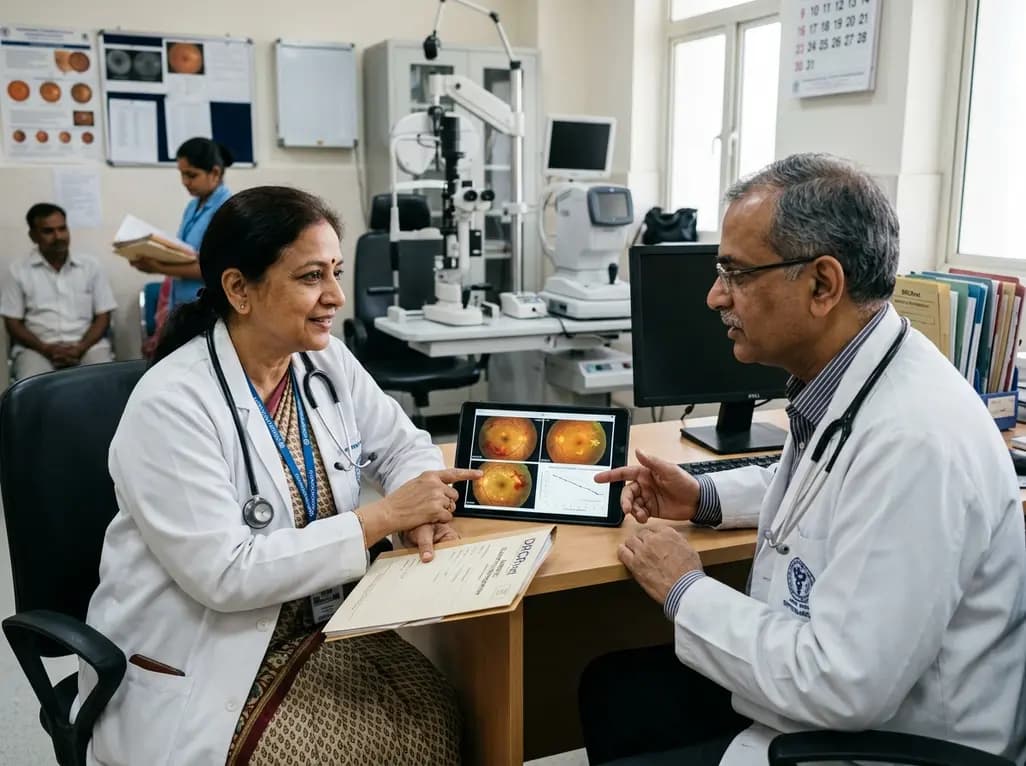
A comprehensive analysis of DRCRnet studies reveals that 15.1% of participants discontinue diabetic retinopathy clinical trials. Identifying baseline demographic and clinical predictors helps ophthalmologists and endocrinologists mitigate real-world treatment dropouts and protect long-term visual outcomes.
Today
