.webp&w=384&q=75)

Loading, please wait...
Loading, please wait...

Invasive fungal infections present an escalating crisis across intensive care units worldwide, particularly with the emergence of multidrug-resistant pathogens. Specifically, Candida auris candidemia represents a formidable healthcare-associated complication that carries substantial mortality and extremely limited therapeutic alternatives. Clinicians routinely face diagnostic difficulties because this pathogen persists tenaciously on medical surfaces and colonizes vulnerable individuals. Consequently, a comprehensive retrospective study assessed clinical trajectories, microbiological profiles, and independent predictors of mortality in infected adults. Understanding these intricate determinants provides critical guidance for intensive care physicians, infectious disease specialists, and antimicrobial stewardship teams who navigate complex candidemia cases daily.
The vast majority of patients with this invasive fungal bloodstream infection demonstrate severe baseline vulnerabilities. In the cohort analysis, 92.6% of patients were receiving intensive care treatment when clinicians first documented candidemia. Furthermore, an astounding 76.1% of evaluable patients had documented prior superficial colonization before the pathogen invaded the bloodstream. This sequence reinforces that persistent skin and mucosal colonization serves as a dominant precursor to invasive disease. Therefore, active surveillance in high-acuity wards represents an essential preventive step. In addition, prolonged critical care hospitalization invariably involves invasive interventions that breach natural physiological barriers. Mechanically ventilated individuals and those requiring parenteral nutrition face heightened susceptibility to vascular seeding. Because environmental shedding persists relentlessly, cross-transmission occurs readily among critically ill bed occupants. Consequently, clinicians must recognize that colonization is rarely a benign incidental finding in the intensive care setting. Rather, proactive environmental containment and vigilant clinical tracking must begin immediately upon isolating the yeast from screening swabs.
Therapeutic decision-making requires accurate and rapid antimicrobial susceptibility testing due to extensive resistance phenotypes. Notably, the study revealed that 95.1% of isolates exhibited resistance to fluconazole, rendering traditional triazole monotherapy virtually useless. Furthermore, resistance against amphotericin B reached 31.2%, which severely restricts secondary salvage strategies. Multidrug resistance, defined as simultaneous resistance to two distinct antifungal classes, occurred in 28.6% of isolated strains. Fortunately, echinocandin agents retained robust activity, with resistance rates remaining limited to only 1.3% for both anidulafungin and micafungin. Moreover, investigators detected no pandrug-resistant isolates across the entire cohort. Consequently, international and national guidelines strongly recommend initiating an echinocandin as the primary empirical and targeted regimen. However, clinicians cannot assume uniform susceptibility indefinitely, as secondary mutations during therapy can induce breakthrough echinocandin failures. Therefore, routine minimal inhibitory concentration determinations must accompany therapeutic courses to ensure sustained antifungal efficacy throughout the treatment duration.
The clinical course of invasive candidemia frequently ends in fatal outcomes despite prompt pharmacotherapy. In this evaluated cohort, the 28-day mortality reached 41.1%, illustrating the grave prognosis associated with deep fungal sepsis. Multivariable regression demonstrated that mortality was driven primarily by acute physiological deterioration and chronic medical burden rather than antifungal delay alone. Specifically, each single-point increase in the Sequential Organ Failure Assessment (SOFA) score independently increased 28-day mortality odds by 16% (adjusted odds ratio [aOR] 1.16; 95% CI, 1.05–1.27). Similarly, higher baseline Charlson Comorbidity Index scores heightened the risk of fatal outcomes (aOR 1.22; 95% CI, 1.02–1.44). In contrast, the timing of effective antifungal initiation did not significantly differ between survivors and non-survivors. Consequently, acute multiorgan failure and severe underlying comorbidities remain the predominant drivers of death. Clinicians must therefore couple microbiological clearance with aggressive physiological stabilization and organ support in intensive care units.
Source control serves as an indispensable cornerstone in managing invasive intravascular fungal infections. Interestingly, catheter removal occurred significantly more frequently among patients who survived than among those who died (72.7% versus 45.0%; P = .012). Although the absolute calendar timing of catheter extraction did not statistically differ between groups, achieving physical clearance remains biologically vital. Fungal organisms form dense, adherent biofilms along the synthetic lumens of central venous catheters, which shields the yeast from circulating antifungal drugs. Thus, leaving an infected catheter intact creates an unyielding reservoir for persistent fungemia and secondary metastatic seeding. Infectious disease guidelines emphasize that clinicians should promptly remove all indwelling vascular access devices whenever feasible. Furthermore, clinicians must balance procedural risks in hemodynamically unstable patients against the ongoing hazard of persistent catheter-related bloodstream dissemination. Ultimately, source control through mechanical removal provides an undeniable survival advantage that pharmacotherapy alone cannot achieve.
Controlling the nosocomial dissemination of this pathogen demands rigorous institutional protocols and continuous surveillance. Because routine biochemical identification systems frequently misidentify the organism, laboratories must utilize MALDI-TOF mass spectrometry or molecular sequencing for definitive confirmation. Additionally, hospital epidemiology teams must institute strict contact precautions immediately upon isolation from any clinical site. Standard quaternary ammonium disinfectants lack adequate sporicidal and fungicidal activity against this hardy yeast. Therefore, environmental cleaning crews must deploy specialized chlorine-based disinfectants or vaporized hydrogen peroxide across affected intensive care suites. Simultaneously, antimicrobial stewardship programs must scrutinize broad-spectrum antibacterial usage, which disrupts indigenous microflora and promotes fungal proliferation. Healthcare personnel should also perform regular skin decolonization protocols using chlorhexidine gluconate in documented carriers. By integrating active microbiological surveillance, robust environmental decontamination, and aggressive source removal, clinical facilities can mitigate the immense healthcare burden imposed by this formidable fungal pathogen.
Unlike most traditional yeast pathogens, this organism demonstrates profound resistance to multiple antifungal classes, especially fluconazole and amphotericin B. Furthermore, it possesses an extraordinary ability to persist indefinitely on hospital surfaces and healthcare equipment. Consequently, the pathogen readily causes prolonged institutional outbreaks, colonizes host skin persistently, and leads to life-threatening invasive candidemia among critically ill individuals in intensive care units.
Echinocandins, such as anidulafungin, micafungin, or caspofungin, represent the first-line therapeutic regimen for invasive infections. Clinical surveillance data confirm that echinocandin resistance remains exceptionally low compared to the severe resistance rates observed with fluconazole and amphotericin B. Nevertheless, treating physicians must still perform susceptibility testing on every confirmed isolate to detect any rare emerging echinocandin non-susceptibility.
Central venous catheters quickly become coated with durable fungal biofilms that protect the pathogen from circulating antifungal agents and immune defenses. Consequently, retaining an infected line promotes persistent fungemia, treatment failure, and systemic metastatic seeding. Removing the catheter eliminates this nidus of infection, which clinical studies associate directly with significantly improved 28-day survival rates among infected patients.
Disclaimer: This content is for informational and educational purposes only. It is not intended to be a substitute for professional medical advice, diagnosis, or treatment. Always seek the advice of your physician or other qualified health provider with any questions you may have regarding a medical condition. Refer to the latest local and national guidelines for clinical practice.
References
Kaya A et al. Clinical management, antifungal susceptibility, and predictors of 28-day mortality in Candidozyma auris candidemia: a single-center cohort study. Med Mycol. 2026 Sep 25. doi: undefined. PMID: 42788966.
Indian Council of Medical Research. Candida auris: Surveillance, Treatment and Infection Control Guidelines. New Delhi: ICMR; 2021.
Cornely OA et al. Global guideline for the diagnosis and management of candidiasis: an initiative of the ECMM in cooperation with ISHAM and ASM. Lancet Infect Dis. 2025;25(4):e112-e128.
Centers for Disease Control and Prevention. Surveillance and Infection Control Guidance for Candida auris. MMWR. 2024;73(26):581-587.

Read summarized clinical updates, watch expert medical content, and earn CME certifications right from your smartphone.
Open your smartphone camera to scan and install.





A single-center cohort study evaluates Candidozyma auris candidemia, highlighting high intensive care admission, 41.1% 28-day mortality, organ failure predictors, and pronounced azole and amphotericin B resistance alongside the critical role of central line removal.
Today

A review examines how vagal neuroimmune circuits link the brain and immune system, sensing cytokine surges and dampening peripheral inflammation. Bioelectronic medicine harnesses these pathways to provide targeted, non-pharmacological therapies for chronic inflammatory and autoimmune diseases.
Today
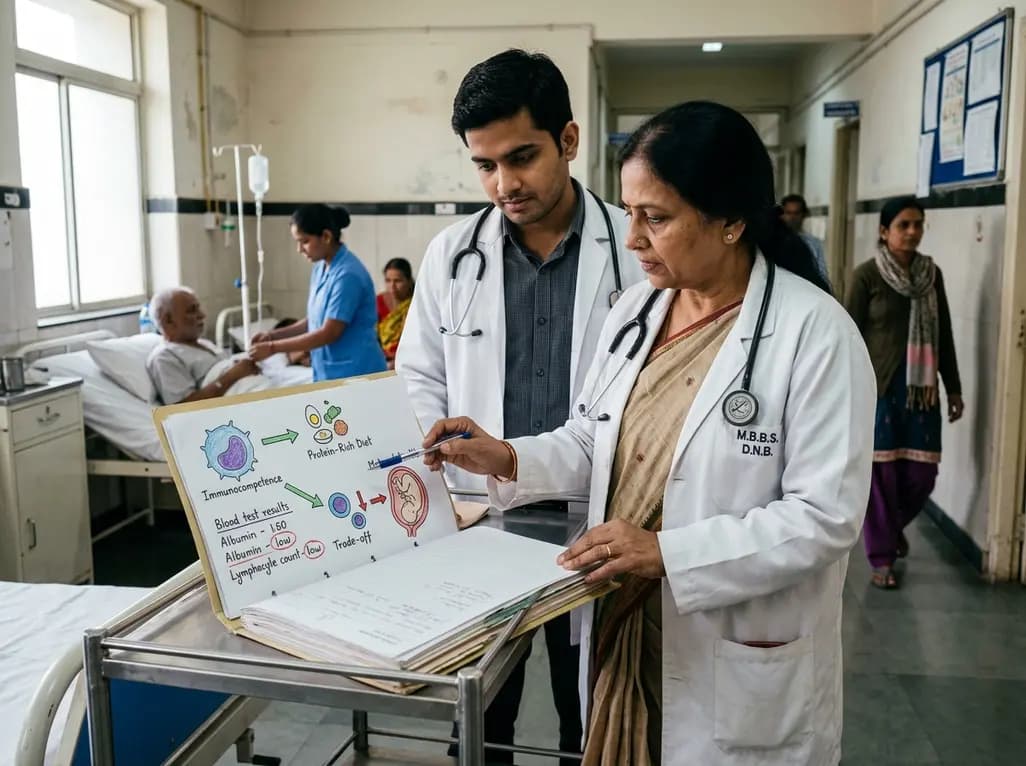
Explore the crucial link between dietary protein and immunocompetence. This review examines how low-protein nutrition shifts metabolic resources away from pathogen defense toward early reproduction, compromising host survival and immunity against severe bacterial infections.
Today

A post hoc analysis of the PARM-T2D study shows pemafibrate exerts baseline-dependent effects on LDL-C and particle size in type 2 diabetes and hypertriglyceridemia. It lowers triglycerides and remnants while favorably remodeling atherogenic LDL particles based on initial lipid control status.
Today
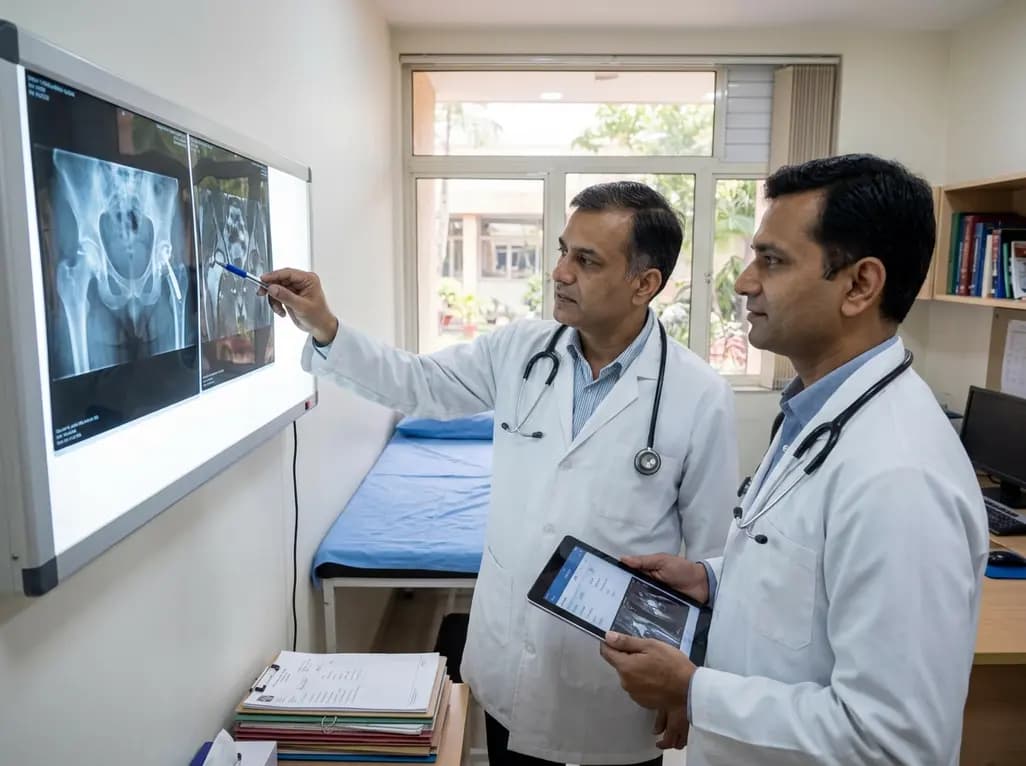
A longitudinal study reveals that patients undergoing staged bilateral hip arthroscopy experience progressive contralateral labral deterioration during surgical intervals. However, structural degradation does not compromise 2-year postoperative clinical outcomes or patient-reported satisfaction scores.
Today
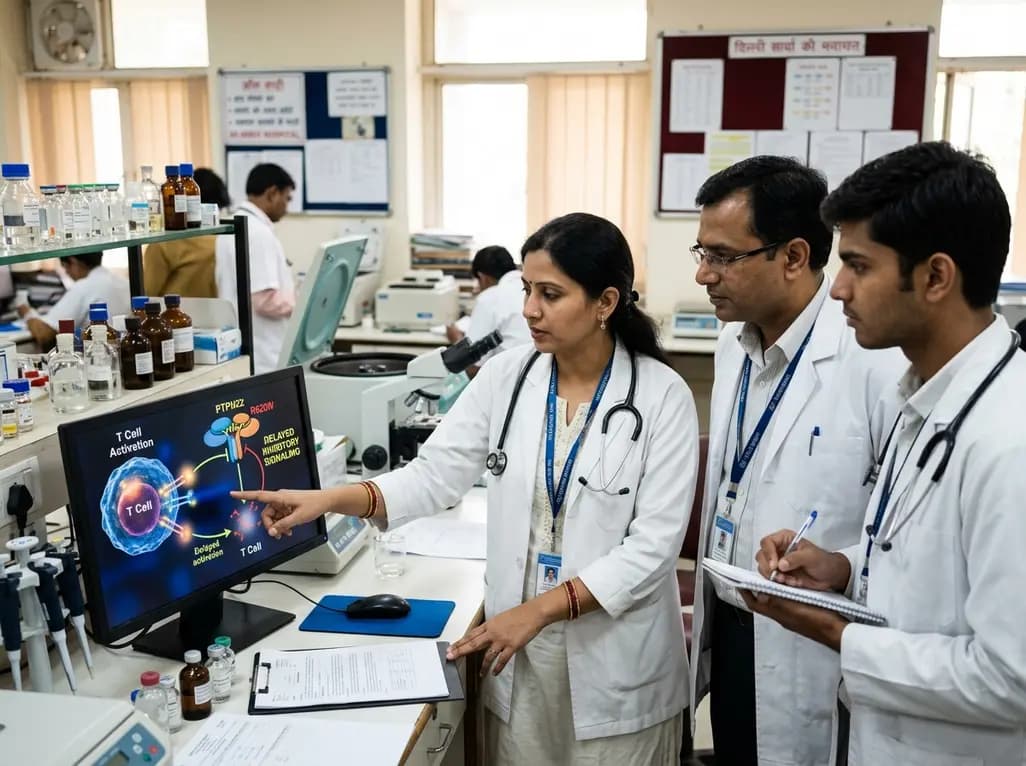
New immunological research reveals how PTPN22 forms a delayed inhibitory signaling complex to restrain T cell activation, explaining how the autoimmune-linked R620W variant disrupts feedback control and promotes persistent inflammation in conditions like rheumatoid arthritis and type 1 diabetes.
Today
