

Loading, please wait...
Loading, please wait...
Effective cancer care requires an unbroken continuum from community-level screening to specialized tertiary management. Recently, Union Health Secretary Punya Salila Srivastava addressed delegates at the National Cancer Grid Annual Meeting 2026 in Mumbai. During this key address, she urged stakeholders to link all cancer screening records with individual Ayushman Bharat Health Account IDs. Consequently, this digital convergence aims to establish seamless interoperability, responsible clinical data sharing, and evidence-based oncology delivery across India.
India continues to make monumental progress in expanding its national digital architecture under the Ayushman Bharat Digital Mission. Currently, authorities have generated nearly ninety-nine crore ABHA identifiers and successfully linked roughly one hundred crore digital health documents. Therefore, incorporating oncological screening results directly into this federated architecture creates a transformative opportunity for Indian healthcare. Patients frequently experience severe treatment fragmentation when navigating referrals between primary wellness centres and regional cancer institutions. However, an interoperable digital record mitigates these structural inefficiencies by allowing clinicians immediate access to diagnostic information. When practitioners access verified screening summaries with explicit patient consent, they avoid duplicate investigations and diagnostic delays. Additionally, this unified architecture enables longitudinal tracking of high-risk individuals who require periodic follow-up. Community health teams can monitor compliance with secondary screening protocols across administrative borders. Furthermore, empanelled hospitals operating under Ayushman Bharat Pradhan Mantri Jan Arogya Yojana can rapidly verify clinical indications for specialized interventions. As a result, linking cancer screening records with ABHA accounts transforms fragmented consultations into a coherent, patient-centered continuum of care.
Primary healthcare facilities serve as the foundational frontline for population-level cancer prevention across India. Notably, more than one hundred and fifty-three crore individual cancer screenings have taken place across approximately 1.87 lakh Ayushman Arogya Mandirs nationwide. These extensive public health evaluations focus specifically on individuals aged thirty years and older to capture early malignant alterations. For instance, national health teams have completed 37.1 crore screenings for oral malignancies, 17.4 crore for breast lesions, and 9.7 crore for cervical conditions. Healthcare providers utilize accessible clinical methods, including visual oral examinations, clinical breast evaluations, and visual inspection with acetic acid. Consequently, early identification significantly lowers morbidity, simplifies subsequent therapeutic regimens, and substantially improves overall survival curves. However, high screening volumes only translate into meaningful survival benefits if suspicious findings trigger timely diagnostic follow-up. Primary care physicians must maintain seamless referral coordination with secondary diagnostic hubs. In addition, rural healthcare personnel require streamlined digital tools to document suspicious examinations immediately. Standardized clinical documentation ensures that tertiary oncologists understand the initial presentation without ambiguity. Thus, scaling preventive screening within primary infrastructure remains indispensable for curbing the country's expanding oncology burden.
Patient education represents another cornerstone of successful cancer management, especially in diverse sociocultural landscapes. At the National Cancer Grid meeting, the Union Health Secretary officially unveiled NCG VISHWAS to address persistent information asymmetries. VISHWAS, which signifies Videos to Support Health, Wellness, Awareness and Self-care, delivers clinically validated cancer education. Moreover, this artificial intelligence-supported platform provides medically vetted content in Hindi, Marathi, Tamil, and English. The initiative covers the entire clinical journey across oral, breast, and cervical cancers, from preventive habits to palliative strategies. Dr. C. S. Pramesh emphasized that VISHWAS fuses digital technology with multidisciplinary clinical expertise to empower patients and families. Furthermore, the Health Ministry recommended distributing these multimedia modules through frontline grassroots networks, including ASHA and Anganwadi workers. Community health advocates can display these visual guides during local Ayushman Arogya Shivirs to demystify complex medical terminology. Similarly, integrating these resources into the Swasth Bharat portal and national digital repositories broadens public reach. When patients understand symptom etiologies and therapeutic rationales, their treatment adherence improves substantially. Therefore, culturally tailored digital education actively reduces the emotional distress, stigma, and fatalism traditionally associated with oncological diagnoses.
A robust continuum of cancer care requires strong intermediate clinical facilities between rural clinics and apex institutes. Consequently, the Ministry of Health is actively establishing dedicated day care chemotherapy centers within district hospitals nationwide. This strategic decentralization permits patients to receive standard chemotherapy cycles closer to their homes, avoiding exhausting travel. Simultaneously, health authorities are expanding specialized oncology departments across twenty-two newly established All India Institutes of Medical Sciences. These regional apex institutions provide advanced surgical, radiation, and medical oncology care to underserved populations. However, serious shortages of specialist pathologists and radiologists frequently create diagnostic bottlenecks at secondary levels. To address these critical gaps, the government is introducing technology-enabled teleradiology and digital pathology networks. Experienced tertiary specialists can remotely interpret complex diagnostic imaging and histological biopsies from remote community hospitals. Additionally, this tele-oncology infrastructure accelerates staging turnaround times and prevents unneeded disease progression while patients await histological confirmation. Primary clinicians can consult regional oncology multidisciplinary teams before initiating invasive interventions. Ultimately, establishing competent diagnostic and therapeutic hubs at district levels ensures that screened abnormalities transition rapidly into curative oncological interventions.
Financial toxicity often forces socioeconomically disadvantaged families to discontinue life-saving oncological therapies prematurely. To combat this reality, Ayushman Bharat PM-JAY has provided over twenty-seven thousand crore rupees toward cancer treatments. This substantial financial safety net covers surgical resections, modern radiation therapy, and complex chemotherapy regimens for vulnerable citizens. Furthermore, the central government has implemented trade margin rationalisation on essential oncology medicines, substantially reducing retail prices. Beyond financial protection, Indian healthcare leaders are prioritizing coordinated academic research to optimize domestic clinical protocols. Secretary Srivastava specifically urged all AIIMS oncology centers to integrate into the National Cancer Grid network. Moreover, she encouraged member institutions to collaborate actively with the Pan-AIIMS Research Consortium on translational oncology projects. With appropriate patient consent protocols, anonymized clinical data can power epidemiological tracking and clinical drug trials. The National Cancer Grid currently unites more than four hundred cancer centers, research facilities, and patient advocacy groups. Consequently, this collaborative consortium standardizes clinical practice guidelines, enforces quality assurance, and drives multi-institutional clinical trials across India. In conclusion, combining financial subsidies, price regulations, and collaborative clinical research ensures sustainable, evidence-based cancer care nationwide.
Q1: Why is linking cancer screening records to ABHA accounts clinically vital?
Linking cancer screening records to Ayushman Bharat Health Account IDs establishes an interoperable, longitudinal medical history for every screened patient. Consequently, clinicians across primary, secondary, and tertiary centres can instantly review suspicious lesions or abnormal screening results without repeating investigations. Furthermore, this seamless digital record-sharing prevents loss to follow-up, accelerates oncology referrals, ensures timely staging interventions, and guarantees that vulnerable patients receive coordinated multimodal therapy under national healthcare coverage schemes.
Q2: What role does NCG VISHWAS play in oncology patient education?
NCG VISHWAS bridges major health literacy gaps by offering artificial intelligence-assisted, clinician-reviewed educational videos in Hindi, Marathi, Tamil, and English. In addition, these targeted resources guide individuals through cancer prevention, early symptom recognition, diagnostic procedures, active therapy, and survivorship. By deploying this digital material through community health workers and official health portals, oncology teams empower patients and their families to understand treatment pathways, reduce procedural anxiety, and actively adhere to prescribed therapy regimens.
Q3: How does the Ayushman Bharat framework support equitable cancer care delivery?
The Ayushman Bharat ecosystem provides financial protection and structural support for underprivileged cancer patients. Specifically, AB PM-JAY has allocated approximately twenty-seven thousand crore rupees toward cancer care, mitigating severe out-of-pocket expenses. Moreover, the integration of day care chemotherapy units at district hospitals and oncology wings at new AIIMS institutions expands geographic accessibility. Thus, the framework enables seamless transitions from community-based primary screenings directly to advanced, state-of-the-art tertiary cancer treatments.
Disclaimer: This content is for informational and educational purposes only. It does not constitute medical advice or replace professional judgment. Refer to the latest local and national guidelines for clinical practice.
References

Read summarized clinical updates, watch expert medical content, and earn CME certifications right from your smartphone.
Open your smartphone camera to scan and install.





India is advancing oncological care by linking cancer screening data with Ayushman Bharat Health Account IDs. Announced at the NCG Annual Meeting 2026, this digital push enhances longitudinal care, expands public health screenings, and deploys NCG VISHWAS to deliver multilingual patient education across the nation.
Today

A comprehensive systems biology review illuminates how kynurenine pathway dysregulation fuels neurodegeneration in Parkinson's disease. Multi-omics integration identifies critical enzymatic targets, including IDO1, TDO2, and KMO, while underscoring key translational challenges in developing disease-modifying therapies.
Today

A cross-sectional study of 4,862 women highlights how metabolic phenotypes alter female reproductive impairment. Metabolically unhealthy overweight and obesity presented the greatest odds for infertility and impaired fecundity, underscoring the vital need for comprehensive cardiometabolic screening.
Today

A large network analysis of middle-aged and older adults reveals distinct sex-specific dependency pathways between lifestyle factors and cardiometabolic diseases. Physical activity, smoking, and alcohol exhibit divergent bridging roles in men and women, underscoring the need for tailored clinical prevention.
Today
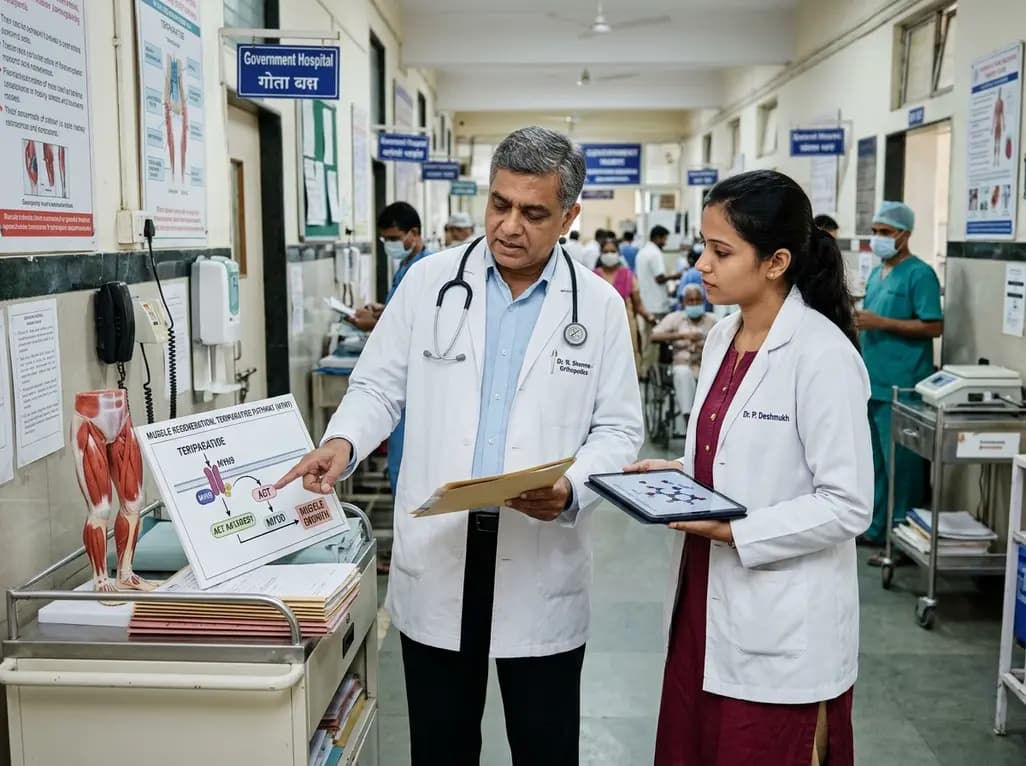
A breakthrough study reveals that teriparatide alleviates sarcopenia by binding MYH9 rather than PTH1R, activating an AKT/CREB1 axis to promote MYOD transcription and muscle regeneration. This discovery offers a promising biological rationale for repurposing bone anabolic therapies to combat age-related muscle loss.
Today
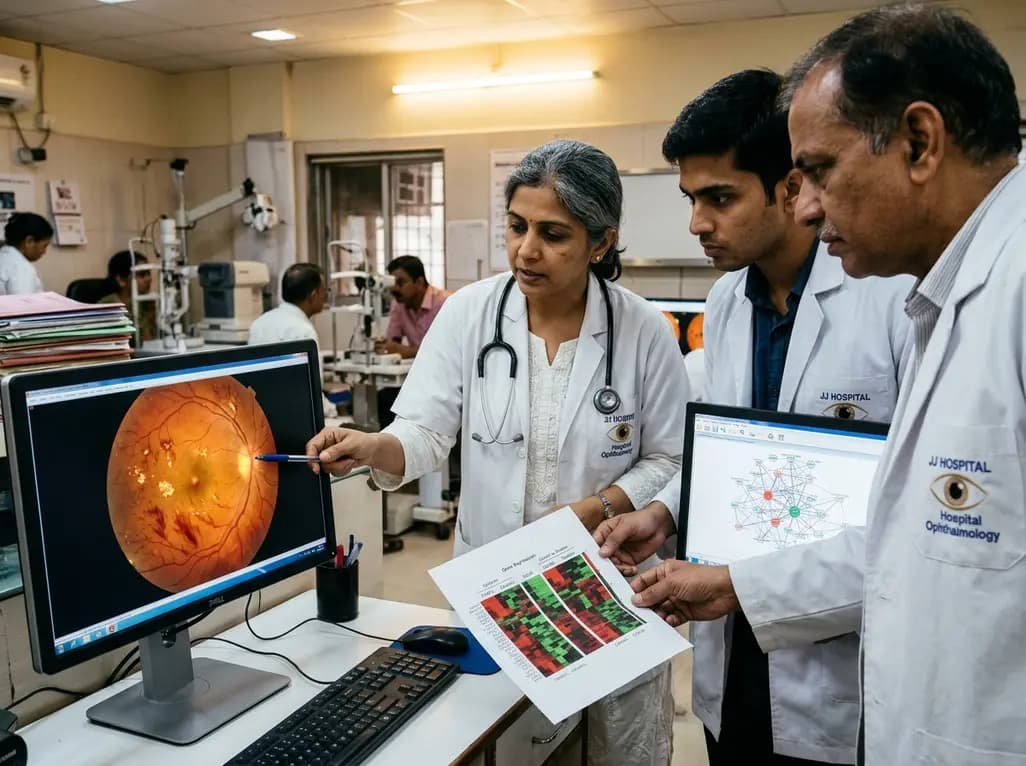
Single-cell transcriptomics reveals that STAP2 promotes retinal endothelial dysfunction in diabetic retinopathy through CXCR4 signaling. In vivo and in vitro studies show STAP2 knockdown reduces capillary drop-out and vascular leakage, uncovering a novel therapeutic target beyond anti-VEGF therapies.
Today
