

Loading, please wait...
Loading, please wait...
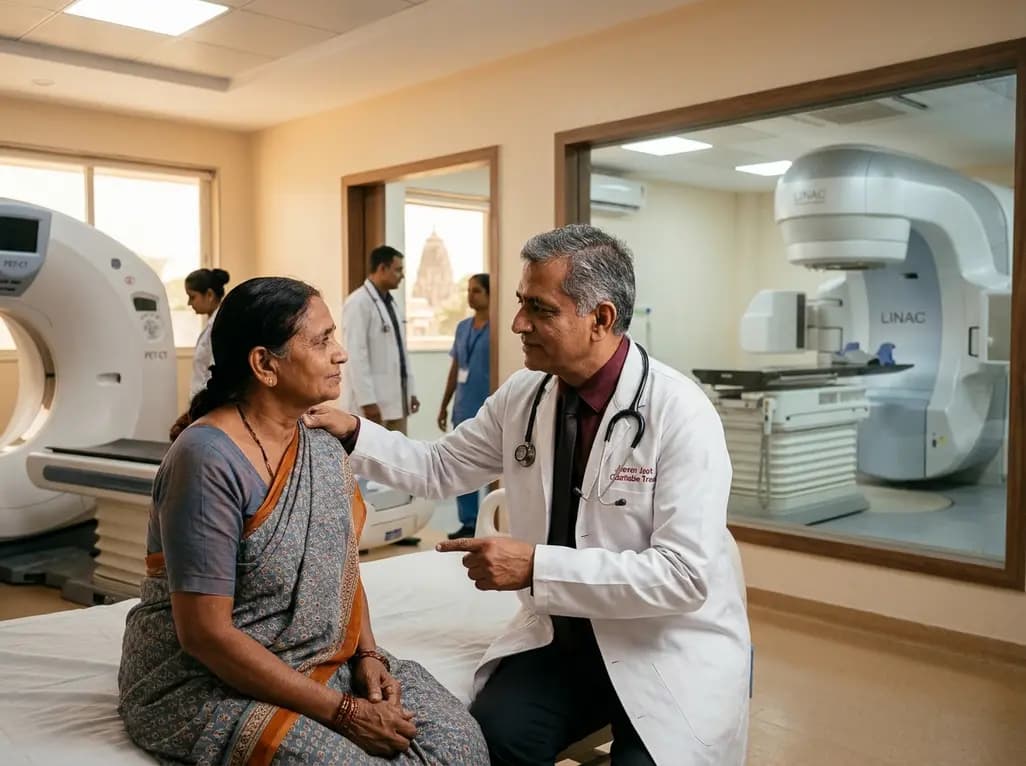
A transformative healthcare milestone recently occurred in North Gujarat. Gujarat Chief Minister Bhupendra Patel inaugurated the state-of-the-art PB Patan Janata Cancer Hospital on Sunday. Established under the aegis of the Jeevan Jyot Charitable Trust, this premier facility delivers advanced tertiary oncology services directly to semi-urban and rural populations. For decades, local residents traveled hundreds of kilometers to Ahmedabad or other metropolitan hubs for routine radiotherapy and advanced tumor staging. Consequently, this new cancer hospital in Patan eliminates catastrophic travel delays, reduces logistical burdens, and ensures prompt therapeutic interventions for underserved communities.
During the inaugural address, state leaders emphasized the vital necessity of decentralized cancer management. Modern cancer care requires rapid diagnostic confirmation, consistent radiation schedules, and compassionate rehabilitation. Therefore, establishing a well-resourced oncology center outside major metropolitan cities represents a monumental step toward healthcare equity in Gujarat. Furthermore, the initiative aligns seamlessly with national goals that focus on strengthening public health infrastructure across secondary and tertiary medical hubs.
Geographic proximity plays a decisive role in cancer survival rates. When patients face long, exhausting travel schedules, compliance with daily fractionation radiation schedules drops precipitously. Fortunately, the establishment of this modern cancer hospital in Patan addresses these persistent barriers. Patients residing across Patan, Mehsana, Banaskantha, and neighboring border areas can now receive expert oncological care without relocating their families. As a result, treatment adherence will improve significantly across vulnerable socioeconomic cohorts.
Moreover, local clinicians frequently encounter advanced malignancies that require multimodal management. General practitioners and surgeons in peripheral clinics often struggle to find immediate referral pathways for specialized radiation oncology. However, this hospital now bridges that referral gap by offering localized oncology consultations. In addition, the Jeevan Jyot Charitable Trust has committed to maintaining high standards of clinical excellence. Because the facility operates under a philanthropic ethos, financial constraints will no longer prevent families from accessing world-class oncology care.
The core strength of any contemporary radiation oncology unit lies in its linear accelerator capability. PB Patan Janata Cancer Hospital houses a cutting-edge linear accelerator installed at an estimated expenditure of Rs 22 crore. This high-end medical device allows clinical oncologists to deliver highly conformal external beam radiotherapy with millimeter precision. Consequently, clinicians can accurately target complex solid tumors while sparing surrounding healthy tissues from unintended radiation toxicity.
Advanced radiation delivery techniques like intensity-modulated radiation therapy and image-guided radiation therapy dramatically decrease treatment-related morbidities. For instance, head and neck malignancies require tight dose margins to protect salivary glands, optic structures, and the spinal cord. Furthermore, pelvic and abdominal tumors demand precise target delineation to avoid bowel and bladder damage. Because this new linear accelerator features modern beam collimation and sophisticated planning software, local radiation oncologists can execute complex treatment plans locally with absolute confidence.
Accurate baseline staging and early response evaluation dictate the clinical trajectory of most oncological disorders. Notably, the hospital has introduced a dedicated Positron Emission Tomography facility. This advanced diagnostic tool represents the very first operational PET scanner installed in the entire North Gujarat region. Previously, clinicians had to send patients to Ahmedabad even for baseline fluorodeoxyglucose imaging, creating systemic treatment bottlenecks.
Positron emission tomography combines functional metabolic data with anatomical computed tomography slices. Therefore, oncologists can accurately detect occult metastases, identify recurrence in post-surgical scars, and guide stereotactic radiation targeting. In addition, metabolic imaging helps systemic oncologists evaluate tumor response after several cycles of chemotherapy. By hosting this powerful modality on site, physicians can avoid empirical treatment modifications and make objective, evidence-based staging decisions without unnecessary diagnostic delays.
The financial toxicity of cancer care frequently forces families into severe medical debt. Recognizing this profound economic burden, hospital authorities announced that PET scan investigations will remain completely free of cost for Ayushman Bharat cardholders. Similarly, radiotherapy procedures will leverage existing government health insurance schemes to minimize direct out-of-pocket spending. Consequently, high-technology medical imaging becomes fully accessible to economically vulnerable citizens.
Furthermore, this public-philanthropic synergy creates a sustainable model for regional healthcare delivery. Charitable trusts provide efficient operational administration, whereas government welfare programs subsidize complex clinical therapies. Thus, the hospital ensures uninterrupted treatment courses for impoverished patients who might otherwise abandon therapy midway. In addition, local primary care clinicians gain access to reliable referral centers where their most vulnerable patients receive prompt, subsidized care.
Managing malignant neoplasms requires coordinated teamwork across diverse medical disciplines. The Jeevan Jyot Charitable Trust brings extensive clinical experience, having already logged over 15 lakh outpatient consultations and one lakh surgical interventions at its parent hospital campus. Therefore, the cancer hospital integrates seamlessly into existing surgical, critical care, and diagnostic infrastructures. In addition, leadership plans to introduce specialized services such as bone marrow transplants, kidney transplants, and robotic surgery in upcoming phases.
Meanwhile, public health advocacy remains an integral component of the institution's institutional mission. In his address, the Chief Minister underscored the growing incidence of lifestyle diseases and urged communities to renounce tobacco and addictive substances. Because early detection remains the cornerstone of cancer control, the hospital will conduct periodic screening camps across rural talukas. Consequently, physicians can identify premalignant lesions and localized cancers early, when curative intent remains achievable.
Q1: What advanced diagnostic and treatment technologies does the new hospital house?
The PB Patan Janata Cancer Hospital features a state-of-the-art linear accelerator machine installed at a cost of approximately Rs 22 crore. This equipment enables precision radiation therapies like IMRT and IGRT. Additionally, the hospital operates North Gujarat's first specialized PET scan facility for metabolic staging and recurrence detection.
Q2: How does this facility benefit Ayushman Bharat cardholders?
Ayushman Bharat cardholders receive PET scan diagnostic examinations completely free of charge at this center. Furthermore, their radiotherapy and supportive oncology treatments are covered under government health insurance schemes, effectively shielding vulnerable families from financial devastation.
Q3: Why is regional cancer infrastructure crucial for rural cancer patients?
Regional cancer hubs dramatically reduce travel burdens and lodging expenses for patients and caregivers. Radiation therapy requires daily sessions spanning several weeks; therefore, local facilities prevent treatment abandonment, facilitate timely follow-ups, and ensure superior long-term adherence.
Disclaimer: This content is for informational and educational purposes only. It does not constitute medical advice or replace professional judgment. Refer to the latest local and national guidelines for clinical practice.
References

Read summarized clinical updates, watch expert medical content, and earn CME certifications right from your smartphone.
Open your smartphone camera to scan and install.





A cutting-edge oncology center in Patan now brings linear accelerator radiotherapy and positron emission tomography to North Gujarat. Run by Jeevan Jyot Charitable Trust, this facility eliminates long travel to metro centers while offering subsidized and free diagnostic scans under Ayushman Bharat.
Today

A systematic review and meta-analysis evaluated salivary metabolomics in primary Sjögren disease. Although disease is linked to a metabolic shift, specific markers like glycine, pyruvic acid, and succinic acid showed no significant pooled difference, indicating the need for standardized diagnostic studies.
Today
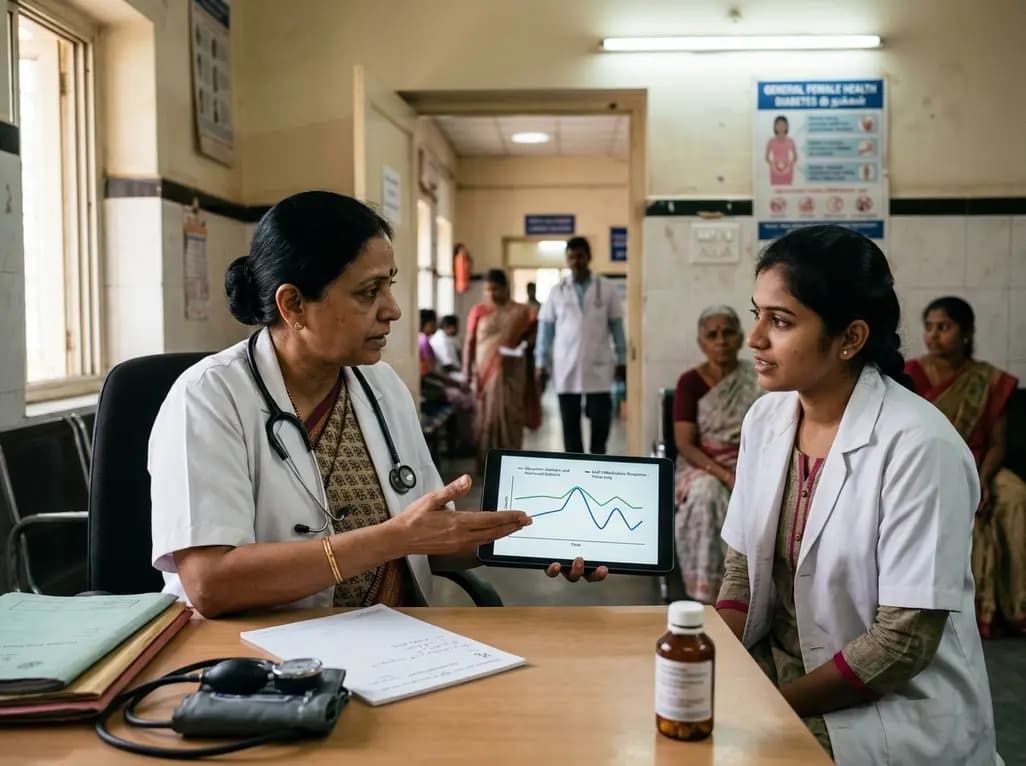
Medical experts caution that GLP-1 receptor agonists offer metabolic support rather than a curative answer for polyendocrine metabolic ovarian syndrome. Clinicians must evaluate glycemic markers, reproductive plans, and lifestyle interventions while discouraging unsupervised medication use among female patients.
Today
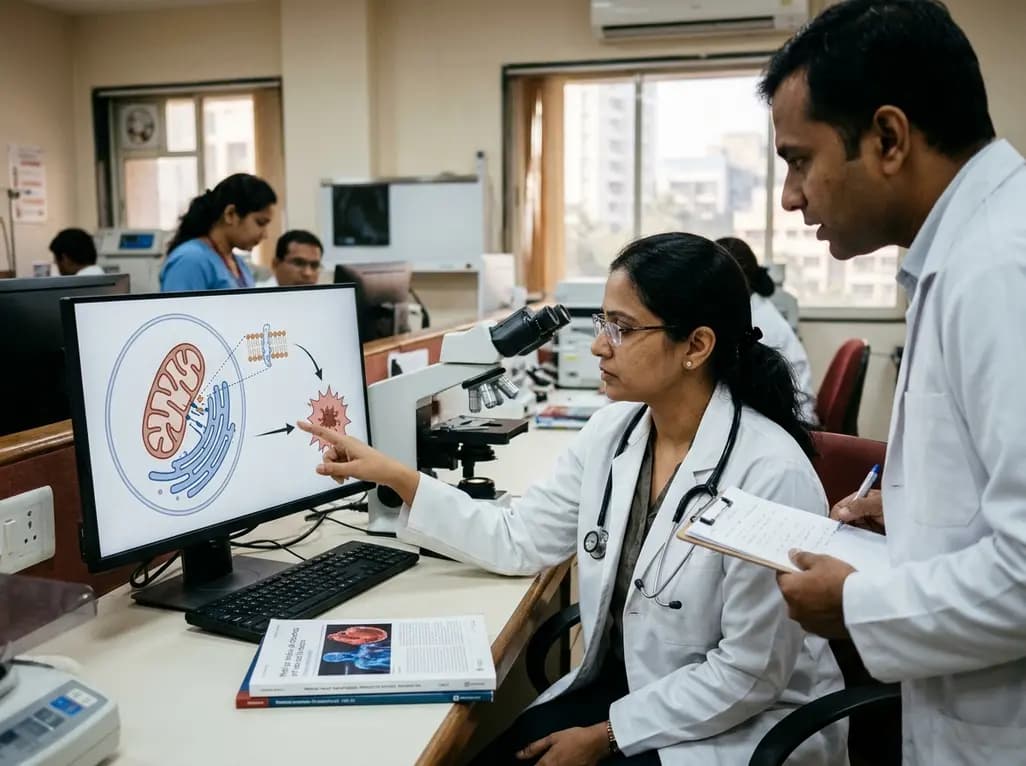
Recent research highlights how endoplasmic reticulum and mitochondrial interactions at contact sites regulate ferroptosis in cardiovascular diseases. This article explores lipid peroxidation, organelle crosstalk, and potential therapeutic strategies for ischemic heart disease and heart failure.
Today
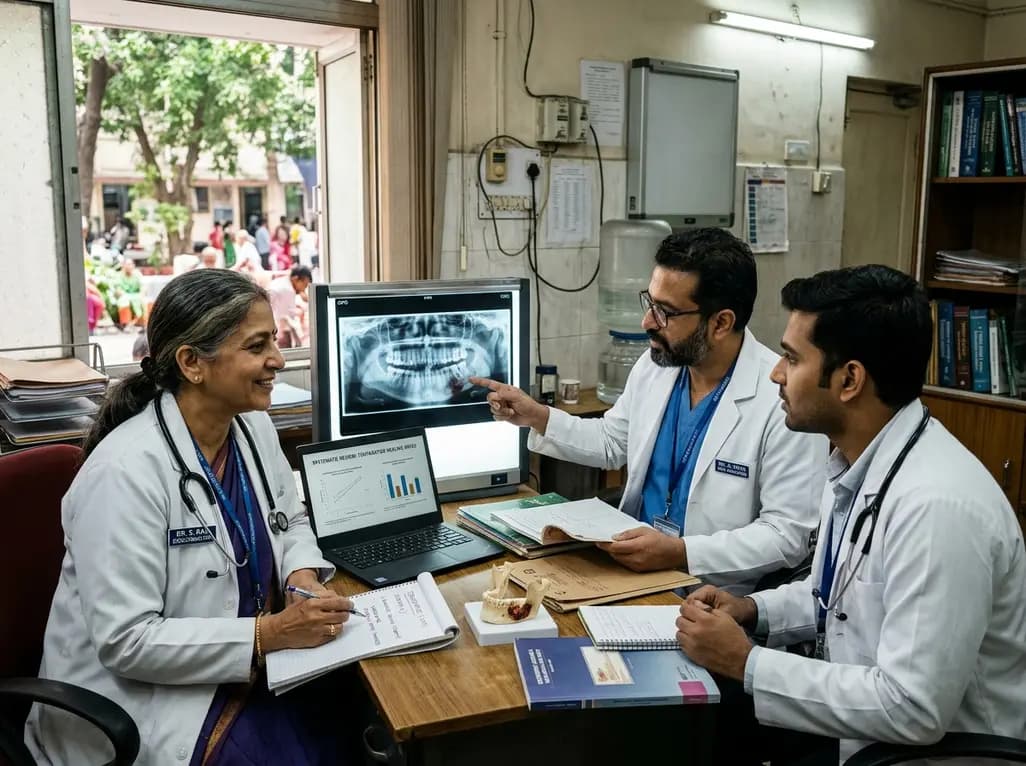
A systematic review demonstrates that teriparatide significantly improves healing in medication-related osteonecrosis of the jaw (MRONJ), especially when combined with surgical and non-surgical therapies. This review explores clinical evidence, biological mechanisms, and treatment protocols for clinicians.
Today
Groundbreaking research from Indian scientists shows that acute high glucose environments can metabolically rejuvenate cytotoxic T cells via the IGF1-mTOR axis. While this explains reduced malignancy rates in certain diabetic models, experts caution against altering glycemic management in routine clinical practice.
Today
