

Loading, please wait...
Loading, please wait...
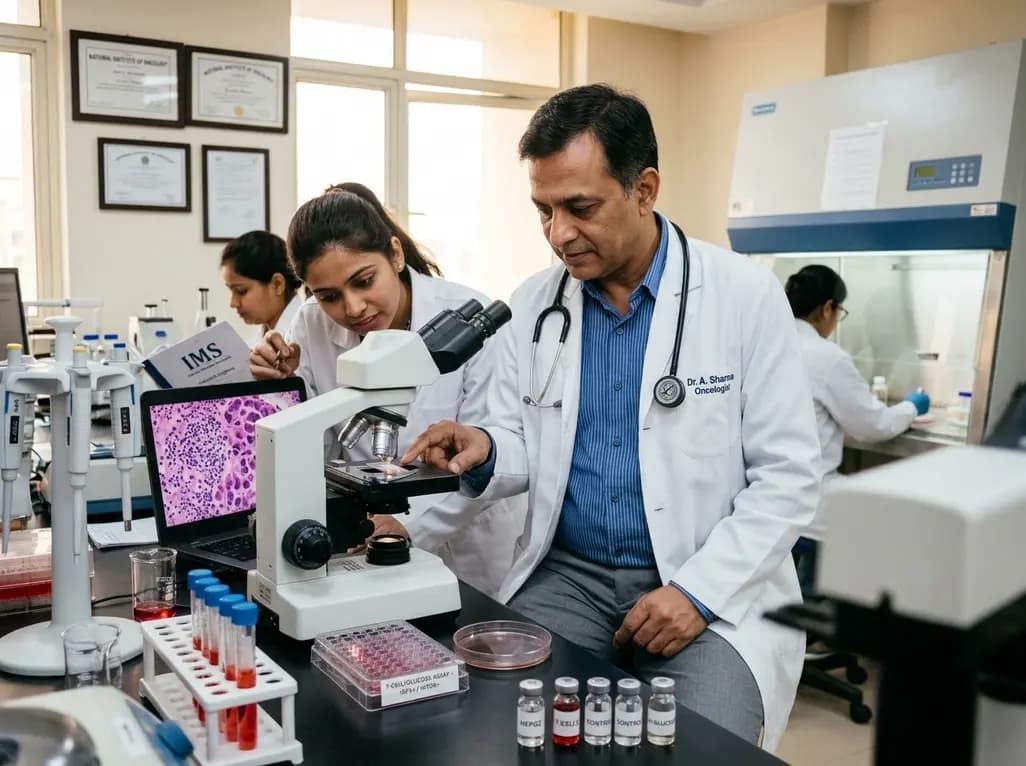
Epidemiologists have long investigated an intriguing clinical mystery. Specifically, individuals with type 1 diabetes paradoxically exhibit reduced rates of certain malignancies. Recently, Indian researchers published an unprecedented investigation examining hyperglycemia and cancer in The Journal of Immunology. Their work reveals that elevated extracellular glucose reprograms cytotoxic T lymphocytes. Consequently, these vital immune cells exhibit markedly enhanced antitumor potency in preclinical models.
Researchers led by Dr. Anamika Bose at the National Institute of Pharmaceutical Education and Research evaluated tumor dynamics across distinct murine cohorts. Initially, the team observed that solid tumors grew significantly slower in hyperglycemic mice compared to euglycemic controls. In addition, the hyperglycemic animal models harbored a markedly higher population of tumor-infiltrating lymphocytes. These cytotoxic cells displayed heightened migratory efficiency within the complex tumor microenvironment. Furthermore, the elevated glucose milieu fostered a sustained inflammatory profile that invigorated immune surveillance. Tumor cells normally exhaust circulating lymphocytes through competitive nutrient depletion. However, excess systemic glucose in these models effectively prevented metabolic starvation among tumor-infiltrating effector cells. Therefore, CD8-positive T cells retained their robust cytotoxic potency and attacked cancerous lesions with greater efficacy. Quantitative histologic analyses subsequently confirmed pronounced tumor necrosis in the hyperglycemic cohort. In contrast, control mice with normal glucose levels exhibited typical, unrestrained malignant progression. This striking finding revealed that the biochemical state of hyperglycemia directly enhances cellular immune defenses. Consequently, scientists began exploring the underlying intracellular cascades that govern this metabolic empowerment.
To decipher the exact intracellular mechanism, the investigators examined intracellular signaling networks within tumor-infiltrating CD8-positive T lymphocytes. They discovered that excess extracellular glucose actively stimulates the insulin-like growth factor 1 receptor pathway. Consequently, this receptor activation markedly upregulates the phosphorylation of mammalian target of rapamycin, commonly known as mTOR. The active IGF1R-mTOR signaling axis subsequently triggers substantial metabolic reprogramming within cytotoxic T cells. Furthermore, this cascade boosts both glycolytic throughput and mitochondrial oxidative phosphorylation. As a result, the energized immune cells dramatically increase their production of cytotoxic cytokines, including interferon-gamma and granzyme B. Notably, this metabolic shift occurred preferentially within lymphocytes rather than surrounding malignant cells. The tumor microenvironment typically imposes profound immune suppression via metabolic checkpoint exhaustion. However, the activated IGF1R pathway effectively rejuvenated exhausted T cells, enabling sustained anti-tumor cytotoxicity. In laboratory assays, targeted antagonism of either IGF1R or mTOR completely abolished these enhanced effector functions. Thus, researchers confirmed that this specific intracellular pathway is indispensable for glucose-induced immune rejuvenation.
Next, the research team addressed a critical physiological question regarding the effect of therapeutic blood sugar reduction. They administered exogenous insulin to diabetic mice to achieve standard euglycemic targets. Remarkably, insulin-treated diabetic animals displayed accelerated tumor growth identical to non-diabetic cohorts. Furthermore, the tumor-infiltrating CD8-positive T cells in insulin-treated subjects promptly lost their superior antitumor capabilities. Cytotoxic cytokine production and metabolic markers dropped back to baseline levels following glucose normalization. Therefore, the researchers deduced that sustained hyperglycemia, rather than underlying autoimmune diabetes, directly mediated immune vigor. Exogenous insulin reversed the metabolic activation by shutting down the newly discovered signaling cascade. In addition, insulin therapy altered circulating systemic factors that previously stimulated the IGF1-mTOR axis. Clinicians must recognize that this metabolic effect operates dynamically in direct response to ambient glycemic levels. However, the swift reversal upon insulin therapy underscores a vital clinical caveat. Therapeutic insulin remains life-saving and non-negotiable for patients with diabetes. Thus, the findings highlight a complex biochemical paradox rather than a rationale for intentional hyperglycemia.
Following their animal experiments, the investigators evaluated the translational relevance of these discoveries in human subjects. Specifically, they isolated peripheral blood mononuclear cells from donors with chronic hyperglycemia and healthy control participants. The scientific team subsequently stimulated these extracted immune cells with allogeneic tumor antigens in controlled in vitro assays. Remarkably, CD8-positive T cells obtained from hyperglycemic individuals mounted a significantly stronger cytotoxic response against tumor cells. Furthermore, biochemical analyses verified heightened activation of the IGF1R-mTOR pathway in these human lymphocytes. This molecular parallel confirms that human immune cells possess the same metabolic sensitivity observed in mice. In addition, pharmacologic blockade of IGF1R in human lymphocyte cultures suppressed antigen-driven activation. Consequently, this observation indicates that the biological mechanism operates across species. Nevertheless, observational findings in isolated human blood samples do not establish complete clinical protection against cancer. Biological reality in human patients involves multifaceted systemic interactions beyond isolated cell cultures. Therefore, comprehensive prospective clinical studies remain essential to delineate how systemic glucose variations modulate human antitumor immunity.
These laboratory findings offer compelling insights for the future development of next-generation cancer immunotherapies. Senior author Dr. Anamika Bose emphasized that the true clinical value lies in therapeutic pathway mimicry. Specifically, oncologists could harness synthetic agonists that selectively stimulate the IGF1R-mTOR axis within therapeutic T cells. Consequently, adoptive cell therapies, such as CAR-T cell infusions, could achieve superior metabolic resilience in hostile tumor environments. Furthermore, engineering this pathway into cellular products avoids exposing cancer patients to systemic hyperosmolar or metabolic hazards. However, endocrinologists and oncologists must strongly advise patients against relaxing their established diabetes control. Uncontrolled hyperglycemia inevitably causes severe systemic complications, including microvascular damage, renal impairment, diabetic ketoacidosis, and accelerated cardiovascular disease. In addition, chronic elevated blood glucose impairs neutrophil chemotaxis and escalates vulnerability to life-threatening infections. Therefore, clinical management must adhere strictly to established glycemic guidelines and standard insulin regimens. Ultimately, translating this research will depend on developing targeted pharmaceutical tools that separate immune rejuvenation from diabetic pathology.
Q1: Does high blood sugar prevent cancer development in humans?
Current clinical evidence does not demonstrate that high blood sugar prevents cancer in human patients. While murine experiments revealed that hyperglycemia enhances CD8-positive T cell antitumor responses, human oncology is far more complex. In fact, chronic uncontrolled hyperglycemia triggers severe organ damage and elevates risk profiles for multiple non-communicable diseases. Therefore, clinicians strictly advise against intentional hyperglycemia, focusing instead on future targeted molecular therapies.
Q2: Why did insulin administration reverse the antitumor effect in the study?
Insulin administration restored normal blood glucose levels, which systematically deprived cytotoxic T cells of excess circulating energy substrates. Consequently, this metabolic normalization shut down the newly activated IGF1R-mTOR intracellular signaling cascade within tumor-infiltrating lymphocytes. Without continuous glucose stimulation and receptor pathway activation, the immune cells returned to their baseline functional capacity. Thus, the heightened antitumor cytotoxic potency disappeared once glycemic homeostasis was re-established.
Q3: How might this discovery improve future cancer immunotherapies?
This discovery provides an innovative blueprint for enhancing adoptive cell therapies, such as CAR-T cell platforms. Instead of altering patient blood sugar, bioengineers can genetically or chemically stimulate the intrinsic IGF1R-mTOR signaling axis within therapeutic T cells before reinfusion. As a result, these rejuvenated immune cells can withstand the metabolically hostile tumor microenvironment, execute sustained cytotoxic activity, and attack tumors more effectively without causing diabetic complications.
Disclaimer: This content is for informational and educational purposes only. It does not constitute medical advice or replace professional judgment. Refer to the latest local and national guidelines for clinical practice.
References

Read summarized clinical updates, watch expert medical content, and earn CME certifications right from your smartphone.
Open your smartphone camera to scan and install.





Groundbreaking research from Indian scientists shows that acute high glucose environments can metabolically rejuvenate cytotoxic T cells via the IGF1-mTOR axis. While this explains reduced malignancy rates in certain diabetic models, experts caution against altering glycemic management in routine clinical practice.
Today

A systematic review and meta-analysis evaluated salivary metabolomics in primary Sjögren disease. Although disease is linked to a metabolic shift, specific markers like glycine, pyruvic acid, and succinic acid showed no significant pooled difference, indicating the need for standardized diagnostic studies.
Today
Medical experts caution that GLP-1 receptor agonists offer metabolic support rather than a curative answer for polyendocrine metabolic ovarian syndrome. Clinicians must evaluate glycemic markers, reproductive plans, and lifestyle interventions while discouraging unsupervised medication use among female patients.
Today

Recent research highlights how endoplasmic reticulum and mitochondrial interactions at contact sites regulate ferroptosis in cardiovascular diseases. This article explores lipid peroxidation, organelle crosstalk, and potential therapeutic strategies for ischemic heart disease and heart failure.
Today

A systematic review demonstrates that teriparatide significantly improves healing in medication-related osteonecrosis of the jaw (MRONJ), especially when combined with surgical and non-surgical therapies. This review explores clinical evidence, biological mechanisms, and treatment protocols for clinicians.
Today
