.webp&w=384&q=75)

Loading, please wait...
Loading, please wait...
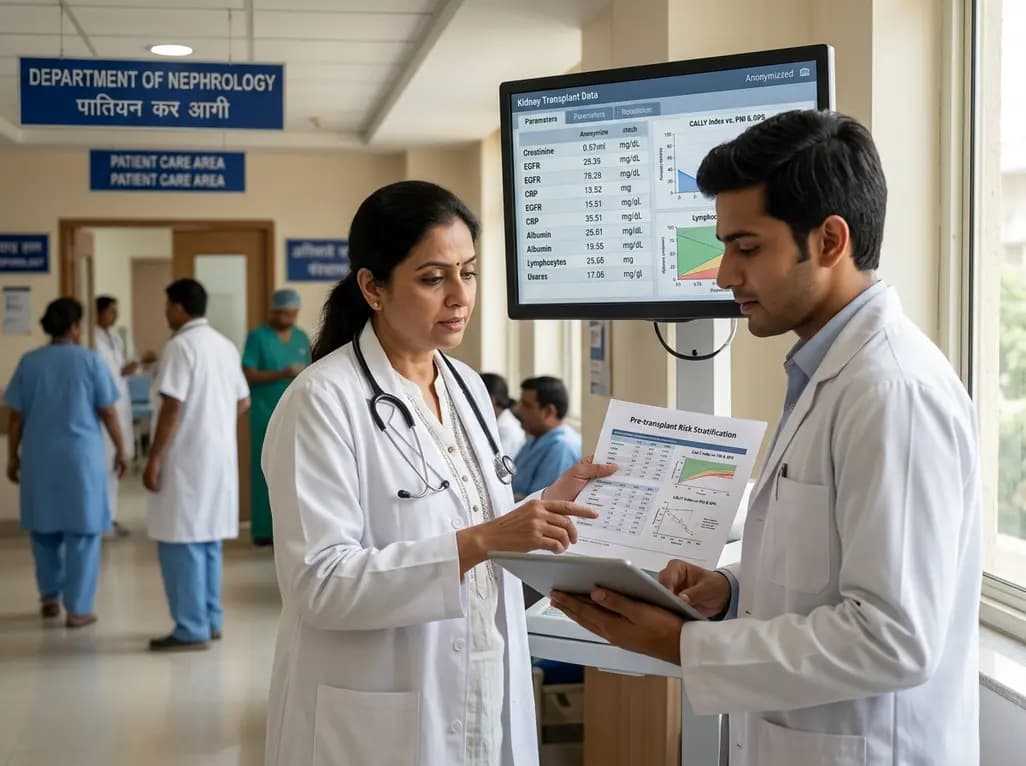
Managing end-stage renal disease requires timely interventions, yet acute renal allograft rejection remains a significant hurdle to long-term graft survival. Despite substantial advancements in immunosuppressive protocols, early prediction of allograft injury remains complex. Conventional diagnostic workflows depend heavily on invasive renal biopsies and serum creatinine monitoring. However, serum creatinine often rises only after substantial parenchymal damage has already occurred. Consequently, transplant clinicians need readily accessible, non-invasive pretransplant biomarkers to stratify immunological risk prior to surgery.
Kidney transplantation serves as the definitive gold standard therapy for patients facing end-stage kidney failure. Nonetheless, the development of acute renal allograft rejection threatens graft integrity and accelerates chronic allograft nephropathy. Cellular and antibody-mediated pathways drive immune-mediated allograft injury, demanding prompt clinical identification. Current standard monitoring tools, including serum creatinine kinetics, donor-specific antibodies, and histological evaluation via core needle biopsy, present noticeable practical limitations. Core biopsies carry procedural risks such as arteriovenous fistulas, bleeding, and graft loss, while also suffering from sampling error. Moreover, molecular diagnostic tools like donor-derived cell-free DNA and gene expression profiling remain expensive and technically demanding in resource-limited hospital settings. Therefore, identifying cost-effective systemic biomarkers from routine pretransplant blood tests offers enormous clinical utility. Systemic inflammation and subclinical malnutrition actively alter host immune responses, creating an environment susceptible to graft rejection. Evaluating composite pretransplant scores can help clinicians anticipate immune reactivity, adjust induction therapy, and optimize posttransplant monitoring protocols effectively.
Systemic inflammation and host nutritional status dynamically govern the immune response after organ transplantation. Chronic uremia induces a persistent low-grade inflammatory state while impairing adaptive immunity and cellular metabolism. Emerging composite indices integrate three fundamental pillars: inflammatory activity, nutritional reserve, and immune competence. The C-reactive protein-albumin-lymphocyte (CALLY) index synthesizes these essential physiological dimensions into a single unified metric. In this formula, serum albumin represents visceral protein reserves and baseline nutrition, while absolute lymphocyte count reflects immunocompetence. Conversely, serum C-reactive protein indicates active systemic inflammation and heightened macrophage activation. Similarly, the Prognostic Nutritional Index relies on albumin and lymphocyte counts, whereas the Glasgow Prognostic Score categorizes patients based on concurrent elevations in C-reactive protein and hypoalbuminemia. When chronic systemic inflammation coincides with malnutrition and relative lymphopenia, host regulatory immune mechanisms fail to control alloreactive T-cell proliferation adequately. Consequently, a depressed CALLY index reflects an unfavorable host microenvironment characterized by exaggerated inflammatory cytokines and impaired immune homeostasis.
A recent cohort study evaluated 59 adult kidney transplant recipients between 2015 and 2024 to compare these prognostic scoring tools. Biopsy-proven acute rejection occurred in 27.1% of patients within twelve months posttransplant. The investigation compared pretransplant CALLY, PNI, and GPS values between rejection and non-rejection cohorts to determine their diagnostic accuracy. Notably, multivariable logistic regression confirmed that lower pretransplant CALLY values were independently associated with the development of acute rejection. Patients exhibiting lower CALLY scores demonstrated significantly higher odds of experiencing graft rejection compared to those with balanced immunonutritional profiles. Furthermore, receiver operating characteristic curve analysis revealed that the CALLY index achieved exceptional discriminative accuracy, generating an area under the curve of 0.968. In direct contrast, the Prognostic Nutritional Index and Glasgow Prognostic Score exhibited lower predictive power and failed to match the diagnostic precision of CALLY. These findings suggest that integrating lymphocyte counts alongside the albumin-to-CRP ratio captures both inflammatory burden and cellular immune competence far better than isolated nutritional scores.
Accurate pretransplant risk assessment empowers surgical and nephrology teams to tailor therapeutic regimens before graft reperfusion. Patients presenting with low pretransplant CALLY values represent a high-risk immunological subgroup requiring personalized clinical pathways. For these vulnerable recipients, clinicians might select potent lymphocyte-depleting induction agents rather than standard interleukin-2 receptor antagonists. Furthermore, clinical teams can maintain tighter therapeutic drug monitoring of calcineurin inhibitors during the critical early posttransplant period. Routine calculation of the CALLY score before surgery requires no specialized laboratory platforms, as routine hemograms and biochemical panels provide all necessary parameters. Consequently, transplant centers can easily incorporate this algorithm into standard pretransplant workups without escalating diagnostic costs. In addition, identifying severe pretransplant systemic inflammation prompts thorough searches for occult infections or subclinical vascular disease. Clinicians can also initiate aggressive nutritional prehabilitation and anti-inflammatory optimizations prior to elective living donor renal transplantation. Ultimately, proactive stratification allows targeted interventions that mitigate rejection risk and protect long-term graft function.
Kidney transplantation in India faces unique epidemiological and socioeconomic challenges that demand cost-effective prognostic tools. Living donor kidney transplantation constitutes the vast majority of procedures across Indian transplant units. However, many candidates present with late-stage chronic kidney disease complicated by malnutrition, chronic infections, and persistent uremic inflammation. Advanced molecular assays, including donor-derived cell-free DNA and transcriptomic profiling, remain financially inaccessible for a significant proportion of self-paying patients. In contrast, calculating the CALLY index utilizes standard complete blood counts, serum albumin, and high-sensitivity C-reactive protein tests available in every hospital laboratory across India. Indian nephrologists can leverage this simple scoring system to identify candidates who require intensive pretransplant nutritional support or tailored immunosuppressive regimens. Furthermore, adopting low-cost objective biomarkers facilitates standardized risk assessment across both tertiary public hospitals and private transplant centers. By recognizing high-risk baseline profiles, Indian clinicians can implement vigilant surveillance schedules and prevent devastating graft loss in resource-conscious clinical environments.
Although these initial findings show great diagnostic promise, widespread clinical adoption requires rigorous multicenter validation. Future prospective studies should evaluate larger transplant cohorts across diverse demographic populations and varied donor types, including deceased donor transplants. Moreover, researchers must establish standardized cut-off thresholds for the CALLY index to facilitate uniform clinical decision-making. Serial longitudinal assessments of CALLY kinetics after transplantation could also provide real-time insights into evolving subclinical rejection episodes. Investigating how pretransplant CALLY values correlate with specific histological phenotypes, such as antibody-mediated versus T-cell-mediated rejection, will deepen pathophysiological understanding. Additionally, future clinical trials should explore whether pretransplant nutritional prehabilitation directly improves CALLY scores and subsequent allograft outcomes. Combining composite immunonutritional indices with novel non-invasive urinary biomarkers might eventually yield highly sensitive multimodal prediction models. Through systematic research and protocol standardization, clinicians can transform routine laboratory data into actionable prognostic intelligence that enhances patient care.
The CALLY index combines pretransplant serum albumin, absolute lymphocyte counts, and C-reactive protein levels. Elevated C-reactive protein signals active systemic inflammation, while low albumin and lymphopenia reflect malnutrition and impaired immune regulation. This combined disturbance indicates a heightened inflammatory state and altered immune tolerance, which predisposes transplant recipients to alloreactive immune responses and increases the likelihood of acute rejection following renal transplantation.
The CALLY index incorporates systemic inflammation, nutritional reserve, and immune competence simultaneously within a continuous mathematical formula. While the Prognostic Nutritional Index evaluates albumin and lymphocytes without measuring C-reactive protein, the Glasgow Prognostic Score uses discrete categorical cut-offs. Consequently, the CALLY index provides superior granularity and captures subtle interactions between active systemic inflammation and host immunonutritional status more effectively.
These biomarkers cannot entirely replace histological confirmation from a renal biopsy, which remains the definitive gold standard for diagnosing graft rejection. Instead, the CALLY index acts as an early risk-stratification tool prior to surgery. It identifies high-risk recipients who may benefit from enhanced immunosuppressive induction, closer therapeutic drug monitoring, and targeted surveillance biopsies when graft dysfunction is suspected.
Disclaimer: This content is for informational and educational purposes only and should not be considered medical advice. Always consult a qualified healthcare provider for diagnosis and treatment decisions. Refer to the latest local and national guidelines for clinical practice.
References

Read summarized clinical updates, watch expert medical content, and earn CME certifications right from your smartphone.
Open your smartphone camera to scan and install.





A comparative analysis reveals that the pretransplant C-reactive protein-albumin-lymphocyte (CALLY) index independently predicts acute renal allograft rejection with superior discriminative accuracy compared to PNI and GPS, offering a simple tool for post-transplant risk stratification.
last month
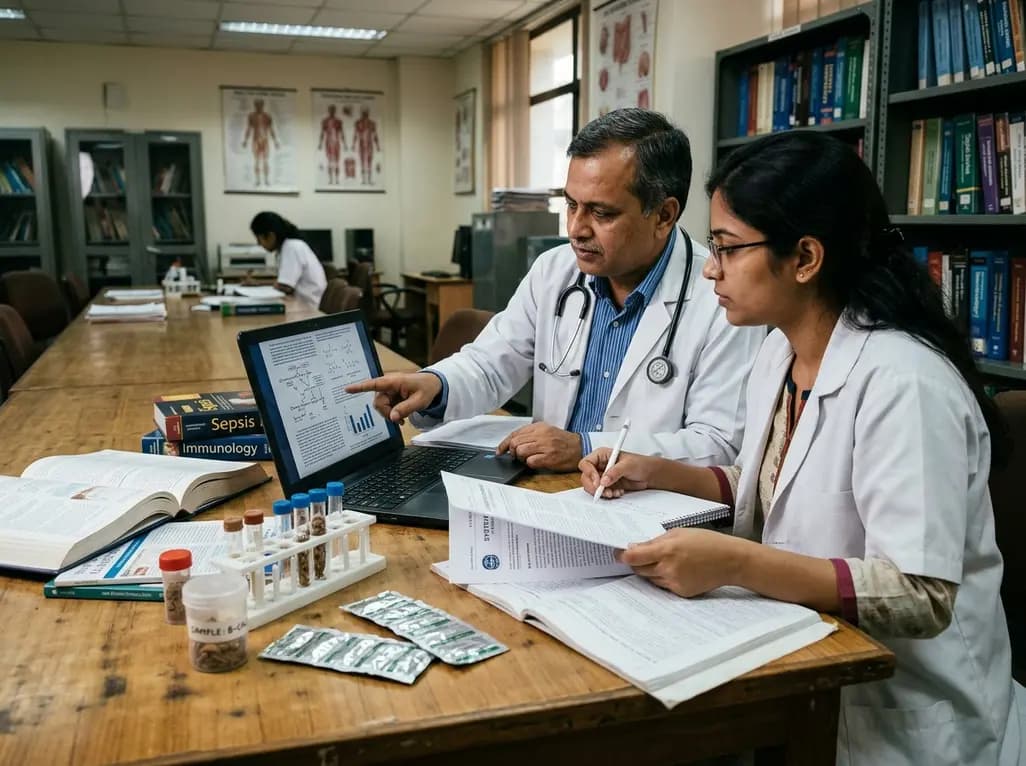
A systematic review of 41 preclinical studies reveals that baicalin dampens systemic inflammation, inhibits NF-κB and NLRP3 pathways, and improves organ preservation in sepsis models. However, substantial study heterogeneity and a complete lack of human clinical trials highlight the need for further translational research.
Today

Discover the crucial distinctions between mesonephric and mesonephric-like proliferations of the female genital tract. Learn the key histomorphologic, immunohistochemical, and molecular differences essential for accurate diagnosis and clinical management.
Today
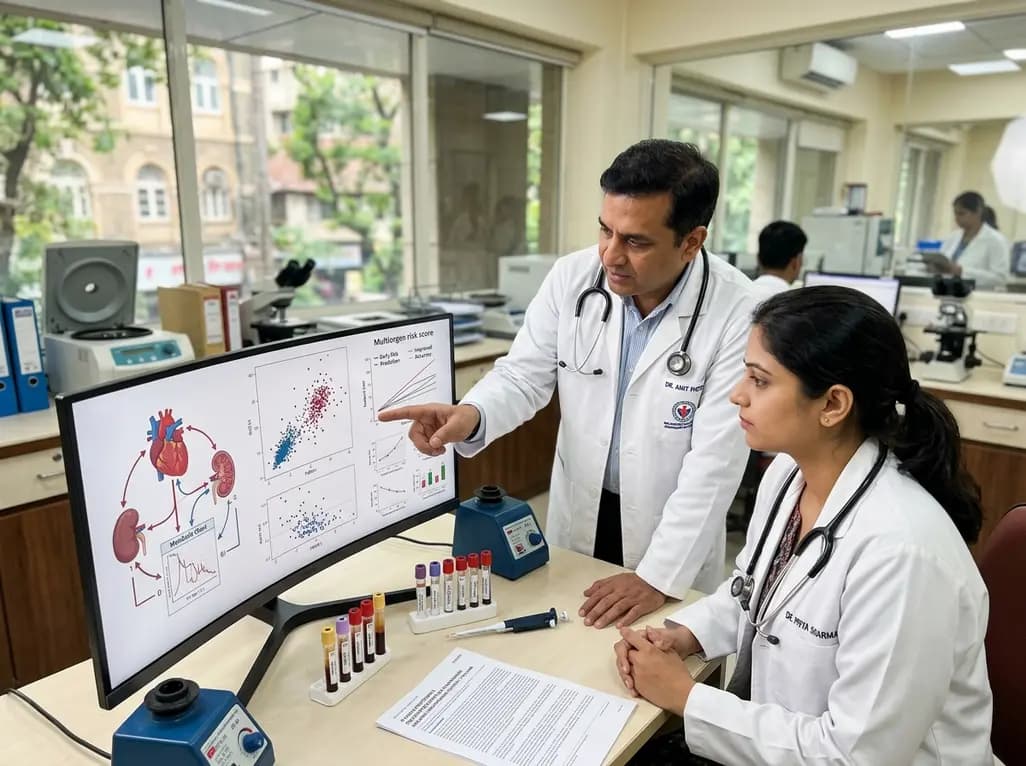
A large UK Biobank study reveals that plasma proteomic signatures capture preclinical organ damage and improve multiorgan risk prediction across early CKM syndrome stages 0 to 2 beyond traditional PREVENT clinical models.
Today
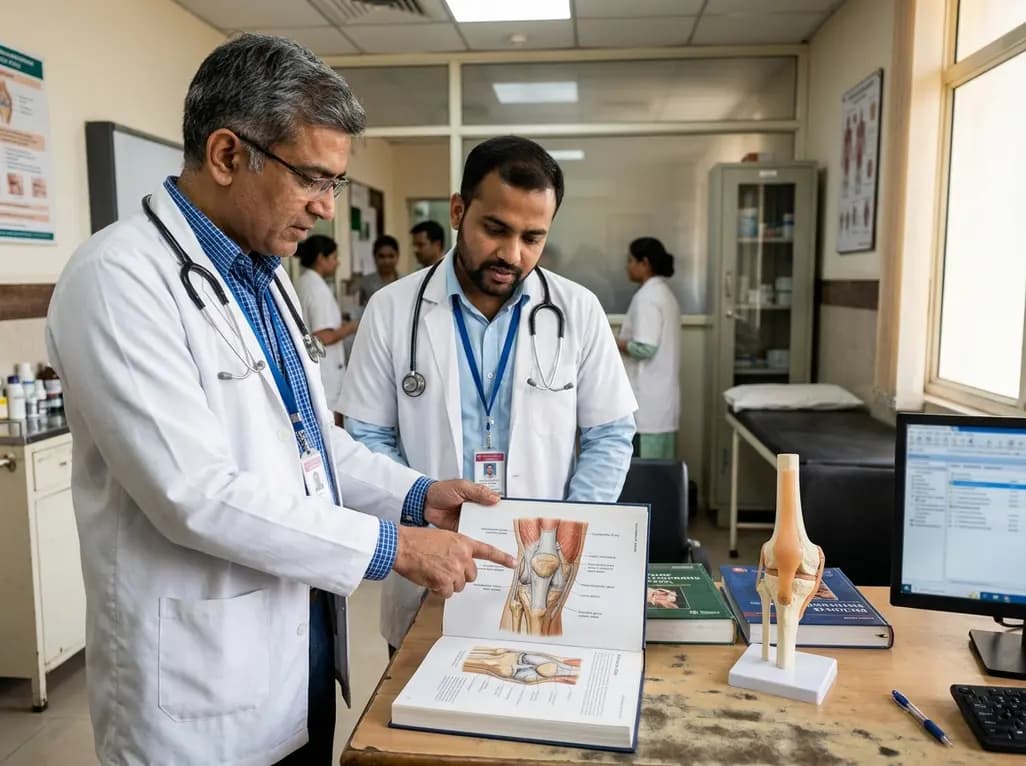
A narrative review investigates whether the articularis genus muscle functions as an independent anatomical entity or blends with the vastus intermedius. We evaluate its morphology, role in retracting the suprapatellar bursa, and direct clinical significance in anterior knee pain and arthroplasty.
Today
A Bayesian multilevel meta-analysis reveals that aerobic training combined with moderate carbohydrate restriction modestly lowers HbA1c in type 2 diabetes. However, sparse data and very low certainty leave incremental benefits over exercise or diet alone unproven, highlighting the need for individualized care.
Today
