.webp&w=384&q=75)

Loading, please wait...
Loading, please wait...
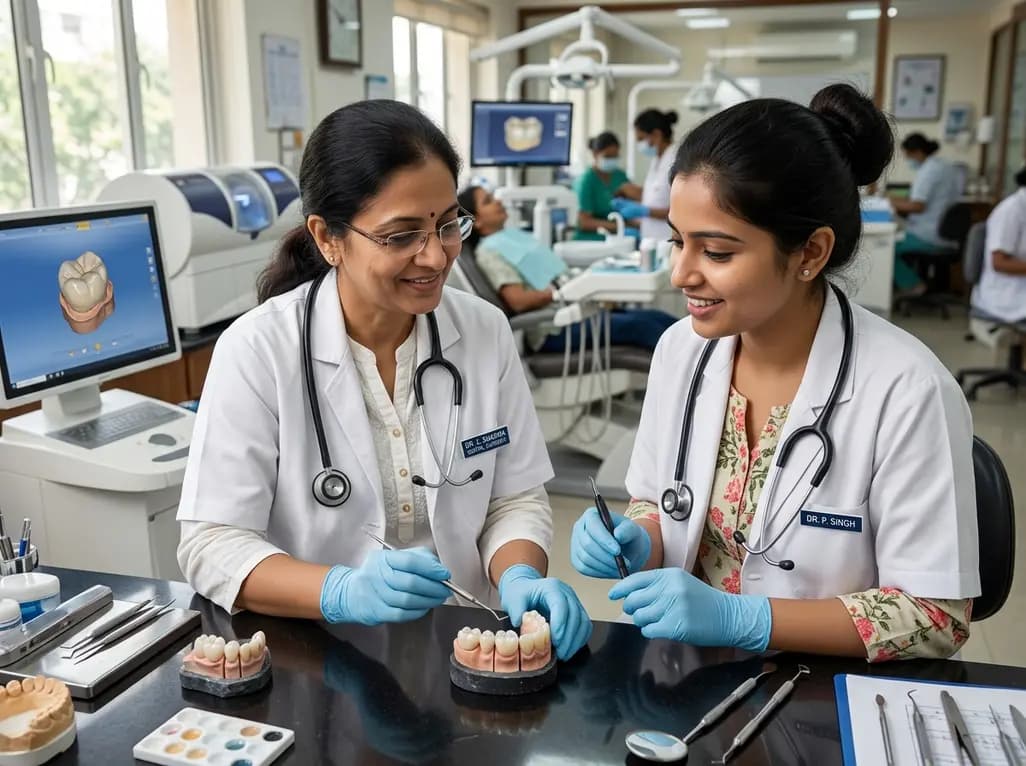
Digital dentistry continues to revolutionize modern prosthodontic workflows through reliable materials and precise digital manufacturing technologies. Today, clinicians frequently utilize CAD/CAM all-ceramic crowns to restore damaged posterior teeth with exceptional esthetics and mechanical strength. Lithium disilicate has long served as the benchmark glass-ceramic material for single-unit indirect restorations because of its proven durability and bonding reliability. However, newer formulations like lithium disilicate-reinforced lithium aluminosilicate are emerging to streamline chairside workflows. A recent randomized controlled clinical trial evaluated these two advanced ceramic systems over a 24-month follow-up period. This article reviews the clinical performance, marginal precision, and biological outcomes of these restorative alternatives.
Dental clinicians constantly seek restorative materials that balance aesthetic excellence, mechanical resilience, and efficient processing times. Lithium disilicate ceramics offer high flexural strength and natural translucency, but they traditionally require a post-milling crystallization firing cycle in a ceramic furnace. In contrast, lithium disilicate-reinforced lithium aluminosilicate materials are delivered in a fully crystallized state. Consequently, dental practitioners can mill, polish, and seat these restorations chairside without additional thermal processing cycles.
This fundamental processing difference provides clear practical benefits during busy daily practice. By eliminating laboratory crystallization cycles, clinicians save valuable chairside time while maintaining high restoration quality. Furthermore, the incorporation of lithium aluminosilicate crystals into the glass matrix provides adequate resistance against masticatory forces. Therefore, understanding whether fully crystallized glass-ceramics match the established track record of lithium disilicate remains essential for evidence-based restorative treatment planning in posterior teeth.
Restoration longevity relies heavily on accurate marginal fit and intimate internal adaptation to the prepared tooth structure. In this single-blinded clinical trial, investigators placed 59 posterior crowns across 37 patients, assigning 29 crowns to lithium disilicate and 30 to lithium aluminosilicate. The researchers measured marginal and internal gaps prior to cementation using an established in vivo silicone replica technique.
Interestingly, both materials demonstrated comparable marginal adaptation values that remained well within accepted clinical thresholds. However, a statistically significant difference emerged at the axial measurement site. Specifically, lithium disilicate crowns exhibited significantly greater axial internal gap dimensions compared to lithium aluminosilicate crowns. This finding suggests that lithium aluminosilicate blocks provide superior milling fidelity along axial preparation walls during digital fabrication. Nevertheless, both restorative systems achieved satisfactory adaptation overall, ensuring excellent baseline seating without compromising marginal seal or structural integrity.
The clinical trial tracked all restorations at baseline, 6 months, 12 months, and 24 months using the modified United States Public Health Service criteria. During the two-year observation period, six total restorations experienced clinical failure due to either ceramic fracture or debonding. Specifically, three lithium disilicate crowns and three lithium aluminosilicate crowns failed.
These outcomes yielded a 24-month survival rate of 89.7% for lithium disilicate, 90.0% for lithium aluminosilicate, and 89.8% across the entire cohort. Moreover, every surviving restoration in both groups earned Alpha or Bravo ratings for color match, anatomical form, and surface texture. Thus, the newly introduced lithium aluminosilicate demonstrated clinical durability completely on par with traditional lithium disilicate. These findings reassure practitioners that eliminating secondary furnace firing does not compromise the two-year mechanical survival of posterior single crowns.
Biological compatibility and patient contentment represent crucial benchmarks for any indirect restorative material. Throughout the 24-month trial, clinicians systematically monitored periodontal response using both the Plaque Index and the Gingival Index. Importantly, both indices remained consistently low and stable across all recall appointments for both materials.
Because polished ceramic surfaces resist biofilm accumulation effectively, the surrounding gingival tissues exhibited minimal inflammation. Additionally, the investigators evaluated patient satisfaction using standardized visual analogue scales. Patients in both groups reported consistently high levels of aesthetic and functional satisfaction with their restorations. Statistical analysis revealed no significant differences in patient satisfaction scores between lithium disilicate and lithium aluminosilicate. Consequently, clinicians can anticipate equally favorable soft-tissue harmony and patient acceptance regardless of which ceramic material they select.
These findings offer highly actionable insights for contemporary prosthodontic and general dental practices. Because lithium aluminosilicate crowns arrive fully crystallized, practitioners can complete full-coverage posterior restorations in a single visit without requiring dedicated ceramic furnaces. This efficiency significantly reduces total treatment duration and eliminates laboratory turnaround delays.
However, clinicians must still adhere to sound prosthodontic principles during tooth preparation, digital scanning, and adhesive cementation. Adequate occlusal reduction, rounded internal line angles, and proper moisture control during bonding remain critical for long-term clinical success. Furthermore, while these 24-month results are exceptionally promising, long-term randomized studies with larger sample cohorts will help confirm five-year and ten-year performance. In the interim, lithium aluminosilicate represents a validated, time-efficient alternative to conventional lithium disilicate for single posterior crowns.
Lithium aluminosilicate blocks are supplied in a fully crystallized state, eliminating the requirement for post-milling furnace firing cycles. Consequently, clinicians can mill, finish, and seat the crown within a single clinical appointment. This workflow saves valuable clinical time and laboratory expenses while providing clinical survival rates and marginal accuracy comparable to traditional lithium disilicate materials in posterior teeth.
In a 24-month randomized clinical trial, both ceramic materials demonstrated nearly identical clinical survival outcomes. Lithium disilicate restorations achieved an 89.7% survival rate, whereas lithium aluminosilicate restorations achieved a 90.0% survival rate. The six recorded failures occurred equally across both groups due to crown fracture or debonding, confirming that both materials offer similar short-term mechanical durability.
No significant differences in periodontal parameters or patient satisfaction exist between the two materials. Clinical evaluations revealed low and stable Plaque Index and Gingival Index scores over 24 months, indicating favorable soft-tissue biocompatibility. Furthermore, visual analogue scale assessments showed that patients in both treatment groups expressed equally high satisfaction regarding aesthetics, chewing comfort, and overall restorative function.
Disclaimer: This content is for informational and educational purposes only and should not be considered medical advice. Always consult a qualified healthcare professional regarding any medical condition or treatment. Refer to the latest local and national guidelines for clinical practice.
References

Read summarized clinical updates, watch expert medical content, and earn CME certifications right from your smartphone.
Open your smartphone camera to scan and install.





A 24-month randomized controlled trial evaluated CAD/CAM posterior crowns made from lithium disilicate and lithium aluminosilicate. Both materials showed comparable marginal fit, survival (~90%), periodontal stability, and high patient satisfaction, highlighting fully crystallized ceramics as efficient alternatives.
last month

A retrospective clinical analysis reveals that hemodialysis-associated cognitive dysfunction arises from synergistic pathological mechanisms, including severe chronic anemia, worsening renal clearance, abnormal regional brain iron deposition, and an imbalance between neuroinflammatory and neurotrophic factors.
Today

A multiparametric MRI approach combining quantitative T2 shading, apparent diffusion coefficient (ADC) measurements, and morphological signs provides superior diagnostic accuracy over subjective evaluation to differentiate ovarian endometriomas from benign hemorrhagic cysts.
Today
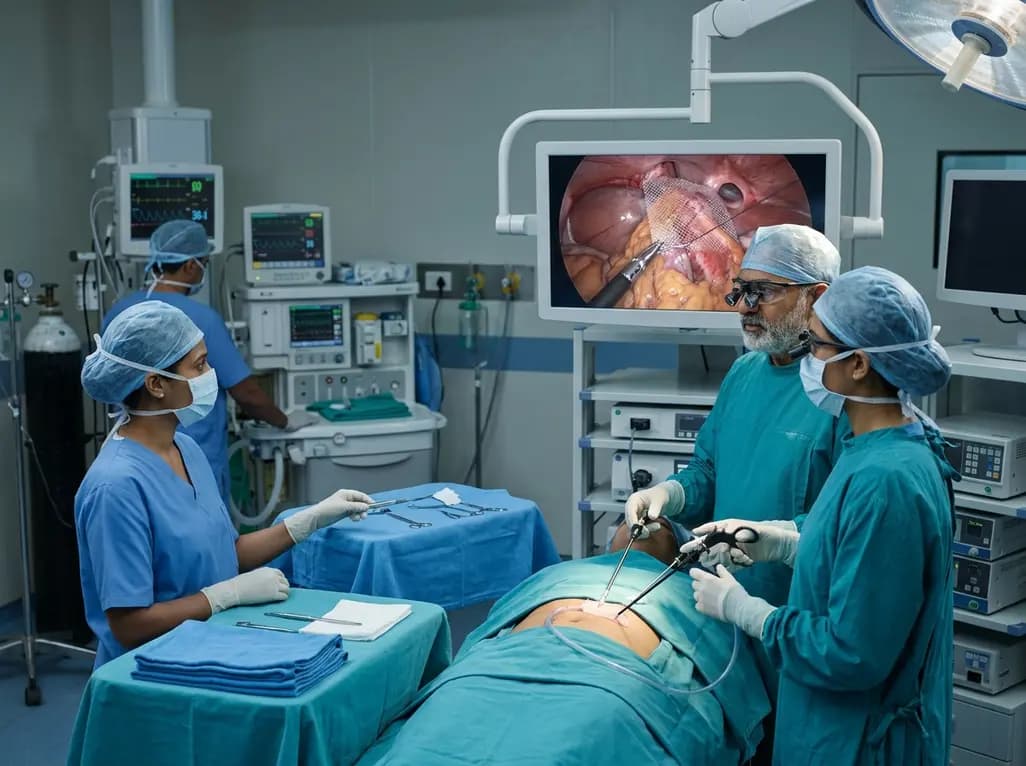
Discover a novel laparoscopic approach for iatrogenic diaphragmatic hernia repair following pedicled omentoplasty. This modified Sugarbaker technique integrates dorsal pedicle lateralization and round ligament reinforcement to secure the diaphragmatic defect while preserving vital omental vascularity.
Today
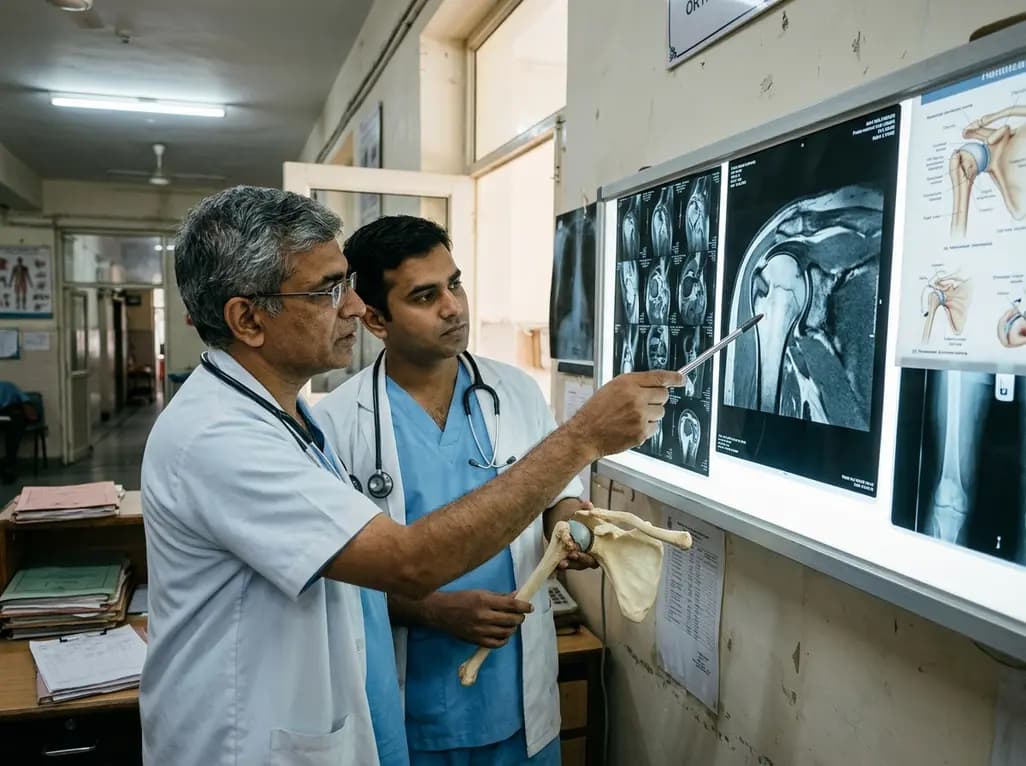
Evaluating Hill-Sachs lesion size and the distance to dislocation is critical in recurrent shoulder instability. As bone loss concepts shift from binary on-track classifications to continuous risk assessment, clinicians must identify when isolated Bankart repair is insufficient and supplementary procedures are needed.
Today
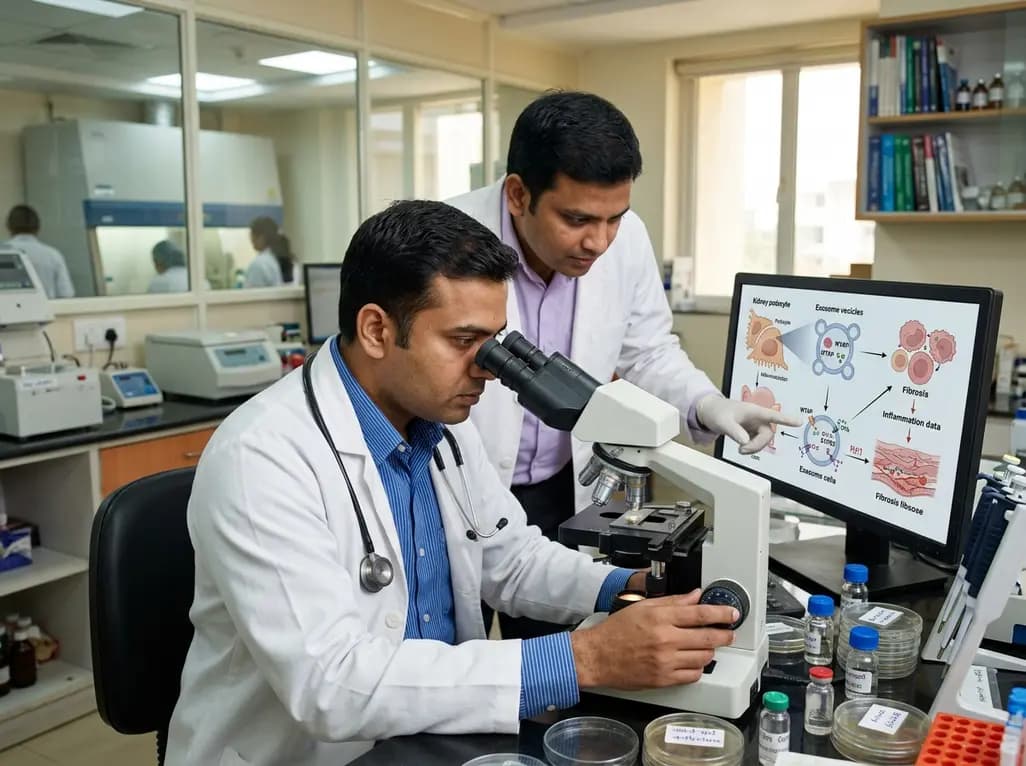
New research reveals that M1 macrophage-derived exosomes aggravate diabetic nephropathy by transferring WTAP to stabilize S1PR2 mRNA. Silencing WTAP in these vesicles attenuates endothelial injury and renal fibrosis, pointing toward innovative nanomedicine therapies.
Today
