.webp&w=384&q=75)

Loading, please wait...
Loading, please wait...

Acute necrotizing pancreatitis represents a catastrophic gastrointestinal emergency associated with substantial morbidity and mortality. The disease process frequently triggers acute respiratory distress syndrome and refractory multi-organ failure. Historically, supportive management served as the sole therapeutic strategy because targeted pharmacological agents were largely unavailable. However, innovative extracorporeal techniques now aim directly at dampening systemic hyperinflammation. Specifically, C-reactive protein apheresis has emerged as a novel therapeutic option designed to eliminate circulating inflammatory drivers. By attenuating destructive sterile immune reactions, this targeted intervention provides critical organ protection and offers clinicians a promising adjunctive pathway in severe acute pancreatitis.
Hypertriglyceridemia represents a well-recognized etiology of severe acute pancreatitis. When circulating triglyceride levels surge, pancreatic lipase hydrolyzes these neutral fats into excessive free fatty acids. Consequently, these unbound molecules overwhelm physiological albumin binding and cause microvascular thrombosis within the pancreatic microcirculation. Severe ischemia quickly ensues, triggering extensive acinar necrosis and systemic capillary leak syndrome. Furthermore, patients with hypertriglyceridemia-induced disease often experience higher rates of multi-organ dysfunction compared to other etiologies. Therefore, rapid diagnosis and early therapeutic stabilization remain essential. Clinicians must initiate aggressive supportive measures to control metabolic derangements and preserve systemic perfusion. In addition, persistent pancreatic hypoperfusion exacerbates sterile necrosis, predisposing patients to secondary bacterial infections and prolonged intensive care stays. Implementing multidisciplinary management protocols early during the disease course is vital for improving patient survival and preventing clinical deterioration. Ultimately, addressing both the underlying hyperlipidemia and the resultant acute inflammatory response determines long-term clinical recovery.
Following extensive tissue necrosis, dying acinar cells release endogenous damage-associated molecular patterns into the circulation. These signaling molecules activate innate immune receptors on macrophages, triggering a massive sterile inflammatory cascade. Consequently, the liver produces high levels of acute-phase reactants, predominantly C-reactive protein, driven by systemic interleukin-6 elevation. Although traditionally viewed as an inert biomarker, C-reactive protein actively drives microvascular injury. Specifically, pentameric C-reactive protein opsonizes vulnerable host cells and activates the classical complement pathway. As a result, this process exacerbates endothelial dysfunction, enhances vascular permeability, and promotes cellular apoptosis far beyond the primary necrotic core. Furthermore, severe sterile inflammation fuels systemic inflammatory response syndrome, directly contributing to acute lung injury and cardiovascular collapse. Thus, persistent hyper-CRP states actively exacerbate organ damage rather than merely marking disease severity. Targeted removal of circulating C-reactive protein offers an effective strategy to interrupt this destructive pathological feedback loop.
Extracorporeal blood purification provides a direct mechanism to modulate harmful systemic inflammation. Selective C-reactive protein apheresis utilizes specialized adsorber columns designed to remove circulating pentameric C-reactive protein from plasma. Because this technology relies on specific ligand binding, it efficiently reduces targeted inflammatory mediators without depleting essential coagulation factors or vital immunoglobulins. Furthermore, clinicians can readily combine this intervention with continuous renal replacement therapy circuits in intensive care settings. During acute clinical deterioration, serial apheresis sessions rapidly decrease circulating mediator concentrations, thereby halting complement-driven tissue destruction. Consequently, reducing the inflammatory load stabilizes systemic vascular resistance and improves pulmonary gas exchange. In severe necrotizing disease, this targeted clearance helps prevent progressive multi-organ failure. Therefore, selective apheresis bridges supportive management and active disease-modifying therapy. However, clinical teams must carefully assess procedural timing, vascular access, and hemodynamic stability to optimize clinical outcomes and ensure patient safety throughout the treatment course.
Managing fulminant necrotizing pancreatitis demands an integrated, multimodal intensive care strategy. Patients presenting with severe respiratory failure require lung-protective mechanical ventilation, frequently supplemented by early prone positioning to optimize ventilation-perfusion matching. In addition, severe shock necessitates targeted fluid resuscitation alongside titrated vasopressor support to maintain adequate organ perfusion. Clinicians frequently integrate continuous veno-venous hemodialysis with broad-spectrum cytokine adsorbers, such as CytoSorb, to remove circulating inflammatory mediators. Furthermore, this combined purification approach mitigates cytokine storm severity while correcting acute metabolic derangements and renal failure. Broad-spectrum antimicrobial therapy provides necessary coverage when clinicians suspect secondary infected pancreatic necrosis. Ultimately, successful patient outcomes depend on harmonizing advanced organ support with targeted anti-inflammatory interventions. Continuous physiological monitoring guides real-time therapeutic adjustments, allowing multidisciplinary teams to navigate complex hemodynamic instability and stabilize critically ill individuals during prolonged intensive care unit admissions.
The successful clinical implementation of selective apheresis represents an important milestone in managing severe acute pancreatitis. Historically, clinicians possessed few options to directly interrupt sterile inflammatory cascades in critically ill patients. However, recent evidence indicates that targeted removal of specific inflammatory drivers can attenuate multi-organ dysfunction and improve survival. Consequently, researchers are exploring the role of selective apheresis across other acute inflammatory conditions, including septic shock and ischemic injury. Moreover, well-designed randomized clinical trials are needed to define standard protocols, optimal initiation windows, and precise patient selection criteria. Establishing standardized clinical guidelines will ensure safe and consistent application in intensive care units worldwide. In addition, health economic studies will help assess the cost-effectiveness of incorporating advanced adsorbers into routine critical care. As extracorporeal biotechnology continues to evolve, selective molecular clearance may become a foundational pillar in personalized critical care medicine.
The primary rationale involves selectively eliminating pentameric C-reactive protein to prevent secondary tissue destruction. Elevated circulating levels opsonize stressed host cells and activate the classical complement pathway, driving widespread microvascular thrombosis and endothelial injury. Therefore, rapid extracorporeal removal of this mediator dampens systemic hyperinflammation, protects vulnerable organs from complement-mediated apoptosis, and promotes hemodynamic stability during acute necrotizing pancreatitis.
Excessive circulating triglycerides undergo rapid breakdown by pancreatic lipase, producing abundant toxic free fatty acids. Consequently, these unbound fatty acids exceed serum albumin-binding capacity, inducing localized endothelial toxicity and microvascular thrombosis within pancreatic tissue. This microcirculatory impairment causes extensive acinar ischemia, releasing destructive intracellular digestive enzymes that initiate severe necrosis and trigger widespread systemic inflammatory response syndrome.
No, extracorporeal cytokine adsorption functions strictly as an adjunctive therapy rather than a replacement for standard intensive care. Clinicians must maintain comprehensive supportive protocols, including lung-protective invasive mechanical ventilation, fluid resuscitation, titrated vasopressors, and continuous renal replacement therapy. Therefore, combining advanced blood purification with standardized critical care measures provides optimal conditions to reverse multi-organ failure and improve patient survival.
Disclaimer: This content is for informational and educational purposes only and does not constitute medical advice, diagnosis, or treatment. Healthcare professionals should rely on their clinical judgment and reference authoritative medical sources and current guidelines when managing patients.
References

Read summarized clinical updates, watch expert medical content, and earn CME certifications right from your smartphone.
Open your smartphone camera to scan and install.





A 29-year-old male with severe acute necrotizing pancreatitis caused by hypertriglyceridemia and complicated by ARDS was successfully treated using off-label C-reactive protein apheresis alongside multimodal intensive care and CytoSorb hemoadsorption.
4 weeks back

A systematic review of 41 preclinical studies reveals that baicalin dampens systemic inflammation, inhibits NF-κB and NLRP3 pathways, and improves organ preservation in sepsis models. However, substantial study heterogeneity and a complete lack of human clinical trials highlight the need for further translational research.
Today
Discover the crucial distinctions between mesonephric and mesonephric-like proliferations of the female genital tract. Learn the key histomorphologic, immunohistochemical, and molecular differences essential for accurate diagnosis and clinical management.
Today
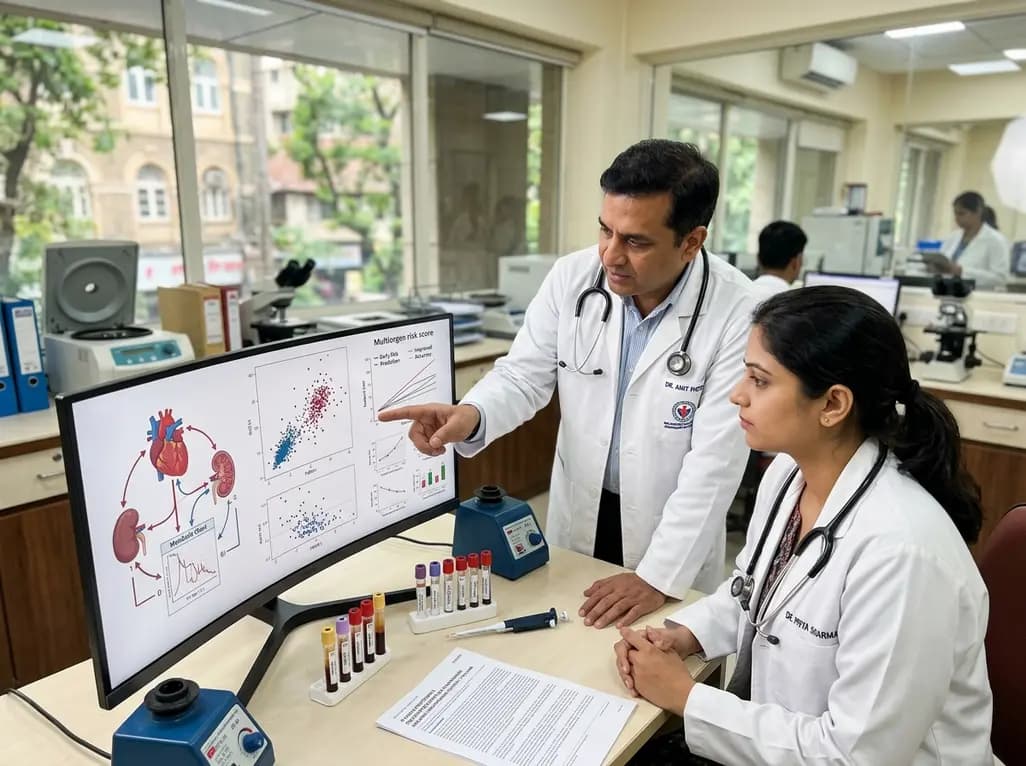
A large UK Biobank study reveals that plasma proteomic signatures capture preclinical organ damage and improve multiorgan risk prediction across early CKM syndrome stages 0 to 2 beyond traditional PREVENT clinical models.
Today
A narrative review investigates whether the articularis genus muscle functions as an independent anatomical entity or blends with the vastus intermedius. We evaluate its morphology, role in retracting the suprapatellar bursa, and direct clinical significance in anterior knee pain and arthroplasty.
Today

A Bayesian multilevel meta-analysis reveals that aerobic training combined with moderate carbohydrate restriction modestly lowers HbA1c in type 2 diabetes. However, sparse data and very low certainty leave incremental benefits over exercise or diet alone unproven, highlighting the need for individualized care.
Today
