.webp&w=384&q=75)

Loading, please wait...
Loading, please wait...

Chronic intraoral burning without overt mucosal pathology poses a persistent clinical challenge for physicians and dental practitioners worldwide. Patients presenting with burning mouth syndrome often experience debilitating dysesthesia, unremitting oral pain, and significant emotional distress. Clinicians routinely order extensive diagnostic panels to search for underlying systemic triggers. However, clear hematological markers frequently remain elusive in daily outpatient practice. A comprehensive multicenter investigation recently examined the clinical presentations and laboratory findings of diverse international cohorts. The study offers vital diagnostic insights for healthcare providers managing this multifaceted condition across primary and tertiary care settings.
The international retrospective investigation evaluated 348 patients across four distinct nations, including Brazil, Italy, Japan, and the United States. The overall cohort comprised 181 Asians, 130 Whites, 22 Hispanics, and 15 Black patients. Consequently, this broad demographic distribution provided an exceptional opportunity to examine cross-cultural and geographic variations. Researchers observed statistically significant differences across populations regarding patient age, occupational status, and documented social history. For example, Asian participants demonstrated distinct demographic patterns compared to White cohorts, reflecting diverse environmental and sociocultural backgrounds. In addition, the baseline clinical features varied moderately among clinical centers, underscoring how referral pathways influence patient presentation. Despite these demographic differences, female predominance remained consistent across all geographic regions, aligning with previous epidemiological observations. Middle-aged and postmenopausal women consistently represented the largest demographic subgroup seeking medical intervention. Furthermore, the duration of unremitting oral symptoms prior to specialist consultation remained prolonged across every international site. Therefore, delayed diagnosis continues to burden patients regardless of national health infrastructure. These international findings demonstrate that while patient backgrounds differ substantially, the fundamental clinical burden of chronic oral burning remains universally profound across global healthcare systems.
Clinicians traditionally order an exhaustive battery of blood tests when evaluating idiopathic intraoral burning sensations. Standard workups frequently include complete blood counts, serum ferritin, vitamin B12, folate, fasting blood glucose, and thyroid profiles. However, the multicenter findings revealed that most hematological parameters showed no statistically significant association with symptom severity. For instance, serum micronutrient levels and metabolic indicators failed to distinguish patients with mild discomfort from those suffering from severe agony. Although clinicians must systematically rule out secondary burning sensations caused by candidiasis, diabetes mellitus, or overt nutritional deficiencies, normal lab panels should not dismiss genuine pathology. Consequently, extensive repeated hematological testing often yields minimal diagnostic value once providers exclude common systemic deficiencies. Furthermore, overreliance on normal laboratory results can inadvertently prompt clinicians to minimize a patient's distressing somatic experience. Instead, healthcare teams should recognize that primary disease biology operates independently of routine peripheral blood markers. While initial baseline testing remains clinically appropriate to exclude secondary etiologies, serial laboratory investigations rarely correlate with pain intensity. Therefore, clinicians must pivot their diagnostic attention toward comprehensive clinical assessments, standardized sensory phenotyping, and detailed neurological histories.
Multivariate logistic regression analysis identified a striking and pivotal clinical finding regarding symptom intensity. Specifically, psychotropic medication use represented the single factor significantly associated with severe symptoms across diverse patient groups. In both White and Asian cohorts, individuals taking psychotropic therapies reported substantially higher pain scores and more debilitating burning sensations. However, clinicians must interpret this compelling correlation with careful diagnostic nuance. On one hand, severe, refractory oral burning frequently induces profound psychological distress, reactive depression, and intractable anxiety. Consequently, primary care physicians and psychiatrists frequently prescribe antidepressants, anxiolytics, or antipsychotics to manage secondary psychological decompensation. On the other hand, certain psychotropic medications exert known anticholinergic effects that induce severe xerostomia, which can directly exacerbate mucosal sensitivity and intensify burning dysesthesia. Furthermore, neuroleptic agents and specific antidepressants can alter central dopaminergic pathways, potentially aggravating underlying trigeminal sensory dysregulation. Therefore, the use of psychotropic drugs may serve as both a clinical marker of severe underlying distress and a potential pharmacological modifier of oral burning symptoms. Clinicians must meticulously review each patient's pharmaceutical regimen to distinguish between therapeutic agents and potential aggravating medications.
The absence of peripheral hematological correlations strongly supports an underlying neuropathic and central neurobiological etiology. Research consistently indicates that primary burning mouth syndrome involves small-fiber sensory neuropathy affecting peripheral trigeminal nerve endings. In addition, functional neuroimaging demonstrates altered central nociceptive processing and diminished descending pain inhibition within the thalamus and basal ganglia. Dopaminergic hypofunction in the central nervous system appears to play a central mechanistic role in modulating both mood and intraoral pain sensation. Consequently, patients experience heightened central sensitization, wherein normal mucosal contact triggers severe, spontaneous burning sensations. Because systemic inflammatory and nutritional markers remain normal in most patients, peripheral blood fails to capture this complex neurovascular pathology. Furthermore, chronic central sensitization explains why peripheral topical interventions often provide only partial, short-lived relief for severely affected individuals. The strong link between severe pain and psychotropic medication use further reinforces the shared neurochemical pathways linking affect, sensory processing, and mood regulation. Thus, physicians should conceptualize this condition not as a localized oral problem, but rather as an intricate chronic neuropathic pain disorder with profound central neurochemical involvement.
Managing patients with chronic oral burning requires a coordinated, compassionate, and multimodal therapeutic strategy. Because standard laboratory evaluations rarely predict clinical outcomes, practitioners must avoid repetitive, unhelpful testing that increases healthcare costs and patient anxiety. First, clinicians should conduct a comprehensive baseline examination to rule out local dental issues, fungal infections, and specific micronutrient deficiencies. Once providers establish a diagnosis of primary disease, treatment must focus on addressing neuropathic pain mechanisms and psychological comorbidities concurrently. For instance, low-dose clonazepam, systemic gabapentinoids, and selective tricyclic antidepressants or serotonin-norepinephrine reuptake inhibitors demonstrate documented efficacy in reducing pain transmission. In addition, cognitive behavioral therapy provides substantial benefit by helping patients develop constructive coping mechanisms and reducing pain-related catastrophic thinking. Healthcare providers should foster active collaboration between dentists, neurologists, psychiatrists, and pain specialists to design individualized care plans. Moreover, clinicians must carefully review concurrent medications to eliminate xerostomia-inducing drugs whenever feasible. Therefore, educating patients about the neuropathic nature of their condition validates their suffering, strengthens the therapeutic alliance, and ultimately optimizes long-term clinical outcomes across outpatient practices.
Routine laboratory tests serve primarily to rule out secondary causes of oral burning, such as vitamin B12 deficiency, anemia, or diabetes mellitus. However, current multicenter evidence confirms that hematological markers do not correlate with symptom severity. Once providers exclude these reversible systemic conditions, repeated blood tests offer negligible clinical value. Therefore, clinicians should avoid unnecessary serial laboratory investigations and focus instead on neurosensory and clinical evaluation.
Psychotropic medication use strongly correlates with severe symptoms because patients with intractable oral pain experience higher rates of reactive depression and anxiety. Consequently, physicians more frequently prescribe psychotropic drugs for these individuals. Additionally, many psychiatric medications induce anticholinergic side effects like dry mouth, which directly aggravates mucosal burning. Furthermore, psychotropic agents alter central neurotransmitter balances, potentially interacting with the underlying neurobiology of pain modulation.
Clinicians should tailor treatment by targeting neuropathic pain pathways rather than relying on standard analgesics, which rarely provide benefit. Evidence supports cautious initiation of low-dose topical or systemic clonazepam, gabapentinoids, or tricyclic antidepressants such as amitriptyline. In addition, physicians must optimize the patient's existing medication regimen to reduce xerostomia. Combining neuroactive medications with cognitive behavioral therapy and patient education produces the most consistent clinical improvements.
Disclaimer: This content is for informational and educational purposes only and does not constitute medical advice, diagnosis, or treatment. Healthcare professionals should exercise their independent clinical judgment when evaluating and treating patients. The findings discussed reflect current research and should be interpreted within the context of each individual patient's clinical presentation. Refer to the latest local and national guidelines for clinical practice.
References

Read summarized clinical updates, watch expert medical content, and earn CME certifications right from your smartphone.
Open your smartphone camera to scan and install.





A landmark multicenter study of 348 patients across four continents clarifies that hematological markers rarely correlate with burning mouth syndrome severity. Instead, psychotropic medication use strongly associates with severe symptoms, emphasizing the neurobiological and psychiatric complexity of this disorder.
Today

At the New Delhi Summit, BRICS leaders adopted a landmark declaration committing member nations to united action against tuberculosis, non-communicable diseases, and future pandemic threats. Key actions include NIMHANS-led mental health networks, digital health architectures, and evidence-based integrative medicine.
Today

Perimenopausal obstructive sleep apnea often goes undetected due to atypical polysomnographic presentations and symptom overlap with menopause. This review details its neurocognitive mechanisms, polysomnography markers, and precision management strategies.
Today

Mitochondrial deubiquitinases regulate organelle turnover by editing ubiquitin tags on damaged mitochondria. Discover how targeting these enzymes, notably USP30, offers therapeutic strategies for neurodegenerative, cardiovascular, and metabolic disorders.
Today
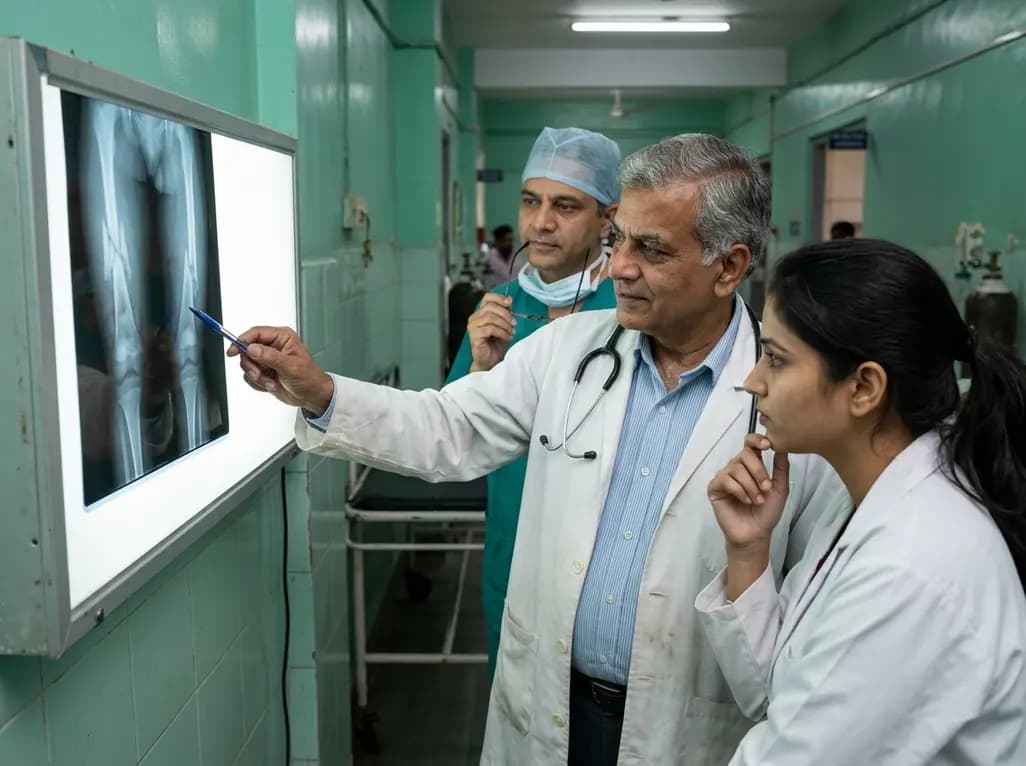
A rare case of a pediatric pathological femoral fracture caused by occult telangiectatic osteosarcoma demonstrates the risks of misdiagnosis after trauma, where intramedullary nailing prompted iatrogenic tumor dissemination and required modular total endoprosthetic reconstruction.
Today
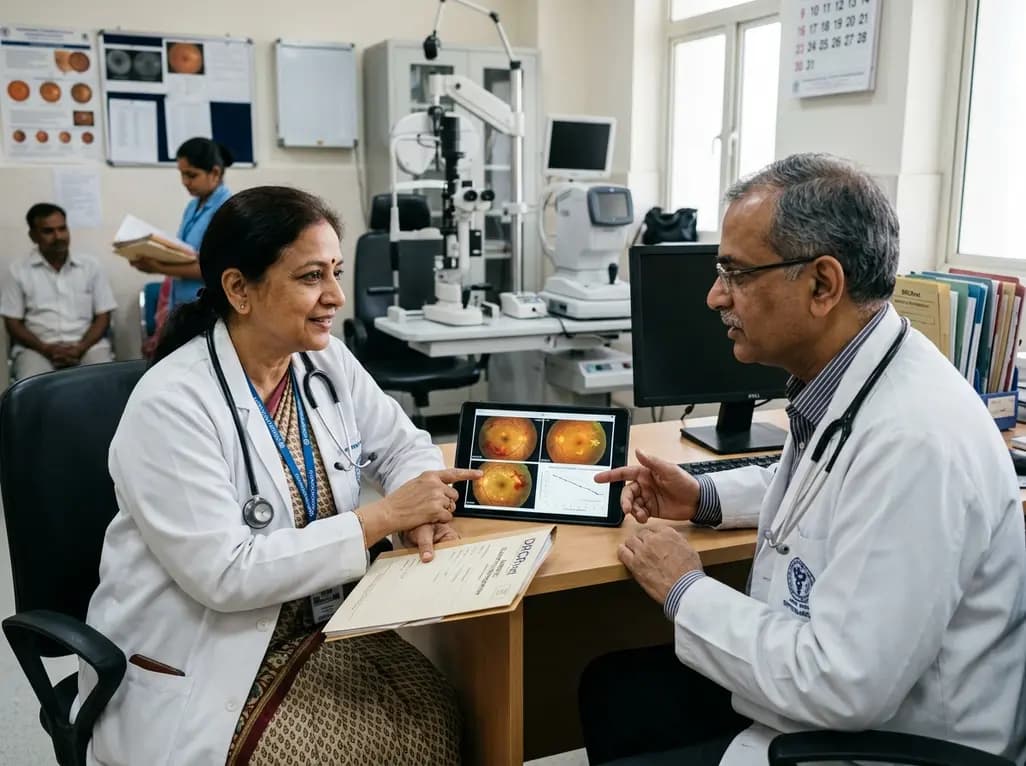
A comprehensive analysis of DRCRnet studies reveals that 15.1% of participants discontinue diabetic retinopathy clinical trials. Identifying baseline demographic and clinical predictors helps ophthalmologists and endocrinologists mitigate real-world treatment dropouts and protect long-term visual outcomes.
Today
