.webp&w=384&q=75)

Loading, please wait...
Loading, please wait...
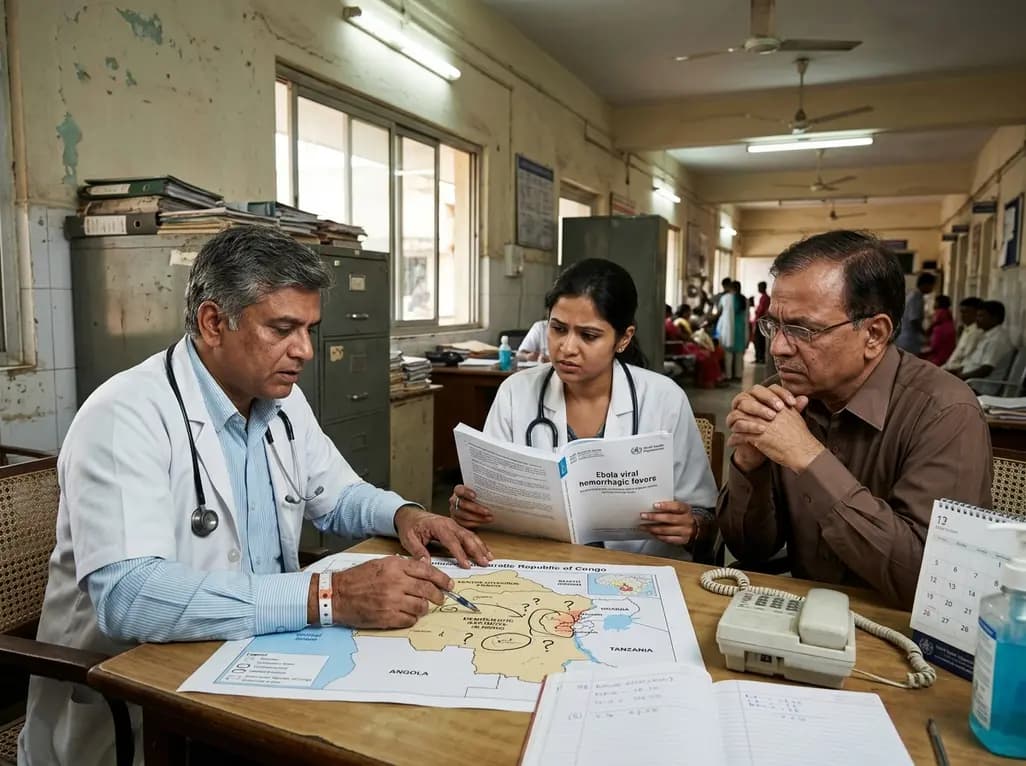
The escalating Bundibugyo Ebola outbreak in the Democratic Republic of Congo represents an urgent global health challenge. Recently, World Health Organization Director-General Tedros Adhanom Ghebreyesus warned that responders must scale up containment efforts immediately. The regional epidemic has claimed over 3,000 lives. Consequently, international clinicians and surveillance agencies are monitoring developments to prevent wider cross-border transmission.
The ongoing surge in cases marks the deadliest epidemic in Congolese history. Notably, the Bundibugyo species of the ebolavirus drives this surge, surpassing the historic 2018 to 2020 epidemic. Epidemiologists observe that this outbreak ranks second globally only to the devastating West African crisis of 2014. During that earlier catastrophe, infections exceeded 28,600 cases and killed more than 11,000 people. However, the current emergency presents unique biological challenges because past countermeasures specifically targeted the Zaire species. Therefore, medical teams cannot deploy stockpiled vaccines without validating their clinical efficacy against this distinct viral strain. In addition, frontline clinics in northeastern provinces face severe operational strains as daily caseloads continue to rise. Families frequently bring severely ill patients to community health centers that lack basic isolation infrastructure. As a result, secondary infections among attending family members and care providers occur frequently. Furthermore, regional instability in affected zones complicates active contact tracing and timely laboratory diagnosis. Public health officials emphasize that controlling this epidemic requires unprecedented international solidarity. Until transmission halts entirely, neighboring regions face an ongoing and serious health threat.
Tedros Adhanom Ghebreyesus recently highlighted a troubling trend regarding disease mortality. Specifically, many deceased individuals did not appear on official contact surveillance lists prior to death. This demonstrates that unmonitored chains of transmission are silently spreading through rural communities. Consequently, health authorities struggle to isolate infected contacts before they expose additional individuals. Moreover, traditional cultural burial customs continue to accelerate community viral transmission across the region. During traditional funeral rituals, mourning family members wash and touch the deceased without protective gear. Because deceased bodies carry extraordinarily high viral loads, these intimate practices cause rapid disease dissemination. Responders must therefore handle every burial safely with dignified and protective containment protocols. In addition, community distrust and misinformation often lead families to conceal sick relatives from surveillance officers. When patients stay at home, household transmission escalates dramatically within enclosed domestic environments. Public health teams must consequently partner with local leaders to build community trust and improve reporting compliance. Transparent community dialogue remains essential to ensure that families voluntarily report cases when symptoms first emerge. Furthermore, active surveillance teams require reliable transport to reach remote villages.
Mounting an effective epidemic response requires substantial financial resources and sophisticated operational logistics. The Congolese government has introduced an ambitious national response plan that requires 1.3 billion dollars in total financing. However, global humanitarian funding has contracted sharply due to competing international crises. Despite these stringent funding constraints, the World Health Organization has delivered 320 tons of emergency supplies. Additionally, international partners have successfully expanded diagnostic testing capacity to 3,000 samples per day. Nevertheless, treatment centers urgently require substantial financial support to expand their patient bed capacity. Luca Fontana, a logistics expert with the agency, revealed that operating a 1,500-bed facility costs 15 million dollars monthly. Without reliable funding, treatment units cannot maintain sufficient isolation wards, personal protective gear, or intensive care monitors. Consequently, overwhelmed hospitals risk turning away symptomatic patients, which directly fuels community transmission. Medical personnel also require guaranteed salaries and life insurance to maintain morale in high-risk zones. Therefore, international donors must fulfill their pledges promptly to avert a broader regional humanitarian disaster. Sustainable investment in frontline logistics remains the cornerstone of effective viral containment during severe epidemic surges.
Amidst the severe health crisis, researchers are accelerating clinical trials for novel therapeutic interventions. Currently, clinical teams have enrolled more than 300 Ebola patients in randomized trials evaluating two candidate therapeutics. Investigators assess whether the monoclonal antibody cocktail MBP134 and intravenous remdesivir improve clinical survival rates. Additionally, researchers are conducting dedicated clinical trials with obeldesivir, an oral antiviral agent developed for post-exposure prophylaxis. Health workers administer this oral therapy to high-risk contacts to evaluate whether it prevents disease manifestation following virus exposure. Meanwhile, laboratory researchers in Britain and Canada are evaluating two novel candidate vaccines in rigorous early safety trials. Because existing regulatory approvals apply specifically to the Zaire strain, researchers must establish clear efficacy against Bundibugyo virus. The World Health Organization plans to initiate formal efficacy trials for three candidate vaccines during October or November. If these trials prove successful, clinicians will finally acquire potent pharmacological countermeasures to protect vulnerable populations and frontline providers. Consequently, these clinical studies represent a vital turning point in international filovirus management and pandemic preparedness. Rapid regulatory cooperation ensures that clinical data translates swiftly into approved bedside therapies.
For clinicians worldwide, the expanding outbreak underscores the paramount importance of vigilant syndromic surveillance and strict infection control. Physicians evaluating returning travelers with acute febrile illnesses must obtain detailed international travel and exposure histories. Early filovirus symptoms often resemble endemic infections, including malaria, typhoid fever, and acute viral hepatitis. However, prompt recognition of gastrointestinal symptoms, profound weakness, and sudden hemorrhagic manifestations remains vital to prevent institutional outbreaks. Furthermore, hospital administrators must establish rigorous triage protocols and maintain personal protective equipment stockpiles in emergency departments. Healthcare facilities should immediately isolate suspected patients in negative-pressure rooms while awaiting molecular diagnostic confirmation. In addition, critical care teams must prepare to deliver aggressive supportive management, including targeted fluid resuscitation and electrolyte correction. Recent clinical trials demonstrate that early and meticulous organ support significantly reduces overall mortality in filovirus infections. Moreover, cross-border health authorities are tightening screening protocols at major international airports and transit hubs. Coordinated communication between local health departments and national surveillance agencies ensures rapid contact tracking if suspected cases cross borders. Ultimately, strict adherence to universal precautions shields healthcare workers while preserving institutional containment integrity during emerging viral threats. Consequently, hospital preparedness remains essential worldwide.
Q1: Why do approved Zaire Ebola treatments fail to protect against the current Bundibugyo outbreak?
The Bundibugyo virus represents a distinct genetic species within the orthoebolavirus genus. Existing licensed vaccines and monoclonal antibodies specifically target the glycoprotein surface structures of the Zaire ebolavirus. Consequently, these existing biologics do not confer reliable cross-species neutralizing immunity against the Bundibugyo pathogen. Therefore, researchers must conduct rigorous clinical efficacy trials in the Democratic Republic of Congo to validate novel antiviral therapies and species-specific vaccines.
Q2: What investigational drugs are currently undergoing evaluation in the clinical response trials?
Clinical researchers are evaluating novel pharmacological interventions during the active outbreak. Over 300 patients have enrolled in clinical trials testing the monoclonal antibody cocktail MBP134 alongside intravenous remdesivir. Additionally, physicians are testing obeldesivir, an investigational oral nucleoside analogue, as post-exposure prophylaxis for high-risk contacts. These targeted therapies aim to halt viral replication, mitigate severe multi-organ complications, and prevent disease development in exposed individuals.
Q3: Why are unidentified chains of transmission causing severe challenges for outbreak containment?
Unidentified transmission chains occur when individuals contract the virus without appearing on designated contact-tracing rosters. Consequently, infected patients remain within local communities without proper isolation or medical care. Furthermore, unsafe funeral practices continue to spread infectious fluids among mourning relatives before health teams intervene. This hidden circulation sustains continuous viral propagation across health zones, ultimately overwhelming isolation centers and prolonging the epidemic curve.
Disclaimer: This content is for informational and educational purposes only. It does not constitute medical advice or replace professional judgment. Refer to the latest local and national guidelines for clinical practice.
References

Read summarized clinical updates, watch expert medical content, and earn CME certifications right from your smartphone.
Open your smartphone camera to scan and install.





With over 3,000 reported fatalities, the Democratic Republic of Congo faces an unprecedented public health emergency driven by the Bundibugyo virus. The World Health Organization warns that unmapped transmission chains and inadequate treatment beds threaten regional security, necessitating urgent international aid.
4 weeks back

A systematic review of 41 preclinical studies reveals that baicalin dampens systemic inflammation, inhibits NF-κB and NLRP3 pathways, and improves organ preservation in sepsis models. However, substantial study heterogeneity and a complete lack of human clinical trials highlight the need for further translational research.
Today
Discover the crucial distinctions between mesonephric and mesonephric-like proliferations of the female genital tract. Learn the key histomorphologic, immunohistochemical, and molecular differences essential for accurate diagnosis and clinical management.
Today
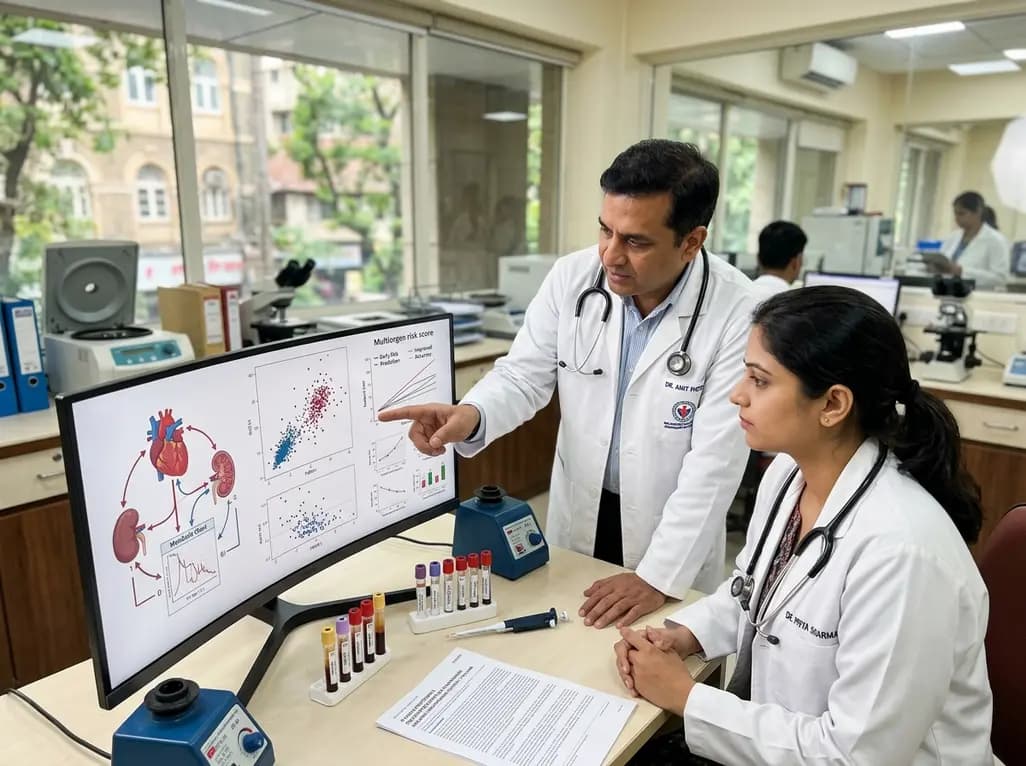
A large UK Biobank study reveals that plasma proteomic signatures capture preclinical organ damage and improve multiorgan risk prediction across early CKM syndrome stages 0 to 2 beyond traditional PREVENT clinical models.
Today
A narrative review investigates whether the articularis genus muscle functions as an independent anatomical entity or blends with the vastus intermedius. We evaluate its morphology, role in retracting the suprapatellar bursa, and direct clinical significance in anterior knee pain and arthroplasty.
Today

A Bayesian multilevel meta-analysis reveals that aerobic training combined with moderate carbohydrate restriction modestly lowers HbA1c in type 2 diabetes. However, sparse data and very low certainty leave incremental benefits over exercise or diet alone unproven, highlighting the need for individualized care.
Today
