Understanding the Current Crisis
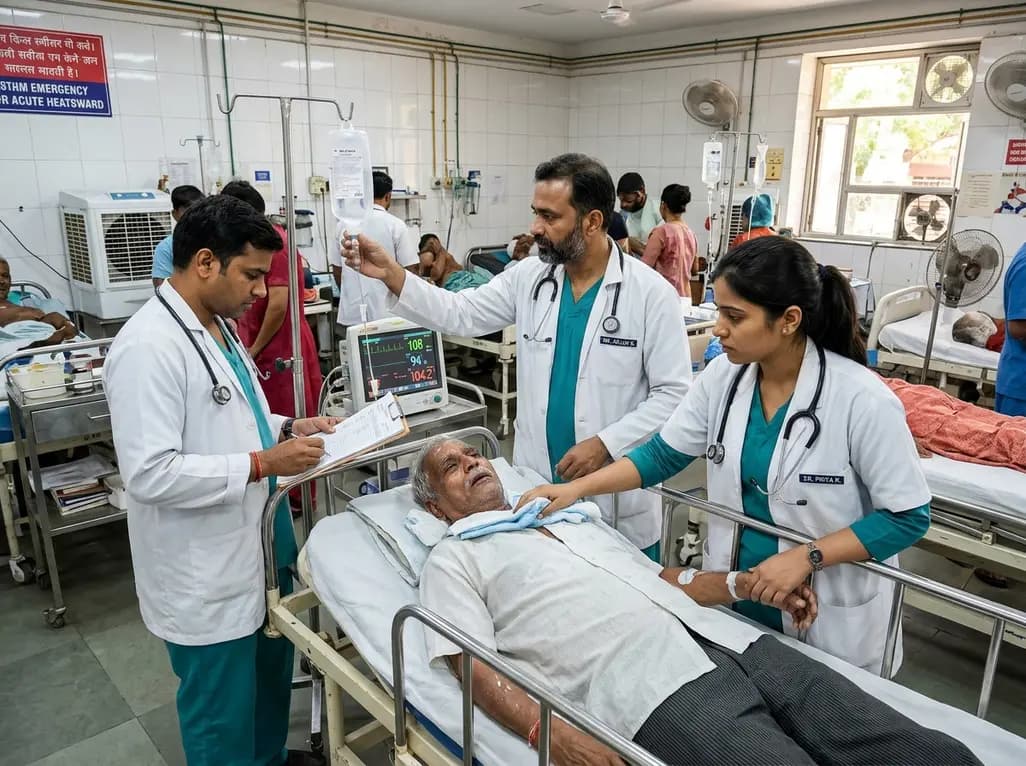
The World Health Organization recently issued a grave warning regarding the ongoing Bundibugyo Ebola outbreak in Central Africa. Specifically, Dr. Tedros Adhanom Ghebreyesus announced that this lethal pathogen continues to outpace international containment efforts. Although regional response teams have made significant local progress, the high transmission rate presents unprecedented challenges to local healthcare systems. Consequently, international agencies are scrambling to deploy resources and establish more containment units in affected regions. Historically, this rare strain of the virus has caused localized epidemics, but the current situation is expanding rapidly across borders. Furthermore, health experts warn that delayed detection in remote areas has allowed the virus to circulate silently for several weeks. Because of this head start, epidemiological tracking teams face immense hurdles in identifying primary transmission chains. Therefore, global surveillance must increase to prevent further international spread, even though the current risk to distant nations remains low. Clinicians around the world, including those in India, must monitor these developments to understand the dynamics of emerging viral threats. Medical communities must also maintain a high index of suspicion for returning travelers.
Tracking the Bundibugyo Ebola Outbreak Scale
To appreciate the scale of this crisis, one must analyze the rapidly growing epidemiological data from the epicenter. In the Democratic Republic of Congo, health authorities have confirmed over one thousand cases and hundreds of deaths. Meanwhile, neighboring Uganda has reported dozens of cases, which epidemiologically connect to transmission across the porous shared border. This specific surge represents the fastest rising caseload in the first month of any recorded Ebola epidemic in history. Additionally, a travel-associated case in France has heightened international anxiety, showing that modern aviation can transport pathogens globally in hours. Despite these alarming statistics, the overall global threat remains low according to the World Health Organization. However, the high mobility of populations near mining areas in the eastern provinces fuels the regional spread. Local health systems are currently operating under extreme pressure because of the influx of critically ill patients. Thus, international partners are calling for immediate funding to stabilize the collapsing infrastructure in these conflict-ridden territories. Frontline healthcare workers bear the brunt of this crisis, with dozens of staff members already contracting the disease during their duties.
Clinical Obstacles in Containing Transmission
Controlling the epidemic requires rigorous public health interventions, yet several systemic obstacles continue to hinder containment efforts. Specifically, contact tracing remains severely inadequate in remote villages due to regional instability and dense forest geography. Furthermore, local treatment centers suffer from an acute shortage of beds and essential medical supplies. Safe and dignified burials also pose a major cultural and logistical challenge, as traditional practices often facilitate post-mortem viral transmission. Consequently, community resistance and mistrust of government interventions occasionally lead to security incidents that disrupt medical operations. To address these hurdles, humanitarian organizations are training local leaders in risk communication and safe burial protocols. However, building trust in active conflict zones takes significant time that health authorities do not have. Additionally, border closures and travel restrictions slow down the delivery of critical aid and emergency personnel. Without robust community engagement, even the most advanced epidemiological strategies will fail to stop the transmission chain. Therefore, the immediate focus must shift toward empowering local communities to lead the front lines of the containment response.
The Therapeutic Gap and Emerging Trials
A major scientific challenge of the current outbreak is the complete absence of approved vaccines or targeted therapies. Specifically, manufacturers designed existing treatments and Zaire-strain vaccines to target a different virus, meaning they offer no protection against the Bundibugyo species. Therefore, medical teams must rely entirely on supportive care, such as hydration and symptom management, to improve survival rates. Fortunately, a breakthrough clinical trial will begin next week in the Democratic Republic of Congo. This critical trial will evaluate the efficacy of two antiviral treatments, namely the monoclonal antibody cocktail MBP134 and remdesivir. Researchers hope that these drugs, administered alone or in combination, will significantly reduce mortality rates among infected individuals. However, enrolling patients in a clinical trial amid an active humanitarian crisis presents immense logistical and ethical hurdles. Scientists must ensure that affected populations fully understand the trial protocols and consent to the experimental therapies. If successful, these medical interventions could revolutionize the management of future epidemics caused by this neglected viral strain. Meanwhile, international manufacturers are accelerating the production of these experimental doses to meet the anticipated global demand.
Global Preparedness and Clinical Vigilance
While the immediate crisis affects Central Africa, global health security demands constant vigilance from medical professionals everywhere. Specifically, clinicians in non-endemic countries like India must familiarize themselves with the early clinical presentation of viral hemorrhagic fevers. Patients typically present with non-specific symptoms such as sudden fever, intense weakness, muscle pain, and severe headache. Subsequently, these initial symptoms can rapidly progress to vomiting, diarrhea, impaired kidney function, and in some cases, internal and external bleeding. Therefore, obtaining a detailed travel history is paramount when evaluating patients who present with unexplained febrile illnesses. Additionally, strict adherence to infection prevention and control protocols is essential to prevent nosocomial transmission within healthcare facilities. Although the risk of an outbreak in Asia remains extremely low, imported cases can occur through international travel. Consequently, national health ministries are updating their clinical guidelines and preparing isolation units at major international transit hubs. By strengthening surveillance and maintaining high clinical suspicion, global healthcare systems can successfully mitigate the risk of importing this deadly pathogen.
Frequently Asked Questions
Q1: Why do Zaire Ebola vaccines fail to protect against this outbreak?
The current epidemic stems from the Bundibugyo virus strain, which is genetically distinct from the Zaire ebolavirus strain. Because existing licensed vaccines and monoclonal antibodies specifically target Zaire ebolavirus glycoproteins, they do not neutralize the Bundibugyo strain. Consequently, healthcare providers cannot use these tools and must rely on general supportive care and experimental therapeutics currently undergoing clinical trials in the affected region.
Q2: What experimental treatments do researchers evaluate in the new clinical trials?
Researchers are launching a clinical trial next week to evaluate two promising antiviral treatments for the Bundibugyo strain. Specifically, the trial will test the efficacy of the monoclonal antibody cocktail MBP134 and the antiviral drug remdesivir. Medical teams will administer these drugs either alone or in combination to determine if they can safely and effectively reduce mortality rates in infected patients.
Q3: How does the Bundibugyo strain differ from other Ebola virus species?
The Bundibugyo virus is one of six identified species within the Orthoebolavirus genus. Historically, it has a lower case fatality rate, ranging between thirty and fifty percent, compared to the Zaire strain, which can exceed ninety percent. However, it still causes severe hemorrhagic fever, and the lack of approved vaccines makes its rapid transmission highly dangerous for public health systems.
Disclaimer: This content is for informational and educational purposes only. It does not constitute medical advice or replace professional judgment. Refer to the latest local and national guidelines for clinical practice.
References
- Ebola outbreak is still outpacing response, WHO's Tedros says - ETHealthworld
- World Health Organization. Ebola disease caused by Bundibugyo virus - Democratic Republic of the Congo and Uganda.
- Centers for Disease Control and Prevention. Ebola Outbreak: Current Situation.
.webp&w=384&q=75)