.webp&w=384&q=75)

Loading, please wait...
Loading, please wait...
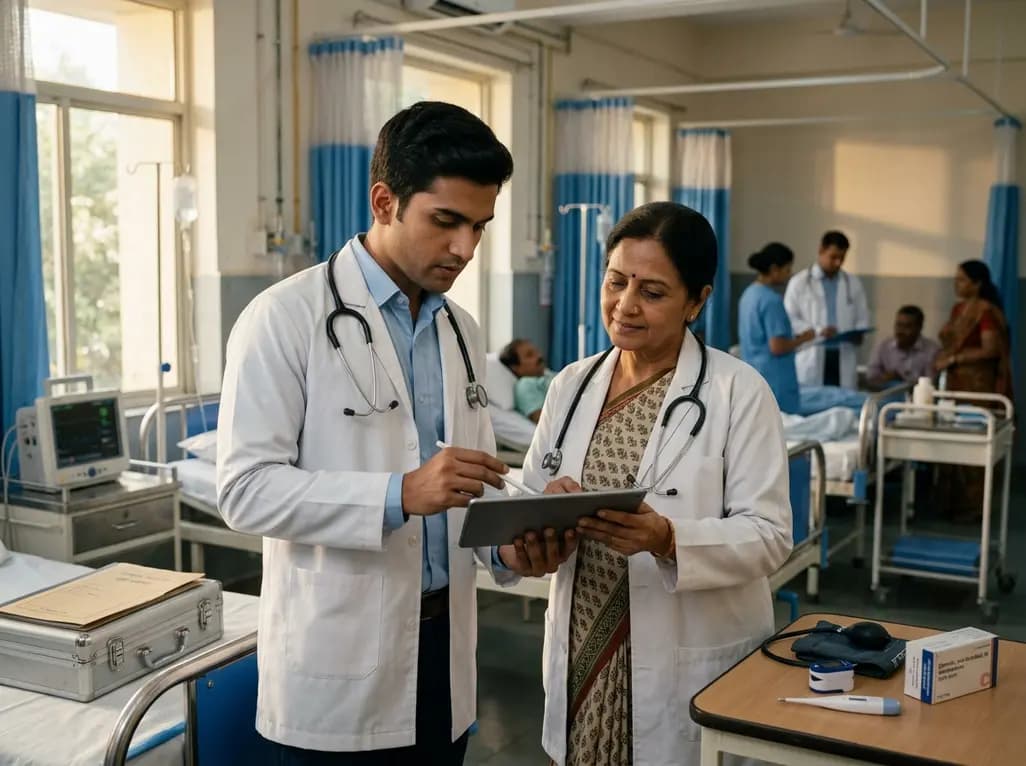
The Bundibugyo Ebola outbreak in the Democratic Republic of Congo has expanded to a fourth province. Specifically, the detection of a case in Haut-Uele province highlights the risk of regional transmission. Consequently, international health agencies have raised their alert levels to address this evolving crisis. Since the official declaration on May 15, the epidemic has rapidly spread across the northeastern region. This area is home to approximately 15 million people. Therefore, clinicians globally must monitor these epidemiological shifts and understand the unique challenges of this rare viral strain.
Haut-Uele has now become the fourth province affected by this devastating epidemic. Previously, the virus was confined to Ituri, North Kivu, and South Kivu provinces. However, an infected individual recently travelled from Bunia, the capital of Ituri, into Haut-Uele and subsequently died from the infection. This movement demonstrated how easily the virus can cross domestic borders. Furthermore, Haut-Uele directly borders South Sudan and the Central African Republic. This geographic proximity increases the risk of international transmission. Meanwhile, Uganda has already reported twenty cases, which demonstrates that cross-border movement is actively facilitating the spread. Because these areas experience heavy trade and migration, containment remains exceptionally difficult. Therefore, health authorities are working urgently to trace all active chains of transmission. They must identify and isolate every contact as quickly as possible. Nevertheless, the lack of robust border screening systems continues to hinder these containment efforts. Consequently, surveillance must be stepped up in all neighboring countries. In addition, clinicians in surrounding nations must maintain a high index of suspicion. Ultimately, early identification remains our best defense.
This outbreak is caused by the Bundibugyo strain of the Ebola virus. Unlike the Zaire strain, there are currently no approved vaccines or targeted therapies for Bundibugyo. This species difference complicates our pharmaceutical response. Consequently, supportive care remains the primary cornerstone of clinical management. This includes aggressive fluid resuscitation, electrolyte correction, and targeted symptom management. Additionally, experimental clinical trials are scheduled to begin in the coming days under World Health Organization guidance. However, implementing these trials during an active humanitarian crisis presents major logistical hurdles. For instance, maintaining a reliable cold chain for investigational products is incredibly difficult in remote areas. Furthermore, healthcare teams must carefully navigate patient consent and community skepticism. Indeed, the absence of proven medical countermeasures significantly increases the risk of mortality. Currently, the outbreak has recorded 360 deaths among 1,274 confirmed cases. Therefore, medical staff must rely strictly on early supportive interventions. By optimizing hemodynamic stability early, clinicians can significantly improve patient survival rates. Moreover, strict adherence to personal protective equipment protocols is vital to prevent nosocomial transmission.
In many affected communities, deep-seated cultural traditions significantly influence public health outcomes. Specifically, traditional funerals represent a major driver of viral transmission. These ceremonies often last several days and involve intimate physical contact with the deceased. Because the bodies of Ebola victims remain highly infectious after death, handling them without protective gear is extremely dangerous. Consequently, medical teams have prioritized arranging safe, dignified burials. However, these interventions frequently face intense local mistrust. Many families feel that clinical burial practices violate sacred ancestral rites. As a result, angry confrontations have erupted at health facilities when relatives demand the return of their loved ones' bodies. To overcome these barriers, healthcare workers must engage local community leaders. Collaborating with trusted elders and religious figures can help demystify the virus. Furthermore, explaining transmission mechanisms in a culturally sensitive manner can reduce hostility. For example, families can perform symbolic ceremonies that do not involve touching the deceased. Ultimately, building trust is just as important as medical intervention in stopping the transmission chain.
Severe insecurity in the northeastern DRC severely compounds the public health response. Indeed, both Ituri and Haut-Uele provinces face ongoing conflict from local militias and armed rebel groups. These volatile conditions prevent medical teams from reaching remote villages where the virus may be active. Consequently, some suspected cases went undetected for months before health authorities officially declared the outbreak. Additionally, local healthcare infrastructure in these border regions is extremely weak. Facilities often lack basic medical resources like sterile gloves, disinfectants, and personal protective equipment. This deficit has had a devastating impact on local health workers. To date, seventy-eight healthcare workers have contracted the virus, and eighteen have died. Therefore, strengthening infection prevention protocols within clinics is a critical priority. Furthermore, treatment centers are currently operating at more than 138 percent of their intended capacity. This severe overcrowding increases the risk of accidental exposure. For this reason, international aid must prioritize delivering basic protective supplies to frontline clinics. Without adequate protection, healthcare workers cannot safely combat this pathogen.
The World Health Organization has issued an international alert and declared this epidemic a public health emergency. This designation underscores the high risk of further international spread across Africa and beyond. However, global containment requires proactive surveillance and rapid response capabilities at every border entry point. Specifically, medical professionals worldwide must familiarize themselves with the clinical presentation of the Bundibugyo strain. Early symptoms include sudden fever, intense weakness, muscle pain, headache, and sore throat. Subsequently, patients develop vomiting, diarrhea, rash, and both internal and external bleeding. Because these symptoms mirror other endemic diseases like malaria and typhoid, misdiagnosis is common. Therefore, clinicians must obtain detailed travel histories for any febrile patient presenting with gastrointestinal or hemorrhagic symptoms. In addition, prompt isolation of suspected cases is critical while laboratory confirmation is pending. Although the risk of an imported case remains low, a single undetected case could trigger a localized outbreak. Ultimately, international collaboration, strict infection control, and rapid diagnostic testing are essential to control this crisis.
Q1: Why is the Bundibugyo strain of the Ebola virus more difficult to manage than other strains?
The Bundibugyo strain is uniquely challenging because no approved vaccines or targeted antiviral treatments exist for it. Unlike the Zaire strain, which can be managed with established vaccines like Ervebo and specific monoclonal antibodies, Bundibugyo infections rely solely on early supportive care. This pharmaceutical gap, combined with weak healthcare systems and active conflict in the affected regions, significantly complicates outbreak containment efforts and increases overall mortality risk.
Q2: How does the Ebola virus spread, and why have funerals been highlighted as high-risk events?
Ebola spreads through direct contact with the blood, secretions, or other bodily fluids of infected persons. During traditional funerals, which often last several days, mourners frequently touch or wash the body of the deceased. Because the viral load remains extremely high in deceased victims, these physical interactions easily transmit the pathogen. Consequently, safe and dignified clinical burial procedures are absolutely critical to preventing rapid community-wide transmission of the disease.
Q3: What clinical precautions should healthcare facilities in non-endemic countries like India take?
Healthcare facilities globally must establish strict screening protocols for patients presenting with acute febrile illness. Clinicians must routinely obtain detailed travel histories, specifically asking about recent visits to northeastern DRC or neighboring countries. If a patient exhibits compatible symptoms and travel history, they must be isolated immediately. Staff should implement rigorous infection control measures, notify public health authorities, and secure appropriate personal protective equipment before conducting further medical examinations.
Disclaimer: This content is for informational and educational purposes only. It does not constitute medical advice or replace professional judgment. Refer to the latest local and national guidelines for clinical practice.
References

Read summarized clinical updates, watch expert medical content, and earn CME certifications right from your smartphone.
Open your smartphone camera to scan and install.





The Bundibugyo Ebola outbreak in the Democratic Republic of Congo has expanded to Haut-Uele province. Lacking approved vaccines or therapies, this epidemic presents a major challenge for local and international healthcare teams, demanding rigorous clinical surveillance and strict infection prevention measures.
3 months ago
Explore vital recurrent stroke predictors in lacunar stroke patients managed with intensive blood pressure lowering. This analysis examines trial findings from SPS3 to uncover residual vascular risks, metabolic factors, and targeted secondary prevention strategies for high-risk neurological patients.
Today
A comprehensive scoping review synthesises evidence linking prenatal maternal mental health to long-term offspring neurodevelopment, evaluating neuroendocrine, inflammatory, and epigenetic pathways while highlighting clinical screening and future research priorities.
Today

The Directorate General of Health Services directs Indian states to halt the hazardous reuse and reprocessing of single-use medical devices. Discover regulatory implications under the Drugs and Cosmetics Act, critical infection risks, legal liabilities, and operational changes required across clinical specialties.
Today
Mitochondria-targeted nanoparticles self-assembled from EGCG and L-glutamic acid effectively restore mitochondrial homeostasis, suppress synovial inflammation, and attenuate chondrocyte senescence in osteoarthritis, offering a promising disease-modifying nanotherapy.
Today

India is advancing preventive healthcare by integrating genomics, artificial intelligence, and quantum technologies. With the SANGAM programme sequencing one million Indian genomes, clinicians can unlock personalized therapies, detect cardiometabolic risks early, and curb the burden of diabetes and heart disease.
Today
