.webp&w=384&q=75)

Loading, please wait...
Loading, please wait...
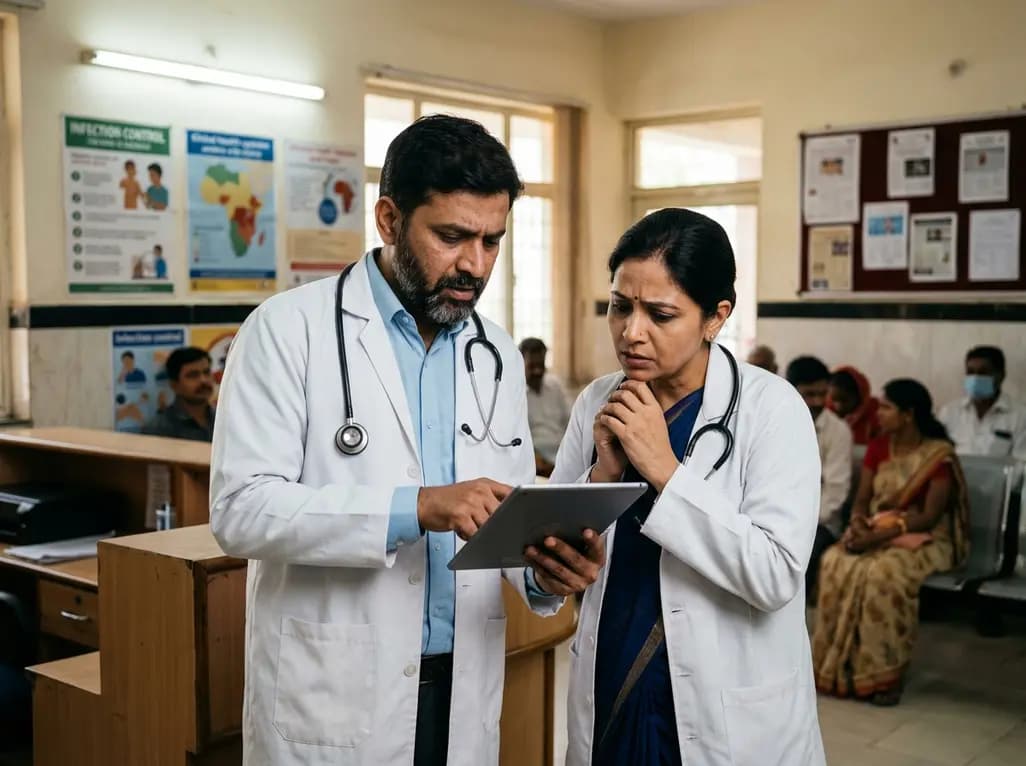
The Democratic Republic of Congo faces an unprecedented public health emergency as the Bundibugyo Ebola outbreak surpasses 3,000 fatalities. Official health surveillance reports indicate confirmed infections have climbed beyond 6,180 cases across six provinces. Consequently, this catastrophic epidemic now stands as the deadliest filovirus crisis in the nation's history. International public health agencies and frontline medical teams are mobilizing emergency responses to curtail transmission. Clinicians worldwide must understand the virological characteristics, diagnostic pathways, and evolving medical countermeasures relevant to this rare ebolavirus species.
The current epidemic represents only the third recognized emergence of Bundibugyo ebolavirus since researchers first identified the pathogen in western Uganda in 2007. Health authorities formally declared the active outbreak in Ituri province during May, yet retrospective contact tracing suggests unrecognized community transmission began earlier in January. Consequently, the pathogen disseminated rapidly across multiple geographic territories. The virus has now penetrated six distinct administrative provinces, creating widespread logistical hurdles for health responders.
Historically, the 2014 to 2016 West African outbreak, which claimed over 11,000 lives across Guinea, Liberia, and Sierra Leone, remains the single largest filovirus catastrophe. However, the current emergency in Congo has overtaken the devastating 2018 to 2020 Kivu epidemic in sheer mortality. Epidemiological models indicate a case fatality rate hovering near 48%, illustrating the lethal potency of this specific strain. Furthermore, cross-border mobility and displaced populations in the northeastern provinces heighten the risk of regional dissemination. Therefore, infectious disease surveillance networks in neighboring countries have elevated their screening protocols at high-volume transit hubs.
Bundibugyo ebolavirus belongs to the family Filoviridae and induces severe, often fatal hemorrhagic fever in humans and nonhuman primates. Following an incubation period ranging from 2 to 21 days, patients typically present with non-specific constitutional symptoms. Clinicians frequently encounter abrupt high fever, severe myalgia, profound asthenia, arthralgia, and persistent cephalalgia. Furthermore, pharyngitis and conjunctival injection often accompany early illness.
As the disease progresses into the gastrointestinal phase, patients develop severe watery diarrhea, intractable vomiting, and severe epigastric discomfort. These manifestations inevitably lead to profound dehydration, hypokalemia, metabolic acidosis, and hypovolemic shock. Moreover, vascular endothelial disruption causes capillary leak syndrome and coagulopathy. While frank external hemorrhages such as hematemesis or melena occur in a subset of cases, microvascular leakage remains a primary driver of multiorgan dysfunction syndrome. Laboratory evaluations typically demonstrate leukopenia, severe thrombocytopenia, marked elevations in serum aminotransferases, and acute renal impairment. Consequently, clinicians must maintain high suspicion for filoviral illness when treating febrile travelers returning from affected regions.
Public health experts confront formidable systemic barriers in halting community transmission across affected provinces. The World Health Organization estimates that approximately 60% of all fatalities currently occur outside dedicated Ebola treatment centers. This alarming metric indicates widespread delays in case identification, triage, and clinical isolation. Consequently, deceased individuals often expose household contacts and community members during traditional burial practices.
Additionally, protracted regional insecurity, civil unrest, and frequent attacks on health facilities severely impede rapid response teams. Healthcare workers encounter substantial community mistrust, fueled by misinformation and social anxiety surrounding isolation protocols. Furthermore, limited laboratory infrastructure in remote districts delays molecular confirmation via reverse-transcription polymerase chain reaction assays. Mobile diagnostic laboratories and decentralized testing points have expanded, yet supply chain disruptions frequently interrupt consumable reagents. Therefore, containment strategies must prioritize aggressive contact tracing, community-led risk communication, and safe, dignified burial protocols to sever transmission chains effectively.
A major therapeutic challenge in the current Bundibugyo Ebola outbreak is the complete absence of commercially licensed, strain-specific vaccines. While the recombinant vesicular stomatitis virus vaccine, Ervebo, provides robust protection against the Zaire ebolavirus, it offers uncertain cross-neutralization against Bundibugyo. Nevertheless, Congolese health authorities have initiated targeted vaccination of frontline healthcare workers with Ervebo under clinical research frameworks, seeking partial protective efficacy.
Simultaneously, international research consortia are accelerating the development of candidate vaccines engineered specifically for Bundibugyo ebolavirus. Scientists at the University of Oxford have advanced a viral vector candidate, ChAdOx1 BDBV, into early phase clinical safety trials. Additionally, the International AIDS Vaccine Initiative and Moderna are evaluating recombinant and messenger RNA platforms to establish broad immunogenicity. Global funding bodies have expedited clinical trial authorizations and manufacturing partnerships to produce investigational doses. Ultimately, rolling out an effective, species-targeted vaccine remains vital for long-term filovirus containment.
No targeted monoclonal antibodies, such as Inmazeb or Ebanga, possess regulatory approval for Bundibugyo ebolavirus due to antigenic divergence in the viral surface glycoprotein. Consequently, clinical management hinges primarily upon early, aggressive, and individualized supportive intensive care. Standardized critical care protocols have significantly improved survival rates in recent filovirus epidemics when initiated promptly.
Clinicians must prioritize meticulous fluid resuscitation, utilizing balanced crystalloid solutions to correct massive gastrointestinal losses. In addition, continuous point-of-care laboratory testing allows rapid correction of severe electrolyte derangements, particularly hypokalemia and hypomagnesemia. Clinicians also administer broad-spectrum empirical antibiotics when patients exhibit clinical signs of secondary bacterial translocation or sepsis. Furthermore, supplemental oxygen, antiemetics, paracetamol, and early enteral nutrition support physiological resilience. Experimental clinical trials are currently investigating antiviral agents, including broad-spectrum polymerase inhibitors, under compassionate-use emergency protocols. Thus, optimized supportive care remains the cornerstone of reducing filovirus-related case fatality.
The magnitude of the ongoing crisis underscores the imperative for robust infection control preparedness across global healthcare facilities. Hospital emergency departments and acute care clinics must maintain meticulous triage systems capable of identifying suspect viral hemorrhagic fevers. Clinicians should systematically document travel history in all patients presenting with unexplained acute febrile syndromes. Moreover, prompt isolation in designated negative-pressure rooms prevents nosocomial exposure.
Healthcare personnel must strictly adhere to personal protective equipment standards, including full-body impervious suits, double gloving, respiratory protection, and fluid-resistant face shields. Furthermore, facility leadership should conduct recurrent simulation drills focusing on safe donning and doffing techniques, as contamination most frequently occurs during gear removal. Regulatory agencies emphasize reporting any suspected filovirus case to national public health authorities immediately. Ultimately, maintaining heightened clinical vigilance and seamless inter-agency collaboration will safeguard domestic and international healthcare settings against epidemic transmission.
Q1: Why are licensed Ebola vaccines less effective against the Bundibugyo strain?
Licensed vaccines like Ervebo specifically target the glycoprotein of the Zaire ebolavirus species. Because the Bundibugyo ebolavirus glycoprotein possesses significant genetic divergence and antigenic variation, antibody neutralization remains incomplete. Although cross-reactive cell-mediated responses or partial immune recognition may offer modest protection, optimal prophylactic efficacy requires species-specific or multivalent filovirus vaccine platforms currently advancing through dedicated clinical trials.
Q2: What primary clinical symptoms distinguish early Ebola disease from endemic tropical fevers?
Early clinical manifestations often mimic endemic febrile illnesses such as malaria, typhoid, or dengue fever. Initial symptoms include abrupt onset of high fever, severe fatigue, myalgia, profound headache, and pharyngitis. However, progression to prominent gastrointestinal distress, marked by watery diarrhea and intractable vomiting, alongside unexplained cutaneous petechiae or mucosal bleeding, strongly warrants immediate isolation and rapid molecular testing via reverse-transcription polymerase chain reaction.
Q3: How do modern supportive care measures improve survival rates in filovirus infections?
Standardized aggressive supportive therapy significantly lowers mortality during filovirus outbreaks. Clinicians prioritize early aggressive intravenous or oral rehydration to counter massive fluid losses from gastrointestinal symptoms. Additionally, continuous monitoring and prompt correction of severe electrolyte abnormalities, maintenance of hemodynamic stability with vasopressors when indicated, targeted empirical antimicrobial therapy for potential secondary bacterial sepsis, and early nutritional support dramatically optimize patient recovery.
Disclaimer: This content is for informational and educational purposes only. It does not constitute medical advice or replace professional judgment. Refer to the latest local and national guidelines for clinical practice.
References

Read summarized clinical updates, watch expert medical content, and earn CME certifications right from your smartphone.
Open your smartphone camera to scan and install.





The devastating Bundibugyo Ebola epidemic in the Democratic Republic of Congo has crossed 3,000 deaths and 6,000 cases. With no approved species-specific therapeutics, global health authorities are deploying candidate vaccines and rigorous supportive care protocols to curtail further cross-border transmission.
4 weeks back

A review of incidental intestinal parasitic infections detected during colonoscopy, highlighting diagnostic morphology, the absence of peripheral eosinophilia, and tailored antihelminthic treatment.
Today
A nationwide South Korean study shows underreporting of smoking among women dropped from 57.4% to 36.4% between 2008 and 2021. However, over one-third of female smokers still conceal their habit, highlighting the critical role of cotinine verification in clinical risk assessment.
Today

PepsiCo and Monster Beverage have challenged the FSSAI ban on the energy drink label in Indian courts. While companies highlight supply disruptions, regulatory actions spotlight severe cardiovascular and metabolic risks associated with excessive caffeine, sugar, and taurine consumption, especially in adolescents.
Today
Persistent and recurrent musculoskeletal pain in youth athletes is often dismissed as simple growing pains. A developmentally informed biopsychosocial framework is essential to guide return-to-sport decisions, addressing biological vulnerabilities, psychological appraisals, and sociocultural expectations.
Today

A Bayesian multilevel meta-analysis reveals that aerobic training combined with moderate carbohydrate restriction modestly lowers HbA1c in type 2 diabetes. However, sparse data and very low certainty leave incremental benefits over exercise or diet alone unproven, highlighting the need for individualized care.
Yesterday
