.webp&w=384&q=75)

Loading, please wait...
Loading, please wait...
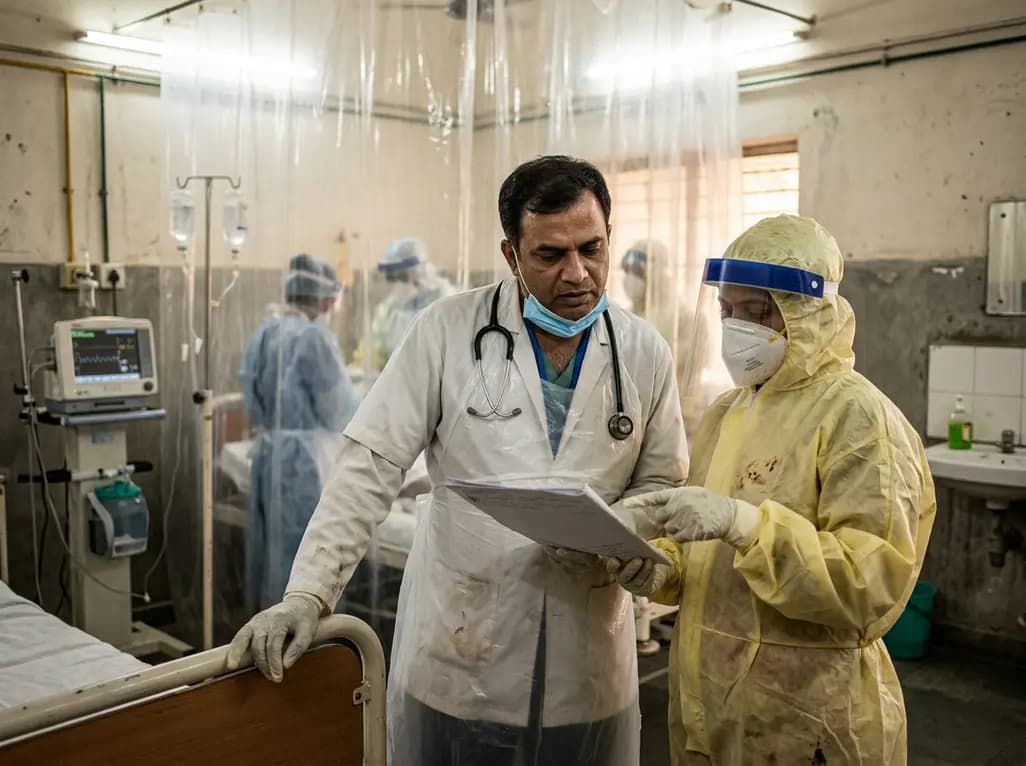
The ongoing Bundibugyo Ebola outbreak in the Democratic Republic of Congo has emerged as a severe public health emergency. Recent surveillance reports indicate that more than 2,500 individuals have lost their lives as the virus spreads rapidly across vast territories. Unlike previous epidemics driven by the Zaire strain, this outbreak involves the Bundibugyo species, which currently lacks approved therapeutic drugs or preventive vaccines. Consequently, international health agencies and frontline medical teams face unprecedented operational and clinical challenges. In an interconnected world, clinicians across all healthcare systems must understand the epidemiological dynamics, pathophysiological mechanisms, and infection control protocols associated with filovirus infections.
The current epidemiological surge represents the 17th documented epidemic in Congo and has officially become the largest in terms of case volume. Geographically, the transmission zone encompasses an expansive area exceeding the size of France, complicating rapid response and contact tracing. Furthermore, chronic regional insecurity and logistical hurdles have significantly impaired humanitarian delivery and medical containment strategies. Decades of conflict in the affected regions have weakened baseline health infrastructure, leaving local hospitals vulnerable to overwhelming patient surges.
Transmission occurs primarily through direct contact with blood, secretions, organs, or other bodily fluids of infected individuals or deceased victims. Traditional burial practices and close contact during caregiving frequently amplify secondary transmission within households and rural clinics. In addition, frontline medical personnel face substantial occupational hazards during clinical triage and patient transport. Reports confirm that dozens of health workers have contracted the illness, resulting in numerous fatalities. Therefore, establishing rigorous infection prevention and control standards remains vital to halting the spread of this lethal pathogen across communities.
The genus Orthoebolavirus comprises several distinct species, among which Orthoebolavirus bundibugyoense is clinically significant. Historically identified in Uganda in 2007, this species exhibits unique genomic features that distinguish it from the more widely studied Zaire and Sudan viruses. Consequently, standard monoclonal antibody therapies, such as mAb114 and REGN-EB3, do not provide cross-reactive neutralization against Bundibugyo infections. Similarly, the licensed ERVEBO vaccine offers protection exclusively against the Zaire species, leaving vulnerable populations without an established immunoprophylactic tool.
Pathogenetically, the virus targets dendritic cells, monocytes, and macrophages upon entering the host. This initial invasion triggers an uncontrolled inflammatory cascade, often described as a cytokine storm, which damages vascular endothelium and impairs coagulation pathways. Subsequently, widespread microvascular permeability leads to substantial fluid shifts, hypovolemic shock, and multi-organ failure. Because no targeted antiviral agent is currently approved for this species, clinical management relies entirely on aggressive physiological stabilization and meticulous supportive therapies.
Recognizing the clinical features of Ebola virus disease requires a high index of suspicion, especially during initial triage. The incubation period typically spans two to twenty-one days, during which individuals remain asymptomatic and non-infectious. However, symptom onset is characteristically abrupt, presenting with high fever, severe fatigue, diffuse myalgias, arthralgias, and persistent headache. In many tropical and subtropical regions, these non-specific early manifestations closely mimic prevalent endemic conditions such as falciparum malaria, typhoid fever, dengue, and leptospirosis.
As the disease progresses into the gastrointestinal phase, patients typically develop severe watery diarrhea, profuse vomiting, and cramping abdominal pain. These extensive fluid losses rapidly precipitate severe dehydration, profound electrolyte derangements, and metabolic acidosis. In fatal cases, coagulopathy develops between days six and sixteen, presenting with petechiae, ecchymoses, mucosal oozing, or gastrointestinal hemorrhage. Therefore, clinicians must combine detailed travel histories with rapid molecular diagnostic testing, such as reverse transcriptase-polymerase chain reaction, to confirm the diagnosis safely.
Because specific antiviral therapies remain experimental for the Bundibugyo strain, early and aggressive supportive care serves as the cornerstone of clinical management. Optimized supportive care significantly reduces case fatality rates by maintaining hemodynamic stability and organ perfusion until the patient mounts an effective adaptive immune response. Clinicians must prioritize rapid vascular access and targeted intravenous fluid administration to replace gastrointestinal losses. Balanced crystalloids represent the preferred initial fluid choice for ongoing volume resuscitation.
Furthermore, regular biochemical monitoring is essential to detect and correct life-threatening electrolyte disturbances, particularly hypokalemia, hypomagnesemia, and hyponatremia. In conjunction with fluid therapy, medical teams must provide empirical antimicrobial coverage when secondary bacterial translocation or sepsis is suspected. Nutritional supplementation, antipyretics, antiemetics, and careful analgesic management also enhance patient comfort and physiological resilience. Ultimately, standardized clinical protocols within dedicated isolation units dramatically improve overall survival outcomes during severe filovirus outbreaks.
Preventing nosocomial transmission requires rigorous adherence to personal protective equipment protocols and environmental decontamination standards. Healthcare workers must utilize impermeable coveralls, double gloving, respiratory protection, face shields, and fluid-resistant boots when caring for suspected or confirmed cases. Moreover, supervised donning and doffing procedures are essential to avoid self-contamination during high-risk clinical shifts. Facilities must establish clear isolation zones, dedicated waste management streams, and strict hand hygiene stations using alcohol-based rubs or chlorine solutions.
Community engagement and risk communication represent equally vital pillars in controlling viral hemorrhagic fevers. Addressing misinformation and fear through empathetic community dialogue ensures that families seek early medical intervention rather than hiding symptomatic relatives. Additionally, international health agencies continue to support safe and dignified burial teams to prevent post-mortem transmission. Global surveillance networks, border screening mechanisms, and laboratory readiness programs must remain highly vigilant to mitigate potential cross-border dissemination and maintain international health security.
Q1: Why are existing Ebola vaccines ineffective against the current outbreak in Congo?
Licensed vaccines, such as ERVEBO, were specifically developed to target the glycoprotein of the Zaire ebolavirus species. Because the current outbreak is caused by the Bundibugyo species, which has significant structural and genetic differences, these existing vaccines do not provide cross-protective immunity. Clinical trials and international research consortia are actively working to evaluate new multivalent vaccine candidates to address this critical therapeutic gap.
Q2: How does the Bundibugyo species differ clinically from other filoviruses?
The Bundibugyo virus generally exhibits a case fatality rate ranging between 30% and 50%, which is slightly lower than the historical mortality rates observed with the Zaire strain. Nevertheless, the clinical course remains severe, featuring acute fever, extensive gastrointestinal fluid loss, multiorgan dysfunction, and potential hemorrhagic complications that require immediate supportive intervention and strict barrier nursing.
Q3: What initial steps should emergency clinicians take when evaluating a febrile traveler?
Clinicians must immediately isolate any patient presenting with fever and a history of travel to an active outbreak area within the preceding 21 days. Frontline staff must wear appropriate personal protective equipment before conducting further assessments. Furthermore, teams should notify local public health authorities promptly and arrange confirmatory molecular testing while initiating supportive care and ruling out common endemic co-infections like malaria.
Disclaimer: This content is for informational and educational purposes only. It does not constitute medical advice or replace professional judgment. Refer to the latest local and national guidelines for clinical practice.
References

Read summarized clinical updates, watch expert medical content, and earn CME certifications right from your smartphone.
Open your smartphone camera to scan and install.





The Democratic Republic of Congo faces a severe Ebola crisis driven by the Bundibugyo species. With death tolls climbing and no approved vaccines, this review explores clinical characteristics, transmission dynamics, critical supportive care strategies, and essential global infection control measures.
last month
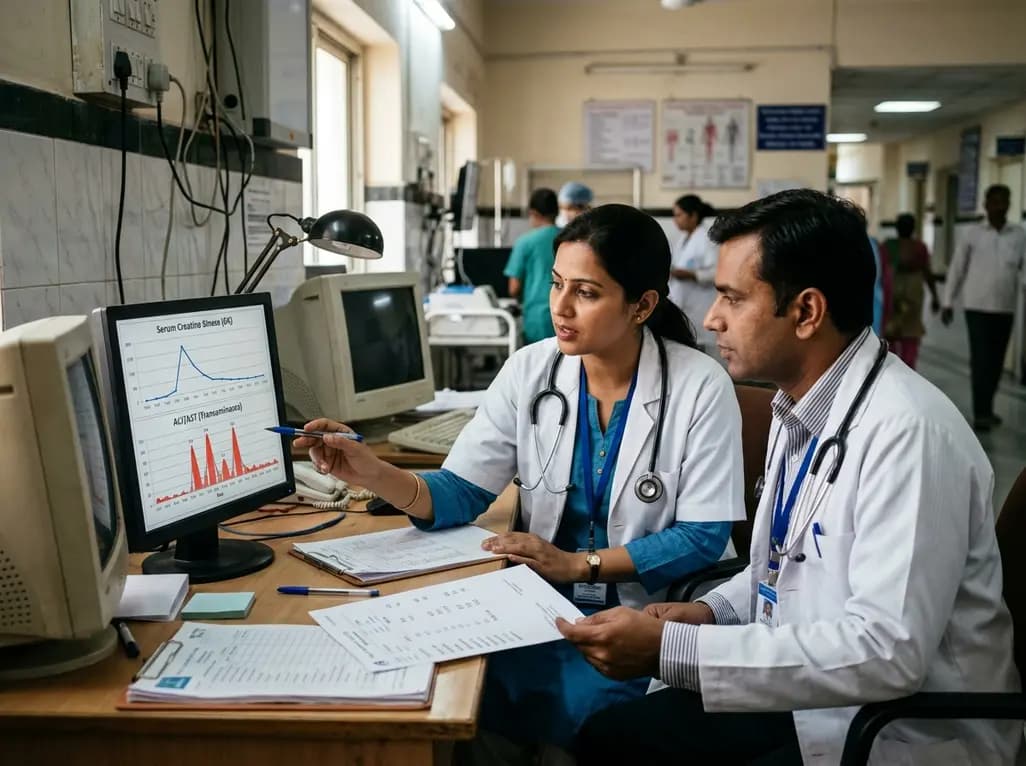
A recent case shows that exertional rhabdomyolysis can trigger marked transaminase spikes despite moderate creatine kinase elevation. Preserved hepatic synthetic function confirms muscle injury rather than liver failure, guiding conservative hydration and preventing unnecessary invasive diagnostics.
Today

A pharmacometric and machine learning study reveals that specific vaginal bacteria alter cervical antiretroviral exposure, highlighting the need for precision HIV PrEP strategies.
Today
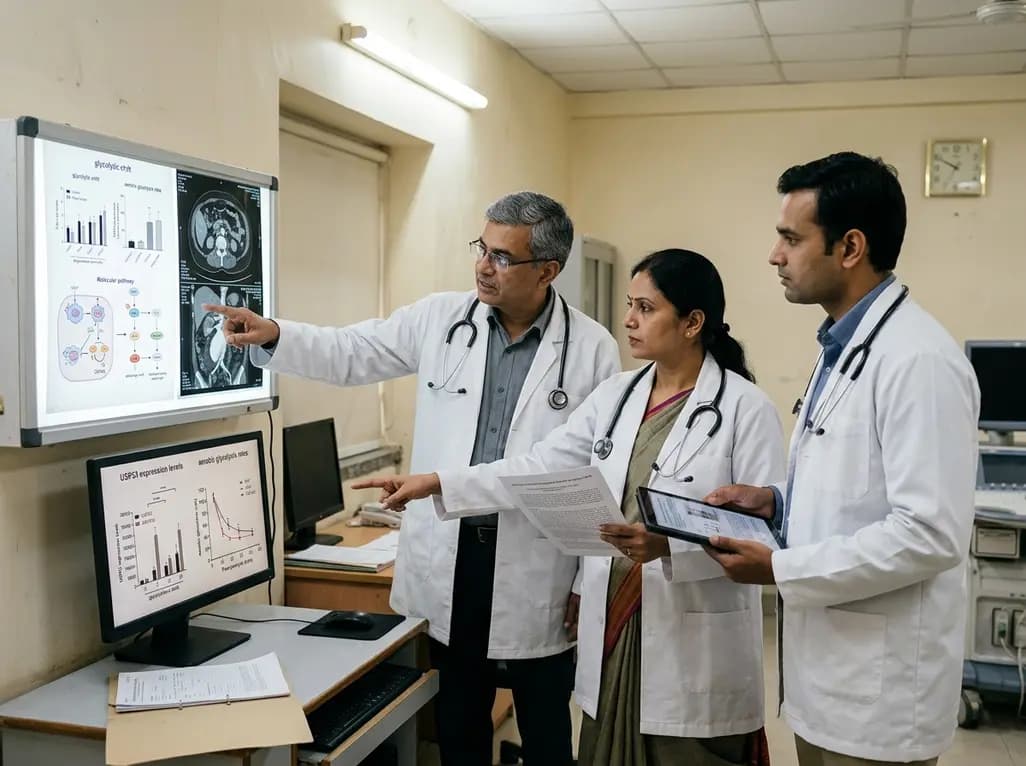
Abdominal aortic aneurysm rupture remains a catastrophic vascular emergency. Groundbreaking research reveals that USP53 accelerates aneurysm progression by reprogramming smooth muscle cell metabolism toward aerobic glycolysis, highlighting a promising target beyond conventional diameter-based surveillance.
Today
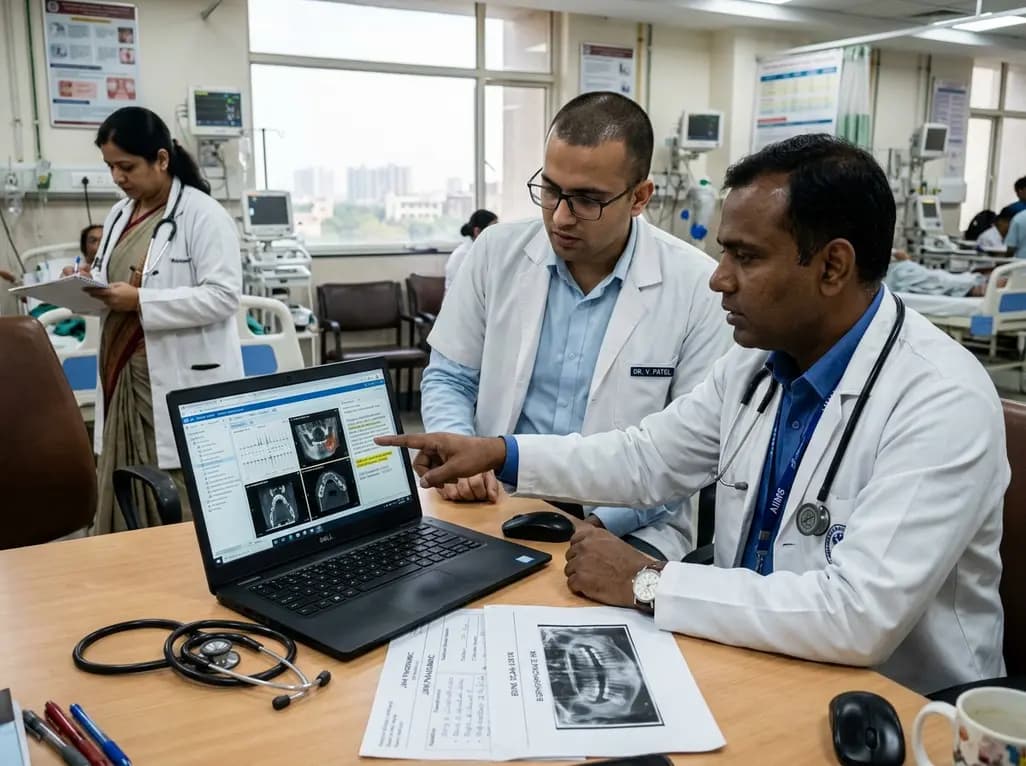
A breakthrough study leverages natural language processing to accurately identify incident medication-related osteonecrosis of the jaw and track antiresorptive drug holidays from clinical narratives in electronic health records, advancing osteoporosis pharmacovigilance and dental safety.
Today
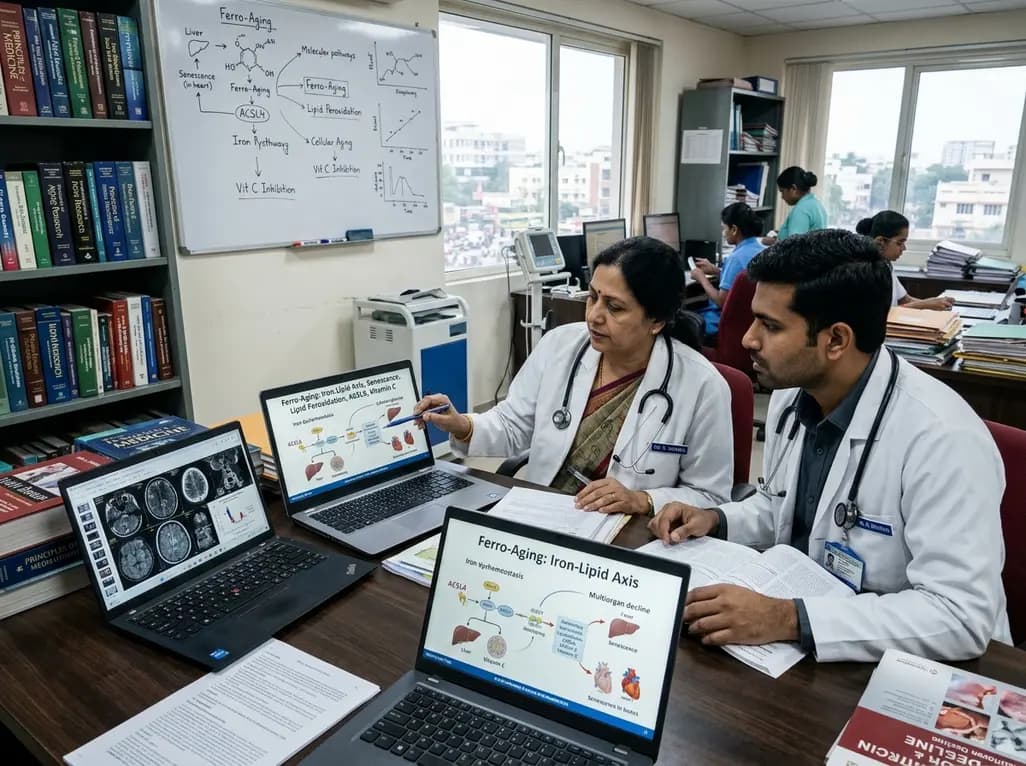
Recent research defines ferro-aging as a conserved iron-lipid axis driving organ decline across primates. Age-related iron dyshomeostasis stimulates ACSL4-mediated lipid peroxidation, promoting cellular senescence. Notably, vitamin C directly inhibits ACSL4, suppressing phospholipid oxidation and multi-organ decay.
Yesterday
