.webp&w=384&q=75)

Loading, please wait...
Loading, please wait...

In recent years, oral fluid drug testing has emerged as a preferred matrix in clinical toxicology, roadside screening, and workplace substance surveillance. Clinicians and forensic toxicologists favor saliva collection because it offers rapid, non-invasive specimen procurement under direct supervision. However, biological and analytical variables frequently alter drug recovery. The disposition of psychoactive substances within the oral cavity is complex. Specifically, chemical lipophilicity, local salivary pH, and mucosal contact during consumption influence drug behavior. Consequently, measurable concentrations in oral specimens can vary dramatically based on specimen handling. Recent investigations emphasize that pre-analytical factors substantially dictate analytical outcomes. In particular, the presence of exfoliated buccal epithelial cells and the physical retention of analytes on collection swabs introduce significant bias. Understanding these mechanisms is vital for toxicologists, emergency physicians, and forensic pathologists who interpret diagnostic drug levels.
Standard toxicological screening protocols often assume that collected oral fluid represents a homogenous liquid matrix. Nevertheless, authentic oral fluid contains a variable suspension of glandular saliva, gingival crevicular fluid, cellular debris, and mucosal transudates. When healthcare workers employ flocked swabs such as FLOQSwabs to sample the oral cavity, the collection process mechanically scrapes thousands of epithelial cells from the buccal mucosa. Furthermore, the synthetic fibers of the swab can trap both cellular material and free drug molecules. Recent scientific evaluations demonstrate that standard sample handling protocols, including elution, vortex mixing, and sonication, often fail to release analytes uniformly. As a result, fractionating specimens through routine centrifugation creates substantial discrepancies across resulting aliquots. If laboratories test only the supernatant while discarding the cellular pellet, they risk underestimating actual drug exposure. Therefore, forensic professionals must recognize that pre-analytical preparation forms the most vulnerable link in oral fluid analytical cascades.
Delta-9-tetrahydrocannabinol represents the primary psychoactive component of cannabis, and its physicochemical profile heavily dictates its biological distribution. Because THC exhibits pronounced lipophilicity, it binds avidly to biological membranes and intracellular lipid droplets. Inhaled cannabis smoke or vapor deposits extensive drug residues directly onto the oral mucosal surfaces. Consequently, buccal epithelial cells absorb and store substantial quantities of parent THC. When toxicologists fractionate collected oral specimens into homogenate, cellular pellet, and expressed swab fractions, profound partitioning occurs. Notably, recent mass spectrometry data show that cell-rich pellets contain significantly higher median THC concentrations compared to whole homogenates. In contrast, the remaining liquid supernatant exhibits markedly depleted THC levels. Moreover, synthetic collection swabs retain significant proportions of the drug even after thorough elution and mechanical vortex mixing. Thus, conventional centrifugal clearing of saliva samples inadvertently removes the bulk of lipophilic cannabinoids, skewing quantitative analysis.
Unlike lipophilic cannabinoids, cocaine and its primary metabolic derivatives demonstrate markedly different analytical behaviors during sample processing. Cocaine acts as a weakly basic alkaloid that crosses cellular membranes rapidly, but its metabolites display distinct hydrophilic characteristics. Specifically, benzoylecgonine and ecgonine methyl ester remain predominantly dissolved within the aqueous phase of oral secretions. Because these polar compounds lack strong affinity for lipid-rich cell membranes, buccal epithelial pellets do not sequestrate them to the same extent as THC. However, swab retention still poses a critical challenge for quantitative accuracy. Expressed swabs often retain measurable volumes of fluid, which traps soluble metabolites within the interstitial spaces of the swab fibers. Furthermore, ambient pH shifts during sample storage can trigger spontaneous in vitro hydrolysis of cocaine into benzoylecgonine. Accordingly, laboratory analysts must optimize recovery protocols for both lipophilic parent molecules and polar metabolites to ensure accurate forensic interpretation.
Modern forensic and clinical toxicological protocols rely on liquid chromatography-tandem mass spectrometry for definitive confirmation of positive screening tests. While tandem mass spectrometry delivers exceptional specificity and picogram sensitivity, analytical instruments cannot overcome unstandardized specimen preparation. For example, when laboratory technicians aspirate aliquots from centrifuged collection tubes, inconsistent pipetting depths introduce profound analytical variance. Sampling near the bottom draws cell-dense material enriched with cannabinoids, whereas sampling the top layer captures depleted aqueous fluid. Furthermore, variations in swab elution buffers can selectively extract water-soluble stimulants while leaving lipophilic compounds bound to synthetic fibers. To eliminate these systematic errors, testing facilities must implement standardized homogenization techniques, such as enzymatic cell digestion or extended high-energy sonication. Alternatively, analysts should perform total-specimen extraction without centrifugal phase separation. Implementing these rigorous quality control measures ensures that reported quantitative values accurately mirror authentic physiological concentrations.
In India, substance use screening and forensic toxicology face increasing clinical and regulatory importance under updated statutory frameworks. The Motor Vehicles Amendment Act empowers traffic enforcement and emergency departments to detect driving under the influence of drugs. Similarly, psychiatric de-addiction centers and occupational health departments frequently employ oral fluid testing to monitor patient compliance and workplace safety. However, pre-analytical variability can yield false-negative confirmations or misleading quantitative values in medico-legal proceedings. If an emergency clinician evaluates an acutely intoxicated driver, an improperly processed oral fluid sample might falsely indicate sub-threshold cannabinoid exposure. Conversely, non-uniform swab extraction can challenge legal prosecution during court testimony. Therefore, Indian medical practitioners and forensic pathologists must understand the analytical limitations of collection devices. Establishing standardized national guidelines for oral fluid processing will protect patient rights and strengthen evidence-based forensic toxicology across healthcare systems.
Buccal epithelial cells absorb large amounts of lipophilic compounds like tetrahydrocannabinol during cannabis consumption. When technicians centrifuge oral fluid samples, these dense epithelial cells settle into a pellet at the bottom of the tube. Consequently, this cellular pellet contains significantly higher THC concentrations than the liquid supernatant. Discarding or bypassing this cellular fraction during laboratory pipetting removes substantial drug quantities, leading to false-negative results or artificially low quantitative readings.
Cocaine metabolites, specifically benzoylecgonine and ecgonine methyl ester, possess water-soluble, hydrophilic chemical structures. Unlike lipophilic cannabinoids, these polar molecules do not bind strongly to epithelial cell membranes or cellular lipids. Therefore, they partition primarily into the aqueous liquid phase of oral fluid rather than the cellular pellet. Nevertheless, collection swabs can mechanically trap fluid containing these metabolites, causing variable analyte recovery unless laboratories perform complete and standardized elution.
Laboratories should avoid unverified centrifugation that separates cellular debris from aqueous oral fluid before testing. Instead, technicians must thoroughly homogenize specimens using validated vortex mixing, enzymatic disruption, or high-energy sonication to release bound analytes from buccal cells. Additionally, protocols should mandate rigorous swab expression and utilize proven elution buffers. Analyzing the total specimen rather than isolated supernatant prevents analyte fractionation, ensuring reproducible and defensible drug quantification.
Disclaimer: This content is for informational and educational purposes only and should not be considered medical advice. Always consult a qualified healthcare provider for diagnosis and treatment decisions. Refer to the latest local and national guidelines for clinical practice.
References
Saint-Marcoux F et al. Impact of buccal cell content and swab retention on tetrahydrocannabinol and cocaine concentrations in oral fluid. J Anal Toxicol. 2026 Sep 18. doi: undefined. PMID: 42760260.
Drummer OH. Drug testing in oral fluid. Clin Biochem Rev. 2006;27(3):147-159.
Bosker WM, Huestis MA. Oral fluid testing for drugs of abuse. Clin Chem. 2009;55(11):1910-1931.

Read summarized clinical updates, watch expert medical content, and earn CME certifications right from your smartphone.
Open your smartphone camera to scan and install.





A new toxicological study reveals that buccal cell density and swab retention significantly alter THC and cocaine concentrations during oral fluid drug testing. Pre-analytical centrifugation and swab extraction directly affect analytical precision in clinical and forensic toxicology.
Today
A real-world EUSTAR database analysis of over 10,000 systemic sclerosis patients shows PPI use reflects severe multisystem disease and offers minimal lung protection, supporting use for reflux relief rather than pulmonary preservation.
Today
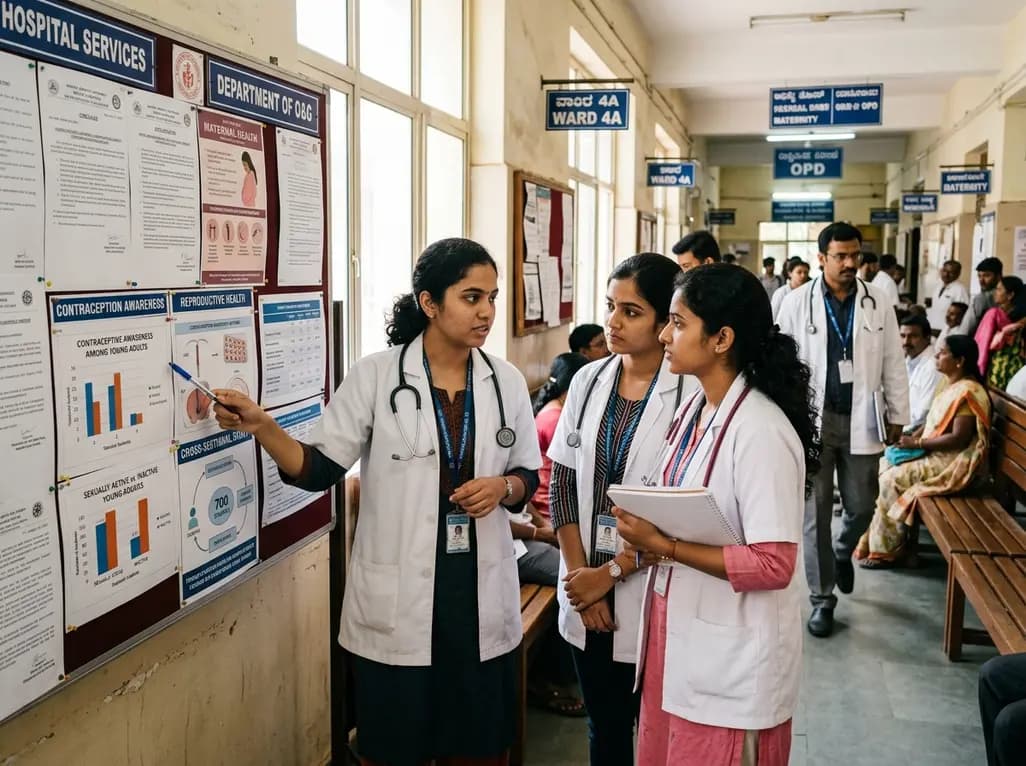
A cross-sectional study of 700 college students highlights significant contraceptive knowledge disparities between sexually active and inactive young adults. The findings demonstrate a critical need for proactive, comprehensive sexual health counseling before sexual debut.
Yesterday
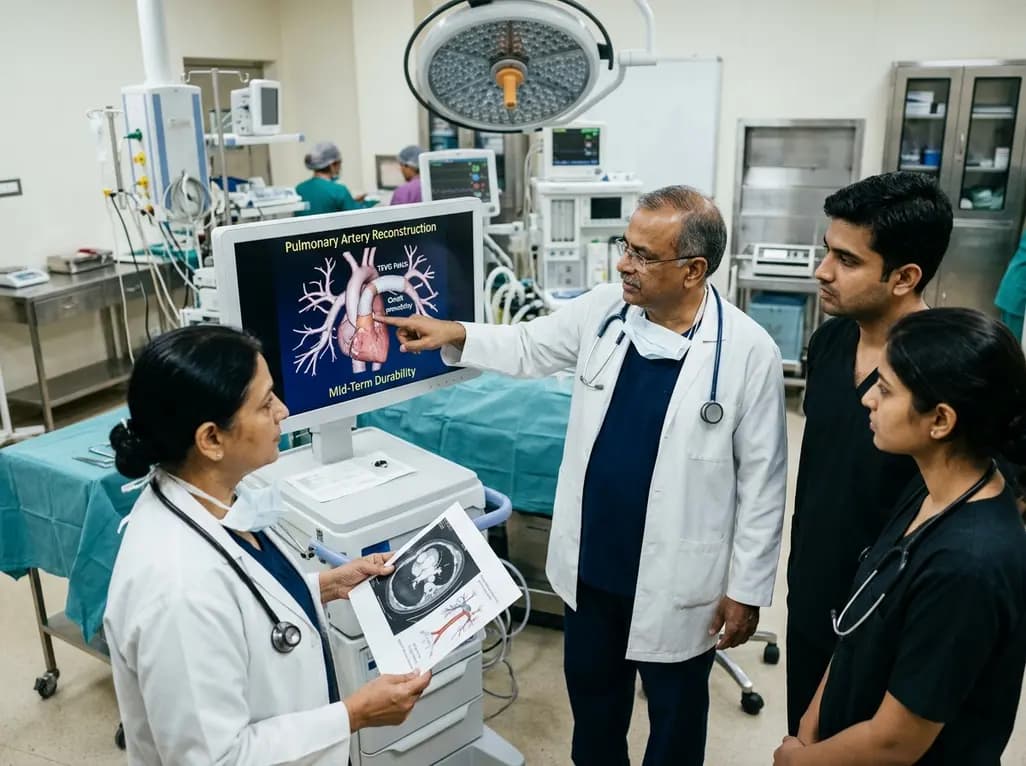
Autologous tissue-engineered vascular graft patches created via in-body tissue architecture show excellent mid-term durability and safety for pulmonary artery reconstruction in congenital heart surgery, particularly for peripheral branch augmentation.
Today
A large-scale TriNetX cohort study reveals that bisphosphonate use in osteoporosis significantly increases the risk of uveitis, particularly anterior uveitis during the first month of therapy and among patients with pre-existing autoimmune conditions. Clinicians must ensure early detection and prompt referral.
Today
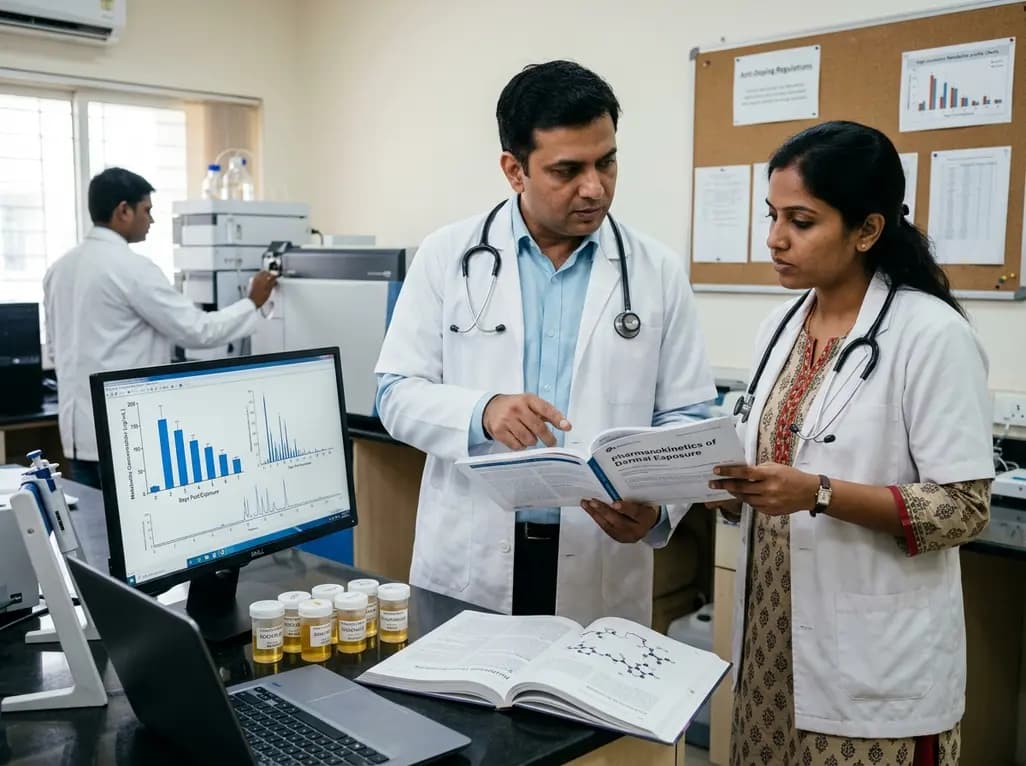
Recent pharmacokinetic research demonstrates that trace dermal exposure to microgram quantities of trenbolone and metenolone produces detectable urinary metabolites for days to over a week, providing critical objective data for evaluating unintentional contamination claims in sports drug testing.
Today
