.webp&w=384&q=75)

Loading, please wait...
Loading, please wait...

Breast Rosai-Dorfman disease is an exceptionally rare extranodal presentation of a benign histiocytic disorder. While the disease typically manifests as massive, painless cervical lymphadenopathy, clinicians increasingly recognize extranodal involvement in approximately 40% of cases. Breast involvement remains particularly infrequent, often creating a diagnostic dilemma because it closely mimics primary breast carcinoma on clinical examination and routine imaging. Consequently, understanding the unique pathologic features of this entity is vital for preventing aggressive overtreatment.
Patients with this condition generally present with firm, palpable breast masses that may be painless or slightly tender. In some instances, clinicians detect the lesion incidentally during imaging for unrelated concerns. Mammography and ultrasound frequently reveal irregular, spiculated, or ill-defined masses. Radiologists often categorize these findings as BI-RADS 4 or 5, which strongly suggests malignancy. Furthermore, PET/CT scans may show high FDG uptake, further complicating the differentiation from breast cancer or lymphoma.
Because imaging is often inconclusive, histopathologic evaluation serves as the gold standard for diagnosis. Microscopic examination typically shows a dense lymphoplasmacytic infiltrate and large, pale histiocytes. A hallmark feature known as emperipolesis, where histiocytes engulf intact lymphocytes or erythrocytes, is often present. Immunohistochemistry plays a critical role in confirmation. The diagnostic histiocytes characteristically express S100, CD68, and CD163. Conversely, they remain negative for CD1a, which helps distinguish the condition from Langerhans cell histiocytosis.
Management strategies for breast Rosai-Dorfman disease vary based on the extent of the disease and patient symptoms. Many patients achieve excellent outcomes through surgical excision, which often provides both a definitive diagnosis and treatment. However, conservative management with close clinical and radiologic follow-up is an appropriate alternative for asymptomatic, biopsy-proven lesions. Most cases limited to the breast follow a benign course without systemic recurrence. Therefore, a multidisciplinary approach involving pathologists, radiologists, and surgeons ensures optimal patient care and prevents unnecessary radical procedures.
No, it is a benign (non-cancerous) histiocytic disorder. However, it is significant because it mimics breast cancer on mammograms and ultrasounds, requiring a biopsy for a definitive diagnosis.
Treatment is individualized. Options include surgical excision of the mass or conservative observation with regular follow-up imaging, depending on the lesion's size and the patient's symptoms.
The hallmark is emperipolesis, a process where large histiocytes contain intact inflammatory cells within their cytoplasm. Specialized staining for the S100 protein also confirms the diagnosis.
Disclaimer: This content is for informational and educational purposes only. It does not constitute medical advice or a professional relationship. Refer to the latest local and national guidelines for clinical practice.
References
Hernandez Guzman AR et al. Rosai-Dorfman Disease of the Breast: A Case Series and Review of the Literature. Int J Surg Pathol. 2026 May 04. doi: 10.1177/10668969261438513. PMID: 42081251.
Carstina D et al. Rosai–Dorfman Disease: Breast Involvement—Case Report and Literature Review. Medicina (Kaunas). 2021 Oct 27;57(11):1167. doi: 10.3390/medicina57111167.
Adejayan A et al. Rosai-Dorfman Disease of the Breast: Radiologic-Pathologic Correlation. Journal of Breast Imaging. 2025 Oct 28. doi: 10.1093/jbi/wbae057.

Read summarized clinical updates, watch expert medical content, and earn CME certifications right from your smartphone.
Open your smartphone camera to scan and install.





An expert review of breast Rosai-Dorfman disease, highlighting its clinical mimicry of carcinoma and the vital role of immunohistochemistry in diagnosis....
5 months ago
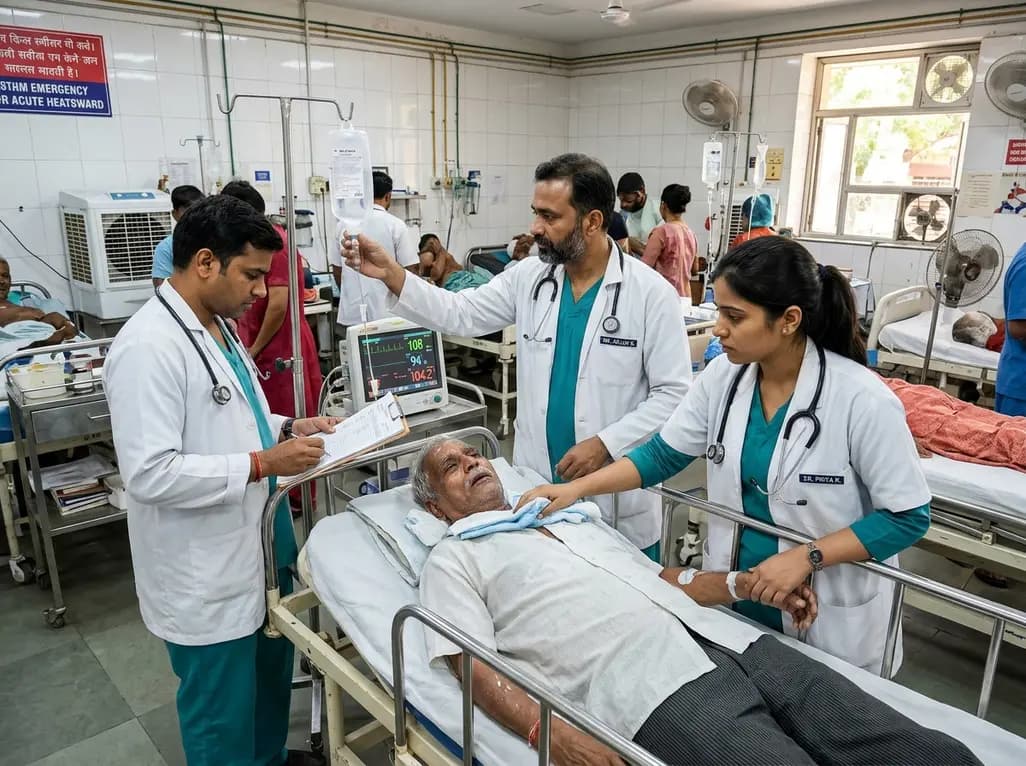
Recent epidemiological data reveals a dramatic surge in summer heat mortality driven by human-induced climate warming. This analysis explores the pathophysiological impacts on cardiac and renal systems, diagnostic dilemmas in death certification, and essential emergency cooling protocols for acute clinical care.
Today
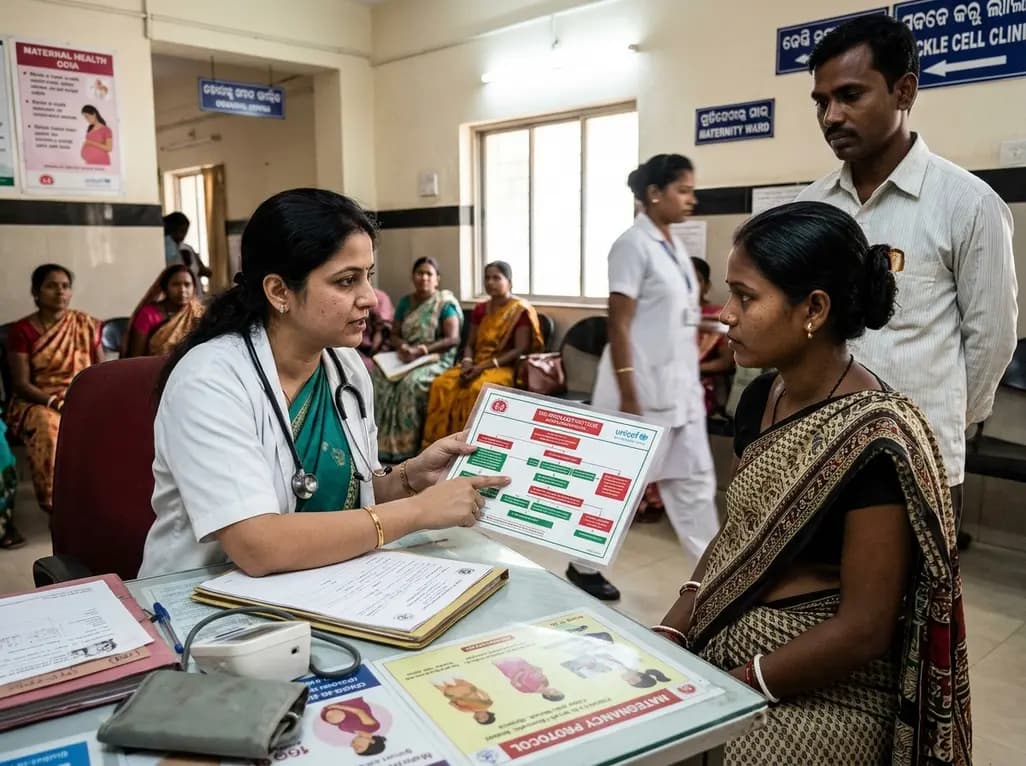
Odisha has established India's first state-level clinical protocol specifically tailored for pregnant women with sickle cell disease. Developed with NHM and UNICEF, the framework provides structured antenatal screening, crisis mitigation, standardized referral pathways, and specialized interdisciplinary care.
Today

India is advancing preventive healthcare by integrating genomics, artificial intelligence, and quantum technologies. With the SANGAM programme sequencing one million Indian genomes, clinicians can unlock personalized therapies, detect cardiometabolic risks early, and curb the burden of diabetes and heart disease.
Today
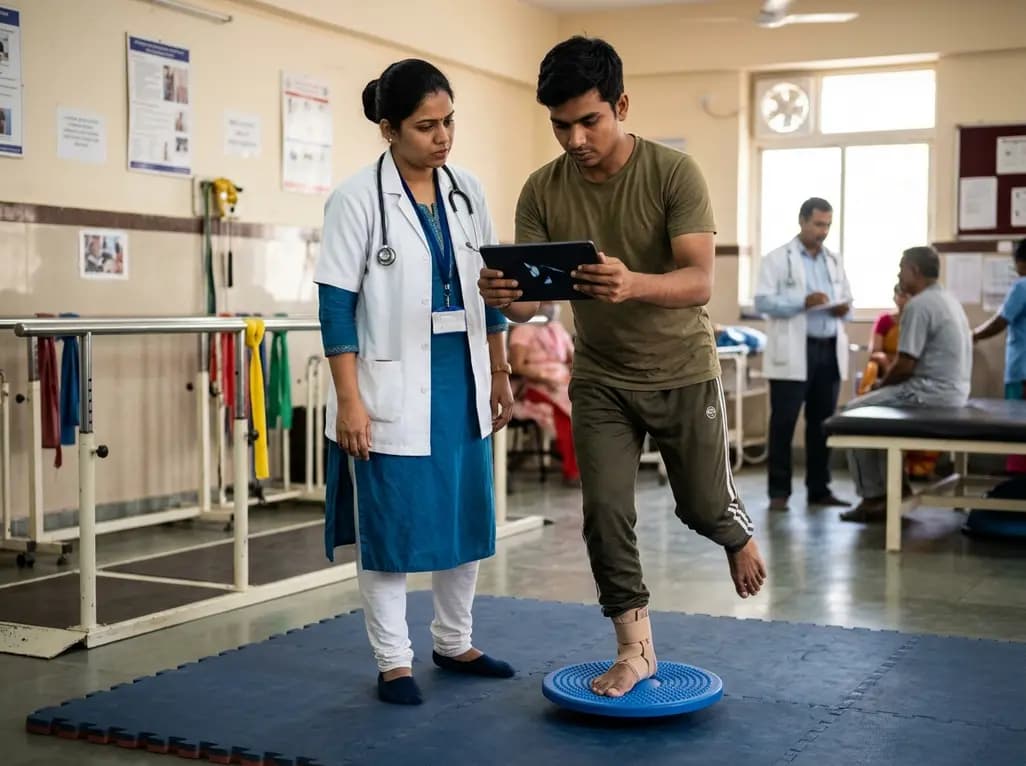
A randomized controlled trial demonstrates that an eight-week dual-task training intervention significantly improves static and dynamic postural control over standard balance exercises in individuals with chronic ankle instability, addressing critical neurocognitive deficits during athletic and daily activities.
Today

A retrospective cohort study of 7,716 ICU patients from the MIMIC-IV database demonstrates that Gradient Boosting Decision Trees significantly outperform traditional SOFA scores in predicting in-hospital mortality among patients with sepsis and diabetes, with SHAP analysis providing clinical interpretability.
Today
