.webp&w=384&q=75)

Loading, please wait...
Loading, please wait...
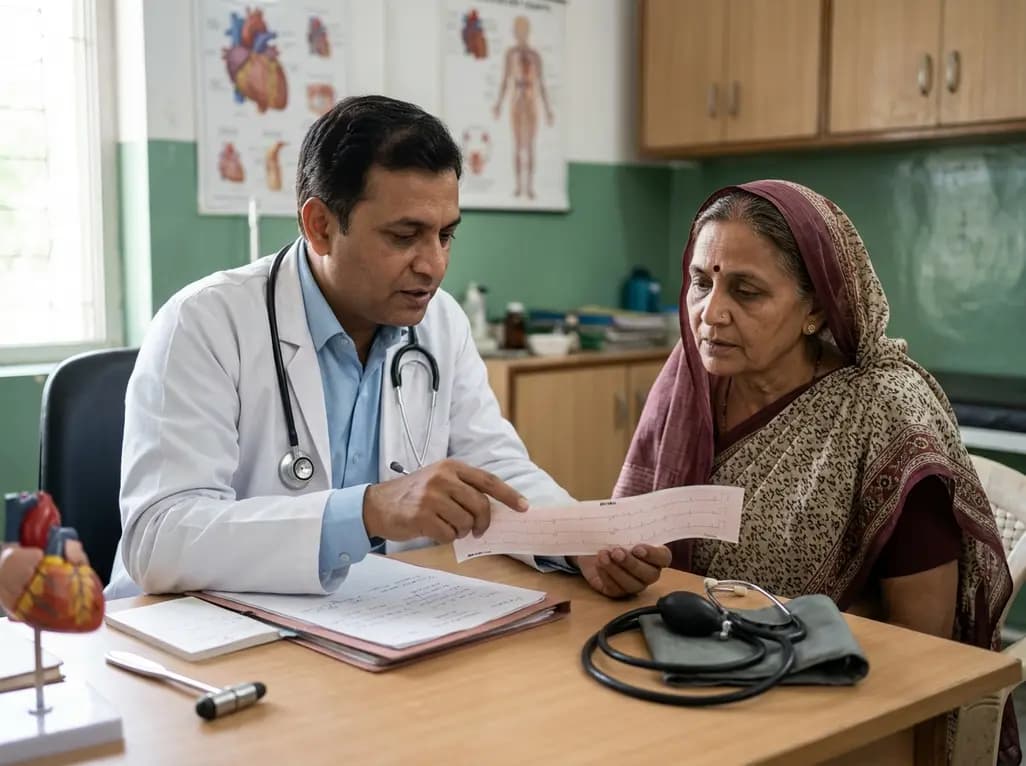
Breast cancer (BC) has long stood as the primary focus of women's oncology, but as modern medicine improves survival rates, the clinical focus is shifting. Breast cancer and cardiovascular disease risk share several common risk factors, including obesity, physical inactivity, and metabolic syndromes. Clinical oncology has made significant strides in survival, but this progress comes with its own set of challenges, specifically treatment-related cardiotoxicity. Therapies like anthracyclines and trastuzumab are known to affect cardiac function. In the Indian context, where breast cancer often occurs at a younger age, the long-term cardiovascular health of survivors is even more critical. Consequently, managing these comorbidities requires a multidisciplinary approach known as cardio-oncology. This field aims to balance effective cancer treatment while minimizing permanent damage to the heart. For clinicians, recognizing that these two conditions are not separate entities is essential for holistic care. A survivor who beats cancer only to succumb to heart failure represents a gap in comprehensive medical management. Therefore, understanding the burden of CVD in BC survivors is paramount. Recent retrospective data underscores that the intersection of these diseases is not just common but often immediate.
One of the most striking findings from recent epidemiological research is the specific timing of cardiovascular onset. The incidence density of cardiovascular complications in breast cancer patients tends to peak within the first year. Specifically, the first three months post-diagnosis appear to be a uniquely high-risk period for these individuals. This suggests that the physiological stress of a new diagnosis, combined with the immediate initiation of aggressive treatments, places an immense burden on the cardiovascular system. During this early phase, patients may experience sudden spikes in blood pressure or the onset of new arrhythmias. Moreover, data shows that the incidence density is highest during this initial window before gradually decreasing over the subsequent years. This "early peak" phenomenon highlights the need for proactive cardiac monitoring right from the start. Rather than waiting for the survivorship phase to begin cardiac care, clinicians should integrate cardiovascular assessments into the initial staging and treatment planning. In India, where healthcare delivery can be fragmented, missing this three-month window can lead to irreversible cardiac damage. Strengthening the baseline evaluation of patients before they undergo chemotherapy is a key strategy for long-term health.
When examining the specific types of cardiovascular issues that breast cancer survivors face, a clear pattern emerges. Hypertension stands out as the most common subtype, followed closely by arrhythmia and ischemic heart disease. Data suggests that hypertension management is often deprioritized during active cancer treatment, yet it remains a primary driver of further cardiac complications. Arrhythmias, particularly atrial fibrillation, are also frequent and can significantly complicate the oncology care pathway. These conditions are not merely side effects; they are major components of the overall disease burden. Clinical records indicate incidence densities of approximately 97.26 for hypertension and 79.80 for arrhythmia per 1000 person-years. These numbers are substantial and indicate that a large proportion of survivors will require ongoing cardiovascular management. Ischemic heart disease also remains a persistent threat, especially in patients with shared metabolic risk factors like diabetes or dyslipidemia. For clinicians, every oncology visit represents an opportunity to check blood pressure and heart rate. Simple interventions, such as optimizing antihypertensive therapy, can prevent more severe outcomes like heart failure. Recognizing these common subtypes allows for targeted surveillance and transforms the follow-up process into a high-yield clinical interaction.
Socioeconomic status plays a pivotal role in determining the prognosis of breast cancer survivors with cardiovascular comorbidities. Evidence indicates that patients residing in lower GDP areas face significantly higher all-cause mortality densities compared to those in more affluent regions. Interestingly, while mortality is higher, the average annual costs for hospitalization are also often higher in these disadvantaged areas. This paradox can be attributed to several factors, including delayed diagnosis, limited access to preventive care, and a higher prevalence of untreated risk factors. When cardiovascular issues are diagnosed late, they often require more intensive and expensive inpatient care. In countries like India, where out-of-pocket expenses for healthcare are high, the economic burden can be devastating for households. The financial toxicity of cancer is well-documented, but the added cost of managing heart disease creates a double burden. Socioeconomically disadvantaged patients may also have poorer nutrition and higher stress levels, both of which negatively impact cardiac health. Therefore, cardio-protective strategies must be sensitive to the patient's economic context. Universal screening programs and subsidized cardiac medications could go a long way in bridging this gap and ensuring health equity.
Among all cardiovascular subtypes, heart failure and arrhythmia carry the highest mortality risk and economic weight for breast cancer survivors. Heart failure represents the end-stage of many treatment-related cardiotoxicities. It is associated with frequent hospitalizations, complex medication regimens, and a significant reduction in quality of life. The prognosis for a cancer survivor with heart failure is notably poorer than for those without cardiac involvement. In terms of expenses, the burden is driven by both outpatient medication costs and expensive inpatient stays for acute exacerbations. Research highlights that those with heart failure bear the top highest economic burdens among all survivors. This emphasizes the cost-effectiveness of early intervention. Preventing heart failure through the early management of hypertension is significantly cheaper than treating established cardiac dysfunction. For the medical community, this data serves as a call to action. We must shift from a react and treat model to a predict and prevent model. By identifying those at high risk for heart failure early through biomarkers and imaging, clinicians can intervene before the costs become unsustainable. Integrated cardio-oncology clinics are a promising solution to provide this streamlined, efficient care.
The evolving landscape of cancer care demands a more integrated approach to survivor health. As we look forward, cardio-protective strategies must become a standardized part of breast cancer protocols. This includes baseline cardiovascular risk assessment for every patient, followed by scheduled monitoring during and after treatment. The use of cardioprotective agents, such as ACE inhibitors or beta-blockers, may be warranted in high-risk individuals undergoing cardiotoxic therapy. Furthermore, lifestyle interventions including smoking cessation and dietary counseling should be emphasized. Exercise, in particular, has shown benefit in mitigating some aspects of treatment-related cardiotoxicity. Education is also a powerful tool; patients need to be aware of signs of cardiac distress, such as shortness of breath or palpitations. From a policy perspective, healthcare systems need to support the development of cardio-oncology as a recognized subspecialty. In India, increasing the number of trained cardio-oncologists and fostering collaboration between cardiology and oncology departments will be vital. By focusing on the first three months post-diagnosis and targeting those in economically disadvantaged regions, we can significantly reduce the global burden of CVD in the oncology population. Ultimately, the goal is to ensure that a woman's victory over breast cancer is not overshadowed by a preventable cardiovascular event.
The first three months following a breast cancer diagnosis are critical because the incidence of new-onset cardiovascular disease peaks during this time. This period involves the intense physiological and psychological stress of the diagnosis, alongside the initiation of aggressive treatments like chemotherapy or targeted therapies, which can have immediate cardiotoxic effects. Early surveillance allows clinicians to identify and manage sudden spikes in blood pressure or arrhythmias before they lead to permanent cardiac damage.
Research indicates that hypertension, arrhythmia, and ischemic heart disease are the three most common cardiovascular subtypes among breast cancer survivors. Hypertension is the most prevalent, often requiring rigorous management to prevent further complications. Arrhythmias, such as atrial fibrillation, are also frequently documented. These subtypes contribute significantly to the overall disease burden and mortality risk, necessitating targeted screening for blood pressure and heart rhythm during every clinical follow-up throughout the survivorship journey.
Socioeconomic status significantly impacts outcomes, as patients in lower GDP areas often experience higher mortality rates. These patients frequently face barriers to early diagnosis and preventive care, leading to the presentation of cardiovascular issues at more advanced stages. Paradoxically, this leads to higher hospitalization costs due to the intensity of late-stage care. Addressing these disparities requires specialized strategies that provide affordable screening and treatment options for economically disadvantaged populations to improve their long-term survival.
Disclaimer: This content is for informational and educational purposes only... Refer to the latest local and national guidelines for clinical practice.
References
Wen Q et al. Burden of cardiovascular diseases in breast cancer survivors: a 9-year retrospective cohort study based on regional medical data in Inner Mongolia China. Cardiooncology. 2026 Jul 07. doi: 10.1186/s40959-026-00531-w. PMID: 42415223.
Aggarwal A, Patil P, Rangaraju RR, et al. Cardiotoxicity in patients on trastuzumab in HER2-positive breast cancer – A retrospective analysis from a center in North India. Int J Mol Immuno Oncol 2021;6(2):56-60.
Jaiswal V, et al. Trends in heart failure-related mortality among breast cancer patients in the United States from 1999 to 2024. American Journal of Preventive Cardiology. 2026.

Read summarized clinical updates, watch expert medical content, and earn CME certifications right from your smartphone.
Open your smartphone camera to scan and install.





Breast cancer survivors face a high burden of cardiovascular disease, especially in the first three months post-diagnosis. This article explores the incidence, common subtypes like hypertension and arrhythmia, and the socioeconomic factors influencing mortality and economic costs for these patients.
3 months ago

A retrospective cohort study of 7,716 ICU patients from the MIMIC-IV database demonstrates that Gradient Boosting Decision Trees significantly outperform traditional SOFA scores in predicting in-hospital mortality among patients with sepsis and diabetes, with SHAP analysis providing clinical interpretability.
Today
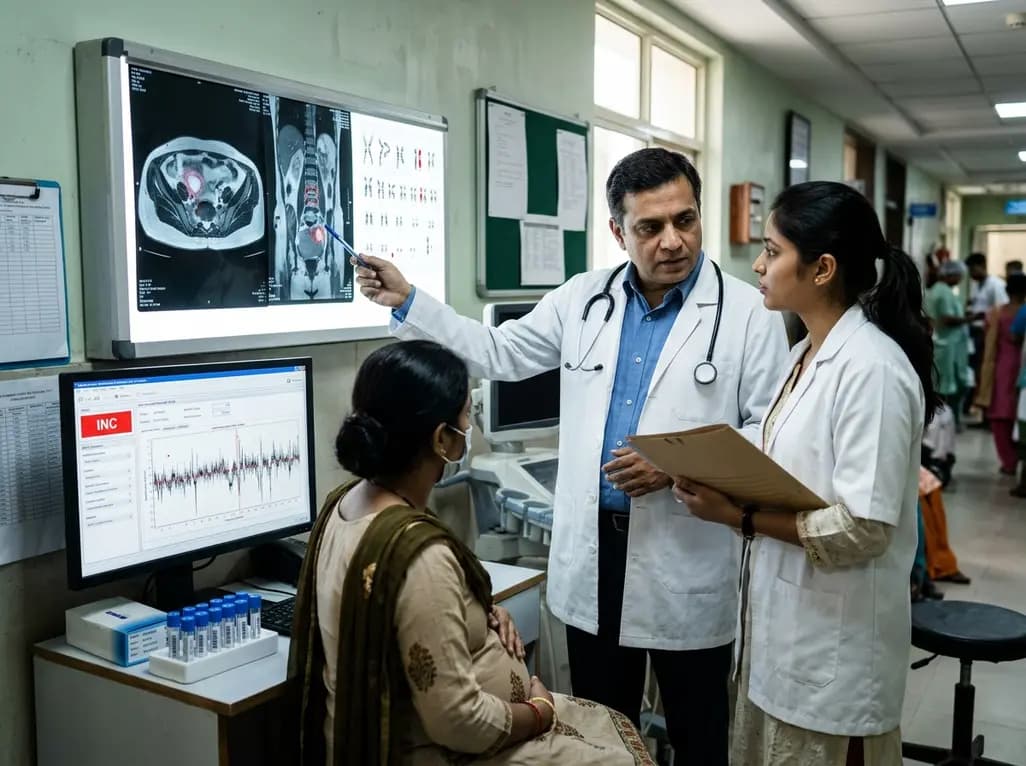
Occult maternal malignancy accounts for 3.82% of persistent unreportable NIPT results with genomic noise. Multiple chromosomal aberrations, notably on chromosome 18, warrant thorough oncological evaluation and whole-body MRI to ensure timely maternal diagnosis while preserving fetal care.
Today
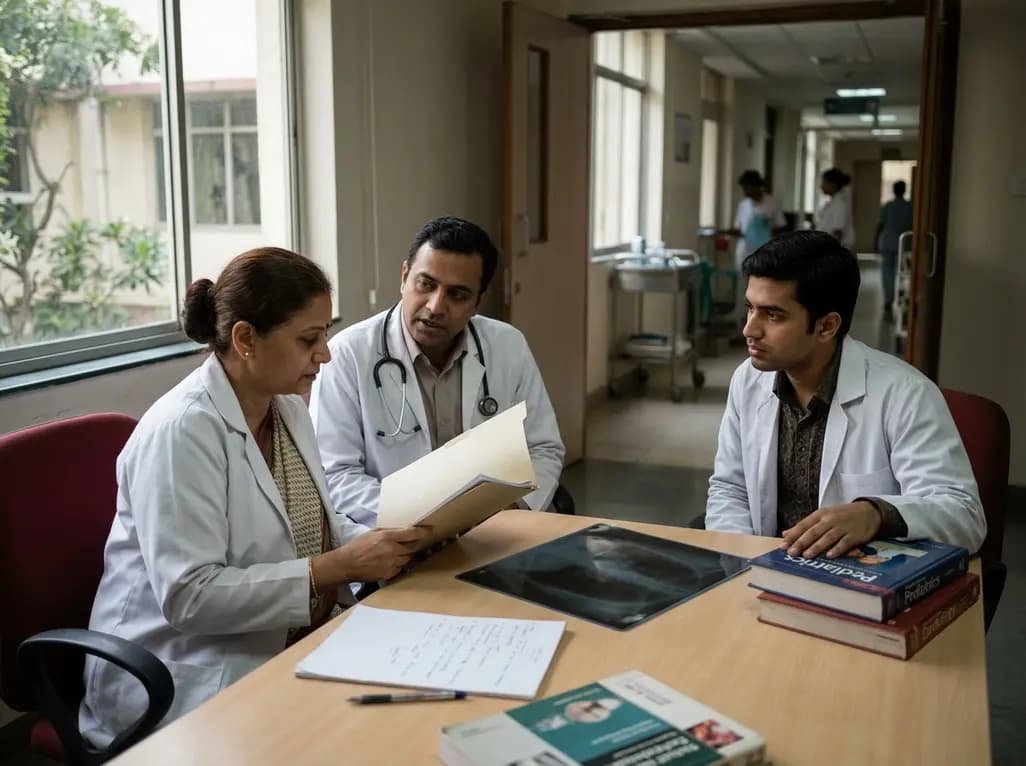
This article reviews the forensic and clinical complexities of acute myocarditis arising on left ventricular hypertrophy in children, highlighting early diagnostic red flags and multidisciplinary postmortem autopsy protocols.
Today

This comparative study evaluates posterior labral tears with and without glenohumeral instability, highlighting distinct demographic patterns, MRI underestimation in stable shoulders, and successful arthroscopic repair outcomes.
Yesterday

A clinical study demonstrates that early intervention with tocilizumab, either as monotherapy or bridged with corticosteroids, achieves significant proptosis reduction and resolves active inflammation in treatment-naive thyroid eye disease.
Yesterday
