.webp&w=384&q=75)

Loading, please wait...
Loading, please wait...
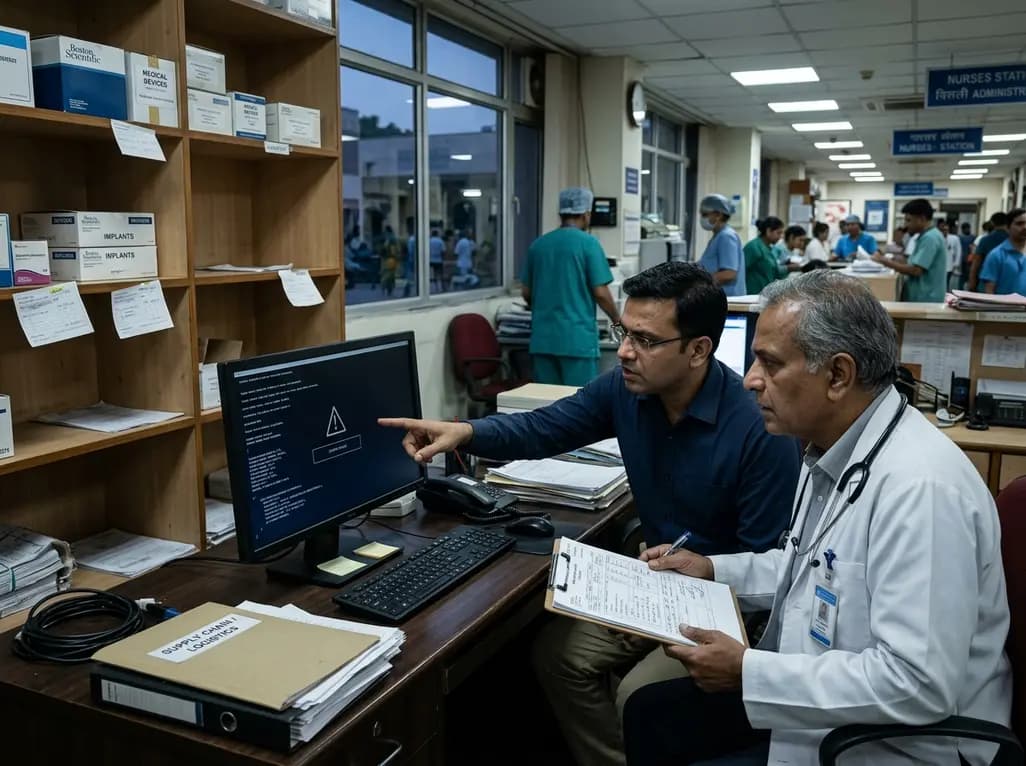
The recent Boston Scientific cyberattack has sent shockwaves through the global healthcare ecosystem, underscoring the delicate balance between digital infrastructure and clinical continuity. On August 25, 2026, Boston Scientific detected a sophisticated cybersecurity incident that quickly impaired core operational networks. Consequently, the breach forced the medical technology giant to curtail key enterprise applications, specifically disrupting customer order processing and shipment workflows across the globe. Although the company immediately activated incident response procedures and engaged external forensic specialists, the disruption illustrates how vulnerable modern medical device supply chains remain. Healthcare providers across multiple continents rely heavily on these distribution networks for essential diagnostic, therapeutic, and interventional hardware. Therefore, examining the clinical, operational, and regulatory ramifications of this event is essential for clinicians, department heads, and hospital administrators alike.
When internal security teams identified the Boston Scientific cyberattack on August 25, 2026, the corporation immediately initiated comprehensive containment protocols. The company engaged third-party cybersecurity specialists to investigate the intrusion and secure its affected digital infrastructure. Consequently, Boston Scientific submitted formal regulatory disclosures noting significant operational disruptions, particularly within commercial shipping and order fulfillment channels. Financial analysts projected that a prolonged recovery could impact quarterly revenue by hundreds of basis points, reflecting the scale of the outage. Furthermore, company representatives stated that restoration efforts began promptly across affected divisions. However, conducting thorough digital forensics and verifying system integrity across multinational networks requires considerable time and technical diligence. Fortunately, available reports indicate that the attack primarily compromised corporate IT environments rather than patient-facing connected devices or active therapeutic hardware. Nonetheless, halting automated order processing rapidly creates delivery backlogs that affect healthcare facilities globally. As security teams continue their containment work, this incident serves as a stark reminder of the escalating cyber risks facing medical device manufacturers.
Modern healthcare systems increasingly operate on lean inventory models to minimize holding costs and eliminate expired stock. Consequently, hospitals rarely maintain large reserves of specialized cardiovascular catheters, neurovascular implants, or advanced endoscopic tools. When a major manufacturer experiences an enterprise outage, shipment delays quickly ripple through regional distribution hubs to hospital receiving docks. In particular, this incident follows previous cyber disruptions at other leading medtech firms, including Stryker, Abbott Laboratories, and Medtronic. During prior events, resolving system interruptions took several weeks and created downstream inventory pressures for surgical centers. Therefore, logistics experts emphasize that even temporary pauses in distribution can strain just-in-time delivery schedules across healthcare systems. Furthermore, shipping freezes prevent field representatives from restocking emergency inventory used for unscheduled surgical procedures. Hospital materials management teams must subsequently spend valuable time identifying alternative vendors and verifying device interchangeability. In addition, administrative backlogs can complicate emergency procurement and increase shipping expenses. Ultimately, these vulnerabilities highlight the critical need for resilient, multi-tiered supply chain strategies across the healthcare industry.
A sudden disruption in device fulfillment poses immediate operational hurdles for interventional cardiology, endoscopy, and surgical departments. For instance, cardiac catheterization laboratories rely on continuous deliveries of coronary stents, rhythm management hardware, and structural heart solutions. When order fulfillment stalls, cath labs may face localized shortages of specific device sizes or dedicated delivery sheaths. Consequently, surgical teams might need to reschedule elective procedures or modify procedural strategies based on existing shelf inventory. Moreover, electrophysiology specialists require specialized mapping catheters and ablation tools that involve precise inventory management and continuous replenishment. Similarly, urology and gastrointestinal suites depend on single-use endoscopes, laser fibers, and retrieval baskets for routine therapeutic interventions. While emergency interventions remain prioritized, procurement delays inevitably increase administrative burdens on nursing coordinators and surgical staff. Furthermore, transitioning to alternative device platforms on short notice can disrupt established procedural workflows and operator familiarity. Therefore, clinical directors must maintain proactive communication with vendor representatives to monitor localized inventory and prevent unexpected procedural delays.
The rising frequency of cyberattacks against healthcare infrastructure represents an expanding threat to patient care delivery worldwide. Over recent years, cybercriminal organizations have increasingly targeted life sciences firms, pharmaceutical companies, and equipment suppliers. For example, previous breaches in the medical technology sector demonstrated that digital disruptions can effectively paralyze manufacturing and distribution pipelines. Consequently, regulatory authorities such as the United States Food and Drug Administration and international health bodies have introduced stricter cybersecurity mandates. These regulations require manufacturers to implement robust post-market surveillance, maintain comprehensive software bills of materials, and ensure prompt vulnerability disclosures. Additionally, national healthcare cybersecurity task forces now distribute real-time threat intelligence to assist hospitals in recognizing external supply chain risks. However, safeguarding complex global supply chains that span multiple manufacturing facilities remains a challenging endeavor. Furthermore, the integration of enterprise systems and cloud-based order portals provides malicious actors with additional attack vectors. Accordingly, device manufacturers must continuously update their defense architectures to protect critical healthcare operations.
To safeguard clinical services during vendor disruptions, healthcare organizations must implement robust supply chain contingency frameworks. First, hospital leadership should conduct routine audits of procurement pipelines to identify single-source consumables and critical medical devices. By establishing secondary vendor relationships for vital product lines, hospitals can quickly pivot during unexpected distribution failures. Second, departmental managers should maintain calibrated safety stock levels for essential emergency equipment, including pacemakers, vascular access kits, and hemostatic tools. Furthermore, clinical leadership and biomedical engineering teams should evaluate alternative devices in advance to confirm clinical equivalence. Third, healthcare facilities must develop standardized operational protocols that guide inventory rationing when supplies fall below established safety thresholds. Additionally, clinical teams should participate in periodic operational drills to practice managing hardware delays without compromising patient safety. Finally, health networks should maintain direct communication with regional distributor networks and hospital associations to coordinate device sharing during widespread outages.
Q1: What caused the operational disruption at Boston Scientific?
Boston Scientific detected a major cybersecurity incident on August 25, 2026, which impacted its internal information technology systems. The intrusion disrupted key operational networks and business applications, directly impairing the company's ability to process and ship customer orders globally. Boston Scientific immediately activated incident response protocols and engaged external cybersecurity specialists to contain the threat and restore normal operations.
Q2: Were patient-implanted devices or active clinical systems compromised?
Current regulatory disclosures indicate that the cyber incident primarily affected corporate enterprise IT systems and commercial shipping infrastructure. There is no evidence suggesting that implanted devices, therapeutic technologies, or patient data were compromised. However, external cybersecurity investigators continue to perform comprehensive digital forensic audits across all networks to verify the full scope and nature of the intrusion.
Q3: How can hospitals mitigate clinical risks during medical device supply disruptions?
Hospitals can mitigate supply risks by establishing dual-sourcing contracts for critical devices and maintaining adequate buffer stock for essential emergency procedures. Furthermore, clinical departments should identify equivalent alternative devices in advance, train staff on substitute equipment, and maintain active communication with procurement teams and vendor representatives to anticipate shipment delays and safeguard procedural continuity.
Disclaimer: This content is for informational and educational purposes only. It does not constitute medical advice or replace professional judgment. Refer to the latest local and national guidelines for clinical practice.
References

Read summarized clinical updates, watch expert medical content, and earn CME certifications right from your smartphone.
Open your smartphone camera to scan and install.





Medical device leader Boston Scientific experienced a widespread cybersecurity incident that disrupted order processing and global device supply chains. This analysis explores the immediate operational fallout, impacts on hospital inventories, and strategic lessons for healthcare procurement and risk mitigation.
last month

Red blood cell transfusion is critical in sickle cell disease management but brings significant immunological complexity, including alloimmunisation and iron overload. Extended RBC phenotyping and tailored protocols optimize clinical safety.
Today
Discover the crucial distinctions between mesonephric and mesonephric-like proliferations of the female genital tract. Learn the key histomorphologic, immunohistochemical, and molecular differences essential for accurate diagnosis and clinical management.
Today

A large UK Biobank study reveals that plasma proteomic signatures capture preclinical organ damage and improve multiorgan risk prediction across early CKM syndrome stages 0 to 2 beyond traditional PREVENT clinical models.
Today

A retrospective CBCT study reveals that superior TMJ space asymmetry correlates moderately with occipital condyle-atlas-axis asymmetry in unilateral TMJ osteoarthritis, highlighting an imaging correlate between jaw biomechanics and upper cervical alignment rather than a standalone diagnostic marker.
Today

A Bayesian multilevel meta-analysis reveals that aerobic training combined with moderate carbohydrate restriction modestly lowers HbA1c in type 2 diabetes. However, sparse data and very low certainty leave incremental benefits over exercise or diet alone unproven, highlighting the need for individualized care.
Today
