.webp&w=384&q=75)

Loading, please wait...
Loading, please wait...
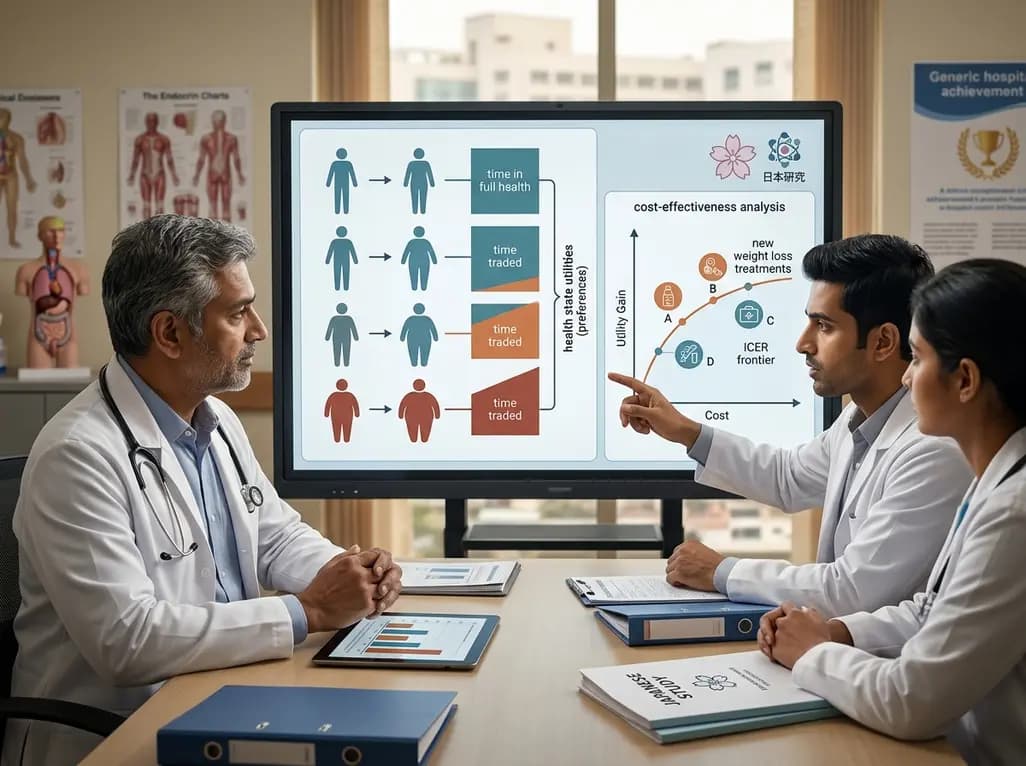
Obesity levels continue to rise globally. Therefore, it is essential to understand obesity health state utilities for accurate economic evaluations. Researchers in Japan conducted a time trade-off (TTO) study to determine how body mass index (BMI) affects quality of life. Specifically, they generated vignettes for various BMI categories starting from 25 kg/m². The results help reflect weight loss impacts in cost-effectiveness analyses for new obesity treatments. These findings provide a valuable baseline for general population preferences regarding high BMI health states. In India, clinicians increasingly view obesity as a chronic disease requiring standardized treatment guidelines. Furthermore, the ICMR-INDIAB study highlights a high prevalence of metabolic obesity among the Indian population. Therefore, measuring these utility scores allows health authorities to allocate resources effectively for weight management programs.
In addition to economic data, utility scores provide insights into patient preferences. For example, the time trade-off method asks participants how many years of life they would swap for perfect health. Consequently, these scores quantify the daily burden of living with high BMI. Similarly, this data supports the clinical shift toward holistic obesity management. In addition, practitioners can better advocate for early interventions that improve long-term health outcomes. Therefore, health state utility data remains a cornerstone of modern public health policy. Using these preferences ensures that healthcare systems prioritize treatments that provide the greatest improvement in quality of life.
Health state utilities represent the preferences of the general population for various health conditions. They help researchers calculate quality-adjusted life years (QALYs) in medical studies.
India faces a growing double burden of malnutrition and obesity. In addition, accurate utility data helps prioritize treatments in a resource-limited healthcare setting.
Disclaimer: This content is for informational and educational purposes only and does not constitute medical advice, diagnosis, or treatment. Always seek the advice of a physician or other qualified health provider with any questions regarding a medical condition. Refer to the latest local and national guidelines for clinical practice.
References
1. Tanaka T et al. Impact of high body mass index on health state utilities: a time trade-off study in the general population of Japan. J Med Econ. 2026 Dec undefined. doi: 10.1080/13696998.2026.2684844. PMID: 42273840.
2. Anjana RM, et al. High prevalence of metabolic obesity in India: The ICMR-INDIAB national study (ICMR-INDIAB-23). Indian J Med Res. 2025.

Read summarized clinical updates, watch expert medical content, and earn CME certifications right from your smartphone.
Open your smartphone camera to scan and install.





This Japanese time trade-off (TTO) study estimates health state utilities for patients with obesity. By categorizing BMI levels, researchers provide data essential for cost-effectiveness analyses of new weight loss treatments, highlighting the significant impact of BMI on health preferences.
4 months ago

Failing to account for competing events like mortality in longitudinal geriatric studies produces biased risk estimates and misleading inferences. This review highlights key methodological principles, insights from the Precipitating Events Project, and practical approaches for clinical research appraisal.
Today
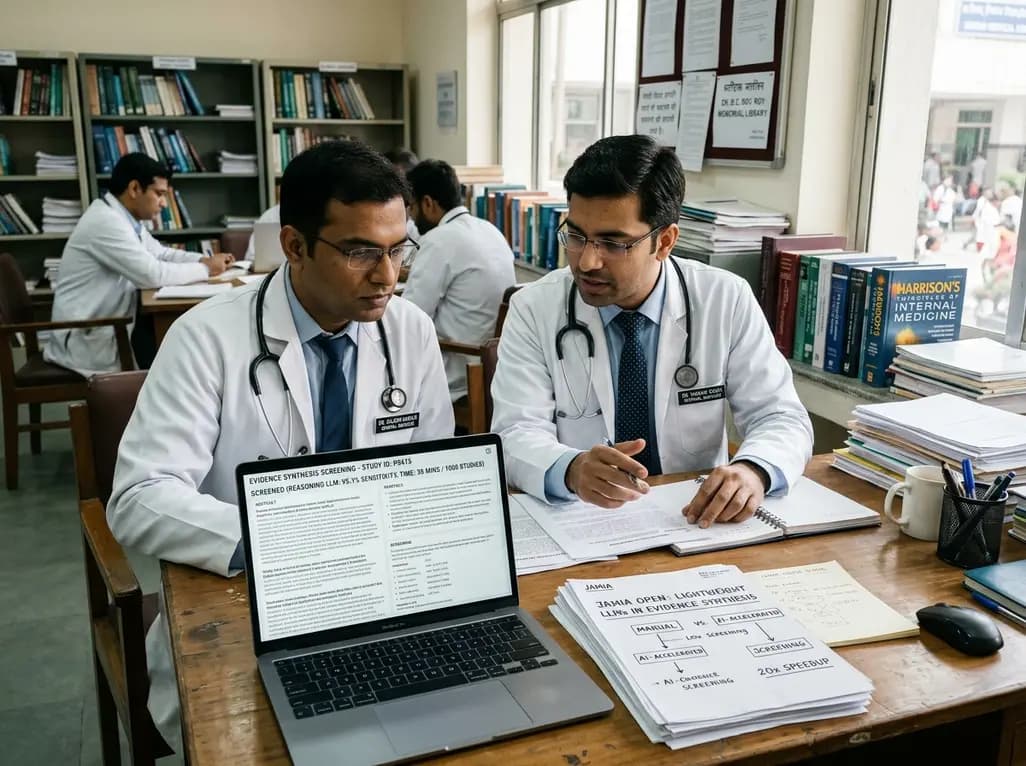
A study in JAMIA Open shows lightweight open-source reasoning LLMs achieve up to 95% sensitivity and accelerate evidence synthesis screening by nearly twentyfold, presenting a cost-effective, scalable AI solution for biomedical research and systematic reviews.
Today
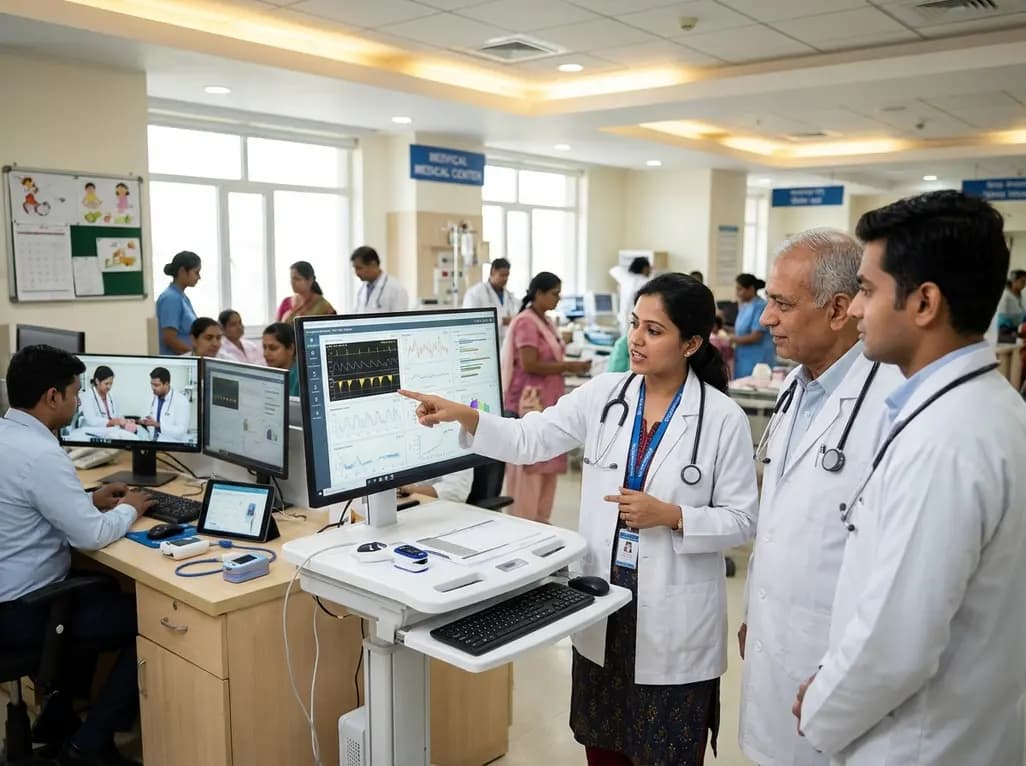
A landmark study details how an enterprise pediatric remote patient management model expanded from a single cardiology pilot to 16 diverse specialty programs by combining centralized digital operations with specialty clinical leadership.
Today
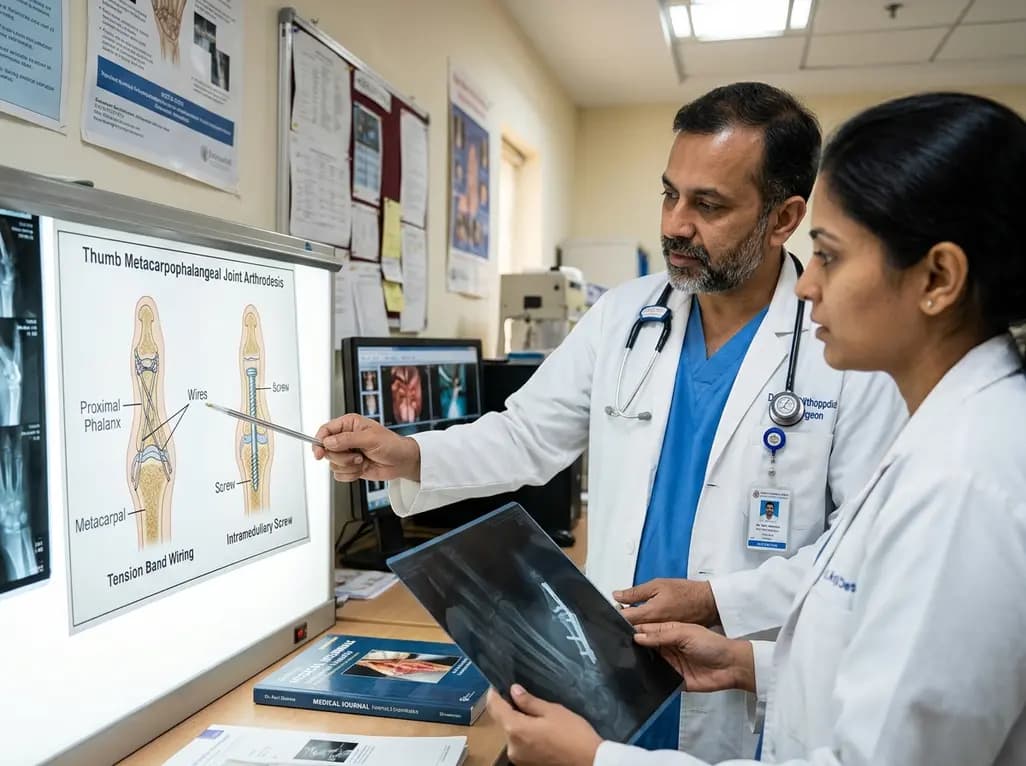
A comparative review of tension band wiring and intramedullary screw fixation in thumb metacarpophalangeal arthrodesis, evaluating union rates, hardware complications, and clinical outcomes.
Yesterday
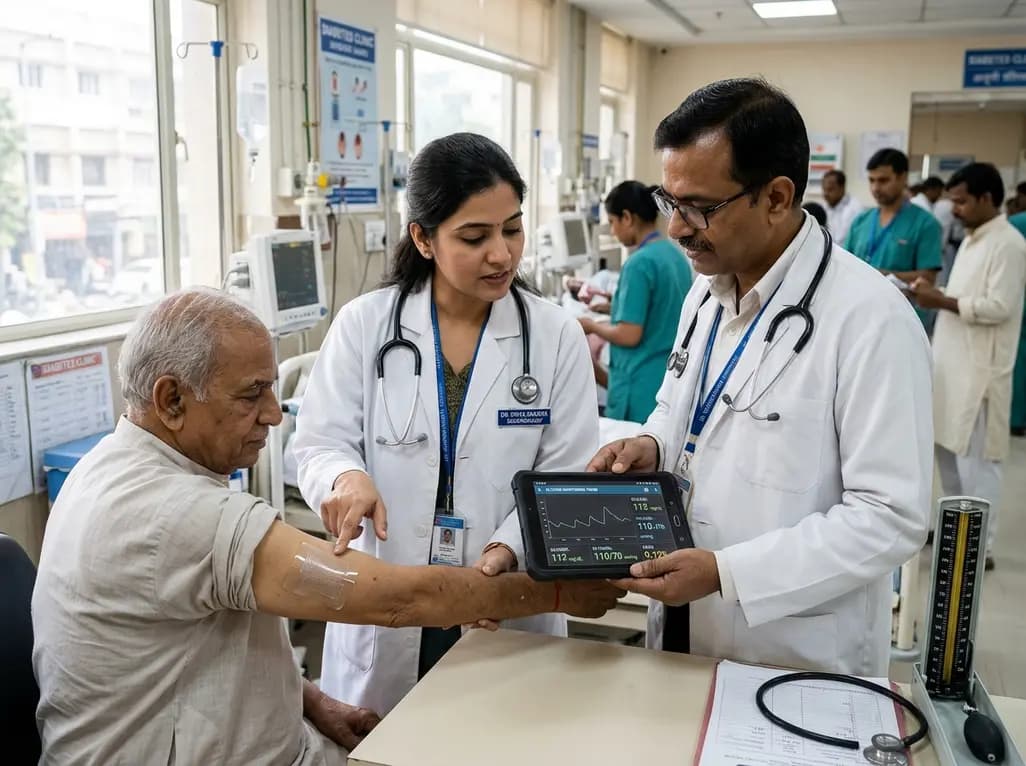
A breakthrough ultrathin multimodal sensor decouples physical hemodynamic monitoring from disposable electrochemical calibration, achieving long-term wearable glucose prediction with 81.36% accuracy and a 9.12% MARD. This offers a robust, drift-free solution for outpatient metabolic surveillance.
Today
