.webp&w=384&q=75)

Loading, please wait...
Loading, please wait...

Modern dental education is undergoing a significant transformation through the integration of digital tools. Blended learning in dentistry has emerged as a powerful model that combines online theory with intensive hands-on clinical training. A landmark 15-year study from the University of Freiburg reveals how this approach successfully sustains long-term postgraduate programs in periodontology and implant therapy.
The Freiburg study identified several critical components for educational longevity. Specifically, personalized support and a flexible structure allowed diverse groups of practitioners to participate. This includes full-time professionals, self-employed dentists, and those with family responsibilities. Furthermore, students from rural areas benefited from reduced travel requirements while maintaining high educational standards.
The model’s effectiveness lies in its multiperspective approach. By addressing technical, pedagogical, and sociodemographic needs, the program ensures a high completion rate. Moreover, the integration of online modules allows learners to progress at their own pace before attending in-person phases for clinical skill development.
Beyond accessibility, blended learning in dentistry drives impressive academic results. The reviewed program produced 96 master's theses and 24 scientific publications with a notable median Journal Impact Factor of 2.85. Consequently, this demonstrates that flexible learning models do not compromise scientific rigor. Instead, they provide a platform for clinicians to contribute meaningfully to the dental literature.
Transitioning to this hybrid model requires coordinated personal support. Students often highlight the importance of mentorship during both the digital and physical phases of the curriculum. Therefore, future dental initiatives should prioritize robust technical infrastructure alongside expert human guidance.
Blended learning offers flexibility for working professionals, increased accessibility for rural practitioners, and personalized learning paths. It effectively balances theoretical online instruction with essential hands-on clinical training.
While theoretical knowledge is well-suited for online delivery, clinical skills require in-person phases. Blended models use online resources to prepare students for intensive face-to-face sessions where they practice on phantom heads or live patients.
Disclaimer: This content is for informational and educational purposes only. It is not intended as medical advice or a substitute for professional clinical judgment. Refer to the latest local and national guidelines for clinical practice.
References
1. Ratka-Krüger P et al. A 15-Year Case Study of the Structures and Outcomes in a Blended Learning Postgraduate Master Programme for Periodontology and Implant Therapy. Eur J Dent Educ. 2026 Feb 21. doi: 10.1111/eje.70091. PMID: 41721640.
2. Khan KB. Blended learning in dental science education: a review. Era's J Med Res. 2024;11(2).
3. Saigal S, et al. Feasibility of online learning among Indian students of dentistry during the CoVid-19 outbreak. Bioinformation. 2024 Apr 30;20(4):362-367.

Read summarized clinical updates, watch expert medical content, and earn CME certifications right from your smartphone.
Open your smartphone camera to scan and install.





A 15-year case study highlights how blended learning in dentistry supports flexible, high-quality postgraduate education for periodontology and implant ther...
8 months ago
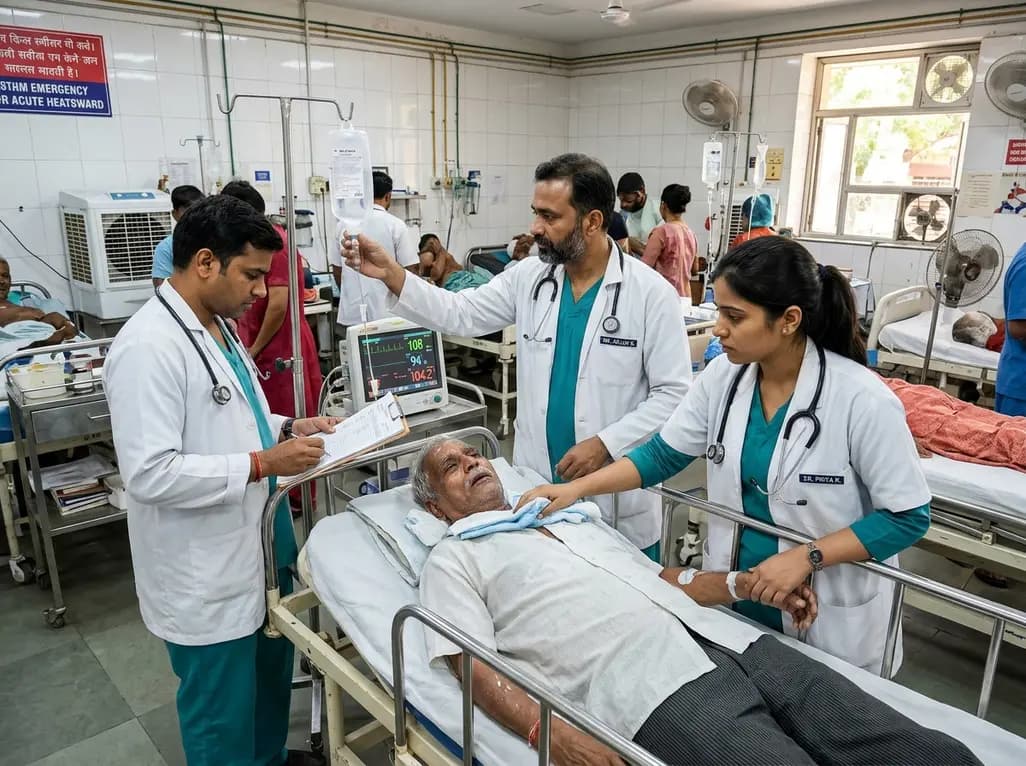
Recent epidemiological data reveals a dramatic surge in summer heat mortality driven by human-induced climate warming. This analysis explores the pathophysiological impacts on cardiac and renal systems, diagnostic dilemmas in death certification, and essential emergency cooling protocols for acute clinical care.
Today
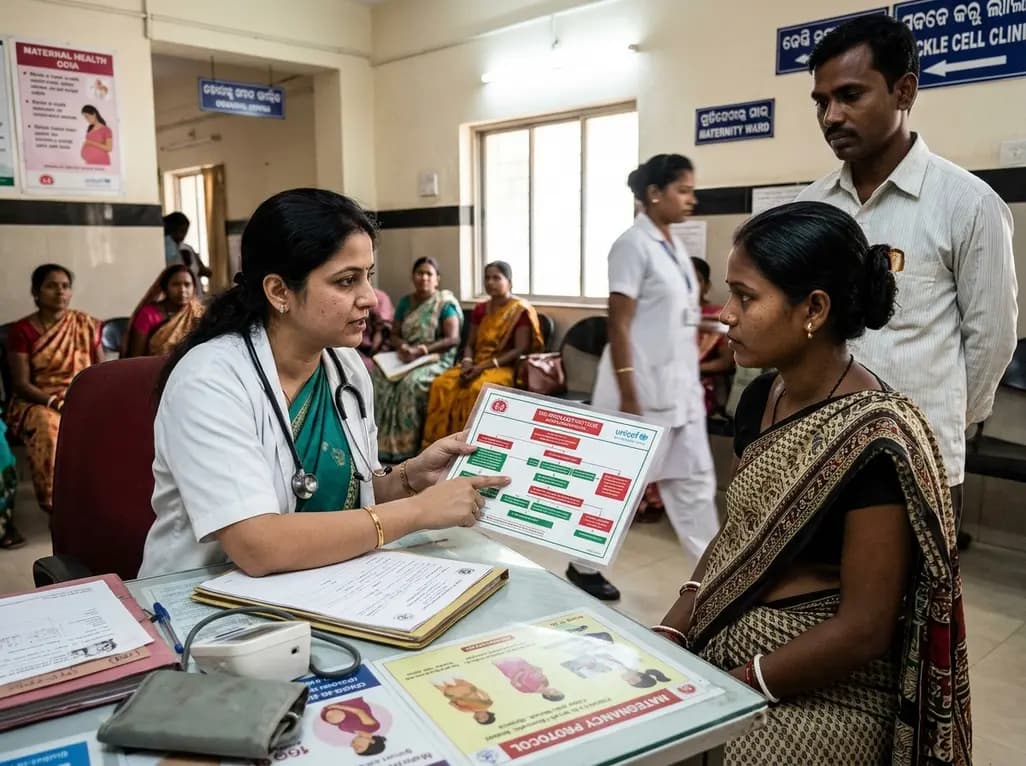
Odisha has established India's first state-level clinical protocol specifically tailored for pregnant women with sickle cell disease. Developed with NHM and UNICEF, the framework provides structured antenatal screening, crisis mitigation, standardized referral pathways, and specialized interdisciplinary care.
Today

India is advancing preventive healthcare by integrating genomics, artificial intelligence, and quantum technologies. With the SANGAM programme sequencing one million Indian genomes, clinicians can unlock personalized therapies, detect cardiometabolic risks early, and curb the burden of diabetes and heart disease.
Today
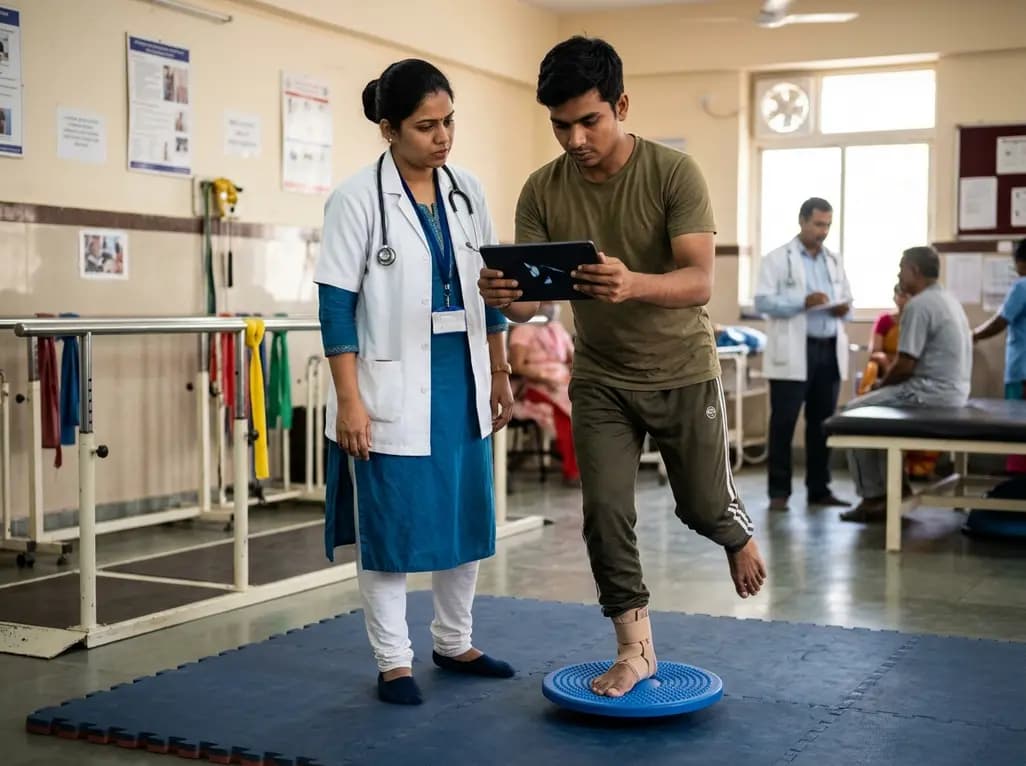
A randomized controlled trial demonstrates that an eight-week dual-task training intervention significantly improves static and dynamic postural control over standard balance exercises in individuals with chronic ankle instability, addressing critical neurocognitive deficits during athletic and daily activities.
Today

A retrospective cohort study of 7,716 ICU patients from the MIMIC-IV database demonstrates that Gradient Boosting Decision Trees significantly outperform traditional SOFA scores in predicting in-hospital mortality among patients with sepsis and diabetes, with SHAP analysis providing clinical interpretability.
Today
