.webp&w=384&q=75)

Loading, please wait...
Loading, please wait...
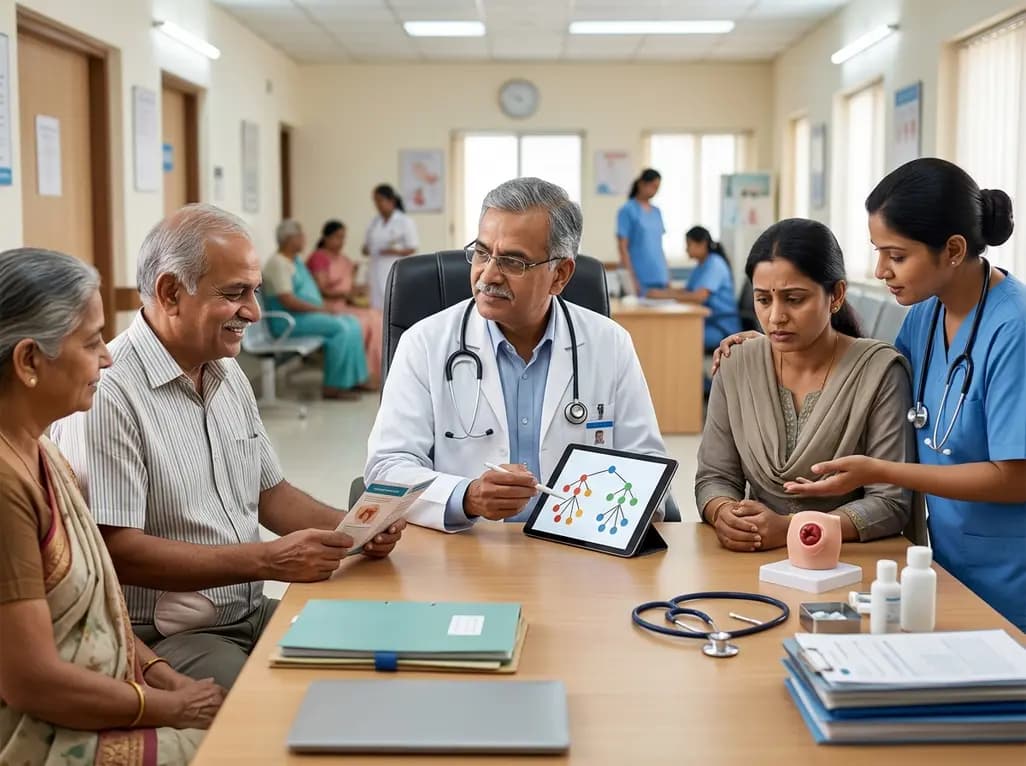
Bladder cancer represents a significant health challenge in India, frequently necessitating radical cystectomy followed by the creation of an abdominal wall stoma. While these surgical interventions are life-saving, they fundamentally alter a patient's physical and psychological landscape. Consequently, understanding Bladder cancer stoma HRQoL (Health-Related Quality of Life) has become essential for modern oncology teams. Patients must navigate not only the physiological changes of urinary diversion but also the profound social and emotional adjustments required for long-term stoma management. Specifically, the impact of a permanent stoma can range from minor inconvenience to severe psychological distress. Furthermore, clinicians often observe that patients do not experience these changes uniformly. Instead, significant heterogeneity exists in how individuals adapt to their postoperative reality. Therefore, identifying specific patient subgroups and the factors that influence their recovery is critical for providing personalized care. Recent research using sophisticated statistical methods like latent profile analysis has begun to shed light on these diverse patient experiences, offering a roadmap for more effective clinical interventions.
Researchers recently utilized latent profile analysis to identify distinct subgroups among bladder cancer patients living with abdominal wall stomas. This approach allows for a more nuanced understanding than traditional averages by grouping patients who share similar response patterns. Notably, the study categorized 598 patients into three primary subgroups: the Balanced high-quality type, the Unbalanced type, and the Low-level type. The Balanced high-quality group comprised the majority, showing relatively high scores across physical, social, and psychological domains. In contrast, the Unbalanced group demonstrated specific deficits, often excelling in one area while struggling significantly in another. Finally, the Low-level type represented patients with consistently poor outcomes across all metrics. This classification highlights that a 'one-size-fits-all' approach to postoperative support is insufficient. Moreover, these profiles emphasize that clinical success extends beyond surgical survival to include holistic wellbeing. By recognizing these patterns, urologists and oncology nurses can prioritize resources for those in the Low-level and Unbalanced groups who are at the highest risk for poor long-term adjustment and decreased survival quality.
Clinical characteristics play a pivotal role in determining which quality-of-life profile a patient will likely enter. Interestingly, younger age was identified as a significant risk factor for belonging to poorer health-status profiles. This phenomenon often occurs because younger patients may perceive the stoma as a greater threat to their body image, career, and social lifestyle compared to older individuals. Additionally, the presence of postoperative complications remains a major barrier to high-quality recovery. Complications often lead to frequent hospital readmissions and increased physical pain, which directly degrade psychological resilience. Specifically, peristomal skin issues or stomal stenosis can cause persistent anxiety regarding appliance leakage and odor. Furthermore, patients with limited physical mobility find it more challenging to manage the technical aspects of stoma care, leading to a cycle of dependence and frustration. Therefore, clinicians must closely monitor younger patients and those with high comorbidity scores. By implementing early psychological screening and aggressive complication management, healthcare providers can help shift patients toward more favorable health profiles and improve their overall trajectory.
Socioeconomic factors significantly influence Bladder cancer stoma HRQoL, particularly in the context of healthcare systems like India's, where out-of-pocket expenditure is common. The study identified that lower monthly household income and high out-of-pocket medical payments are strongly associated with poor HRQoL profiles. Financial toxicity is a well-documented phenomenon in oncology, where the cost of surgery, chemotherapy, and ongoing stoma supplies places an immense burden on the family unit. Consequently, patients facing economic hardship may attempt to reuse disposable stoma bags or avoid purchasing necessary skin barriers, leading to increased complications. Moreover, the stress of medical debt can exacerbate existing psychological conditions, creating a barrier to social reintegration. In India, where insurance coverage is still expanding, these findings underscore the need for better financial counseling and social support programs. Specifically, connecting patients with government schemes or hospital-based assistance programs is vital. Addressing these economic disparities is not just a matter of social justice; it is a clinical necessity for ensuring that all patients have the resources required for a successful recovery.
A patient's ability to manage their stoma independently is one of the strongest predictors of a high-quality health profile. Specifically, limited stoma self-care ability was consistently linked to the Low-level HRQoL subgroup. When a patient lacks confidence in changing their appliance or caring for the peristomal skin, they often retreat from social activities and experience heightened anxiety. Therefore, educational interventions must begin in the preoperative phase and continue long after discharge. Furthermore, the role of specialized stoma nurses is indispensable in this process. These professionals provide hands-on training that empowers patients to regain control over their daily lives. Moreover, self-care education should be tailored to the individual's cognitive ability and physical dexterity. For instance, elderly patients may benefit from simplified techniques or the involvement of a primary caregiver. Consequently, improving self-care confidence not only enhances physical outcomes but also boosts the patient's psychological sense of agency. By investing in comprehensive education, healthcare systems can significantly reduce the risk of long-term disability and social isolation in the bladder cancer population.
The heterogeneity of patient-reported outcomes necessitates a shift toward multidisciplinary, targeted support strategies. Clinicians should prioritize vulnerable populations, including those with socioeconomic disadvantages, insufficient self-care skills, and complex surgical histories. Specifically, urologists, oncologists, nurses, and social workers must collaborate to create personalized care plans. For example, a patient in the Unbalanced profile may require intensive psychological counseling even if their physical recovery is progressing well. Conversely, a patient in the Low-level group might need a combination of financial aid, technical training, and social reintegration programs. Furthermore, the integration of digital health tools and support groups can provide ongoing assistance to those in remote areas. Notably, peer support from fellow stoma patients can offer unique emotional validation that professional staff cannot replicate. Ultimately, the goal is to provide a safety net that catches patients before they fall into poor health-status profiles. By focusing on the specific needs of each latent group, the medical community can ensure that every bladder cancer survivor achieves the highest possible quality of life.
The research identifies three distinct subgroups: Balanced high-quality, Unbalanced, and Low-level types. The Balanced group shows strong performance across all health domains, while the Unbalanced group may struggle specifically in one area, such as social or psychological adjustment. The Low-level group includes patients experiencing poor outcomes across all physical, social, and emotional metrics, requiring the most intensive multidisciplinary support to improve their daily functioning and overall health trajectory.
Younger patients frequently experience lower quality of life scores because the stoma presents a more significant disruption to their life stage. They often face greater challenges regarding body image, sexual health, and career stability compared to older populations. Additionally, the social stigma associated with a stoma can feel more acute for younger individuals who are active in the workforce or dating, leading to increased psychological distress and difficulty in social reintegration.
Providers can mitigate financial toxicity by identifying patients at risk of socioeconomic disadvantage and connecting them with government-funded schemes like AB-PMJAY. Furthermore, hospitals should provide transparent cost estimates and offer access to social workers who can assist with insurance claims or financial aid. Encouraging the use of cost-effective, high-quality local stoma supplies and providing comprehensive self-care education can also prevent expensive complications and readmissions, ultimately reducing the long-term economic burden on the patient.
Disclaimer: This content is for informational and educational purposes only and does not constitute medical advice, diagnosis, or treatment. Always seek the advice of your physician or other qualified health provider with any questions you may have regarding a medical condition. Refer to the latest local and national guidelines for clinical practice.
References
Ren J et al. Latent profile analysis of health-related quality of life in patients with bladder cancer and abdominal wall stomas: a multicenter cross-sectional study. BMC Urol. 2026 Jul 13. doi: 10.1186/s12894-026-02253-8. PMID: 42443879.
Indian Council of Medical Research (ICMR). Consensus Document for Management of Urinary Bladder Cancer. 2022.
National Health Authority (India). Ayushman Bharat PM-JAY Oncology Guidelines and Treatment Packages. 2024.

Read summarized clinical updates, watch expert medical content, and earn CME certifications right from your smartphone.
Open your smartphone camera to scan and install.





This study uses latent profile analysis to categorize health-related quality of life (HRQoL) in bladder cancer patients with abdominal wall stomas, highlighting the impact of socioeconomic status and self-care on recovery outcomes.
3 months ago

Explore why official drug package inserts fail to reflect modern evidence for clozapine prescribing. Learn how legal standards of care, case law, slow titration, and vital adverse event monitoring empower clinicians to prioritize evidence-based medical practice over outdated manufacturer labeling.
Today
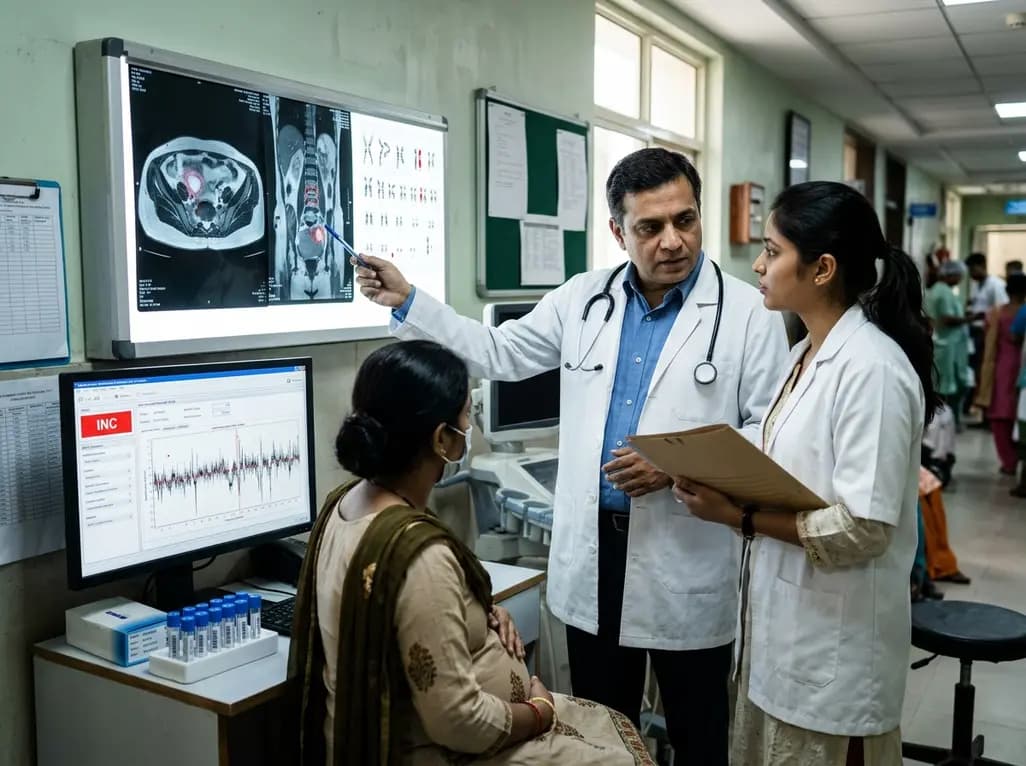
Occult maternal malignancy accounts for 3.82% of persistent unreportable NIPT results with genomic noise. Multiple chromosomal aberrations, notably on chromosome 18, warrant thorough oncological evaluation and whole-body MRI to ensure timely maternal diagnosis while preserving fetal care.
Today
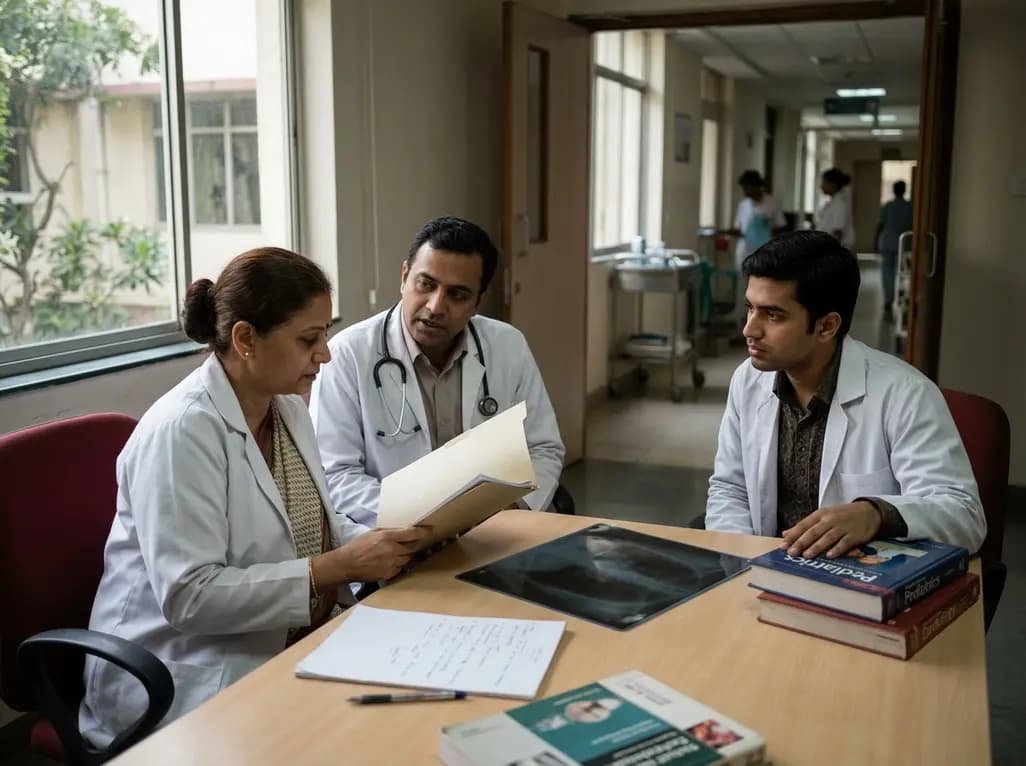
This article reviews the forensic and clinical complexities of acute myocarditis arising on left ventricular hypertrophy in children, highlighting early diagnostic red flags and multidisciplinary postmortem autopsy protocols.
Today
A randomized controlled trial demonstrates that an eight-week dual-task training intervention significantly improves static and dynamic postural control over standard balance exercises in individuals with chronic ankle instability, addressing critical neurocognitive deficits during athletic and daily activities.
Today

A retrospective cohort study of 7,716 ICU patients from the MIMIC-IV database demonstrates that Gradient Boosting Decision Trees significantly outperform traditional SOFA scores in predicting in-hospital mortality among patients with sepsis and diabetes, with SHAP analysis providing clinical interpretability.
Today
