.webp&w=384&q=75)

Loading, please wait...
Loading, please wait...
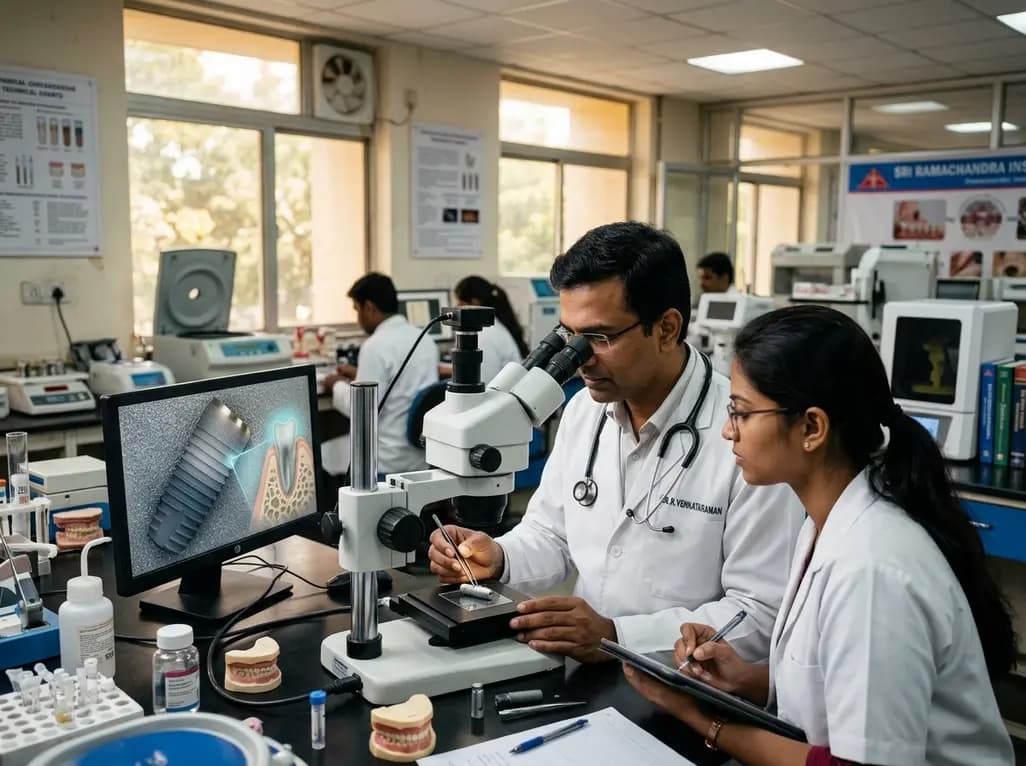
Integrating a advanced biomimetic dental implant coating represents a major milestone in oral rehabilitation, addressing the key causes of implant failure. Aseptic loosening and peri-implant infections present continuous clinical challenges, frequently compromising treatment longevity. Traditional smooth or textured titanium surfaces rely solely on passive osseointegration, which often fails when confronted with bacterial invasion or systemic healing impairments. To overcome these clinical obstacles, researchers developed a multi-functional programmed surface designated as Ti@Mo-m/Q. This sophisticated coating combines a molybdenum-doped porous ceramic framework with active biochemical layers to coordinate healing sequentially. By synchronizing light-responsive therapeutic delivery with natural tissue repair stages, the platform active guides host biological responses. Clinicians frequently encounter compromised healing environments where uncontrolled inflammation or early microbial colonization leads to irreversible bone loss. Consequently, implementing surface architectures that dynamic interact with surrounding tissues is becoming essential. The Ti@Mo-m/Q design strategically aligns therapeutic activation with physiological bone regeneration stages. This strategy promises to elevate clinical success rates by simultaneously mitigating immune dysfunction, combating pathogenic biofilms, and accelerating matrix mineralization.
The initial post-implantation phase significantly dictates long-term survival, as acute inflammatory signals dictate subepithelial and alveolar tissue recovery. During this baseline stage, the outermost quercetin layer of the biomimetic coating exerts precise immunomodulatory control. When exposed to mild near-infrared light, the surface releases quercetin to promote M2 macrophage polarization through the FoxO and NF-κB signaling pathways. Uncontrolled post-surgical tissue reactions typically skew local immune cells toward a pro-inflammatory M1 phenotype, triggering tissue destruction and premature bone resorption. By encouraging transition to an anti-inflammatory M2 macrophage phenotype, the surface creates a regenerative immune microenvironment. Simultaneously, this initial layer controls early antibiotic release, preventing drug wastage while soothing local tissue trauma. Transitioning from acute inflammation to tissue repair requires harmonious communication between immune cells and skeletal progenitors. Sustained flavonoid release lowers oxidative stress and reduces pro-inflammatory cytokine secretion within the peri-implant crevice. As a result, early osteoblast attachment occurs smoothly without immunogenic interference. This controlled immunomodulatory phase establishes a healthy biological foundation, enabling subsequent antibacterial and osteogenic functions to operate effectively.
Infection control remains paramount for preventing peri-implantitis and achieving predictable restorative outcomes. Beneath the immunomodulatory outer layer, the intermediate coating acts as an intelligent near-infrared-responsive antibiotic reservoir. Upon non-invasive light activation, this intermediate layer provides localized, on-demand release of therapeutic microbicidal compounds. Rigorous laboratory testing confirms a 99 percent bactericidal efficacy against primary oral pathogens, including Staphylococcus aureus, Escherichia coli, and Porphyromonas gingivalis. Pathogenic microorganisms quickly colonize standard implant surfaces, producing resilient biofilms that shield bacteria from host immunity and systemic antibiotics. However, the light-triggered release mechanism delivers concentrated local drug doses precisely when bacterial challenge occurs, avoiding unnecessary antibiotic exposure. Furthermore, light-responsive activation gives clinicians non-invasive control over infection management during postoperative appointments. Suppressing microbial colonization during critical healing windows shields fragile peri-implant attachment from destructive endotoxins. Eliminating microbial interference early in the healing cascade prevents peri-implant mucositis and subsequent crestal bone loss. Therefore, this smart reservoir significantly enhances microbial defense while supporting prudent antibiotic stewardship.
Achieving structural integration requires rapid matrix mineralization and continuous bone contact directly at the implant interface. The innermost layer of the Ti@Mo-m/Q platform features a molybdenum-doped biomimetic ceramic film designed specifically to accelerate osteogenesis. Molybdenum ions released from the ceramic matrix stimulate intracellular signaling cascades that direct mesenchymal stem cells toward osteogenic differentiation. Additionally, the underlying Ti@Mo layer retains near-infrared-responsive antibacterial capability, maintaining continuous protection against late-stage infectious threats. As osteoblasts deposit new mineralized matrix into the porous ceramic architecture, mechanical interlocking strengthens significantly over time. Higher bone-to-implant contact ensures superior resistance against occlusal forces once functional prosthetics are loaded. Furthermore, sustained osteoinductive signaling provided by the molybdenum dopant supports ongoing trabecular remodeling around the fixture. Clinical success relies on establishing an uninterrupted interfacial bond capable of enduring long-term biomechanical stress. Merging osteoinductive signaling with underlying antimicrobial defense converts traditional passive integration into a dynamic, highly coordinated physiological process.
Translating multi-layered biomimetic dental implant coating concepts into clinical practice offers promising solutions for complex patient cases. Aseptic loosening and infectious bone destruction complicate procedures in compromised demographic groups, including individuals with uncontrolled diabetes or osteoporosis. Traditional implant surfaces lack adaptability to evolving biological needs during healing, leading to higher failure rates in compromised hosts. In contrast, programmed surface engineering provides targeted interventions aligned with natural tissue repair stages. The sequential execution of anti-inflammatory, antibacterial, and osteogenic functions effectively addresses conflicting microenvironmental demands. Furthermore, non-invasive light stimulation provides practitioners with external control to fine-tune therapeutic delivery during follow-up visits. Incorporating intelligent biomaterials into routine restorative workflows could reduce the need for invasive revision surgeries or complex bone grafting procedures. While experimental findings demonstrate robust preclinical efficacy, standardized human clinical trials remain necessary to confirm long-term safety and protocol optimization. As precision manufacturing techniques evolve, biomimetic platforms are poised to redefine success standards in oral rehabilitation.
Intelligent surface engineering represents the next frontier in oral implantology and orthopedic biomaterials. Combining light-responsive materials, natural bioactive compounds, and functional inorganic ions creates a versatile template for advanced medical devices. Future research will likely refine external trigger mechanisms and expand multi-layer coating applications to complex bone defect reconstruction. Customizing surface release kinetics according to patient-specific biomarker profiles could soon enable personalized implant therapies. As practitioners seek methods that accelerate healing times while maximizing implant survival, active biomimetic coatings offer a compelling pathway forward. Addressing the root biological causes of implant failure directly at the tissue interface significantly improves clinical predictability. Continued interdisciplinary collaboration between materials scientists, molecular biologists, and dental clinicians will accelerate the transition of these technologies into commercial practice. Ultimately, programmed surface platforms mark a paradigm shift from passive structural supports to dynamic biological facilitators of tissue regeneration.
The Ti@Mo-m/Q coating features a multi-layered design that sequentially addresses early tissue inflammation, peri-implant bacterial infection, and long-term bone loss. Unlike conventional passive titanium implants, this surface utilizes near-infrared light to stimulate anti-inflammatory quercetin release and trigger on-demand antibiotic delivery. Finally, its inner molybdenum-doped ceramic layer actively enhances osteoblast activity and matrix mineralization, providing a synchronized biological approach to implant stability.
Near-infrared irradiation acts as a non-invasive external stimulus that selectively interacts with light-responsive elements embedded within the implant coating. Applied externally by clinicians during routine postoperative follow-up visits, light energy stimulates the outer layer to regulate therapeutic quercetin release for immune modulation. Additionally, it triggers the intermediate antibiotic reservoir to eliminate target oral pathogens rapidly without requiring systemic drug administration.
Early post-implantation stages frequently trigger excessive pro-inflammatory M1 macrophage responses, which exacerbate localized tissue trauma and disrupt early healing cascades. By actively promoting anti-inflammatory M2 macrophage polarization, immunomodulatory coatings calm the peri-implant microenvironment, decrease harmful oxidative stress, and upregulate osteogenic growth factors. This favorable immunological landscape accelerates healthy bone cell recruitment and creates an optimal foundation for long-term osseointegration.
Disclaimer: This content is for informational and educational purposes only. It does not constitute medical advice or substitute for professional clinical judgment. Refer to the latest local and national guidelines for clinical practice.
References
Yu C et al. Biomimetic Dental Implant With Programmed Surface Platform for Enhanced Interfacial Osseointegration via Sequentially Regulating Bone Regeneration With Switchable Immunomodulatory and Antibacterial Properties. Small. 2026 Aug 11. doi: 10.1002/smll.75054. PMID: 42576816.

Read summarized clinical updates, watch expert medical content, and earn CME certifications right from your smartphone.
Open your smartphone camera to scan and install.





A novel biomimetic dental implant coating, Ti@Mo-m/Q, sequentially coordinates bone regeneration using switchable immunomodulatory, light-responsive antibacterial, and osteogenic properties to overcome aseptic loosening and peri-implant infection.
last month

A review examines how vagal neuroimmune circuits link the brain and immune system, sensing cytokine surges and dampening peripheral inflammation. Bioelectronic medicine harnesses these pathways to provide targeted, non-pharmacological therapies for chronic inflammatory and autoimmune diseases.
Today

Explore the crucial link between dietary protein and immunocompetence. This review examines how low-protein nutrition shifts metabolic resources away from pathogen defense toward early reproduction, compromising host survival and immunity against severe bacterial infections.
Today

A post hoc analysis of the PARM-T2D study shows pemafibrate exerts baseline-dependent effects on LDL-C and particle size in type 2 diabetes and hypertriglyceridemia. It lowers triglycerides and remnants while favorably remodeling atherogenic LDL particles based on initial lipid control status.
Today
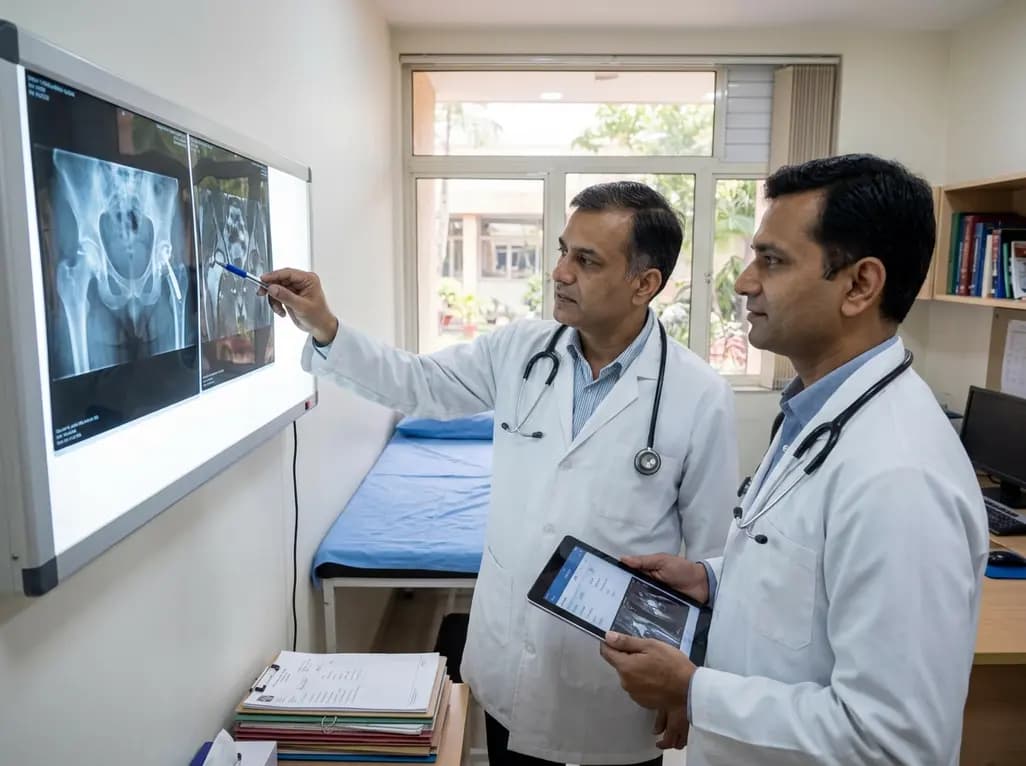
A longitudinal study reveals that patients undergoing staged bilateral hip arthroscopy experience progressive contralateral labral deterioration during surgical intervals. However, structural degradation does not compromise 2-year postoperative clinical outcomes or patient-reported satisfaction scores.
Today

New immunological research reveals how PTPN22 forms a delayed inhibitory signaling complex to restrain T cell activation, explaining how the autoimmune-linked R620W variant disrupts feedback control and promotes persistent inflammation in conditions like rheumatoid arthritis and type 1 diabetes.
Today
