.webp&w=384&q=75)

Loading, please wait...
Loading, please wait...

Oral cavity squamous cell carcinoma represents a significant global health burden, requiring extensive surgical resections and complex reconstructive procedures. Surgical interventions for head and neck malignancies often carry substantial risks of postoperative complications, delayed tissue healing, and extended hospitalization. Consequently, clinicians continuously seek reliable objective metrics to identify high-risk individuals prior to operative intervention. Recent clinical research highlights the utility of routine blood-derived prolonged hospital stay biomarkers to evaluate systemic host status alongside tumor complexity. By analyzing baseline inflammatory and nutritional indices, surgical teams can better anticipate clinical trajectories and optimize perioperative care protocols. Systemic inflammation and malnutrition frequently interact to impair host immunity, suppress wound repair, and increase susceptibility to nosocomial infections. Therefore, establishing validated prognostic thresholds offers a practical approach to stratifying surgical risk. Utilizing standard perioperative laboratory panels allows clinicians to identify vulnerable patients without incurring additional healthcare costs. Ultimately, integrating host-related biological parameters into preoperative decision-making enables personalized surgical management and targeted supportive interventions for patients undergoing curative-intent oral cancer resections.
To rigorously assess the predictive capacity of host biomarkers, researchers conducted a single-centre retrospective cohort study encompassing 168 patients who underwent primary curative-intent surgery for oral cavity squamous cell carcinoma between 2015 and 2021. The investigative team defined prolonged hospital stay by dichotomizing length of stay at the 75th percentile, establishing a threshold of 23 days or longer. Investigators systematically measured key inflammatory and nutritional parameters across three distinct perioperative timepoints to capture dynamic physiological fluctuations. These metrics included the neutrophil-to-lymphocyte ratio, lymphocyte-to-monocyte ratio, platelet-to-lymphocyte ratio, Prognostic Nutritional Index, serum albumin, and plasma fibrinogen. Researchers performed receiver operating characteristic curve analysis with Youden's index to establish optimal cutoffs for each parameter. Furthermore, they applied multivariable logistic regression models to identify independent risk factors while controlling for potential clinical confounding factors. Time-to-discharge outcomes were additionally evaluated using Kaplan-Meier survival curves to visualize overall hospitalization trajectories. Consequently, this robust methodological framework allowed investigators to isolate specific preoperative and postoperative laboratory indices that reliably signal extended hospital stays in surgical oncology patients.
The observational cohort demonstrated a median hospital stay of 16.5 days, with an interquartile range spanning 11 to 23 days. Overall, prolonged hospitalization occurred in 46 patients, representing 27.4 percent of the study population. Quantitative analyses revealed that baseline nutritional and inflammatory markers significantly correlated with extended hospital stay duration. Specifically, lower pre-operative Prognostic Nutritional Index scores and decreased serum albumin levels strongly associated with delayed discharge. Conversely, elevated baseline neutrophil-to-lymphocyte ratios and increased plasma fibrinogen levels demonstrated clear predictive value for extended post-operative recovery times. Multivariable logistic regression analysis confirmed that perioperative nutritional depletion and systemic immune activation independently predicted prolonged length of stay. Moreover, dynamic tracking demonstrated that persistent post-operative inflammatory elevation significantly compounded the risk of delayed recovery. Receiver operating characteristic analyses yielded robust area-under-the-curve values, confirming the discriminatory accuracy of these combined biomarkers. Therefore, combining nutritional assessment with inflammatory profiling provides a highly effective risk-stratification tool, outperforming individual clinical variables alone in predicting extended postoperative hospital stay.
The pathophysiological connection between altered systemic biomarkers and prolonged hospitalization involves complex biological interactions. Malnutrition directly impairs cellular immunity, reduces collagen synthesis, and compromises tissue barrier integrity. Consequently, surgical patients with low Prognostic Nutritional Index scores experience delayed wound healing, higher wound dehiscence rates, and an increased incidence of surgical site infections. Simultaneously, systemic inflammation reflects a state of sustained cytokine release, which accelerates muscle catabolism and exacerbates metabolic fatigue. Elevated neutrophil-to-lymphocyte ratios indicate exaggerated innate immune activation alongside suppressed cell-mediated immunity. This immunological imbalance renders surgical candidates particularly vulnerable to secondary pulmonary and systemic complications. Furthermore, elevated plasma fibrinogen acts as an acute-phase reactant, signaling ongoing systemic vascular inflammation and tissue injury. When nutritional depletion coincides with heightened inflammatory activity, the host physiological reserve declines significantly. As a result, patients struggle to recover effectively from major surgical stress, leading to prolonged tracheostomy dependency, delayed enteral feeding weaning, and extended inpatient rehabilitation requirements.
Translating these biomarker findings into clinical practice offers immense potential for improving surgical outcomes in head and neck oncology. Because routine blood tests easily capture these parameters, clinical teams can integrate automated risk-scoring tools directly into electronic medical records. Identifying high-risk individuals prior to surgery enables early, targeted preoperative interventions. For instance, patients presenting with suppressed Prognostic Nutritional Index or low serum albumin can receive intensive preoperative immunonutrition support. Nutritional supplementation over one to two weeks prior to surgery can significantly improve systemic protein synthesis and tissue healing capacity. Additionally, detecting elevated systemic inflammatory markers alerts clinicians to optimize perioperative anti-inflammatory pathways and maintain strict infection surveillance. Multidisciplinary teams, including surgical oncologists, dietitians, and speech therapists, can pre-emptively coordinate personalized rehabilitation pathways. By addressing host vulnerabilities before entering the operating room, surgical teams can effectively mitigate complication rates. Ultimately, proactive risk mitigation reduces total hospital length of stay, lowers healthcare expenditures, and enhances overall patient recovery experiences.
Future management of oral cavity squamous cell carcinoma requires moving beyond tumor staging alone to incorporate comprehensive host evaluation. Incorporating routine nutritional and inflammatory risk scores into standardized multidisciplinary tumor board discussions ensures holistic patient assessment. Modern surgical oncology increasingly emphasizes enhanced recovery after surgery protocols, which depend heavily on early identification of host frailty. Systemic biomarkers offer objective, reproducible metrics that eliminate subjective bias during preoperative clearance. Furthermore, serial monitoring of post-operative biomarker trends helps clinicians detect occult surgical complications before overt clinical manifestation. Early detection allows timely pharmacological or supportive intervention, preventing minor adverse events from cascading into prolonged hospital stays. As healthcare systems transition toward value-based care, reducing hospital length of stay remains a critical priority. Adopting standardized biomarker panels empowers head and neck surgical units to deliver high-quality, cost-effective, and patient-centered oncological care. Ongoing prospective studies will further refine diagnostic cutoff values and validate biomarker-driven perioperative pathways across diverse patient populations.
The Prognostic Nutritional Index evaluates serum albumin and absolute lymphocyte count to measure nutritional status and immunocompetence. Lower scores indicate severe protein-calorie depletion and impaired cell-mediated immunity. Consequently, patients face heightened risks of wound healing failure, surgical site infections, and delayed functional recovery. Identifying reduced scores prior to surgery allows multidisciplinary teams to initiate targeted preoperative nutritional support, effectively reducing complication rates and overall hospital length of stay.
The neutrophil-to-lymphocyte ratio reflects the balance between pro-inflammatory innate immune activity and anti-tumor cell-mediated adaptive immunity. An elevated ratio signals systemic inflammatory stress and compromised immune regulation. High baseline ratios correlate strongly with increased susceptibility to postoperative infections, tissue breakdown, and systemic complications. Measuring this ratio before operative intervention provides clinicians with an objective prognostic biomarker to identify high-risk patients needing intensive perioperative monitoring and tailored clinical management.
Yes, structured preoperative nutritional intervention significantly improves host physiology in malnourished surgical candidates. Administering targeted immunonutrition or high-protein oral supplements for 7 to 14 days before surgery enhances protein synthesis and immune function. Clinically, this proactive strategy accelerates postoperative wound healing, decreases surgical site infection rates, and shortens tracheostomy dependency. Ultimately, preoperative nutritional optimization reduces overall postoperative complication rates, leading to faster functional recovery and earlier hospital discharge.
Disclaimer: This content is for informational and educational purposes only... Refer to the latest local and national guidelines for clinical practice.
References

Read summarized clinical updates, watch expert medical content, and earn CME certifications right from your smartphone.
Open your smartphone camera to scan and install.





A retrospective study reveals that routine perioperative nutritional and inflammatory biomarkers, including PNI, NLR, and fibrinogen, effectively predict prolonged hospital stays after primary surgery for oral cavity squamous cell carcinoma, enabling targeted preoperative risk stratification.
last month
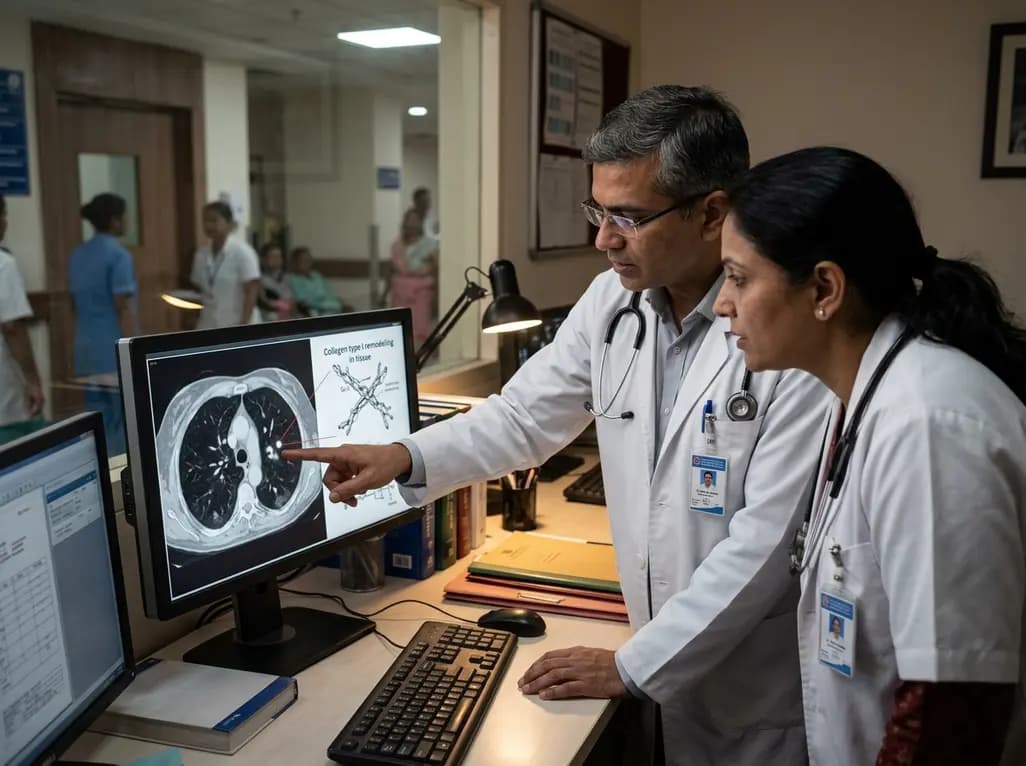
Preclinical findings demonstrate that hProCA32.Collagen, an innovative protein-based contrast agent, detects micro-metastases and aggressive lung adenocarcinomas down to 1 mm on MRI. By targeting collagen type I remodeling, this technology provides radiation-free diagnostic and prognostic evaluation for clinicians.
Today

A landmark randomized clinical trial published in NEJM reveals that high maternal intake of eggs and peanuts during pregnancy and lactation does not lower the risk of infant egg or peanut allergy at one year of age, reinforcing existing dietary recommendations for balanced maternal nutrition without restrictions.
Today

A comprehensive meta-analysis evaluates the association between Body Mass Index and outcomes following abdominal aortic aneurysm repair. Discover how overweight and obesity correlate with lower mortality while underweight status confers heightened risk, challenging conventional preoperative risk stratification.
Today

The SOLARIO trial shows that a short course (≤7 days) of systemic antibiotic therapy is noninferior to long courses (≥4 weeks) in orthopedic infections treated with local antibiotic carriers, with significantly fewer adverse events.
Today
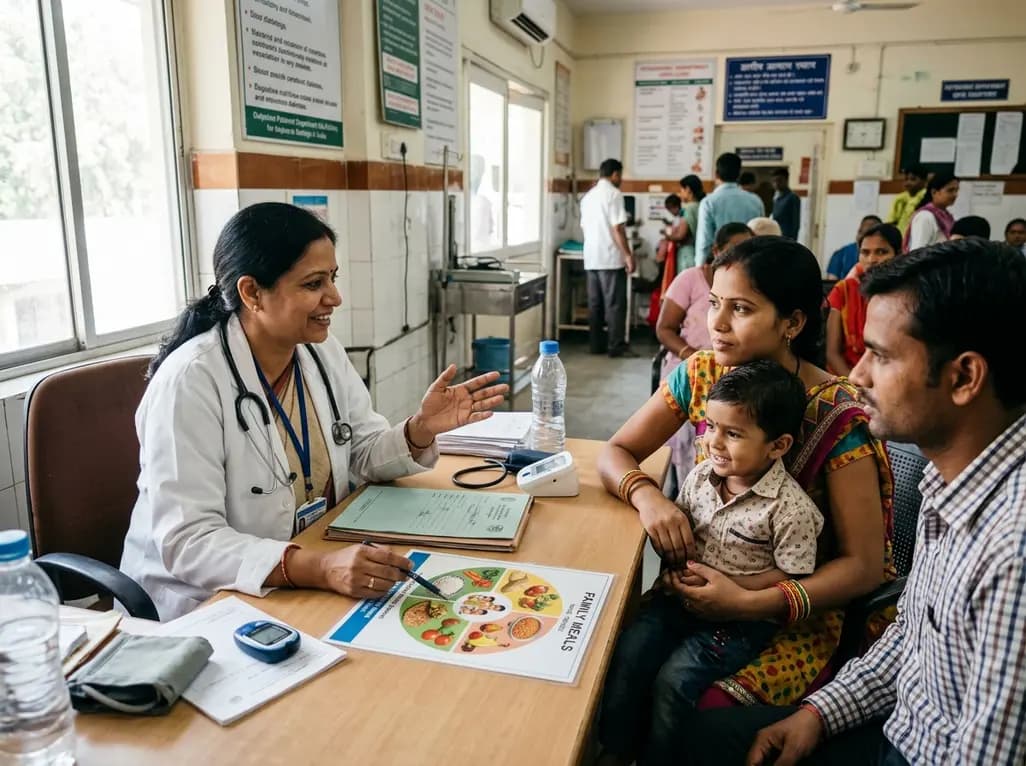
Gestational diabetes doubles the future risk of type 2 diabetes for mothers and offspring. Adopting a life-course approach centered on family meals and brief, supportive nutrition messaging empowers households to reduce metabolic risks and establish sustainable dietary habits across generations.
Today
