

Loading, please wait...
Loading, please wait...
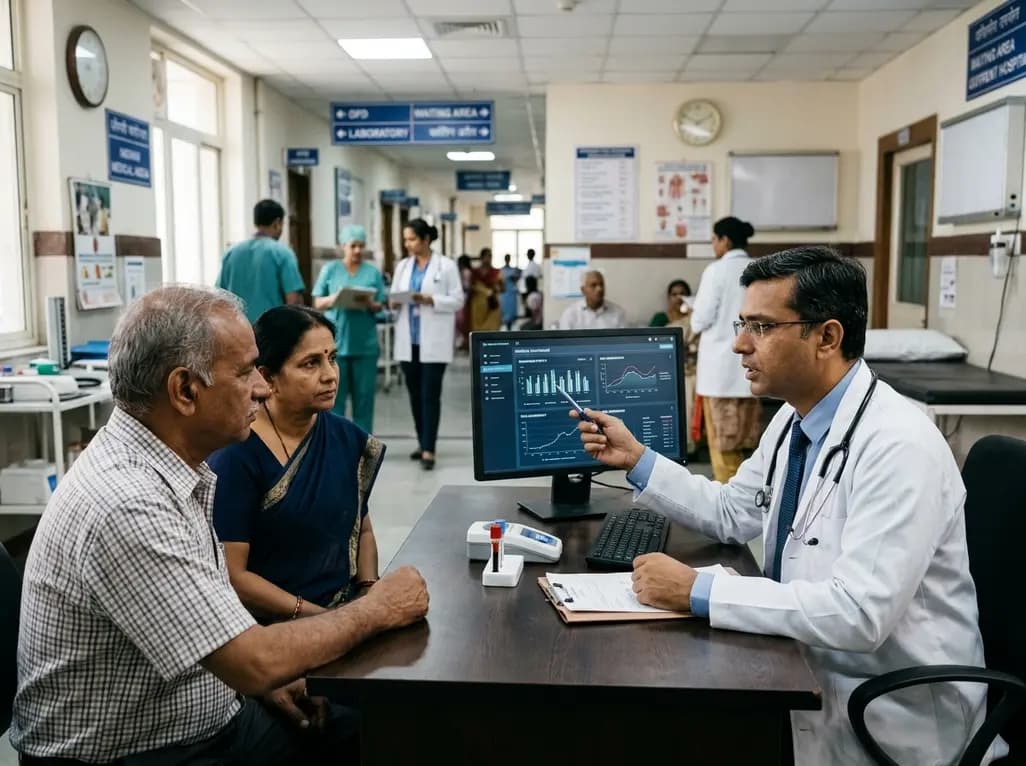
General practitioners frequently evaluate patients with persistent abdominal complaints. Today, novel cancer blood tests offer promising opportunities to transform diagnostic pathways. The National Health Service in England is launching a groundbreaking trial across primary care clinics. Specifically, the initiative investigates whether routine phlebotomy can detect multiple malignancies earlier in outpatient settings. University of Birmingham researchers designed this platform study to assist family physicians. Consequently, doctors may soon differentiate between benign functional complaints and early malignant disease. Most patients currently seek medical attention only when alarming symptoms emerge. However, advanced malignancy often responds poorly to standard therapeutic regimens. Therefore, introducing sensitive diagnostic tools at the community clinic level remains essential. Family doctors serve as the vital gateway to specialised oncological interventions. Furthermore, catching occult disease early significantly boosts five-year overall survival rates. Clinicians hope this clinical model provides a scalable solution for healthcare systems globally. By integrating laboratory innovations into frontline medicine, practitioners can streamline secondary referrals. Thus, this pragmatic study addresses an urgent diagnostic need in modern oncology. Moreover, timely identification prevents catastrophic diagnostic delays during initial evaluations.
Abdominal cancers consistently carry some of the lowest survival statistics worldwide. In England alone, clinicians diagnose approximately 71,000 cases of abdominal cancers annually. Tragically, these specific malignancies cause nearly 35,000 deaths every single year. These conditions include lethal tumors of the pancreas, stomach, liver, bowel, and ovary. In addition, prostate and biliary tract malignancies contribute heavily to this mortality burden. Patients frequently describe vague complaints such as persistent bloating, indigestion, or mild discomfort. Consequently, family doctors often struggle to distinguish sinister neoplasms from harmless gastrointestinal disorders. Functional bowel syndromes present with nearly identical clinical manifestations during early stages. Because of this overlap, diagnostic journeys often stretch over several anxious months. Meanwhile, invasive neoplasms steadily progress to unresectable anatomical stages. For example, bowel cancer diagnosed at stage one yields a ninety percent survival rate. In contrast, stage four bowel cancer drops five-year survival to ten percent. Therefore, clinicians urgently require objective triage biomarkers in primary care. Traditional diagnostic pathways rely heavily on imaging and endoscopic procedures that face severe backlogs. Thus, noninvasive diagnostic screening could relieve overwhelmed hospital radiology and endoscopy suites.
Modern molecular biotechnology relies on sophisticated biological detection methods. Specifically, these advanced cancer blood tests analyze multiple circulating biomarkers within a single tube. Researchers utilize machine learning algorithms to examine complex protein signatures alongside cell-free genetic fragments. As tumors develop, malignant tissues shed minute quantities of anomalous proteins into systemic circulation. Consequently, neural network algorithms can recognize distinct biomolecular expression patterns that human eyes overlook. Furthermore, the computational platform suggests the precise anatomical organ of origin with high accuracy. This localization capability guides physicians toward the most appropriate follow-up investigations. Clinicians can immediately order targeted ultrasound, computed tomography, or targeted biopsy without unnecessary testing. However, investigators clearly emphasize that a positive blood assay does not establish an absolute diagnosis. Instead, the test serves as a sensitive risk-stratification mechanism for urgent diagnostic workup. Similarly, a negative result cannot completely eliminate the possibility of underlying malignancy. Therefore, general practitioners must continue applying rigorous clinical acumen to every clinical case. Ultimately, pairing artificial intelligence with proteomic biomarkers empowers doctors to act decisively before symptoms intensify.
The STRIDE-RCT study represents a monumental achievement in primary care translational research. Across England, at least two hundred general practice surgeries are actively recruiting patients. Overall, the research protocol plans to enroll more than twenty thousand eligible NHS patients. Specifically, individuals aged forty-five and older can participate if they present with suspicious abdominal symptoms. Common qualifying complaints include unexplained abdominal bloating, persistent discomfort, and recent digestive changes. During a routine clinic consultation, practice nurses draw one or two additional blood tubes alongside standard investigations. Subsequently, centralized clinical laboratories process these blood samples using multi-cancer screening technologies. Moreover, the trial tests platforms from several biotechnology commercial developers simultaneously within a cluster randomized framework. This collaborative approach accelerates evidence generation regarding diagnostic precision and clinical utility. Importantly, the UK government co-funded this eight-million-pound study through the National Institute for Health and Care Research. Independent oversight committees will assess whether early intervention translates into tangible survival advantages. If the trial demonstrates favorable diagnostic conversion rates, health authorities may deploy the protocol nationally. Thus, the investigation provides a rigorous benchmark for evaluating novel diagnostic interventions in ambulatory medicine.
The lessons from this landmark British trial hold immense relevance for healthcare practitioners worldwide. In India, physicians face exceptionally high burdens of gastrointestinal, hepatobiliary, and gynecological malignancies. Unfortunately, a vast majority of Indian patients present at tertiary centers with advanced stage three or four disease. In rural areas, limited access to advanced cross-sectional imaging and colonoscopy significantly exacerbates diagnostic delays. Furthermore, out-of-pocket expenditure creates significant financial barriers to comprehensive cancer screening. Therefore, implementing cost-effective, blood-based triage tests could fundamentally transform Indian community healthcare. Primary care doctors and family physicians could utilize simple blood panels to identify individuals requiring urgent tertiary referral. In addition, prioritizing high-risk individuals would optimize the utilization of strained diagnostic resources in government hospitals. Private diagnostic chains across Indian metropolitan cities are already exploring multi-cancer early detection panels. However, widespread clinical adoption requires robust clinical validation and clear regulatory frameworks. Clinicians must avoid unnecessary patient anxiety stemming from false-positive test results. Consequently, Indian medical societies should closely examine trial outcomes to construct evidence-based referral protocols. Ultimately, integrating reliable biomarker tests into primary care can bridge existing diagnostic divides across diverse populations.
Q1: What specific types of malignancies does this primary care blood test trial cover?
The trial focuses primarily on challenging abdominal cancers that doctors frequently diagnose too late. Specifically, the protocol evaluates prostate, ovarian, colorectal, pancreatic, gastric, and hepatocellular malignancies. Furthermore, the diagnostic platform investigates other regional digestive conditions such as esophageal, gallbladder, and bile duct cancers. Detecting these specific tumors during early stages significantly boosts long-term patient survival rates before severe physical symptoms or metastatic complications emerge.
Q2: Does a positive result from these cancer blood tests confirm a malignant diagnosis?
No, a positive blood test result does not equate to a definitive cancer diagnosis. Instead, the test serves as an intelligent risk-stratification mechanism for general practitioners. Specifically, the assay flags elevated biochemical markers and predicts the probable anatomical origin of the tumor. Consequently, family physicians use these findings alongside clinical judgment to arrange prompt secondary imaging, endoscopic investigations, or urgent specialist oncological referrals.
Q3: Who is eligible to take part in this National Health Service clinical study?
The STRIDE-RCT study enrolls symptomatic adult patients aged forty-five and older who visit participating family practice clinics across England. Specifically, eligible individuals must present with persistent or unexplained abdominal symptoms such as chronic bloating, ongoing discomfort, or altered bowel habits. Participating patients provide one or two additional blood tubes during routine appointments, allowing scientists to assess biomarker accuracy across real-world primary care populations.
Disclaimer: This content is for informational and educational purposes only. It does not constitute medical advice or replace professional judgment. Refer to the latest local and national guidelines for clinical practice.
References

Read summarized clinical updates, watch expert medical content, and earn CME certifications right from your smartphone.
Open your smartphone camera to scan and install.





A pioneering clinical trial across 200 general practices in England evaluates cutting-edge blood tests to detect vague abdominal malignancies earlier. By combining artificial intelligence with protein biomarker profiling, clinicians aim to triage high-risk patients rapidly and improve long-term survival.
Today

A preclinical study reveals that cinnamic acid counters D-galactose-induced premature ovarian failure in mice. By enhancing total antioxidant capacity and upregulating protective genes like Nrf2 and Foxo3a, cinnamic acid improved estrous cyclicity and follicular reserve, offering new insights into ovarian health.
Today
A systematic review of 18 studies reveals very low certainty evidence for cardiac autonomic modulation following intermittent normobaric hypoxia, showing insufficient data to confirm reproducible changes in heart rate variability or baroreflex sensitivity.
Today

An 8-week functional restoration program provides sustained psychological benefits at six-month follow-up for workers' compensation patients. The multidisciplinary intervention significantly improved pain self-efficacy, reduced anxiety and depression, and progressively resolved chronic insomnia severity.
Today
A multinational study of 2,573 medullary thyroid cancer patients refines AJCC TNM-8 staging, proposing N1c for level VII nodes and a new I-IVB schema for better survival stratification.
Today
