.webp&w=384&q=75)

Loading, please wait...
Loading, please wait...

Cervical cancer continues to be a major cause of mortality among women globally, with a heavy burden remaining in low- and middle-income countries. While persistent high-risk human papillomavirus infection is the known driver, current detection methods often fall short. Conventional cytology offers moderate sensitivity and relies heavily on subjective interpretation. Conversely, highly sensitive molecular tests often lack the specificity needed to distinguish transient infections from truly transforming ones. To address these gaps, a new framework is emerging that focuses on biology-aligned cervical cancer screening. This approach organizes diagnostic efforts around the molecular pathogenesis of the disease rather than just the platform used. By understanding viral integration, oncogene-driven transformation, and epigenetic changes, clinicians can better utilize biomarkers that reflect the actual risk of progression.
The goal is to transition from broad detection to a more target-centric diagnostic model. This means selecting markers based on their biological role in the continuum of carcinogenesis. This shift is essential for achieving the World Health Organization’s goals for cancer elimination. Precise screening allows for better resource allocation and reduces the diagnostic burden on triage and colposcopy services. As we integrate these biological insights into clinical practice, the focus remains on improving accessibility and accuracy simultaneously. This alignment ensures that every test performed provides actionable intelligence regarding a patient's specific oncogenic risk profile.
Developing effective cervical cancer screening requires a deep dive into the molecular triggers of the disease. Target-centric biomarkers are categorized based on their origin, such as viral-derived markers or host-cell regulators. HPV DNA testing remains a cornerstone because of its extreme sensitivity, yet it identifies many infections that will never progress. To improve specificity, researchers are focusing on HPV mRNA and capsid proteins, which more accurately reflect active viral replication and oncogenic potential. Viral integration into the host genome is another critical event that markers can now detect, providing a clear signal of advanced risk. These viral indicators allow for a more nuanced understanding of the infection's status within the patient.
Beyond viral markers, host cell-cycle regulators like p16 and Ki-67 have become vital tools for risk stratification. These protein biomarkers indicate that the cell has lost control of its normal growth cycles due to viral interference. Additionally, non-protein biomarkers such as biothiols and volatile metabolites are being explored as metabolic signatures of malignancy. Epigenetic consolidation, specifically DNA methylation of both viral and host genes, serves as a robust indicator of long-term cancer risk. By mapping these diverse markers onto the biological continuum, clinicians can create a multilayered risk profile. This comprehensive view helps in distinguishing between patients who need immediate intervention and those who can be safely monitored over time.
The success of biology-aligned cervical cancer screening depends on the availability of scalable and robust diagnostic platforms. Next-generation technologies are moving away from centralized laboratories toward point-of-care solutions. These POC devices are designed for rapid use in diverse settings, including resource-limited regions where traditional infrastructure is absent. Technologies like AI-assisted cytopathology and Raman spectroscopy offer marker-free alternatives that can analyze tissue or cellular samples with high precision. Such innovations reduce the need for specialized personnel and long turnaround times. By bringing high-performance testing closer to the patient, these platforms significantly improve the chances of early detection and timely treatment.
Furthermore, the integration of noninvasive sampling strategies is a game-changer for screening uptake. Self-sampling for HPV testing has already shown to increase participation among women who might otherwise avoid clinical exams. When paired with rapid molecular triage, these strategies create a seamless pathway from screening to management. The deployment of microfluidic "lab-on-a-chip" devices and portable molecular systems ensures that sophisticated testing is no longer confined to major medical centers. These platforms must be rugged, easy to interpret, and cost-effective to meet global needs. As these technologies mature, they will provide the precision necessary to support national screening programs and large-scale elimination efforts.
Despite decades of use, conventional cervical cancer screening modalities face significant operational and biological limitations. Cytology-based Pap smears, while historically successful in high-income countries, suffer from low reproducibility and variable sensitivity. They require a high degree of clinical expertise and a stable laboratory infrastructure, making them difficult to scale in many parts of the world. Visual inspection methods, such as VIA, are often used because they are inexpensive and provide immediate results. However, they are hampered by limited reproducibility and a high rate of false positives, which can lead to unnecessary treatments. These challenges underscore the need for more objective, biology-driven diagnostic tools.
Even highly sensitive HPV DNA tests present challenges, primarily due to their lack of specificity for pre-cancerous lesions. An HPV-positive result often necessitates further triage, which can overwhelm colposcopy clinics and cause patient anxiety. The "screen-and-treat" model, while efficient for logistics, risks overtreatment in the absence of precise biomarkers. Transitioning to a biology-aligned approach helps mitigate these issues by focusing on markers of transformation rather than just infection. Understanding the limitations of current tools is the first step toward adopting next-generation platforms. By addressing these gaps, we can ensure that screening programs are both effective and sustainable for all populations, regardless of their local healthcare resources.
Effective cervical cancer screening in the modern era requires a move toward multilayered risk stratification. Instead of relying on a single test result, clinicians can now integrate various biological signals to determine a patient's true risk. This involves combining viral genotype data with host cell biomarkers and epigenetic profiles. Such a comprehensive approach allows for personalized management plans, where the frequency of screening is tailored to individual risk. For instance, a patient with a high-risk HPV genotype and positive methylation markers would be prioritized for immediate colposcopy. Conversely, those with low-risk markers could safely undergo less frequent testing, reducing unnecessary healthcare interventions.
The integration of these layers is increasingly supported by digital health tools and artificial intelligence. AI can process complex datasets from different biomarkers to provide a unified risk score. This data-driven strategy supports clinical decision-making and ensures that the most vulnerable patients receive care first. Scaling this model requires standardized protocols and clear guidelines for biomarker interpretation. As more data becomes available from diverse populations, these risk models will become even more refined and accurate. Ultimately, multilayered stratification transforms screening from a one-size-fits-all process into a precision medicine tool. This evolution is crucial for closing the gap in cancer outcomes and moving toward global elimination.
Looking forward, the landscape of cervical cancer screening is set to be transformed by continued diagnostic innovation. The focus will remain on aligning molecular precision with global accessibility to meet the WHO 90-70-90 targets. This means not only developing better tests but also ensuring they can be implemented in the world's most underserved areas. Continued research into novel biomarkers, such as circulating tumor DNA and microRNAs, may provide even earlier signals of disease. These liquid biopsy techniques could eventually offer a completely noninvasive way to monitor patients over time. The goal is to create a closed-loop system where screening, diagnosis, and treatment are tightly integrated.
Collaboration between researchers, policymakers, and healthcare providers is essential to bring these biology-aligned tools to the frontline. Education and training for clinicians on the use of next-generation biomarkers will be vital for successful implementation. Furthermore, public health campaigns must continue to emphasize the importance of both vaccination and screening. As the world moves closer to 2030, the adoption of these advanced diagnostic frameworks will be a primary driver of success. By leveraging the latest in molecular biology and engineering, we can finally turn the tide against cervical cancer. The future of women's health depends on our ability to translate these scientific advances into life-saving clinical practices everywhere.
Biology-aligned cervical cancer screening is a diagnostic framework that organizes screening based on the biological characteristics of the markers being tested. Rather than focusing solely on the technology platform, it examines viral integration, oncogene activity, and host cell changes. This approach aims to improve the precision of identifying women at the highest risk for developing invasive cancer, ensuring better clinical outcomes and more efficient use of healthcare resources.
Host cell-cycle regulators such as p16 and Ki-67 serve as objective indicators of oncogenic transformation. When high-risk HPV infects a cell and begins the process of carcinogenesis, it disrupts normal cell growth signals, leading to the overexpression of these proteins. Detecting these markers helps clinicians distinguish between a transient HPV infection and a lesion that is likely to progress to cancer, thereby reducing unnecessary procedures and focusing care on high-risk patients.
Point-of-care platforms are essential because they provide high-performance diagnostic capabilities in settings without traditional laboratory infrastructure. These portable, easy-to-use devices allow for rapid testing and immediate results, which is vital for "screen-and-treat" models in remote or low-resource areas. By making advanced biology-aligned screening accessible to underserved populations, POC platforms play a major role in reaching the WHO’s global targets for eliminating cervical cancer as a public health threat.
Disclaimer: This content is for informational and educational purposes only. It is not intended to be a substitute for professional medical advice, diagnosis, or treatment. Always seek the advice of your physician or other qualified health provider with any questions you may have regarding a medical condition. Refer to the latest local and national guidelines for clinical practice.
References
Yu JS et al. Biology-aligned cervical cancer screening: target-centric biomarkers and next-generation diagnostic platforms. Biomark Res. 2026 Jun 27. doi: 10.1186/s40364-026-00964-6. PMID: 42365384.
Peking University Shenzhen Hospital. PHASE Scientific Showcases End-to-End “Screen–Diagnose–Treat” Solution at CSCCP 2026. May 18, 2026.
World Health Organization. Cervical Cancer Elimination Initiative: Strengthening health systems and accountability toward the 2030 targets. June 12, 2026.

Read summarized clinical updates, watch expert medical content, and earn CME certifications right from your smartphone.
Open your smartphone camera to scan and install.





Cervical cancer remains a major global health challenge, but next-generation diagnostic platforms are bridging the gap. By focusing on biology-aligned cervical cancer screening and target-centric biomarkers, clinicians can move beyond the limitations of cytology toward more precise, scalable triage.
3 months ago

Following regulatory scrutiny from FSSAI regarding promotional representations and lean muscle preservation claims, Dr. Reddy's Laboratories and Nestlé Health Science are currently reviewing the branding and marketing strategy for their joint nutritional supplement Celevida GLP+.
Today
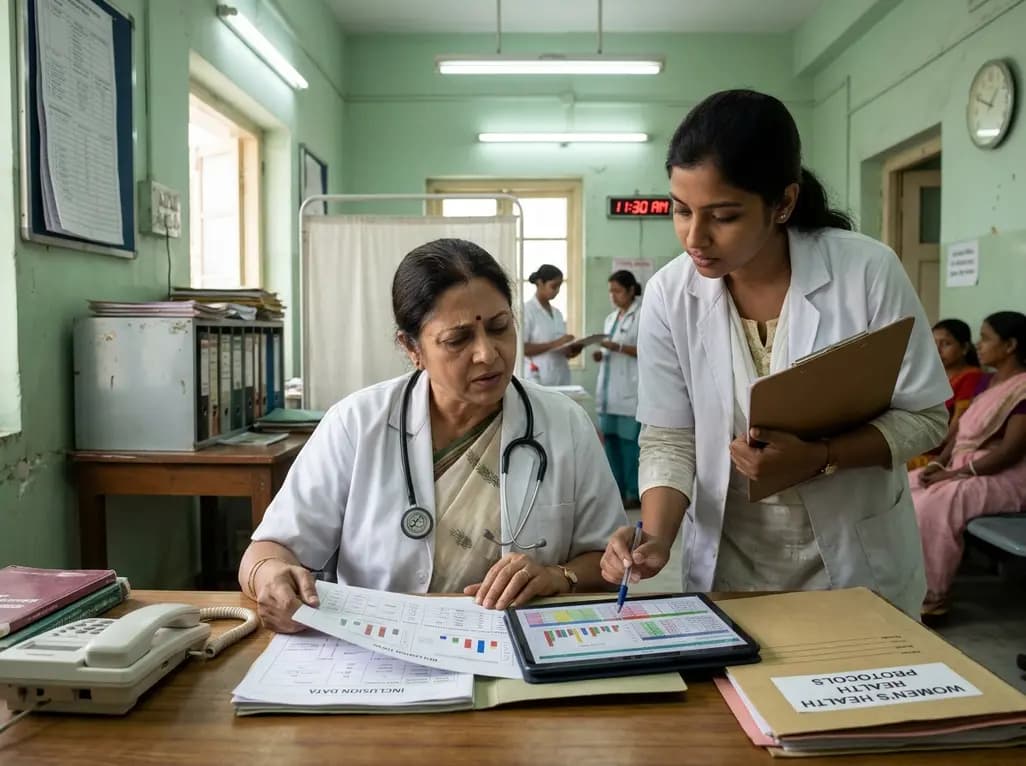
Demanding exhaustive hormonal profiling can inadvertently discourage clinical studies involving females. Methodological standards must align with the specific scientific question to expand, not restrict, equitable evidence for women.
Today

The Directorate General of Health Services directs Indian states to halt the hazardous reuse and reprocessing of single-use medical devices. Discover regulatory implications under the Drugs and Cosmetics Act, critical infection risks, legal liabilities, and operational changes required across clinical specialties.
Today
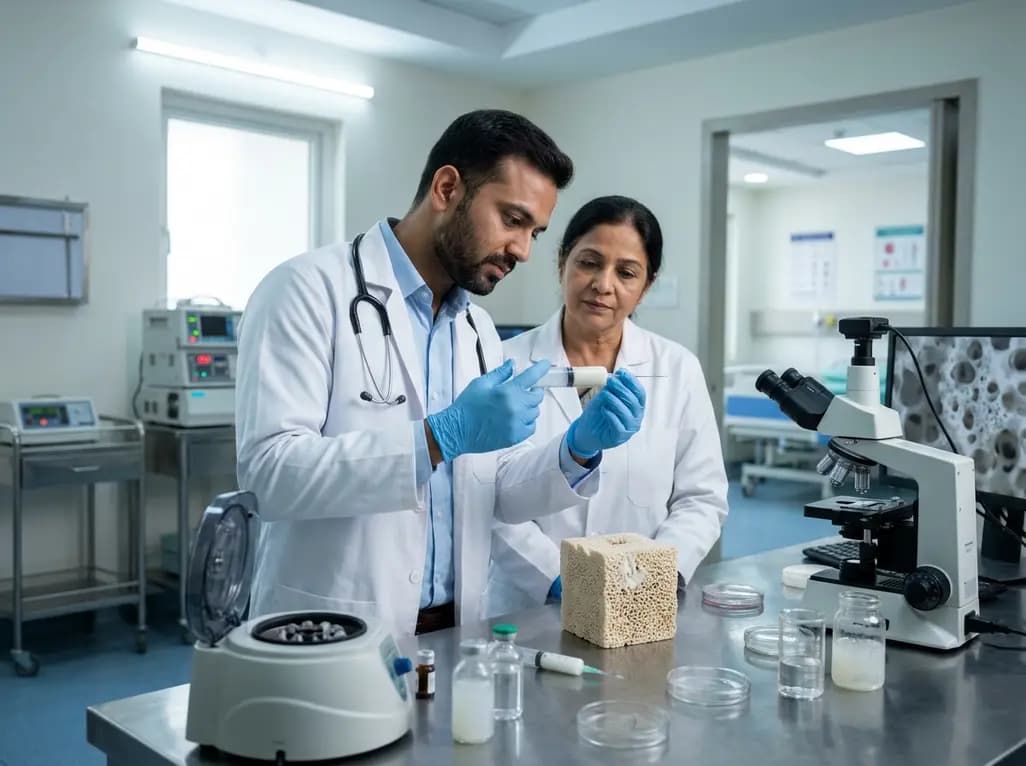
A novel calcium polyphosphate coacervate enables injectable bone implants with in situ hierarchical porosity via phase separation and gas foaming, significantly enhancing cell proliferation, energy metabolism, and osteogenic differentiation for minimally invasive bone defect repair.
Today

India is advancing preventive healthcare by integrating genomics, artificial intelligence, and quantum technologies. With the SANGAM programme sequencing one million Indian genomes, clinicians can unlock personalized therapies, detect cardiometabolic risks early, and curb the burden of diabetes and heart disease.
Today
